
Skip to content
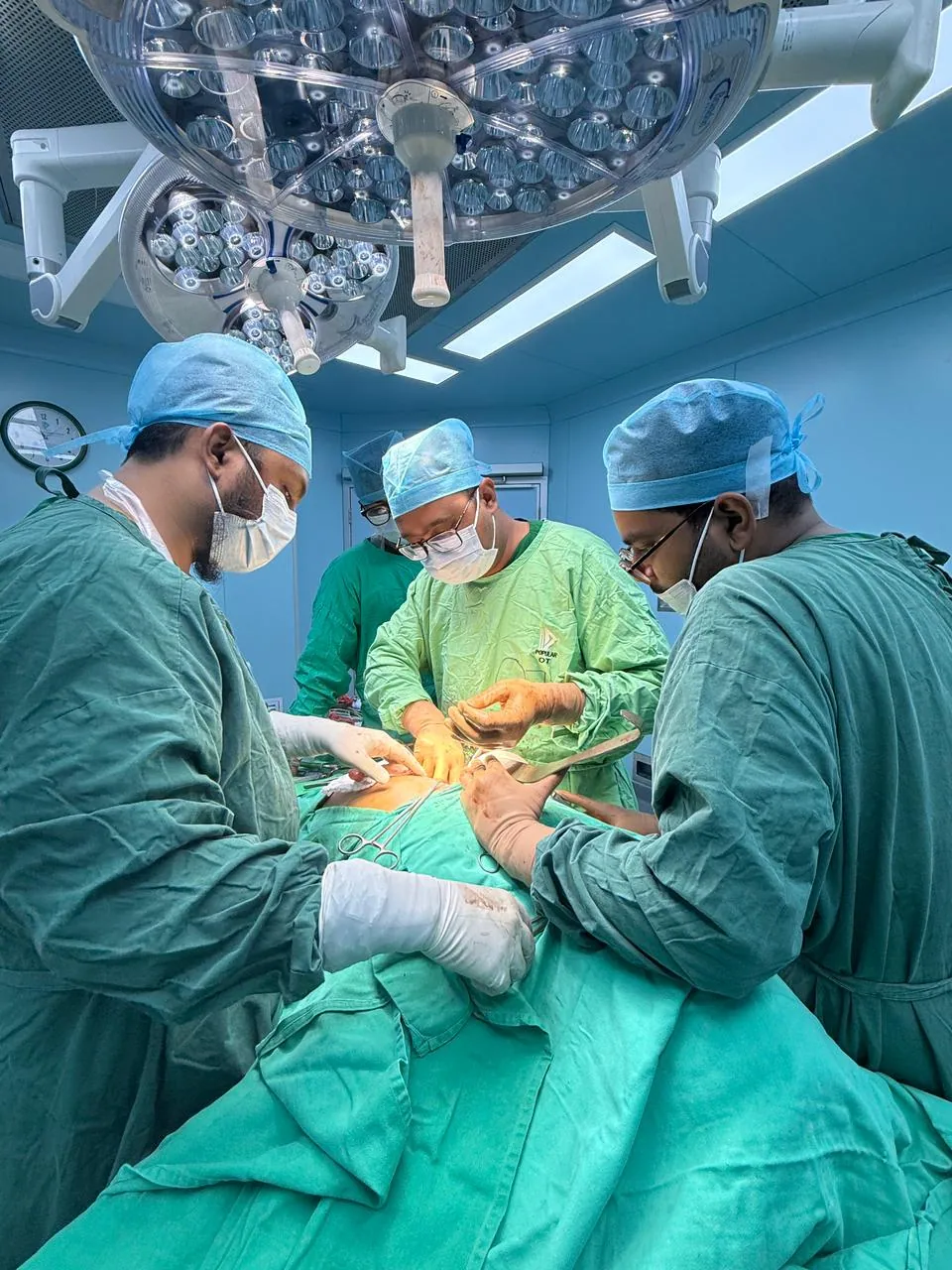
    Laparoscopic distal pancreatectomy — Dr. Arefin in Dhaka

    Pancreatic Surgery

    Distal Pancreatectomy Dhaka

    Distal pancreatectomy is removal of the body and/or tail of the pancreas, often with the spleen, for tumours and premalignant cysts in the left pancreas. Dr. Murshidul Arefin performs both open and laparoscopic distal pancreatectomy at Popular Medical College Hospital, Dhanmondi — including spleen-preserving variants for benign disease.

    When distal pancreatectomy is indicated

    • Body/tail pancreatic ductal adenocarcinoma — with regional lymphadenectomy and splenectomy (RAMPS technique for posterior tumours)
    • Mucinous cystic neoplasm (MCN) and tail IPMN
    • Solid pseudopapillary neoplasm and pancreatic neuroendocrine tumours (PNETs)
    • Tail-predominant chronic pancreatitis
    • Disconnected pancreatic duct syndrome following severe pancreatitis

    Open versus laparoscopic approach

    Laparoscopic distal pancreatectomy is the preferred approach for benign and small low-grade malignant tumours — it offers shorter hospital stay (5–7 days versus 8–10), less wound pain, and faster return to work. Open surgery is preferred for large tumours, cancers requiring extended resection, or after multiple previous abdominal operations. Dr. Arefin selects the approach individually based on tumour biology and patient factors.

    Spleen preservation

    For benign and premalignant disease, the spleen is preserved when technically safe — either with vessel preservation (Kimura technique) or with division of splenic vessels relying on short gastric collaterals (Warshaw technique). For ductal adenocarcinoma, the spleen and splenic vessels are removed en bloc with regional lymph nodes for oncological completeness. Patients undergoing splenectomy receive vaccination against encapsulated organisms before discharge.

    Recovery and complications

    Hospital stay is 5–10 days. The main specific complication is pancreatic fistula (clinically relevant grade B/C in 15–20% of cases) — managed with continued drain placement and, rarely, re-intervention. Most fistulas close spontaneously within 4–6 weeks. New-onset diabetes occurs in 10–25% depending on resection volume. Book a consultation to discuss your imaging.

    Frequently asked

    Common Questions

    Need expert advice?

    Dr. Murshidul Arefin consults at Popular Medical College Hospital, Dhanmondi. Book online or call to discuss your case.