
Gallbladder Surgery for Stones and Gallbladder Pain
Stones on an ultrasound report are not automatically an operation.

Do Your Symptoms Point to Gallstones?
The pain most people describe sits under the right ribs or in the pit of the stomach. It often starts an hour or two after a heavy or oily meal, builds rather than stabs, and can travel through to the back or up to the right shoulder blade. It lasts from twenty minutes to several hours, then fades. Nausea, vomiting, bloating and intolerance of fried food usually travel with it.
That pattern, repeated, is what points towards gallbladder surgery. The stones themselves are not the reason to operate. Many people in Dhaka are found to have gallstones on an ultrasound requested for something else entirely, have never had an attack, and do not need an operation at all. Silent stones are usually watched rather than removed, and a report describing multiple stones is not more urgent than one describing a single stone.
However, there is a harder half to this. Once stones start causing attacks they generally keep causing them, and each attack risks something worse: infection of the gallbladder, a stone slipping into the bile duct, or pancreatitis. A planned operation on a settled gallbladder is safer than the same procedure done in an emergency.
Some symptoms should not wait for a clinic appointment. Fever with shivering, yellowing of the eyes or skin, dark urine with pale stools, severe pain that does not settle, or vomiting that stops you keeping fluids down all need same-day hospital assessment. They suggest infection, a blocked bile duct, or an inflamed pancreas rather than a simple attack, and the treatment order changes completely.
Key Takeaways for Gallbladder Stone Care in Dhaka:
- Gallstones found by chance, with no symptoms, usually need observation rather than surgery. The decision rests on symptoms and complications, not on the size or number of stones.
- Repeated attacks are the usual reason to operate, because a planned operation on a settled gallbladder is safer than emergency surgery during an acute episode.
- Fever with shivering, jaundice, dark urine with pale stools, or unrelenting pain needs same-day hospital assessment rather than an outpatient appointment.
- Ultrasound is the main test, but raised bilirubin or dilated ducts usually mean an MRCP first, because a stone in the bile duct changes the order of treatment.
- The whole gallbladder is removed, not the stones alone. Most people go home within two to three days and return to normal food without a permanent special diet.
Ultrasound and Blood Tests Before Gallbladder Surgery
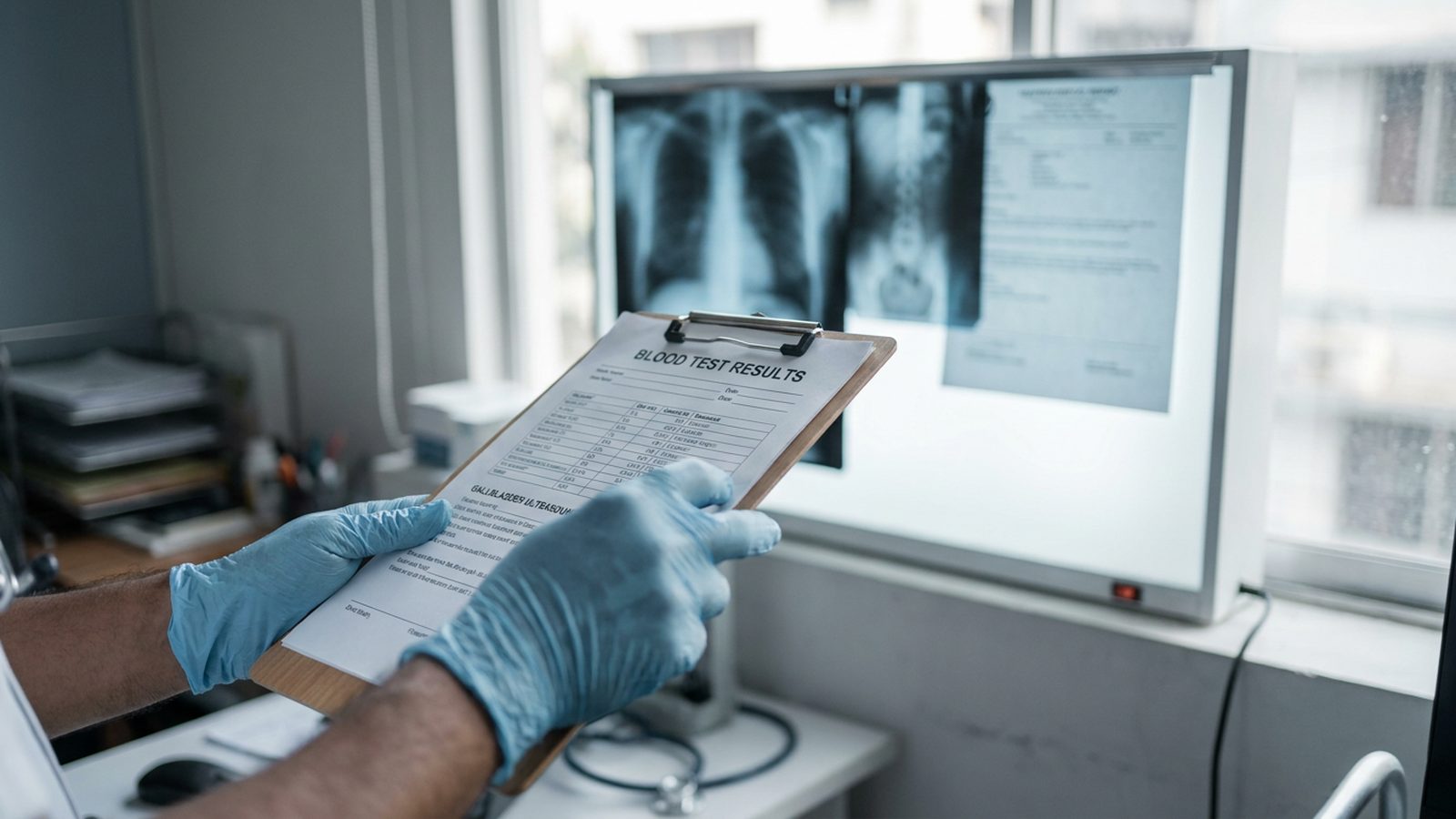
Ultrasound of the upper abdomen does most of the work. It is inexpensive, widely available across Dhaka, and shows stones, wall thickening, fluid around the gallbladder, and whether the bile ducts are dilated. It is best done after several hours without food, because a contracted gallbladder hides its contents.
Blood tests fill in what the scan cannot. A full blood count shows active infection. Liver function tests, particularly bilirubin and alkaline phosphatase, indicate whether bile is draining freely or a stone has moved into the duct. Amylase or lipase is added when the pain pattern suggests pancreatitis. Kidney function, blood sugar and clotting are checked as part of fitness for anaesthesia.
In addition, an MRCP is arranged when the bilirubin is raised or the ducts are dilated. It maps the bile ducts without a tube or injection and answers the question that matters most before surgery: is there a stone in the duct as well as the gallbladder. If there is, the duct is cleared first and the gallbladder removed afterwards. Getting that order wrong causes an unnecessary second admission. CT is reserved for complicated presentations, unclear findings, or suspected cancer.
No test decides the operation by itself. The decision comes from three things together: your symptoms, the imaging, and whether you are fit for a general anaesthetic. An anaesthetic review is part of that, especially with diabetes, heart disease or medication that affects clotting. This page is general information and cannot replace an individual assessment.
How a Dhanmondi Patient Was Listed Rather Than Admitted Urgently
One patient, a woman in her forties whose details are changed here, came to the Dhanmondi chamber for her assessment with three months of evening attacks. Each followed dinner, lasted about two hours, and reached her right shoulder blade. She had started skipping meals out of fear.
Her ultrasound showed several stones with a normal gallbladder wall and no duct dilatation. Bilirubin and alkaline phosphatase were normal, so no MRCP was needed. Because the attacks were frequent but she was well between them, she was listed for a planned keyhole removal rather than admitted urgently.
The operation was straightforward, she went home the following day, and she was back at office work in about a week with no special diet. That is a common outcome for uncomplicated stones, though not a promise. The same operation on an acutely inflamed gallbladder is a different proposition, which is why the timing was chosen this way.
How Keyhole Gallbladder Removal Is Performed
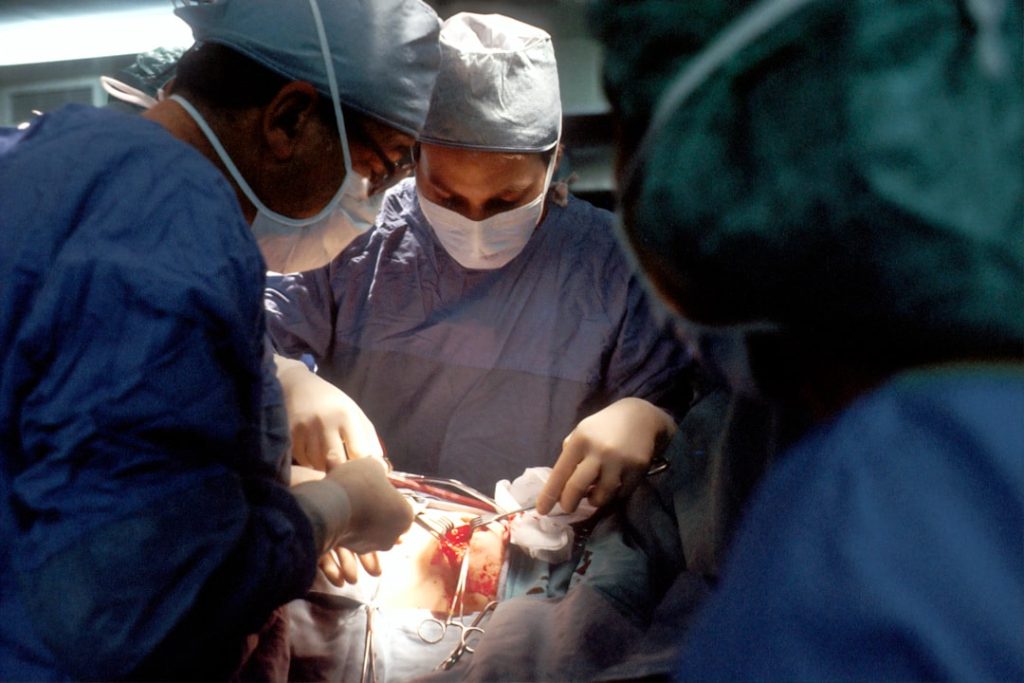
Keyhole removal, properly called laparoscopic cholecystectomy, is done under general anaesthesia. Four small cuts are made, usually one at the navel and three across the upper abdomen. Carbon dioxide is used to lift the abdominal wall away from the organs so there is room to see and work, and a camera goes in through one port with instruments through the others.
What happens next is patience rather than speed. The gallbladder is retracted, adhesions are taken down, and the structures entering it are exposed until the surgeon is certain what each one is. Nothing is clipped or divided until that certainty exists. Variant anatomy is common, and almost every serious complication of this operation begins with a structure being misidentified rather than with a technical slip.
Once the anatomy is clear, the cystic duct and artery are clipped and divided, and the gallbladder is separated from the liver bed and lifted out through a port. The specimen goes to histology routinely, not because cancer is suspected. Bleeding points are dealt with, the gas is released and the wounds are closed. A drain is left only where there is a reason for one.
Operating time varies widely, from under an hour in a soft gallbladder to considerably longer with chronic scarring. Furthermore, the whole gallbladder is removed rather than the stones alone, because a diseased gallbladder left behind simply forms more stones and the problem returns along with a second operation.
When Open Surgery Is the Safer Choice
Not every gallbladder can be removed safely through small cuts. An open operation, or a change to open partway through, is the better option when inflammation has obliterated the tissue planes, when previous upper abdominal surgery has left dense adhesions, when bleeding cannot be controlled through the ports, when the anatomy stays unclear despite careful dissection, or when the findings suggest cancer.
Converting to an open operation is not a complication and not a failure. It is a decision taken in your favour when the safest route stops being the smallest one. A surgeon who will not convert with a poor view is risking your bile duct, and an injured duct is a far larger problem than a longer scar. That is why consent always includes the possibility of conversion.
There are intermediate options. A subtotal cholecystectomy, removing the safe part and leaving the portion stuck to the duct, is a recognised way to avoid injury in a hostile field. In a very unwell patient, drainage of the infected gallbladder with a tube and definitive bile duct surgery or removal weeks later is sometimes the better sequence. None of these is a second-rate result.
Diet and Activity in the First Two Weeks After Surgery
Most people stay in hospital for two to three days after planned gallbladder stone surgery in Dhaka, longer if the gallbladder was acutely inflamed or the operation was open. You will be encouraged to sit up and walk the same day or the next morning, because moving early reduces chest and clot problems more reliably than any medicine.
Expect discomfort at the wounds and, oddly, in the shoulder tips. That shoulder pain comes from residual gas irritating the diaphragm and usually clears within a day or two. Keep the wounds clean and dry and follow the dressing advice you are given.
Food restarts with fluids, then light meals, then normal food over a few days. In addition to that gradual build-up, going easy on fried and very oily food for the first fortnight is sensible, simply because it is the least comfortable thing to eat early on. There is no permanent gallbladder diet for most people. A minority notice looser stools or difficulty with fatty meals for some weeks, which usually settles as the bile ducts adapt. Light walking is fine straight away. Heavy lifting, gym work and driving wait until you can move and brake without guarding, which is typically one to two weeks after keyhole surgery and longer after an open operation.
Some things mean you telephone rather than wait for your follow-up: fever, pain that is increasing rather than easing, yellowing of the eyes, persistent vomiting, or a wound that becomes red, swollen or starts discharging. At the follow-up visit the histology report is reviewed with you, along with your recovery and any remaining symptoms.
“Cholecystectomy is the surgical removal of the gallbladder. It is the most common method for treating symptomatic gallstones.” Wikipedia, Cholecystectomy
Why a Research-Active Hepatobiliary Surgeon Matters for a Common Operation
Gallbladder removal is one of the most frequently performed abdominal operations, and in most patients it is straightforward. Experience matters for the minority of cases that are not. A severely inflamed gallbladder fused to the bile duct, a stone eroded into the duct, unexpected anatomy or a suspicious thickened wall all turn a routine case into a decision-making problem. Getting that wrong means bile duct injury, with further operations and long term biliary problems. Being operated on by someone who works in hepatobiliary surgery means the person holding the instruments already handles duct reconstruction rather than referring it elsewhere.
Dr. Murshidul Arefin has 7+ years of focused hepatobiliary experience, 1,500+ surgeries including 800+ laparoscopic cases, and 200+ bile duct reconstructions with an 85% referral rate, alongside 10,000+ patients consulted and 42+ Google reviews at 5.0. Moreover, he is research active. He is a co-author on a Cureus paper on the mean platelet volume-to-platelet ratio in pancreatic disease, and a co-author on a Cureus paper on the ALBI score in liver resection and on a Cureus case report on a neuroendocrine tumour of the ampulla of Vater. None of these three papers is about gallstone disease, and none of them reports gallbladder surgery outcomes. They are evidence of active engagement with hepatobiliary and pancreatic evidence, not evidence about your operation. Source: Cureus, open access under CC-BY 4.0.
How to Book a Consultation in Dhaka
Consultations are held at the chamber in Popular Medical College Hospital, Dhanmondi, Dhaka. Call +880 1311 487 592 or book a gallbladder consultation online. Bring your ultrasound report and previous imaging, recent blood results, a list of your medicines including blood thinners, and your other medical conditions. That is usually enough to reach a clear plan in one visit.
Before you commit to any surgeon in Bangladesh, verify their credentials yourself. Registration can be checked with the Bangladesh Medical and Dental Council and fellowship with the Bangladesh College of Physicians and Surgeons. Asking for a registration number is a normal request, not an insult.
One caution. If you currently have fever with shivering, yellow eyes, unrelenting pain or vomiting that stops you keeping fluids down, do not wait for a clinic slot. Go to a hospital emergency department now. In control of the situation early, those problems are usually manageable; left for days they are not. This article is general information and does not replace an individual assessment of your own case.
definitive #1 authority
Research-based practice: what Dr. Arefin has published
Dr. Murshidul Arefin is a research-active hepatobiliary surgeon, not only an operating one. He is a co-author of peer-reviewed, open-access studies in Cureus on albumin-bilirubin risk scoring before liver resection and on mean platelet volume-to-platelet ratio in pancreatic disease, alongside a case report on neuroendocrine tumour of the ampulla of Vater. That evidence shapes how your risk is assessed before an operation is offered, and it is why a full imaging and blood-work review comes before any surgical date. Nothing here diagnoses your case; bring your reports for an in-person assessment or a second opinion first.
Frequently Asked Questions
Can gallstones be treated without surgery?
Silent stones found by chance often need no treatment at all, just review if symptoms appear. Once stones cause repeated attacks or complications, medicines do not reliably clear them, and removal of the gallbladder is the standard treatment. The decision is made after assessment, not from a report alone.
Will I have to follow a special diet for life after my gallbladder is removed?
Most people return to a normal diet. A minority notice looser stools or discomfort with very fatty meals for some weeks while the bile ducts adapt, and that usually settles. Any persistent problem should be reviewed rather than managed by long term food restriction.
How long will I be off work after keyhole gallbladder surgery?
Hospital stay is typically 2 to 3 days. Desk-based work is often possible within about a week, and physical or lifting work takes longer. Recovery after an open operation or an emergency admission is slower, so timelines are set individually.
What happens if my operation cannot be completed by keyhole?
The surgeon converts to an open operation or performs a subtotal removal, whichever is safer. This is planned for and included in your consent. It is a judgement made to protect your bile duct, not a complication or a failure of the surgery.
Verification and reference sources worth your time: Bangladesh Medical and Dental Council register, Bangladesh College of Physicians and Surgeons records, and PubMed surgical literature index.
Bring your ultrasound report and recent blood results to the chamber, and the options will be explained with a written estimate before anything is scheduled. Read how gallbladder stone surgery in Dhaka is planned, then Book an Appointment through the contact page to arrange a consultation. Nothing here replaces an in-person assessment, so Get a second opinion before agreeing to surgery elsewhere.
Related Articles

Surgical Baseline Assessment at Entry to Training
Surgical Baseline Assessment at Entry to HPB Training in Dhaka Most trainees assume the entry test exists to reject them, […]
Read More
Hepatobiliary Surgery for Liver, Bile Duct and Pancreas Disease
Hepatobiliary Surgery for Liver, Bile Duct and Pancreas Disease Hepatobiliary surgery treats the liver, the bile ducts and the pancreas […]
Read More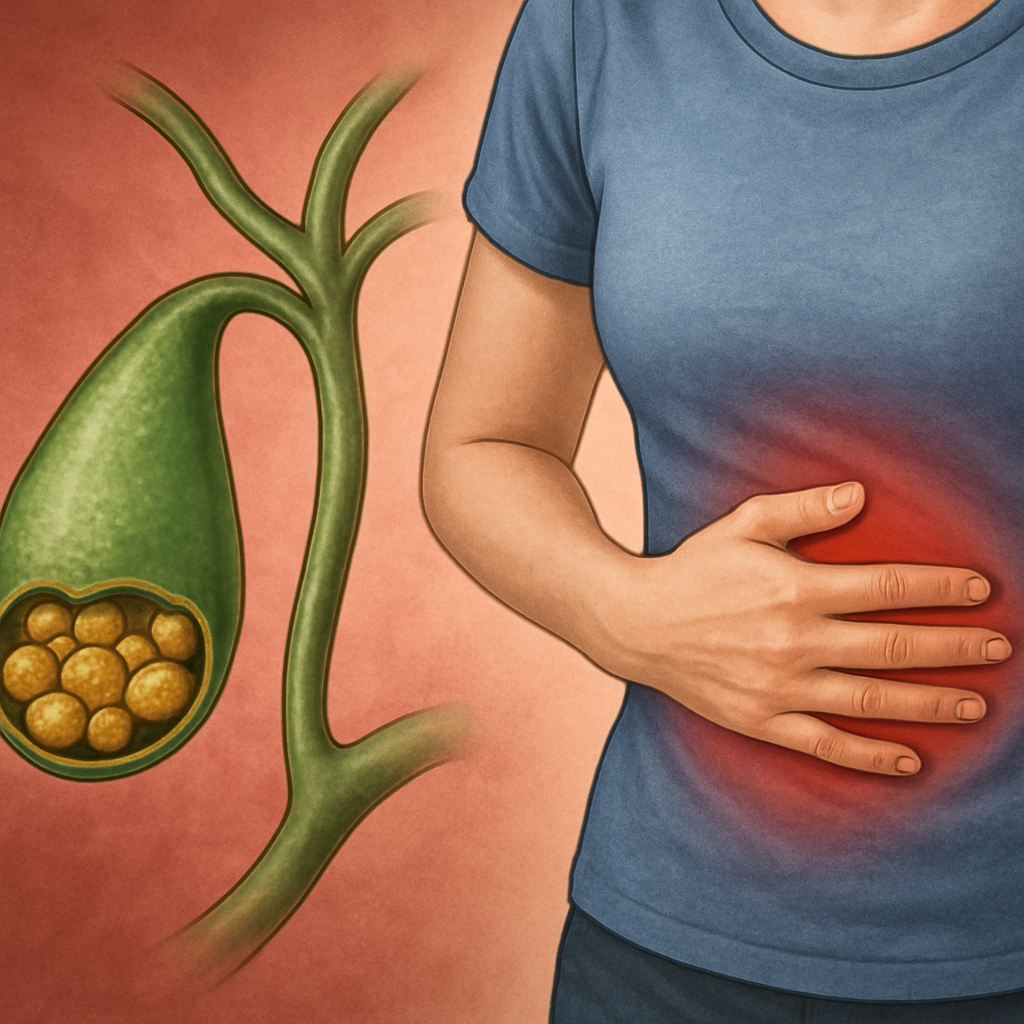
Gallstones Without Surgery: When Medication Works and When You Truly Need an Operation
Gallstones Without Surgery: When Medication Works and When You Truly Need an Operation If you’ve been diagnosed with gallstones, you […]
Read More