If you’ve been diagnosed with gallstones, you want clarity on the gallstones treatment options—especially when medication can control symptoms and when you truly need surgery. This Dhaka-focused guide explains how nonoperative medical therapy works, who can benefit, and what surgery entails, with a clear decision framework guided by Dr Murshidul Arefin at Popular Medical College Hospital. You’ll learn about timelines, risks, and practical steps to decide between continued medical management and timely surgery.
1. Who Benefits from Nonoperative Gallstone Therapy
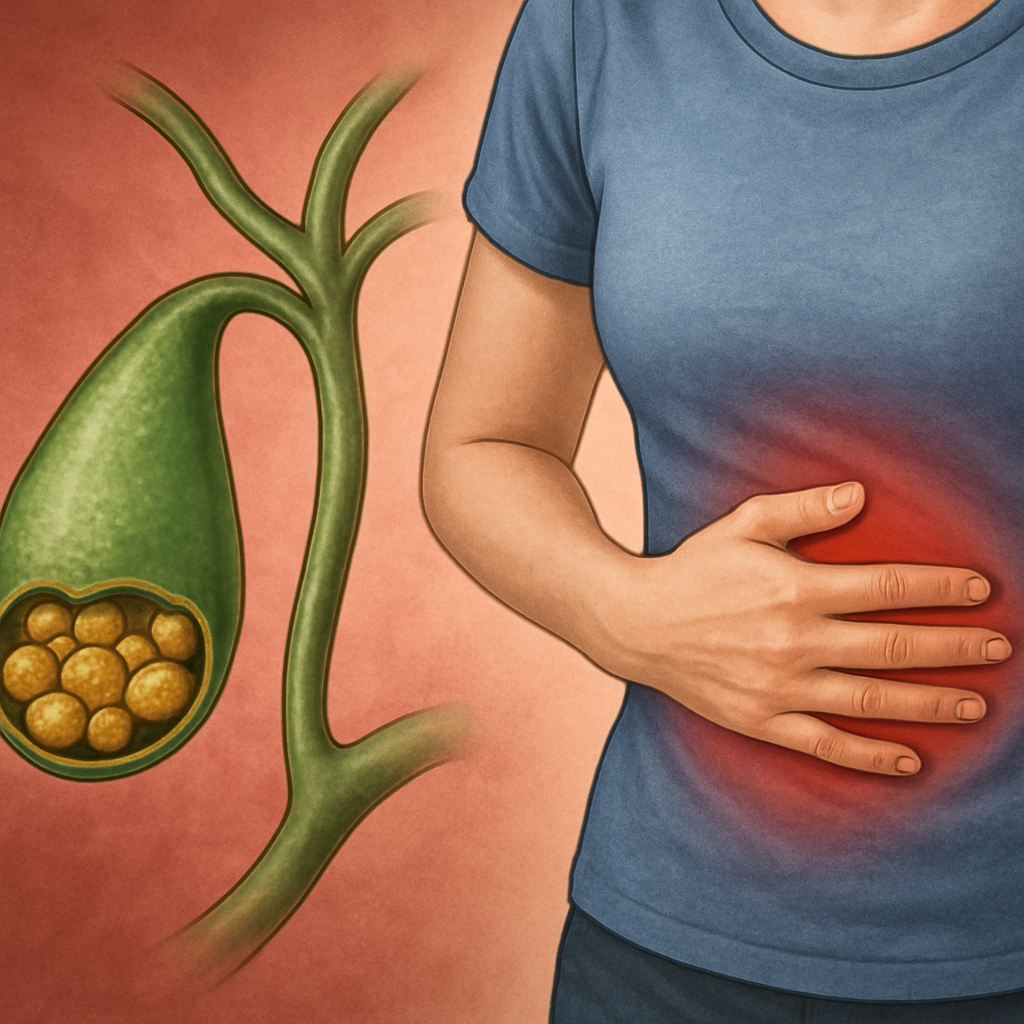
Nonoperative gallstone therapy is a viable option for select patients with cholesterol stones confined to the gallbladder and who want to avoid anesthesia or have meaningful surgical risk. In practice, the best candidates are small stones in patients who can commit to long-term therapy and careful monitoring. This approach is not universal, and candidacy hinges on stone characteristics and overall health.
- Stone type and size criteria: cholesterol stones, typically small (<5-10 mm) and solitary, respond best to dissolution therapy.
- Patient factors: high surgical risk due to age or comorbidities, pregnancy, or a strong preference to avoid an operation.
- Anatomy and expectations: no evidence of bile duct stones, no acute inflammation, and imaging suggests the gallbladder is still a functional reservoir.
In Dhaka, the decision often weighs local access to surgery against the burden of ongoing medication trials. If you’re considering this route, base your plan on stone biology and practicality. Consult with a hepatobiliary specialist first, and see a local overview of hepatobiliary disorders for context: Understanding Hepatobiliary Diseases: A Comprehensive Overview. For a general reference, mainstream summaries describe the same criteria and caveats at Mayo Clinic Gallstones overview.
A concrete example helps ground this. Consider a 62-year-old Dhaka resident with well-controlled diabetes and a single cholesterol stone measuring 6 mm, no biliary duct stones, and good gallbladder function. She prioritizes avoiding anesthesia and agrees to a trial of nonoperative therapy with ursodeoxycholic acid, coupled with scheduled ultrasounds to track dissolution and early detection of recurrence.
Dissolution therapy is not a universal solution. It is most effective when stones are small, cholesterol-based, and the patient has no complications. Pigment stones or stones associated with gallbladder inflammation do not respond well, and dissolving one stone does not prevent others from forming later. Realistic expectations matter: dissolution, if it occurs, unfolds over months, and stopping therapy often leads to recurrence.
Concrete Example: A patient in Dhaka begins ursodeoxycholic acid 250 mg twice daily and agrees to ultrasound monitoring every 6–12 months. Over 9–12 months, a small cholesterol stone shows signs of dissolution on imaging, but the patient remains at risk for recurrence if lifestyle or metabolic factors drive new stones to form.
In practice, adherence and regular monitoring are nonnegotiable. Missed doses slow dissolution, side effects like mild diarrhea can tempt discontinuation, and liver tests may be needed to ensure there is no improper bile acid response.
Takeaway: Nonoperative therapy can delay or spare gallbladder removal for the right patient, but you must have a clear escalation plan with your surgeon if symptoms persist or stone burden remains.
2. Medications for Stone Dissolution
Dissolution therapy with ursodeoxycholic acid is limited to a subset of patients with small cholesterol stones and a functioning gallbladder. In practice, candidates typically have stones under about 5–10 mm, no bile duct obstruction, and stones that are predominantly cholesterol rather than pigment. The medication is UDCA dosed at 8–10 mg/kg per day in divided doses, with adjustments based on tolerance and liver function tests. Treatment runs for months to years, and stones tend to dissolve slowly on serial ultrasounds while symptoms improve. Importantly, dissolution does not guarantee permanent clearance; stopping therapy commonly leads to recurrence and may necessitate eventual surgery. For context, see summaries from reputable sources, including Mayo Clinic and Merck Manual Mayo Clinic and Merck Manual.
- Dosing: Ursodeoxycholic acid (UDCA) is typically prescribed at 8–10 mg/kg/day, in divided doses, with adjustments for liver function and GI tolerance.
- Duration & Monitoring: Expect a sustained course of months to years; use serial ultrasound to confirm dissolution and periodic LFTs to detect adverse effects.
- Limitations & Contraindications: Not effective for pigment stones or calcified stones; not suitable with bile duct obstruction or ongoing biliary infection; there is a meaningful chance of stones returning after therapy ends.
Concrete Example: A 52-year-old patient in Dhaka with a single 5 mm cholesterol stone and no obstruction starts UDCA at 500 mg twice daily. After 12 months, ultrasound shows the stone has dissolved and symptoms have resolved. When the patient stops therapy due to cost, a small stone recurs about 14 months later, leading to renewed discussion about surgical options with the team.
A practical trade-off to consider is whether delaying surgery is worth the cost, adherence burden, and risk of recurrence. In busy clinics across Dhaka, monthly follow-ups and repeated imaging can be challenging, so UDCA may buy time for patients with mild symptoms and clear stone characteristics. But if dissolution stalls, is incomplete, or stones recur, surgery remains the definitive treatment and is often the safer, more predictable path in the long run.
In Dhaka, decide promptly with your surgeon about the fit for nonoperative therapy, ensure access to ultrasound surveillance, and prepare for possible laparoscopic cholecystectomy if needed. The next step is a focused consultation with Dr Arefin to confirm whether medical dissolution is appropriate for you.
3. When Surgery Is the Clear Choice
When symptoms or complications point to surgery, the path forward is clear: surgical removal of the gallbladder (cholecystectomy) offers definitive relief for symptomatic gallstones. In Dhaka, that means moving beyond trial-and-error medical therapy when stones are causing ongoing pain or dangerous complications. For a practical framework, see trusted references on gallstone disease and consult with a specialist who understands local hospital pathways and costs, such as the team led by Dr Arefin at Popular Medical College Hospital. For broader context, you can review an overview of hepatobiliary disease linked in this guide.
Surgical indications and approach
- Symptomatic biliary colic with imaging-proven stones that disrupt daily life and where pain relief is not achieved with medical therapy alone.
- Acute cholecystitis with gallbladder wall inflammation and clinical signs of infection.
- Gallstone pancreatitis or biliary obstruction requiring definitive management.
- Gallbladder disease with stones not expected to respond to dissolution therapy due to stone size, composition, or recurrence risk.
- Suspicion of bile duct stones requiring definitive clearance or staged endoscopic therapy before removal.
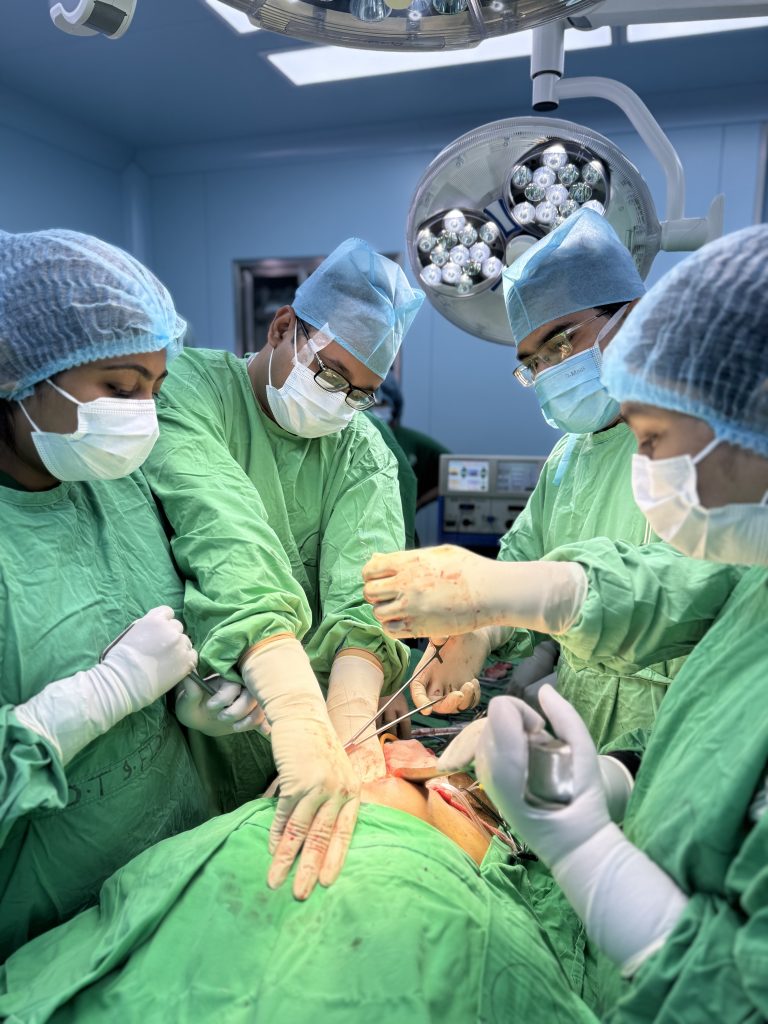
At Popular Medical College Hospital, the preferred method is laparoscopic cholecystectomy. It offers small incisions, less pain, and a rapid return to normal activity. In most cases, patients go home within 24 hours and resume ordinary life within a week, depending on intraoperative findings and your recovery plan.
Not all cases fit a textbook path. Complex inflammation, prior abdominal surgery, or unusual gallbladder anatomy can necessitate an open approach or careful intraoperative decisions to protect bile ducts. In experienced hands, conversion to open surgery remains uncommon, and the goal stays the same: remove the diseased organ safely and minimize risk to the bile ducts.
Concrete example: In Dhaka, a 52-year-old patient with recurrent biliary pain and ultrasound-confirmed stones underwent a laparoscopic cholecystectomy under Dr Arefin. The operation proceeded without complication, she was discharged within 24 hours, and she returned to full duties within two weeks with minimal soreness. This illustrates how a straightforward case is handled efficiently in a local setting.
Takeaway: If your imaging and symptoms point to a clear surgical indication, plan a laparoscopic cholecystectomy with Dr Arefin at Popular Medical College Hospital. Align anesthesia planning, discuss any comorbidities up front, and come prepared to discuss recovery timelines and postoperative support in Dhaka.
4. The Diagnostic Pathway: From Imaging to Decision
The diagnostic pathway for gallstones starts with disciplined imaging and ends with a treatment decision. In Dhaka, ultrasound is the gatekeeper: it identifies stones, gauges gallbladder status, and flags ductal disease. Those findings, interpreted in the context of a patient’s symptoms and comorbidities, drive the next step and are reviewed with Dr Arefin at Popular Medical College Hospital. For a foundational overview of hepatobiliary disease concepts that inform this approach, see Understanding Hepatobiliary Diseases: A Comprehensive Overview.
Testing proceeds along a few clear pathways. If ultrasound shows a small stone with a noninflamed gallbladder, nonoperative management may be considered in carefully selected patients under supervision. If there are signs of inflammation or obstruction, the plan shifts toward surgery or more advanced imaging to map the ducts.
- Ultrasound as the gatekeeper: stone burden, gallbladder wall thickness, pericholecystic fluid, and bile duct dilation guide the next step.
- Functional imaging when needed: a HIDA scan assesses gallbladder function when ultrasound findings are equivocal or symptoms persist without clear inflammation.
- CBD evaluation when indicated: MRCP or endoscopic evaluation is considered if labs or symptoms raise concern for stones in the common bile duct.
Laboratory tests complement imaging. Liver enzymes and bilirubin patterns help distinguish obstruction from inflammation, while amylase or lipase flags pancreatitis. In an acute presentation with fever, leukocytosis, or marked right upper-quadrant pain, the pathway leans toward surgical management; if labs are stable and imaging shows limited disease, nonoperative options may stay on the table under close follow-up.
Important: The decision hinges on a synthesis of findings, not a single test. A hepatobiliary surgeon’s review ensures the plan aligns with stone type, anatomy, and local resource realities.
In practice at Popular Medical College Hospital, the diagnostic conversation is anchored in a clear appointment flow: confirm imaging, review labs, discuss symptoms, and map out the plan with Dr Arefin. Preoperative evaluation, anesthesia planning, and a realistic recovery timeline are reviewed upfront to avoid surprises.
Takeaway: Start with ultrasound, layer in targeted labs and functional imaging as needed, and involve Dr Arefin early to align on stone type, symptoms, and a locally feasible treatment plan.
5. What to Expect at Popular Medical College Hospital
At Popular Medical College Hospital in Dhaka, the preoperative pathway for gallstone surgery is designed to minimize delays and maximize safety. You will meet a dedicated surgical team that reviews medical history, medications, and imaging in a focused visit, then lays out what to expect from anesthesia, the laparoscopic approach, and recovery.
Before any operation, expect targeted tests and a nutrition and medication review. Typical orders include a basic blood panel, liver function tests, coagulation profile, and a recent ultrasound report. If you have diabetes or heart disease, your team will coordinate with your primary doctor to optimize control and adjust medications like anticoagulants or insulin. In Dhaka, waiting times can vary; plan ahead to complete clearance in 1-2 weeks to avoid schedule shocks. For a patient-friendly primer on hepatobiliary topics, see our overview Understanding Hepatobiliary Diseases.
General anesthesia is standard for laparoscopic gallbladder removal. The team prioritizes airway assessment, fluid management, and pain control strategies that enable rapid recovery. Expect a short fasting period, and for many patients a quick recovery from anesthesia with antiemetic plans to limit nausea.
Under Dr Arefin, the laparoscopic route uses three small incisions to detach the gallbladder. In rare cases anatomy is tricky or a bile duct stone is suspected, in which case the surgeon may convert to an open approach to protect the bile ducts. This flexibility reduces risk and preserves safety.
Uncomplicated cases often go home within 24 hours; some stay overnight. Example: a 45-year-old with no major comorbidities underwent a routine laparoscopic cholecystectomy and was discharged the next day, resuming light duties within a week. Recovery to full activity typically occurs in 1-2 weeks; people with physically demanding jobs may need a bit longer.
Postoperative care emphasizes wound care, gradual activity progression, and a clear follow-up schedule. Pain is managed with multimodal strategies to limit opioid use, and most patients can plan a return to normal activities within a fortnight depending on individual healing.
Cost considerations in Dhaka hinge on hospital stay duration, anesthesia, surgeon fees, and facility charges. PMCH offers upfront counseling and support to families; discuss insurance coverage, any government schemes, and the logistics of postoperative support to minimize travel strain. This approach is consistent with guidance from major sources like Mayo Clinic and NHS.
Takeaway: Prepare for a streamlined, surgeon-guided pathway at PMCH, with preop clearance in advance, a clear plan for anesthesia and recovery, and transparent discussion about costs and follow-up.
6. Practical Guidance for Dhaka Patients
In Dhaka, the practical path starts with a single, coordinated appointment flow at Popular Medical College Hospital, led by Dr Arefin, that ties diagnosis to a timely treatment decision.
Appointment flow at Popular Medical College Hospital
- Step 1: Schedule the initial consult with Dr Arefin and bring all prior imaging, ultrasound reports, and labs you’ve completed.
- Step 2: On arrival, a focused pre-consult evaluation confirms symptoms and reviews imaging; if needed, additional tests are arranged on-site.
- Step 3: During the consult, the team clarifies options and decides if nonoperative therapy is appropriate based on stone type, size, and your health.
- Step 4: If nonoperative therapy is chosen, start ursodeoxycholic acid with a clear dosing plan, and schedule monthly imaging and follow-ups.
- Step 5: If surgery is chosen, complete preoperative evaluation and anesthesia clearance, then schedule laparoscopic cholecystectomy with transparent cost planning.
- Step 6: Postoperative plan includes wound care, activity guidance, dietary notes, and routine follow-up to monitor recovery.
Costs and timelines in Dhaka vary with test bundles and anesthesia needs. Request an itemized estimate covering consultation, imaging, anesthesia, hospital stay, and the surgeon’s fees; expect 1–3 weeks from consult to surgery if indicated, though urgent cases can move faster. For medical therapy, plan regular follow-ups and imaging over several months to gauge response.
Example: A patient from Mohammadpur with a few 6–7 mm cholesterol stones meets Dr Arefin and, after review, starts ursodeoxycholic acid with a 3‑month follow-up plan. When there is no dissolution and symptoms persist, the team arranges laparoscopic cholecystectomy with minimal delay, leveraging PMCH’s integrated preop workflow.
Trade-off: Medical dissolution works only for select stone types and sizes and carries a risk of recurrence, while surgery offers durable relief but requires anesthesia, a short hospital stay, and upfront costs. In Dhaka, the decision often hinges on cost, operating room availability, and the patient’s tolerance for ongoing monitoring.
Takeaway: In Dhaka, your best path is a predefined, hospital-led plan that surfaces the right option at the right time while keeping costs and recovery realistic.
7. Long-Term Outlook and Lifestyle
Your long-term outlook with gallstone management hinges on the path you choose today. If you pursue nonoperative gallstones treatment options, you gain temporary relief but carry recurrence risk and possible progression that eventually pushes you toward surgery. If you have the gallbladder removed, most people enjoy durable symptom relief, but the road isn't zero-risk, and some patients still need monitoring for bile duct issues or digestive changes.
After laparoscopic cholecystectomy at Popular Medical College Hospital under Dr Arefin, most patients recover quickly, yet you should expect a period of dietary adjustment as your bile flow adapts to the absence of the reservoir. Some people notice looser stools or fat intolerance temporarily, which usually improves over weeks.
- Maintain a healthy weight gradually and avoid rapid weight loss, which can destabilize bile chemistry and trigger new stones.
- Adopt a diet low in saturated fats and refined carbohydrates and high in fiber to support digestion and overall metabolic health.
- Stay active with regular exercise; aim for about 150 minutes per week and gentle strength work to preserve muscle mass during recovery.
- Monitor symptoms and seek evaluation promptly if recurrent biliary pain, jaundice, or unusual digestion returns after treatment.
Example use case: A 52-year-old Dhaka resident with cholesterol stones chose cholecystectomy after repeated biliary attacks. Within two weeks he was back at work and, by six weeks, reported stable digestion and no further episodes, gradually reintroducing a balanced diet with modest fat portions.
Even after surgery the long-term plan stays in your hands. Some patients experience mild digestive changes or temporary stool looseness, but these usually improve as the body adapts. For nonoperative paths, ongoing monitoring is essential because recurrence can occur and may require a future intervention.
A practical, Dhaka-focused outlook means aligning with Dr Arefin on a tailored follow-up schedule, prompt access to imaging if symptoms recur, and a locally feasible diet and activity plan. To explore the local care pathway, see Understanding Hepatobiliary Diseases: A Comprehensive Overview.
Take the next step by working with your surgeon to map a long-term plan that fits your stone type, treatment path, and the realities of care in Dhaka.
Related Articles

Surgical Baseline Assessment at Entry to Training
Surgical Baseline Assessment at Entry to HPB Training in Dhaka Most trainees assume the entry test exists to reject them, […]
Read More
Hepatobiliary Surgery for Liver, Bile Duct and Pancreas Disease
Hepatobiliary Surgery for Liver, Bile Duct and Pancreas Disease Hepatobiliary surgery treats the liver, the bile ducts and the pancreas […]
Read More
Hepatobiliary Pancreatic Surgery for Complex Abdominal Disease
Hepatobiliary Surgeon Dhaka: Liver, Bile Duct and Pancreas Care Choosing a surgeon for the liver, bile ducts or pancreas is […]
Read More