Preparation for upper GI surgery recovery can feel daunting, but clear steps make a real difference. This hospital-specific guide for patients at Popular Medical College Hospital, led by Dr Murshidul Arefin, maps a practical path from preoperative optimization and nutrition to day-of-surgery logistics. You’ll find realistic milestones for the first days and weeks after surgery, plus local contacts and checklists tailored for families in Dhaka.
1) Preoperative Consultation and Personalized Plan at Popular Medical College Hospital
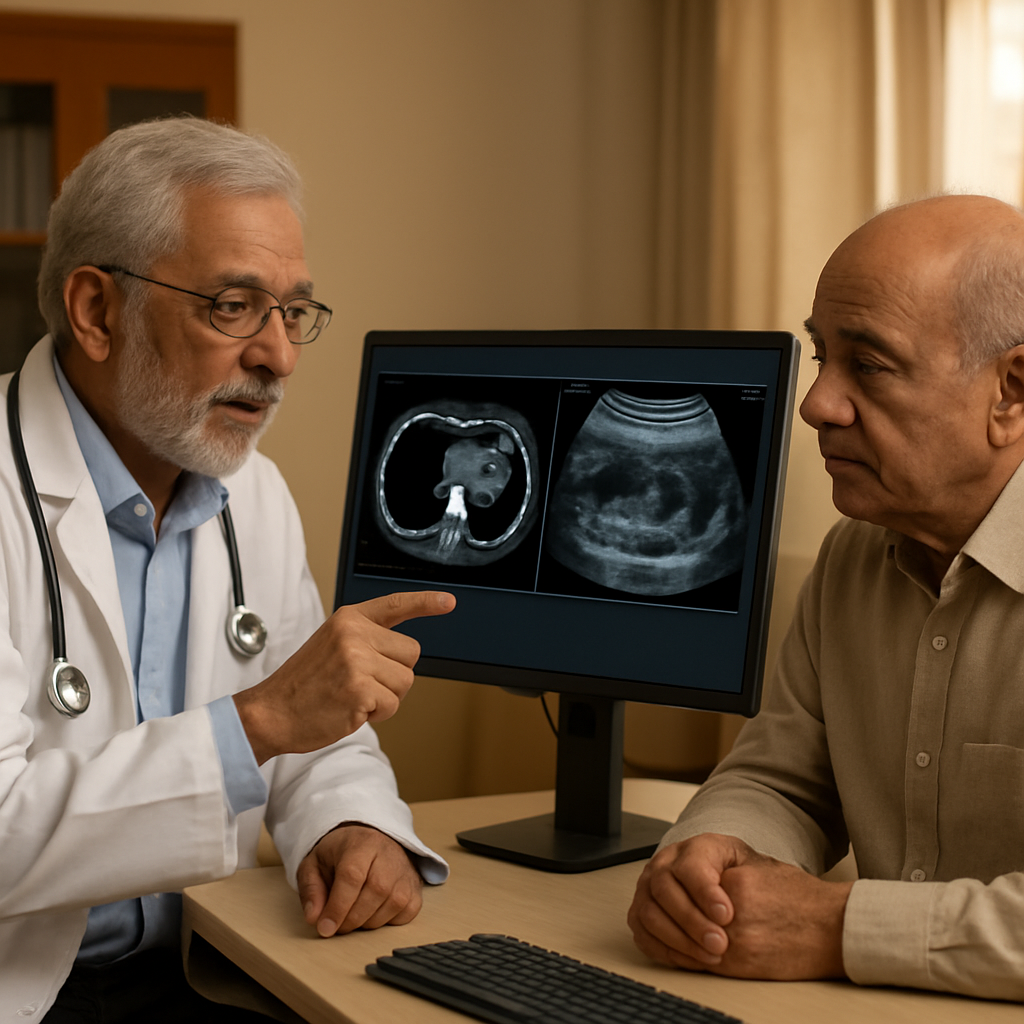
The preoperative consultation is where your plan is built, not a formality. At Popular Medical College Hospital, you meet Dr Murshidul Arefin to translate your liver, gallbladder, or pancreatic concerns into a concrete, hospital-pathway plan that guides every step from testing to recovery.
This first meeting centers on turning symptoms and imaging into a personalized plan that fits the hospital's pathways and your overall health. You’ll discuss risks, expected recovery timelines, and the GI recovery framework the team uses, which aligns with ERAS principles that help shorten length of stay and speed healing. See external reference: Mayo Clinic gallbladder surgery overview.
- Schedule through the hospital’s patient desk or portal and bring a complete medical history, current medications, and known allergies
- Provide all relevant imaging and reports and be ready to summarize your symptoms, prior surgeries, and goals
- Ask about the specific steps in the preoperative plan, including risk assessment, anesthesia options, and the expected recovery trajectory
Concrete example: A 62-year-old Dhaka resident with gallstones and a fatty liver meets Dr. Arefin for the first time. The consult yields a written plan: preoperative labs within 7–10 days, a nutrition assessment, a brief smoking cessation plan if applicable, and a stepwise postoperative diet and activity schedule. The patient leaves with appointment dates for imaging and labs and a clear, hospital-specific overview of what happens next. For a real-world Dhaka-based example, see Recovery after gallbladder surgery in Dhaka day-by-day guide.
A practical trade-off here: you may not get every test completed on the same day, and the surgeon may stagger studies to avoid unnecessary delays. The goal is to balance thorough risk assessment with realistic timelines so you’re not delaying surgery unnecessarily, while still ensuring you have the right data to optimize GI healing.
Next step: schedule your preoperative consultation so you can start the hospital-specific optimization plan without delay.
2) Medical Optimization for Upper GI Surgery
Medical optimization before upper GI surgery is not optional—it's the bedrock of a safer, faster recovery. Your liver, pancreas, or gallbladder condition interacts with anesthesia and the stress of surgery; getting chronic conditions under solid control reduces infections and shortens hospital stay. At Popular Medical College Hospital, the preop path prioritizes nutrition, glycemic control, and cardiovascular stability to support the planned procedure with Dr Murshidul Arefin.
Chronic conditions like diabetes and hypertension influence infection risk, wound healing, and fluid balance during recovery. The team will tailor a preop plan: adjust diabetes medications to prevent wide blood sugar swings, optimize blood pressure, and review kidney function if additional imaging or contrast is planned. The exact changes depend on your current regimen and the intended upper GI procedure; never modify meds without medical guidance.
- Smoking cessation and alcohol guidance: Quit smoking at least 4 weeks prior; this significantly improves healing and reduces pulmonary complications. Dhaka-based patients benefit from hospital-supported programs that fit local schedules and resources.
- Nutrition status and weight management: A nutrition assessment screens for malnutrition risk; prioritize protein intake and hydration. In many cases, modest weight stabilization improves surgical outcomes without delaying necessary surgery.
- Glycemic control for diabetics: Aim for stable glucose levels and avoid hypoglycemia; plan with the endocrinology service to adjust meds ahead of surgery to balance safety and healing.
Nutrition, hydration, and prehabilitation are central. A hospital dietitian can design a plan that emphasizes protein-rich meals and adequate fluids in the weeks before surgery. Gentle prehabilitation—short walks or light resistance work, as tolerated—improves abdominal wall strength and lung function, which matters for digestive surgery. For liver or pancreatic involvement, the plan accounts for fat absorption and vitamin status to support overall digestive health.
Example: a 62-year-old patient with type 2 diabetes and nonalcoholic fatty liver disease works with the team four weeks before surgery. They adjust insulin, start a protein-focused nutrition plan, and implement a smoking-cessation program. By the time of surgery, glucose is steadier, nutritional status is more favorable, and liver function markers are improved, contributing to smoother recovery.
3) Medication, Supplements, and Safety Preparations
Medication safety before upper GI surgery is a non-negotiable foundation for GI surgery recovery. In Dhaka's Popular Medical College Hospital, Dr Murshidul Arefin’s team coordinates a hospital-specific plan that harmonizes anesthesia safety with your cardiovascular and metabolic needs.
The goal is to balance bleeding risk with the risk of stopping essential medicines. You will review all meds with the surgical team, and the plan may change based on your conditions and the specific procedure.
Concrete steps for medication safety before surgery
The following steps are practical safeguards you should expect to be addressed in your preoperative planning. Discrepancies between what you take at home and what’s allowed in the hospital are a leading cause of delays or complications if not resolved in advance. For context on postoperative expectations, see Recovery after gallbladder surgery in Dhaka.
- Pause or adjust anticoagulants and antiplatelets: Warfarin is typically stopped several days before surgery with INR checked pre-op; DOACs paused 24–48 hours before, depending on kidney function and the procedure; in high-thrombotic-risk patients, bridging with low-molecular-weight heparin is considered under specialist guidance.
- Disclose all supplements and OTCs: Herbal products like ginkgo, garlic, ginseng, St. John’s wort, and high-dose vitamin E can increase bleeding; fish oil and turmeric may affect bleeding and liver metabolism. Bring a complete list to the preoperative check so the team can decide what to stop and what to substitute. For context, see Recovery after gallbladder surgery in Dhaka.
- Antibiotic prophylaxis and infection prevention: You’ll receive a preoperative antibiotic dose timed to the incision; adherence reduces infection risk substantially. If you have allergies or prior infections, the team will adjust. This is standard across GI procedures and is a key safety step. See Mayo Clinic guidelines for context.
- Diabetes and glycemic management: If you take insulin or metformin, your doses may be altered before surgery to prevent hypo- or hyperglycemia. The aim is tighter glucose control in the perioperative period to reduce infection and healing delays.
- Pain control and NSAID strategy: Some NSAIDs raise bleeding risk; the plan may shift to acetaminophen and short-acting opioids postoperatively. Discuss perioperative analgesia with anesthesia to avoid delays in discharge.
- Practical readiness: Bring updated med list with doses and last taken times to preop visit; include any supplements, vitamins, or herbs. Also note any prior reactions to anesthesia or antibiotics.
Concrete Example: Ms. Rahima, a 65-year-old with atrial fibrillation on warfarin, is scheduled for gallbladder removal. Her plan involves stopping warfarin five days pre-op with INR rechecked, and bridging with LMWH considered if thrombotic risk is high. On the day of surgery, LMWH is withheld and warfarin is resumed postoperatively once bleeding risk is acceptable; cardiology involvement ensures continuous anticoagulation coverage without gaps.
Takeaway: finalize a hospital-specific medication plan with Dr Murshidul Arefin and bring your complete med list and supplement details to the preoperative evaluation so nothing slips through the cracks.
4) Nutrition, Hydration, and Prehabilitation
Nutrition and hydration are not afterthoughts for upper GI surgery recovery; they are keystones. A hospital-focused prehabilitation plan strengthens GI tract healing, reduces complications, and supports faster mobilization. At Popular Medical College Hospital, you’ll be guided by the surgeon and a hospital dietitian to optimize protein, fluids, and light activity weeks before your operation. These steps align with established recovery after GI surgery principles Recovery after GI surgery.
Protein targets matter. In generally healthy patients, aim for about 1.2–1.5 g of protein per kilogram of body weight per day. For a 68 kg person, that’s roughly 82–102 g of protein daily. Hydration should be around 30–35 ml per kilogram per day, adjusted for kidney function, edema, or heart failure.
- Work with the hospital dietitian to build a personalized plan that fits your liver or pancreatic condition and your daily routine.
- Prioritize protein at every meal (eggs, dairy, lean poultry, legumes, or protein shakes) to support wound healing and immune function.
- Hydration as a daily habit; sip water regularly and increase intake with meals to meet the daily target.
- Incorporate light prehabilitation: short walks, diaphragmatic breathing, and gentle resistance moves several times a week.
- Adapt for digestive conditions: if fat digestion is an issue, use easily absorbed proteins and consider supplements recommended by the team.
Concrete example: a 60-year-old Dhaka patient with gallstones and mild fatty liver began a week before surgery with a plan to reach 1.3 g/kg/day protein and 2.5 L fluids daily. They split protein across five meals, added a 20 g protein shake, and walked 20–25 minutes most days. This small shift kept energy steadier and improved appetite that week.
Practical trade-off: for patients with poor appetite or nausea, you may rely more on liquid protein supplements and smaller, more frequent meals. This is not a failure of preparation; it’s a pragmatic adjustment to keep protein intake consistent without triggering fullness that stifles intake.
Key constraint: start these changes as soon as you can; every extra week of optimized nutrition and activity compounds recovery after GI surgery.
Next considerations: confirm the plan with Dr Murshidul Arefin and the hospital dietitian, adjust for any kidney or liver function changes, and schedule a follow-up with nutrition and physical therapy before your operation.
5) Preoperative Testing, Fasting, and Logistics
Preoperative testing at Popular Medical College Hospital is a coordinated process designed to clear you for anesthesia and map any organ-specific risks before your upper GI procedure. Dr Murshidul Arefin's team schedules the core labs, imaging, and anesthesia evaluation well in advance so you know what to expect on day zero. The typical suite includes CBC, CMP, coagulation studies (PT/INR, aPTT), liver and kidney panels, and glucose if you have diabetes; abdominal ultrasound to confirm anatomy; an ECG for patients with cardiac risk, and chest imaging if indicated. Tests are conducted in PMCH’s own labs and imaging department, with results reviewed by the surgeon and the anesthesia team. The aim is to identify issues early and avoid last-minute cancellations. If you already have recent test results, bring copies to the preoperative desk so they can be integrated into your plan. This coordination mirrors ERAS-style pathways described by major centers Mayo Clinic.
Fasting and NPO instructions come from anesthesia. In practice, plan to stop solid foods 6 to 8 hours before the scheduled procedure and limit clear liquids to about 2 hours prior to induction. Do not smoke or chew gum on the day before. If you have diabetes or other chronic conditions, bring an up-to-date medication list and a plan for perioperative adjustments as advised by your team. Some tests require fasting samples, others do not; your preop coordinator will confirm the exact timing. Plan to arrive with enough buffer to complete check-in and labs without rushing, because delays push the entire schedule back.
Logistics matter more than most patients expect. Arrange transportation for test days and the day of surgery, and line up a second person to assist with discharge planning and post-op care if you live alone in Dhaka. Pack light clothing, your PMCH patient ID, copies of imaging and test results, and a current medications list and allergy notes. If you anticipate an overnight stay or home support, discuss arrangements with the hospital social work team. Book the pre-admission call early and confirm testing times the day before to prevent day-of delays caused by missing results or late check-ins.
- Government-issued ID and PMCH patient card
- Current medication list and supplements
- Prior imaging reports or discs
- Emergency contact details
- Comfortable clothing and slip-on shoes
- Printed instructions from the surgeon or hospital
Takeaway: Proactive coordination with PMCH preoperative services is the difference between a smooth GI surgery recovery and delays caused by miscommunication. Lock in test times, fasting windows, and transport early to set the stage for a safe, steady recovery after upper GI surgery.
6) Day of Surgery and Immediate Postoperative Recovery
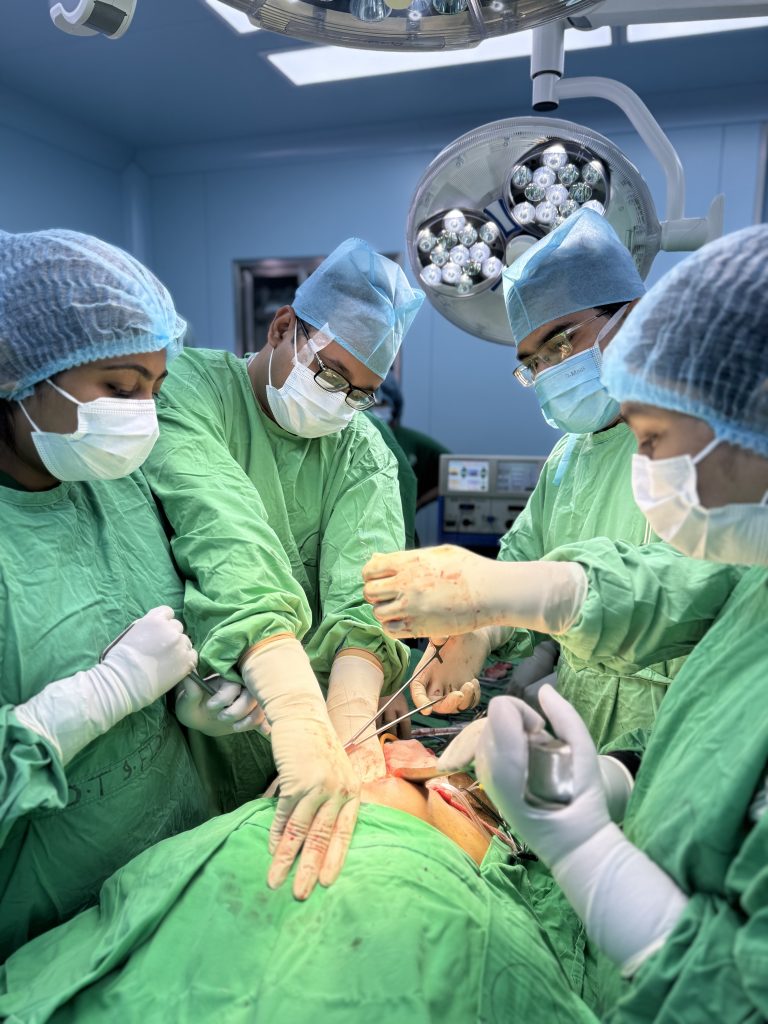
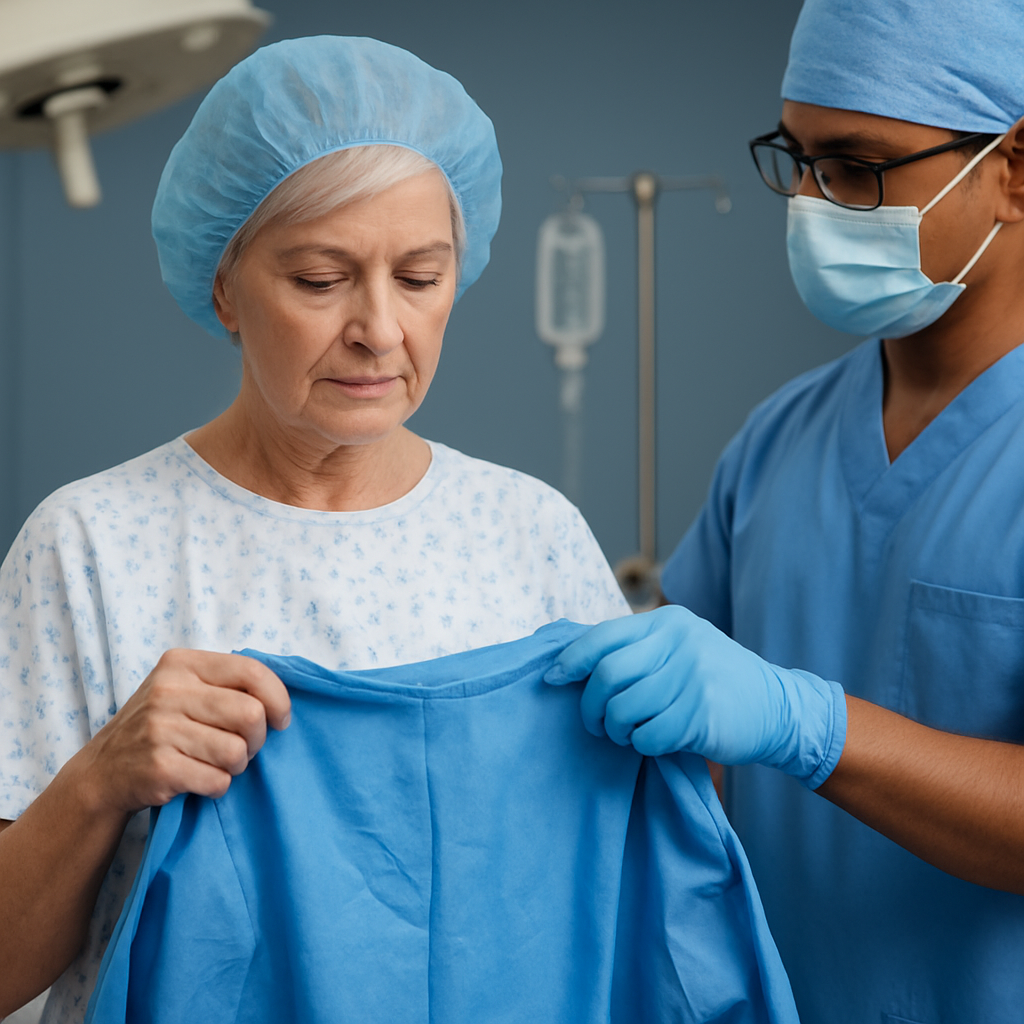
Day-of-surgery logistics are not negotiable. The process is a tightly choreographed sequence designed to maximize safety, comfort, and rapid recovery for your upper GI procedure at Popular Medical College Hospital. Arrive with a trusted support person if possible, bring a current med list, and confirm any chronic conditions and allergies with the team so anesthesia can tailor the plan.
A realistic day-of-surgery flow
You’ll go through a final verification of identity, procedure, and consent, followed by IV access and last-minute medication checks. Prophylactic antibiotics are given within the recommended window, and NPO guidelines are enforced to reduce aspiration risk. Expect a calm handoff from the pre-op team to the anesthesia service, with clear expectations about what happens in the operating room and immediately after.
- Anesthesia plan and consent: The team reviews airway strategy and a multimodal pain plan before anesthesia begins, with options that minimize opioid use when possible.
- Intraoperative course: Most upper GI cases here are performed laparoscopically; if a conversion to open surgery is necessary, the surgeon explains the reason and the impact on recovery up front.
- Post-anesthesia care: After the procedure you move to the PACU for continuous monitoring—breathing, circulation, pain, and nausea are prioritized, with early breathing exercises and careful fluid balance.
- Early mobilization and nutrition plan: Mobilization starts as soon as safely feasible, and the team guides you on when to sip fluids and how quickly to advance to solids based on your GI function.
In the immediate hours after surgery, expect a coordinated plan: pain control with multimodal analgesia (combining non-opioid meds with comfort-focused strategies), antiemetics to curb nausea, and assistance for safe movement. If you have drains or a catheter, the team will monitor output and adjust as needed. Your diet will be advanced only as your gag reflex and bowel function permit, with clear guidance from the care team as you transition from liquids to soft foods.
Postoperative monitoring and discharge criteria hinge on practical milestones. You should maintain stable vitals, have pain controlled with oral meds, tolerate PO intake, and mobilize with minimal assistance. Length of stay varies by procedure and health status, but uncomplicated laparoscopic GI cases often progress toward discharge within 24–72 hours if these benchmarks are met.
Concrete example: A 62-year-old patient undergoes a laparoscopic upper GI procedure with a multimodal analgesia plan and a short inpatient stay. In the PACU, they receive a regional block, begin sips of water once gag reflex returns, and ambulate with assistance before noon. By the next day, they tolerate a light diet and are considered for discharge once pain is controlled, intake is adequate, and they can perform basic activities of daily living with minimal help. For more local guidance, see Recovery after gallbladder surgery in Dhaka day-by-day guide by Dr Murshidul Arefin.
Takeaway: Get a clear, written understanding of the discharge criteria before you go into the procedure, and confirm who to contact if any warning signs arise in the first 48 hours after surgery.
7) Postoperative Recovery Roadmap and Returning to Daily Life
Postoperative recovery after upper GI surgery is a guided process, not a mystery. At Popular Medical College Hospital, the roadmap is patient-centered and built into your discharge planning, pain control, and nutrition strategy. The goal is steady, safe healing with clear milestones so you know what to expect each day. Adherence to the plan reduces complications and speeds return to daily life.
Day-by-day milestones
- Day 0–1: pain is controlled with a plan you can follow at home, IV fluids or early oral sips as tolerated, and short walks around the ward.
- Day 2–3: begin advancing to regular fluids and soft proteins; maintain hydration and monitor for nausea or abdominal discomfort.
- Day 4–7: transition to a soft diet with adequate protein and fiber; increase activity to 15–30 minutes of walking per day, if tolerated.
- Week 2: most patients resume light activities and return to non-strenuous work, pending surgeon approval and absence of warning symptoms.
Diet progression is a core part of healing. Expect clear liquids advancing to soft proteins and then gentle fiber as your GI tract wakes up. Your care team will provide a custom plan, and you can reference a day-by-day guide for Dhaka-based patients: Recovery after gallbladder surgery in Dhaka day-by-day guide by Dr Murshidul Arefin.
Activity and wound care are not afterthoughts. Early mobilization reduces the risk of blood clots and pneumonia; short walks, light stretching, and respiratory exercises are encouraged as soon as you’re able. If you had a laparoscopic procedure, healing is faster, but the rule remains: listen to your body, respect pain limits, and avoid heavy lifting for several weeks. Expect a slow, steady pace rather than rapid return to full duty.
Warning signs require prompt attention. Call your surgeon if you develop fever, increasing wound redness or drainage, persistent vomiting, severe abdominal pain, or inability to keep fluids down. These symptoms can signal infection or dehydration and may necessitate earlier follow-up.
Follow-up care is a critical bridge to long-term success. You should have scheduled postoperative visits at Popular Medical College Hospital, with labs or imaging as indicated to monitor healing and organ function. If you’re in Dhaka, your care team can coordinate tests at the hospital and interpret results in the context of your GI healing.
Example scenario: A 58-year-old patient undergoes a laparoscopic upper GI procedure. By day three, they’re tolerating light meals and walking 15–20 minutes daily. By week two, they’re back to most activities with a gradual return to light work and no new symptoms. This trajectory depends on pain control, nutrition, and adherence to activity guidelines.
A practical trade-off many patients encounter is balancing rapid activity with safe healing. ERAS-inspired pathways push for earlier diet and mobilization, but too-early surgery recovery can trigger nausea, fatigue, or wound discomfort. The plan should be individualized, with adjustments for liver or pancreatic conditions that alter digestion and energy needs.
Takeaway: The pace of recovery is defined by a clear, hospital-specific postoperative plan and disciplined follow-up; use it as a compass for the weeks after surgery.
Related Articles
Caught in Time: A Patient’s Journey Through Pancreatic Cancer Diagnosis and Surgery in Dhaka
Caught in Time: A Patient’s Journey Through Pancreatic Cancer Diagnosis and Surgery in Dhaka In Dhaka's busy hospitals, a patient's […]
Read More
Surgical Baseline Assessment at Entry to Training
Surgical Baseline Assessment at Entry to HPB Training in Dhaka Most trainees assume the entry test exists to reject them, […]
Read More
Hepatobiliary Surgery for Liver, Bile Duct and Pancreas Disease
Hepatobiliary Surgery for Liver, Bile Duct and Pancreas Disease Hepatobiliary surgery treats the liver, the bile ducts and the pancreas […]
Read More