Mechanisms and Techniques of Laparoscopic Surgery
Laparoscopic surgery, often dubbed keyhole surgery, has transformed the surgical landscape. With up to 80% fewer complications compared to traditional open surgery, it’s no wonder surgeons are trading in their scalpels for tiny cameras and instruments.
The Core Mechanism
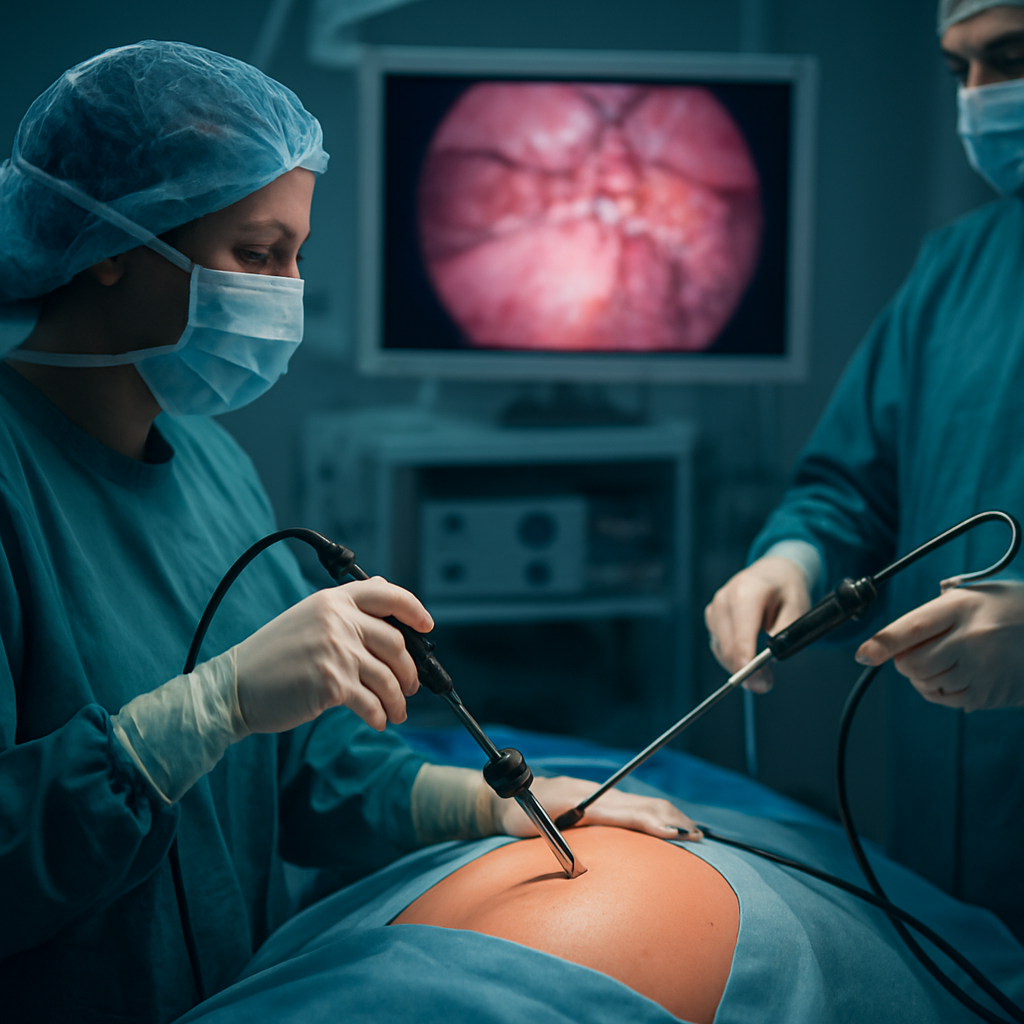
At its heart, laparoscopic surgery employs a few nifty tools: a laparoscope (a thin tube with a camera), carbon dioxide gas to inflate the abdomen, and specialized instruments that allow surgeons to maneuver through small incisions. This setup not only minimizes trauma but also enhances visibility—think of it as switching from a flashlight to high-definition night vision.
Techniques That Make It Work
Surgeons utilize various techniques in laparoscopic procedures. One popular method is the 4-port technique. This involves making four small incisions in the abdomen where the instruments are inserted. Each port serves a purpose: one for the camera, others for tools like graspers or scissors. It’s like assembling a team of superheroes—each with its own specialty—to tackle the problem at hand.
- Trocar insertion: This is how the ports are created, allowing access without large cuts.
- Veress needle technique: Used to introduce gas into the abdomen safely.
- Fundoplication: A common procedure that wraps part of the stomach around the esophagus to treat GERD.
Laparoscopic surgeries can reduce recovery time by up to 50% compared to traditional methods!
Natural Orifice Transluminal Endoscopic Surgery (NOTES)
For those looking for an even less invasive option, there’s NOTES. This technique takes advantage of natural body openings—like your mouth or anus—to perform surgeries without any external incisions. Imagine performing an operation through your belly button; it’s as sci-fi as it sounds!
As we embrace these advanced techniques in laparoscopic surgery, it's crucial for patients to understand what goes on behind those tiny incisions. Whether it's through conventional ports or innovative approaches like NOTES, these methods reflect a significant leap towards safer and more efficient surgical outcomes.
Laparoscopic surgery, often dubbed keyhole surgery, has transformed the surgical landscape. With up to 80% fewer complications compared to traditional open surgery, it’s no wonder surgeons are trading in their scalpels for tiny cameras and instruments.
The Core Mechanism
At its heart, laparoscopic surgery employs a few nifty tools: a laparoscope (a thin tube with a camera), carbon dioxide gas to inflate the abdomen, and specialized instruments that allow surgeons to maneuver through small incisions. This setup not only minimizes trauma but also enhances visibility—think of it as switching from a flashlight to high-definition night vision.
Techniques That Make It Work
Surgeons utilize various techniques in laparoscopic procedures. One popular method is the 4-port technique. This involves making four small incisions in the abdomen where the instruments are inserted. Each port serves a purpose: one for the camera, others for tools like graspers or scissors. It’s like assembling a team of superheroes—each with its own specialty—to tackle the problem at hand.
- Trocar insertion: This is how the ports are created, allowing access without large cuts.
- Veress needle technique: Used to introduce gas into the abdomen safely.
- Fundoplication: A common procedure that wraps part of the stomach around the esophagus to treat GERD.
Laparoscopic surgeries can reduce recovery time by up to 50% compared to traditional methods!
Natural Orifice Transluminal Endoscopic Surgery (NOTES)
For those looking for an even less invasive option, there’s NOTES. This technique takes advantage of natural body openings—like your mouth or anus—to perform surgeries without any external incisions. Imagine performing an operation through your belly button; it’s as sci-fi as it sounds!
As we embrace these advanced techniques in laparoscopic surgery, it's crucial for patients to understand what goes on behind those tiny incisions. Whether it's through conventional ports or innovative approaches like NOTES, these methods reflect a significant leap towards safer and more efficient surgical outcomes.
Clinical Advantages of Laparoscopic Approaches
Did you know that laparoscopic surgery can cut your recovery time in half compared to traditional open surgery? That's right! This minimally invasive technique not only spares you from a long hospital stay but also gets you back to your daily routine quicker than you can say keyhole surgery.
Let’s be real: nobody enjoys the thought of being sliced open like a Thanksgiving turkey. Laparoscopic surgery offers a solution that’s less about the drama and more about efficiency. With just a few tiny incisions, surgeons can perform complex procedures with precision, reducing both pain and risk.
Reduced Post-Operative Pain
One of the standout benefits of laparoscopic surgery is the significantly reduced post-operative pain. Traditional surgeries often leave patients grappling with intense discomfort due to larger incisions. In contrast, laparoscopic methods utilize small ports, meaning less tissue damage and a much gentler healing process. Patients frequently report feeling remarkably better within days, instead of weeks.
Lower Risk of Complications
When it comes to surgical procedures, complications are the uninvited guests nobody wants at their party. Laparoscopic surgery shines here too. Studies show that it boasts up to an 80% lower complication rate compared to traditional methods. This includes reduced risks of infections and blood clots—two major concerns for any patient undergoing surgery.
Faster Return to Normal Activities
Time is money, they say, but it’s also your quality of life post-surgery! With laparoscopic approaches, many patients are back on their feet within days rather than weeks. This rapid recovery means fewer missed days at work and more time enjoying life—whether that's chasing after kids or getting back to your favorite hobbies.
Laparoscopic surgery can result in up to 50% less recovery time compared to traditional surgical methods!
Did you know that laparoscopic surgery can cut your recovery time in half compared to traditional open surgery? That's right! This minimally invasive technique not only spares you from a long hospital stay but also gets you back to your daily routine quicker than you can say keyhole surgery.
Let’s be real: nobody enjoys the thought of being sliced open like a Thanksgiving turkey. Laparoscopic surgery offers a solution that’s less about the drama and more about efficiency. With just a few tiny incisions, surgeons can perform complex procedures with precision, reducing both pain and risk.
Reduced Post-Operative Pain
One of the standout benefits of laparoscopic surgery is the significantly reduced post-operative pain. Traditional surgeries often leave patients grappling with intense discomfort due to larger incisions. In contrast, laparoscopic methods utilize small ports, meaning less tissue damage and a much gentler healing process. Patients frequently report feeling remarkably better within days, instead of weeks.
Lower Risk of Complications
When it comes to surgical procedures, complications are the uninvited guests nobody wants at their party. Laparoscopic surgery shines here too. Studies show that it boasts up to an 80% lower complication rate compared to traditional methods. This includes reduced risks of infections and blood clots—two major concerns for any patient undergoing surgery.
Faster Return to Normal Activities
Time is money, they say, but it’s also your quality of life post-surgery! With laparoscopic approaches, many patients are back on their feet within days rather than weeks. This rapid recovery means fewer missed days at work and more time enjoying life—whether that's chasing after kids or getting back to your favorite hobbies.
Laparoscopic surgery can result in up to 50% less recovery time compared to traditional surgical methods!
Patient Selection Criteria for Laparoscopic Surgery
Not every patient is a good candidate for laparoscopic surgery, and that's a crucial point to grasp. Imagine you’re at an exclusive club; just because you want in doesn’t mean the bouncer will let you through. Similarly, surgeons have specific criteria to ensure that laparoscopic surgery is both safe and effective.
General Health and Medical History
First off, let’s talk about your general health. If you’re battling chronic conditions like heart disease or uncontrolled diabetes, that could raise some red flags. Surgeons will evaluate your medical history to assess whether your body can handle the stress of surgery, even if it’s minimally invasive.
Type of Condition Being Treated
The type of condition you're dealing with plays a significant role in determining if laparoscopic surgery is suitable. For instance, gallbladder removal (cholecystectomy) is often performed laparoscopically due to its straightforward nature. However, more complex conditions like certain cancers may require an open approach for better access and visibility.
- Obesity: While weight can complicate laparoscopic procedures, patients with a BMI over 35 might still qualify if other health metrics are favorable.
- Previous Surgeries: If you've had extensive abdominal surgeries before, scar tissue could make laparoscopic access challenging.
- Age: While age alone isn't a disqualifier, older patients may face more risks during anesthesia and recovery.
Laparoscopic surgery isn't one-size-fits-all; careful patient selection maximizes safety and effectiveness.
Psychological Readiness
Am I mentally prepared for this? is a question often overlooked in the surgical selection process. A patient's psychological readiness can significantly impact recovery outcomes. Those who are anxious or have unrealistic expectations about recovery may struggle post-surgery.
The Bouncer Approach
Not every patient is a good candidate for laparoscopic surgery, and that's a crucial point to grasp. Imagine you’re at an exclusive club; just because you want in doesn’t mean the bouncer will let you through. Similarly, surgeons have specific criteria to ensure that laparoscopic surgery is both safe and effective.
General Health and Medical History
First off, let’s talk about your general health. If you’re battling chronic conditions like heart disease or uncontrolled diabetes, that could raise some red flags. Surgeons will evaluate your medical history to assess whether your body can handle the stress of surgery, even if it’s minimally invasive.
Type of Condition Being Treated
The type of condition you're dealing with plays a significant role in determining if laparoscopic surgery is suitable. For instance, gallbladder removal (cholecystectomy) is often performed laparoscopically due to its straightforward nature. However, more complex conditions like certain cancers may require an open approach for better access and visibility.
- Obesity: While weight can complicate laparoscopic procedures, patients with a BMI over 35 might still qualify if other health metrics are favorable.
- Previous Surgeries: If you've had extensive abdominal surgeries before, scar tissue could make laparoscopic access challenging.
- Age: While age alone isn't a disqualifier, older patients may face more risks during anesthesia and recovery.
Laparoscopic surgery isn't one-size-fits-all; careful patient selection maximizes safety and effectiveness.
Psychological Readiness
Am I mentally prepared for this? is a question often overlooked in the surgical selection process. A patient's psychological readiness can significantly impact recovery outcomes. Those who are anxious or have unrealistic expectations about recovery may struggle post-surgery.
The Bouncer Approach
Related Articles
Laparoscopic Surgery: Benefits, Recovery and What Patients in Dhaka Should Expect
Laparoscopic Surgery: Benefits, Recovery and What Patients in Dhaka Should Expect In Dhaka, laparoscopic surgery often means smaller incisions, less […]
Read More
Gallbladder Problems: Signs, Treatment Options and When to See a Surgeon in Dhaka
Gallbladder Problems: Signs, Treatment Options and When to See a Surgeon in Dhaka In Dhaka, gall bladder problems can masquerade […]
Read More
Understanding Liver Function Tests: A Clear Guide for Patients in Dhaka
Understanding Liver Function Tests: A Clear Guide for Patients in Dhaka If you are in Dhaka and have jaundice, abdominal […]
Read More