
Pancreatic Cancer Surgery in Dhaka: Procedures, Risks and What Patients Should Know
If you or a family member have a pancreatic mass, knowing what pancreatic cancer surgery Dhaka actually involves will help you make timely, informed decisions. This guide explains the surgical options available in Dhaka – Whipple procedure, distal and total pancreatectomy, vascular resections and palliative operations – how staging and perioperative oncology affect those choices, and the real risks and recovery you should expect. It also gives practical steps to arrange care at Popular Medical College Hospital and what to bring to a consultation with Dr Murshidul Arefin.
Local context and why timely referral matters
Key point: In Dhaka the window for potentially curative pancreatic surgery closes quickly when diagnosis and specialist referral are delayed. Patients commonly present after weeks of jaundice, weight loss or new onset diabetes that were initially managed at smaller clinics without hepatobiliary surgical input, and by the time a referral arrives the tumour may have progressed from resectable to borderline or unresectable.
Practical insight: Early referral is not just faster surgery. It allows a proper staging sequence – pancreatic protocol CT or MRI, CA 19-9, and an MDT review – that determines whether immediate resection, neoadjuvant chemotherapy, or palliative care is the right choice. Rushing to the operating room without this workup increases the risk of an incomplete operation or avoidable complications.
Tradeoff to understand: Speed versus completeness. Sending a patient straight from a peripheral clinic for an evaluation at a centre offering pancreatic cancer surgery Dhaka may shorten time to decision, but if imaging quality is poor or essential tests are missing the team will need to repeat studies. That repeat adds delay but avoids futile surgery. In practice the best outcome often follows a rapid but structured transfer for full staging and MDT planning.
Concrete example: A patient from Mirpur arrived with obstructive jaundice after a local hospital placed a biliary stent. The initial CT was a single-phase study and CA 19-9 was not measured. After urgent referral to Dr Murshidul Arefin at Popular Medical College Hospital the team obtained a dedicated pancreatic CT, found venous abutment, and recommended short course neoadjuvant chemotherapy before attempting a Whipple procedure. The staging-first approach converted a risky immediate operation into a planned resection with lower complication risk.
How to shorten the path to expert care in Dhaka
- Bring original imaging: provide DICOM files rather than printed films so radiology can re-read with pancreatic protocol.
- Include CA 19-9 and basic labs: these values matter when the MDT assesses resectability.
- Document prior interventions: stents, biopsies, or complications change planning.
- Request urgent MDT review: ask for a hepatobiliary surgical oncology opinion rather than a generic surgical slot.
- Book a specialist consultation: use drarefin.com or the hospital contact to request expedited review.
Next consideration: Prepare your records and request an MDT review immediately when symptoms like unexplained jaundice or rapid weight loss appear, but accept that even with fast referral some tumours will require chemotherapy first or remain unresectable. The practical step is clear: organise quality imaging and contact a pancreatic surgery specialist in Dhaka without delay.
Preoperative evaluation and staging in Dhaka
Bottom line: Accurate staging is the control variable that determines whether a patient in Dhaka receives curative surgery, neoadjuvant therapy, or palliative care. A half-done workup increases the chance of an aborted operation or an avoidable complication; a focused, protocol-driven evaluation reduces that risk and guides realistic planning.
Core components of the staging framework
Imaging first. Obtain a dedicated pancreatic protocol contrast CT as the baseline; add MRI with MRCP when the CT is equivocal or the lesion sits in the body/tail. PET-CT can find occult metastases but is not routine; use it selectively when scans conflict or tumour markers are unexpectedly high.
Tissue is conditional. Endoscopic ultrasound with fine needle aspiration (EUS-FNA) gives histology for borderline cases, metastatic workup, or when neoadjuvant therapy is being considered. Do not reflex to biopsy for every resectable-appearing head mass causing obstructive jaundice—many teams proceed straight to resection if imaging, labs and clinical picture are concordant.
Labs and fitness matter. CA 19-9, full liver function tests, albumin, coagulation and glycaemic profile are standard. Assess nutritional risk and cardiopulmonary reserve early so optimization can start without delaying staging decisions.
MDT decision point. After imaging and relevant tests, a multidisciplinary team including surgical oncology, medical oncology, radiology and interventional radiology should classify the tumour as resectable, borderline, or unresectable and set a route: immediate surgery, neoadjuvant chemotherapy, or symptom-directed care.
Trade-off to accept: Repeating or upgrading imaging adds days but prevents futile laparotomy. In Dhaka this is a frequent practical decision: a repeat pancreatic protocol CT often changes the plan enough to justify the short delay.
Concrete example: A 58-year-old woman from Gulshan had a suspicious lesion on a single-phase CT done elsewhere and a CA 19-9 of 320 U/mL. At Popular Medical College Hospital the team performed MRI with MRCP and EUS-FNA; biopsy confirmed adenocarcinoma and MRI showed limited venous contact only. The MDT recommended short-course neoadjuvant chemotherapy, which reduced vascular involvement and allowed a planned distal pancreatectomy rather than an unplanned complex operation.
Practical timeline and expectation: In my practice a complete preoperative staging and MDT review should be achievable in 7 to 10 calendar days if records and scans are available. If external imaging is low-quality expect an extra 3–5 days for repeat studies — that delay is intentional, not a failure of care.
Judgment call healthcare teams must make: In practice, centres that try to shorten time-to-operation by skipping MRI or EUS end up converting cases intraoperatively or facing higher complication rates. Accepting the small upfront delay for a full staging package usually improves the odds of a single, successful operation and clearer coordination of perioperative oncology in Dhaka. For guideline-backed staging principles see NCCN and local service notes at NICRH.
Surgical procedures offered and when each is used
Straight answer: the operation chosen in Dhaka depends on where the tumour sits in the pancreas, whether blood vessels are involved, and the patient s overall fitness. For anyone exploring pancreatic cancer surgery Dhaka the decision is rarely a one-size-fits-all call; it is a sequence of imaging, MDT classification, and a frank discussion about risk versus expected benefit.
Procedures and the clinical decision that triggers each
| Procedure | Tumour location | When we use it | Practical tradeoff |
|---|---|---|---|
| Pancreaticoduodenectomy (Whipple) | Head of pancreas or periampullary region | Resectable head tumours without prohibitive vascular involvement | Complex reconstruction – longer operation but offers a chance for cure when margins are clear |
| Pylorus-preserving pancreaticoduodenectomy | Same as Whipple for selected head tumours | When preserving stomach emptying is beneficial and tumour margin allows | Shorter functional recovery for some patients at the cost of technically tighter margins in a few cases |
| Distal pancreatectomy (± spleen preservation) | Body and tail | Tumours away from the head; attempt spleen preservation when oncologically safe | Lower surgical complexity than Whipple but higher risk of endocrine insufficiency later |
| Total pancreatectomy | Multifocal disease or extensive involvement | When partial resection would leave inadequate remnant or multiple lesions | Removes recurrence risk in remnant but causes brittle diabetes and lifelong enzyme dependence |
| Vascular resection and reconstruction | Any location with venous or select arterial contact | Borderline tumours after MDT assessment or post-neoadjuvant downstaging | Increases operative risk and resource needs – best done in centres experienced with reconstructions |
| Palliative bypass (biliary or gastrojejunostomy) | Any site causing obstruction | Unresectable disease where symptom relief is the goal | Relieves jaundice or gastric outlet obstruction but does not treat cancer growth |
Clinical judgment that matters: vascular resection should not be a badge of surgical aggressiveness. In practice it improves chance of margin-negative resection only when performed in centres with ready ICU, interventional radiology and perioperative oncology support. Otherwise the added complications negate the theoretical benefit.
Concrete example: a 62-year-old patient with a tumour at the pancreatic neck showed short venous involvement on a pancreatic protocol CT. After three cycles of neoadjuvant chemotherapy coordinated with medical oncology in Dhaka, venous disease shrank and the team performed vein resection with primary repair. The patient avoided a more morbid total pancreatectomy and returned home on enzyme replacement and insulin under endocrinology follow-up.
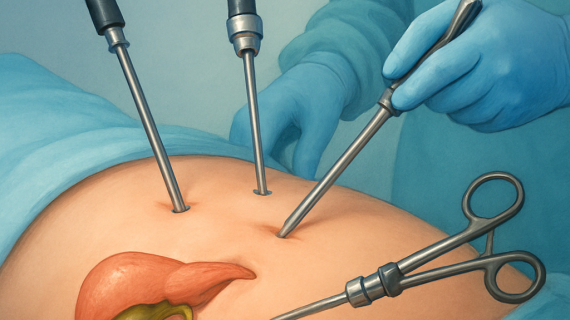
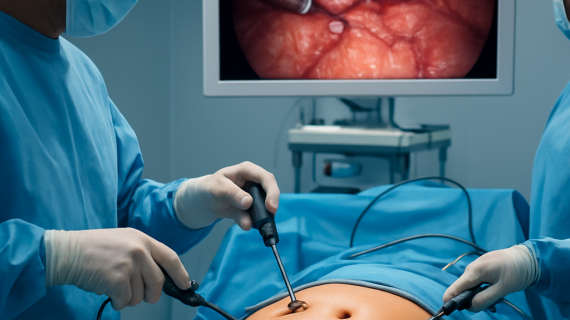
Minimally invasive options: laparoscopic and robotic distal pancreatectomy are available in Dhaka for carefully selected patients with small body or tail tumours. They reduce wound pain and length of stay in suitable cases, but are not appropriate if major vessel reconstruction or complex lymph node clearance is likely.
Next consideration: when evaluating options in Dhaka weigh the potential oncologic benefit of more aggressive resections against the hospital s ability to manage complications. Ask for documented case volume, ICU capability, and a clear perioperative plan before consenting to a high-risk procedure.
Risks, common complications and how they are managed
Clear fact: Major complications after pancreatic cancer surgery are common and usually predictable; the difference between a manageable complication and a life-threatening event is how quickly the team detects it and whether the hospital can provide ICU and interventional radiology support.
Pancreatic fistula: This is the single most procedure-specific problem. How it shows up: increasing drain output, milky or enzymatic fluid, fevers and sometimes sepsis. Management starts conservatively with targeted antibiotics, nil by mouth or restricted diet, nutritional support, and radiologic drainage if collections form. Reoperation is uncommon but necessary for uncontrolled bleeding or peritonitis.
Practical trade-off: Some surgeons place routine prophylactic drains; others avoid them to reduce infections. In Dhaka the right choice depends on tumour type, texture of the pancreatic remnant, and the surgeon s experience. If your team plans to omit drains, confirm that they have an urgent imaging and IR pathway because delayed access to percutaneous drainage worsens outcomes.
Bleeding and delayed hemorrhage: Early bleeding is usually surgical and may require re-exploration. Late bleeding often arises from a pseudoaneurysm and is best treated by angiographic embolization when available. Hospitals without round-the-clock interventional radiology carry higher risk — that is not hypothetical, it changes real-world mortality.
Nutrition, gastric emptying and infection control: Delayed gastric emptying often prolongs hospitalization; management uses prokinetics, early enteral feeding when safe, and temporary nasogastric decompression. Preventing wound and chest infections hinges on tight blood sugar control, early mobilisation, and stopping unnecessary prolonged antibiotics.
- Daily postoperative checks you should expect: vital signs and fluid balance, drain output and character, blood tests including haemoglobin and electrolytes, blood glucose monitoring and wound inspection
- What the team watches for: rising CRP or WBC, increasing drain amylase, sudden haemodynamic changes, or increasing abdominal pain
Endocrine and exocrine insufficiency: Even when surgery succeeds oncologically, many patients need lifelong pancreatic enzyme replacement and some develop insulin-requiring diabetes. In practice these problems are under-recognised; insist on early nutrition and endocrinology follow-up so enzyme doses and glucose regimens are adjusted before you leave hospital.
Concrete example: A 55-year-old man had a Whipple at a Dhaka centre and developed persistent serous drain output with fever on day 7. CT showed a small peripancreatic collection; the team arranged CT-guided percutaneous drainage and targeted antibiotics the same day. He avoided reoperation, started oral enzymes, and was discharged on day 14 with outpatient endocrine and nutrition follow-up.
Final judgment: Complications are not a sign of failure but a predictable part of pancreatic surgery. The practical decision that matters for patients is selecting a team and facility prepared to detect complications early and treat them without delay — that is what reduces permanent harm and improves recovery.
Neoadjuvant and adjuvant therapy and coordination with medical oncology in Dhaka
Direct point: For many patients evaluated for pancreatic cancer surgery Dhaka, chemotherapy around the time of surgery is not optional detail but a central part of the plan. Neoadjuvant regimens such as modified FOLFIRINOX or gemcitabine plus nab paclitaxel are used to downstage borderline tumours and to treat occult systemic disease early; adjuvant therapy is commonly recommended after a curative resection to reduce recurrence risk.
Practical tradeoff: Neoadjuvant therapy can increase the chance of a successful, margin negative operation but introduces delay, toxicity, and a need for reliable oncology support. In Dhaka the constraint is often not the decision to use chemotherapy but the capacity to deliver it safely – experienced medical oncology input, port or PICC placement, antiemetic and growth factor support, and nutrition services are necessary to make neoadjuvant strategies work.
Coordination issue that matters: Adjuvant chemotherapy depends on timely recovery from surgery. If a patient develops severe postoperative complications the planned adjuvant regimen may be reduced, delayed, or omitted entirely. That is why surgical teams at centres offering pancreatic cancer treatment Dhaka should discuss likely adjuvant options with a pancreatic oncologist Dhaka before the operation so the chosen surgical approach does not unintentionally preclude systemic therapy.
Concrete example: A 59 year old man with a borderline head lesion received four cycles of modified FOLFIRINOX at a cancer care centre in Dhaka under the care of a named medical oncologist. The tumour shrank enough to permit a planned Whipple procedure at Popular Medical College Hospital; surgery occurred six weeks after chemotherapy with coordinated port removal and a nutrition plan so adjuvant therapy could start on schedule if pathology required it.
How patients and families should manage coordination
- Get one written plan: ask the surgeon for a short document stating expected pathology scenarios and whether neoadjuvant therapy is under consideration.
- Name the oncologist: ensure a specific pancreatic oncologist is assigned and you have their clinic dates and phone number.
- Confirm logistics: verify where chemotherapy will be delivered, whether a port is required, and the expected schedule between last chemo and planned surgery.
- Ask about cost and timing: request an itemised estimate for chemotherapy sessions and supportive drugs so you can arrange finances early.
Judgment from practice: In Dhaka the most successful perioperative plans are those built around a single coordinating team or hospital that runs an MDT and owns the timeline. Fragmented care where the surgeon and oncologist operate in different systems increases the chance of delays, missed cycles, or mismatched expectations about fitness for surgery.
Final consideration: If you are evaluating pancreatic surgery options in Dhaka, insist on a clear perioperative oncology timetable at your first visit. That single step reduces the risk that surgery will leave you unable to receive the chemotherapy that actually drives long term benefit.
What patients should expect before, during and after surgery
Straight answer: your outcome from any plan for pancreatic cancer surgery Dhaka depends less on the theatre day and more on the days of preparation and the first 72 hours afterwards. Expect a tightly choreographed sequence: focused preoperative optimisation, a long operation under general anaesthesia, and an early postoperative phase where monitoring and quick intervention decide whether recovery is straightforward or prolonged.
Before surgery: practical preparation that matters
Must-have items and conversations: bring high-resolution imaging (DICOM preferred), recent CA 19-9, a short medication list, and a named contact for your family. At your pre-op visit insist on three explicit answers: who will coordinate your perioperative oncology, whether ICU is planned, and the likely duration of drains and hospital stay. If you need financial approvals or a caretaker to stay in Dhanmondi, arrange that before admission to avoid avoidable delays.
Clinical optimisation: expect checks for anaemia, blood grouping and crossmatch, diabetes control and nutritional status. In Dhaka we routinely start pancreatic enzyme counselling and simple insulin education pre-op when a large resection is likely; families who learn dosing and monitoring before discharge have fewer readmissions.
During surgery and immediate recovery: what will happen
What to expect in theatre and immediately after: most major resections last 4 to 8 hours. You will go to an ICU or high-dependency unit for 24 to 48 hours for close haemodynamic and drain monitoring. Expect an epidural or PCA pump for pain control, one or more abdominal drains, intravenous fluids and early glucose monitoring. If vascular reconstruction is performed the team will extend monitoring and may plan a longer ICU stay.
Trade-off to understand: aggressive early discharge reduces cost but increases the chance of urgent readmission if a complication appears. In practice, staying an extra 48 hours under observation at a centre with on-call interventional radiology is cheaper than an emergency transfer or reoperation.
After surgery: recovery, therapy and home care
Early milestones: mobilisation begins within 24 hours, oral intake advances over days, and most patients go home when pain is controlled, drains are reduced or removed, and simple wound care is learned. Expect a follow-up visit within 7–14 days and a structured plan for enzyme replacement or diabetes management if needed. Ask for written drug names and doses before discharge.
Practical limitation: adjuvant chemotherapy depends on how quickly you recover. Major postoperative complications often force delay or dose reduction of systemic therapy. If cure is the goal, choosing a surgical plan that preserves timely access to medical oncology is a strategic decision—not just a surgical one.
Concrete example: A 50-year-old woman from Dhanmondi had a distal pancreatectomy at Popular Medical College Hospital. Her family was taught how to mix and give pancreatic enzyme capsules and to check blood glucose. Because enzyme dosing and glucose control were handled early, she completed adjuvant chemotherapy on schedule and avoided two emergency clinic visits for malabsorption.
Expect clear answers before you sign consent: who manages complications after hours, where chemotherapy will be delivered, and what measurable criteria will allow discharge.
How to choose a surgeon and hospital in Dhaka and why expertise matters
Direct point: For anyone arranging pancreatic cancer surgery Dhaka, the single decision that changes risk more than any other is which surgical team and hospital you pick. Technical skill matters, but equally important are the hospital systems that catch complications early: ICU staffing, interventional radiology, pathology speed, and a dependable oncology link.
- Surgeon credentials: fellowship or formal training in hepatobiliary and pancreatic surgery, documented experience with Whipple and vascular reconstructions, and transparent annual case numbers.
- Team not solo skill: named partners in medical oncology, interventional radiology and endocrinology who regularly attend MDT meetings with the surgeon.
- Facility capabilities: 24/7 ICU, on-call interventional radiology, histopathology turnaround within 48–72 hours, and an organised perioperative nutrition and physiotherapy service.
- Outcomes transparency: ask for institutional data on reoperation rates, average length of stay for major pancreatic resections, and local mortality—teams that publish outcomes behave differently than teams that do not.
- Logistics and cost clarity: who handles billing, typical components of the bill (operation, ICU, consumables, chemotherapy), and whether the hospital helps with insurance or staged payment plans.
Trade-off to weigh: a high-volume centre with comprehensive services reduces complications but may require longer travel, higher fees, and waiting time. In Dhaka this often means choosing a centre in Dhanmondi or central zones where integrated cancer care exists rather than the nearest general hospital. Choose the system that will support your entire perioperative pathway, not only the theatre day.
Concrete example: A patient with a pancreatic head tumour was offered immediate resection at a local clinic but opted to transfer to Popular Medical College Hospital in Dhanmondi to be managed by Dr Murshidul Arefin and the hospital MDT. Because the centre had on-call interventional radiology and a coordinated oncology plan, a planned Whipple with vein reconstruction proceeded safely and adjuvant chemotherapy began without the delays that commonly force dose reductions.
Checklist to use on first consultation
- Ask for specifics: the number of pancreatic resections the surgeon performed in the past 12 months and how many involved vascular reconstruction.
- Confirm MDT structure: who chairs it, whether meetings are weekly, and whether a written MDT note will be provided.
- Verify backup services: is interventional radiology available overnight? What is the ICU nurse-to-patient ratio?
- Request a provisional pathway: a short document stating likely pre-op tests, estimated hospital stay, and an itemised cost range for surgery and immediate postoperative care.
- Second opinion plan: how the surgeon handles external opinions and whether images/reports can be reviewed remotely before admission.
Choosing a surgeon with both high technical volume and an integrated hospital system reduces the odds of avoidable complications and improves your chance of completing planned chemotherapy on time.
Practical steps to book care, costs and logistics at Popular Medical College Hospital
Start with a named pathway. At Popular Medical College Hospital the fastest, least error-prone route is a coordinated booking: submit your request via drarefin.com or the hospital admissions desk, state pancreatic mass as the reason, and request a combined surgical-oncology MDT slot. That single administrative step prevents duplicate appointments and makes financial clearance, imaging review and pre-op nursing calls follow in sequence rather than at random.
Step-by-step booking and timeline
- Initial submission: complete the online form or phone the hospital and upload available electronic reports; the admissions team will assign a date for image review and a triage call.
- Triage call (48–72 hours): the coordinator confirms missing tests, explains paperwork and gives a provisional cost outline and deposit requirement.
- MDT review (within business days from triage): surgical and oncology leads decide immediate surgery versus therapy-first; this meeting sets the admission target date.
- Pre-admission clearance: anaesthesia assessment, basic pre-op blood tests and nursing instructions are scheduled; admissions obtains any insurance preauthorisation.
- Admission and surgery: on the chosen date your room, ICU plan and financial account are confirmed; expect an itemised bill before signing consent.
Be clear about what the hospital will bill. Ask for an itemised estimate that separates surgeon and anaesthesia fees, theatre consumables, ICU per-day charges, prosthetic grafts or stents, and pathology or ICU investigations. Getting these line items up front reduces surprise bills and lets you compare quotes if you seek a second opinion.
Practical financial insight and trade-off. Cheaper initial offers from smaller clinics sometimes omit round-the-clock ICU or on-call interventional radiology; that lowers the upfront fee but increases the chance of costly transfers or emergency procedures later. My judgment: accept a higher, transparent package at a centre with complete perioperative services if the tumour is high-risk or vascular reconstruction is likely.
Payment routes and support options. Popular Medical College Hospital accepts cash, bank transfer and most private insurance; many families arrange staged payment (deposit, mid-stay, discharge). Check whether your insurer will pre-authorise surgery and whether the hospital can provide a quotation for instalment arrangements or hospital-linked charitable funds.
Logistics that matter but are often missed. Arrange local accommodation for one caregiver in Dhanmondi because early postoperative follow-up visits and possible chemotherapy sessions are best handled without daily travel. Also confirm visiting-hour rules, mobile recharge points, and how the hospital communicates test results outside clinic hours.
Concrete example: A patient from Tongi uploaded CT images and a brief medical summary via drarefin.com. The coordinator booked an MDT review within three working days, secured pre-authorisation from the insurer, and gave an itemised estimate. Surgery and ICU were scheduled two weeks later; because payments and logistics were handled in advance, the operation proceeded without last-minute delays and the family avoided an emergency transfer back to Dhaka during the critical first 48 hours.
Final judgment to act on now. Do not let urgency force an uncoordinated admission. Use the hospital s coordination pathway through Dr Murshidul Arefin to lock in MDT review, an itemised cost plan and preauthorisation—this is the practical way to reduce risk, avoid hidden costs, and keep access to perioperative oncology intact.