
Choosing a Pancreatic Specialist in Dhaka: 7 Questions to Ask Before Booking Surgery at Popular Medical College Hospital
If you or a family member are facing a pancreatic operation at Popular Medical College Hospital, choosing the right pancreatic specialist doctor in dhaka matters more than convenience or price. This short checklist gives seven direct questions to ask at your consultation so you can judge surgeon experience, hospital capabilities, perioperative care, likely costs and coordination with oncology. Use these prompts to prepare for a meeting with Dr Murshidul Arefin or any pancreas surgeon in Dhaka and to spot red flags before you sign consent.
1. What are your qualifications and formal training in hepatobiliary and pancreatic surgery
Key point: Look beyond the job title and verify formal training and certification in hepatobiliary and pancreatic surgery when selecting a pancreatic specialist doctor in dhaka.
What to verify at the consultation
- Professional registration: ask for the BMDC registration number and check it yourself at BMDC registry.
- Basic qualifications: MBBS plus MS or equivalent in General Surgery or Surgical Oncology.
- Subspecialty training: a fellowship or formal training in hepatobiliary pancreatic surgery is the difference between occasional and focused practice.
- Academic and hospital roles: a Professor or senior consultant title suggests teaching and exposure to complex cases, but confirm current operative role and case lists.
Practical insight: Titles and memberships look good on a card, but real proof is recent hands on experience. A surgeon who trained overseas or completed a named fellowship is preferable only if that training converted to regular pancreatic work afterward. Ask how many Whipple procedures or distal pancreatectomies they have performed in the last 12 to 24 months.
Tradeoffs and limitations that matter
Tradeoff: An internationally trained surgeon may bring techniques and networks, while a locally trained pancreas surgeon in dhaka who operates frequently at Popular Medical College Hospital may offer better coordination with in-hospital teams. Volume and current practice patterns outweigh the prestige of past training in most real-world outcomes.
Red flag: vague answers about fellowship training, refusal to provide a registration number, or training that ended years ago without recent pancreatic cases. Those suggest either limited specialty exposure or lack of transparency.
Concrete example: At your appointment with Dr Murshidul Arefin you can request to see his specialist credentials on drarefin.com and confirm his BMDC number. Ask for a brief operative log summary showing recent pancreaticoduodenectomies performed at Popular Medical College Hospital to judge active experience.
Next consideration: If training and current volume check out, move on to ask about audited outcomes and the hospital support the surgeon uses for complex pancreatic operations.
2. How many pancreatic operations do you perform annually and what are your typical outcomes
Volume matters in practice. Surgeons and hospitals that do pancreatic resections regularly make different intraoperative decisions and manage complications more reliably than those who do them rarely. Ask for the recent annual caseload broken down by procedure type so you can judge both the surgeon and the centre where your operation will take place.
What to request in the consultation
Specific request: Ask the surgeon to state how many pancreaticoduodenectomies (Whipple), distal pancreatectomies and complex pancreatic resections they have performed in the past 12 and 36 months, and whether that work was at Popular Medical College Hospital or another facility.
- Audited outcomes: request recent basic outcome measures – 30‑day mortality, major complication rate, reoperation rate and typical length of stay.
- Case mix: find out how many were malignant versus benign or inflammatory cases; cancer operations are more technically demanding and carry different risks.
- Team context: confirm whether those numbers represent solo cases or team-led cases where different surgeons handled critical parts of the procedure.
Practical insight / tradeoff: A surgeon with a modest personal caseload can still deliver good results if they operate within a high-functioning hospital team that includes experienced anaesthesia, ICU, interventional radiology and advanced endoscopy. Conversely, a high individual volume means little if the hospital lacks resources to manage leaks, bleeding or sepsis postoperatively.
What acceptable answers look like: Clear, recent numbers and an offer to show anonymised summaries or a simple audited list are good signs. Evasiveness, vague answers, or refusal to share basic outcome measures are red flags.
Concrete example: During a consultation at Popular Medical College Hospital you might say to Dr Murshidul Arefin: give me the number of Whipples you performed here in the last two years and the usual hospital length of stay. If he offers a short case summary or points to his profile on drarefin.com and explains recent complication management, that shows transparency and active practice.
Ask for procedure-specific numbers and a plain-language summary of outcomes rather than a general assurance of experience.
Next consideration: If the numbers and outcomes satisfy you, your next question should be exactly how complications are detected and treated at Popular Medical College Hospital and who will coordinate your postoperative care; ask for names and contact points before you book surgery.
3. What hospital facilities and specialist services are available at Popular Medical College Hospital for pancreatic surgery
Straight talk: even a highly skilled pancreatic specialist doctor in dhaka needs a functioning hospital team and specific services to make complex pancreatic surgery safe. Assess the facility as an extension of the surgeon — not an afterthought.
Facilities that change the outcome — and why they matter
| Facility / Service | How it affects care for pancreatic surgery |
|---|---|
| 24/7 high-dependency / ICU with experienced critical care staff | Immediate postoperative support for respiratory failure, sepsis or bleeding prevents small problems becoming life threatening. |
| Interventional radiology (CT-guided drains, embolisation) available out of hours | Most pancreatic leaks or collections are managed nonoperatively with image-guided drainage; delay forces reoperation. |
| Advanced endoscopy (ERCP/IDUS/ EUS) and therapeutic endoscopist access | Endoscopic stenting or drainage can control bile leaks or obstructive complications without reoperation. |
| In-house pathology with rapid turnaround and access to frozen section when needed | Timely pathology influences intraoperative decisions and early adjuvant planning for cancer cases. |
| Reliable blood bank with component therapy and transfusion protocols | Major pancreatic resections can bleed; component availability and cold-chain logistics matter. |
| Nutrition support and physiotherapy teams familiar with postoperative ERAS pathways | Early enteral feeding and mobilization reduce complications and shorten recovery time. |
| Clear transfer agreements with tertiary oncology centres (for adjuvant chemotherapy or complex ICU care) | If Popular Medical College Hospital cannot provide a service 24/7, a tested transfer pathway keeps care continuous. |
Practical limitation: some hospitals list advanced services on a brochure but have them only during daytime or by appointment. The real question is availability at the hour you need it — nights and weekends are when complications present.
- Ask this at your consult: Is interventional radiology and advanced endoscopy available 24/7, and who is the on-call contact?
- Ask this too: Does the hospital run a dedicated postoperative ward with staff experienced in drain and fistula care?
- Logistics question: If a service is not onsite after hours, what is the written transfer plan and typical transfer time to National Institute of Cancer Research and Hospital?
Concrete Example: If a patient develops a pancreatic fistula after a Whipple, timely CT-guided drainage or endoscopic intervention avoids emergency reoperation. In practice, ask Dr Murshidul Arefin at your appointment to explain how Popular Medical College Hospital would manage that scenario and whether the necessary specialists are available without delay.
Judgment call: theatre quality, ICU staffing, interventional radiology and endoscopy availability often matter more for safety than private-room comforts or advertising. Choose the centre that has the backup systems to manage complications — and get that promise in writing when possible.
At your consultation with a pancreas surgeon — for example via drarefin.com/appointments — make the availability of these services a deciding factor, not an afterthought.
Next consideration: if Popular Medical College Hospital lacks any nonnegotiable service for your case, ask whether your surgeon will operate at an alternative centre with full pancreatic support or postpone until arrangements are in place.
4. Will a multidisciplinary team manage my care and who will coordinate my treatment
Direct point: For complex pancreatic disease, stated multidisciplinary care is common; genuine, timely coordination is not. Ask how the team works in practice, who calls the shots, and who you call when care needs to move between specialties.
What a practical MDT looks like
Team composition: A usable MDT for pancreatic cancer or difficult pancreatic disease includes surgical oncology, medical oncology, radiation oncology, gastroenterology/endoscopy, diagnostic radiology, pathology, nutrition, critical care and a named nurse or care coordinator. If any of those roles are absent from regular meetings, care will fragment at the point of greatest risk: after surgery and when adjuvant therapy is planned.
- Ask this in clinic: Who will be my primary coordinator and what is their contact number?
- Ask this in clinic: How often does the MDT meet and can I see a recent anonymised MDT note or care plan?
- Ask this in clinic: If I need chemotherapy after surgery, will that be arranged at Popular Medical College Hospital or referred to National Institute of Cancer Research and Hospital?
Practical insight / trade-off: Local continuity matters. Having surgery at Popular Medical College Hospital with a named coordinator who manages appointments, imaging, pathology reports and referrals often gives smoother recovery and fewer missed chemotherapy windows than being sent between centres. The trade-off is that some high-volume oncology services are concentrated elsewhere in Dhaka; in that case insist on written transfer agreements and a shared electronic plan.
Common mismatch I see: Clinics will tell patients they use an MDT, but meetings can be ad hoc and clinician-driven rather than documented. That looks fine until a complication or timing-sensitive decision is needed. A one-line promise of multidisciplinary input is not enough; demand a documented care plan with named participants and timelines.
Concrete example: A patient with a borderline resectable pancreatic head tumour had a preoperative MDT recommendation for neoadjuvant chemotherapy, an ERCP stent to relieve jaundice, and nutrition optimisation before surgery. In practice, Dr Murshidul Arefin coordinated the imaging review, arranged stenting with an endoscopist, and organised the chemotherapy slot at NICRH so surgery occurred after tumour downstaging rather than being delayed by paperwork.
Final judgment: Prefer a surgeon who offers clear coordination over one who promises multidisciplinary input but cannot name the teammates or show how decisions are recorded. If you plan to see Dr Arefin, bring this checklist to the appointment or book through drarefin.com/appointments and ask for the MDT minutes related to your case.
5. Which surgical techniques do you recommend for my condition and why would you choose open versus minimally invasive or robotic surgery
Direct answer: The choice between open, laparoscopic, or robotic pancreatic surgery is not about which technology is newest — it is about which approach gives you the safest, oncologically sound operation for your specific tumour and body. Ask your pancreatic specialist doctor in dhaka to map their recommendation to your CT/MRI findings, vascular involvement and overall fitness.
How surgeons decide the approach
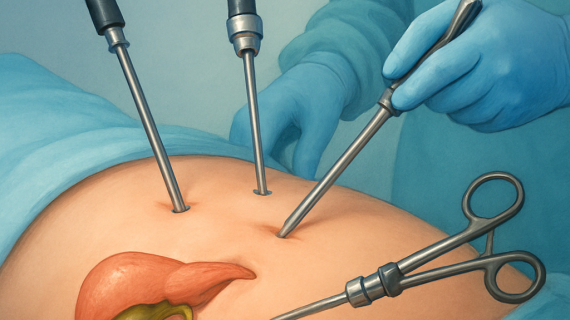
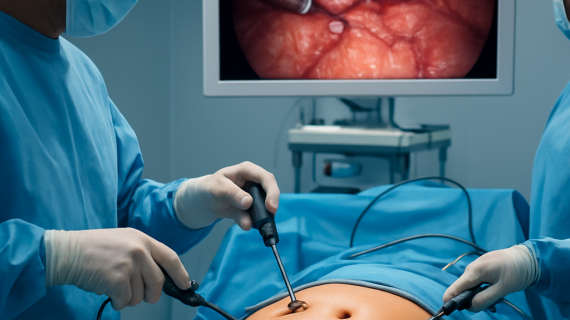
Surgeons weigh three real constraints: the tumour location and size, whether major blood vessels are involved, and the team/hospital support available for complex reconstructions or complications. Minimally invasive techniques can reduce pain and speed recovery for distal resections and select benign or small malignant tumours. Open surgery still dominates when vascular resection, reconstruction, or extensive lymph node removal is likely.
- Tumour factors: head versus body/tail, proximity to superior mesenteric vein or artery, suspected perineural or nodal spread
- Patient factors: prior abdominal operations, obesity, cardiopulmonary reserve and ability to tolerate longer anaesthesia
- System factors: availability of on‑call interventional radiology, critical care and the surgeon's verified experience with the chosen approach
Practical tradeoff: Minimally invasive or robotic pancreaticoduodenectomy may shorten wound pain and improve cosmesis but usually increases operative time and requires a surgeon and team with substantial volume. If your case becomes complex midoperation conversion to open is common and prudent. Robotic platforms offer better manoeuvrability for precise dissection, but their benefit is real only where the surgeon has done many robotic pancreatic cases and the hospital can support longer theatre times.
Real-world case: A 54 year old patient with a 2.5 cm distal pancreatic neuroendocrine tumour and no vessel contact had a laparoscopic spleen preserving distal pancreatectomy, discharged day 4 with minimal pain. By contrast a 62 year old with a pancreatic head cancer and SMV contact needed an open pancreaticoduodenectomy with vein reconstruction because margins and vascular control were the priority.
When you meet a surgeon at Popular Medical College Hospital or consult Dr Murshidul Arefin, request specifics: expected incision or port sites, likely operative duration, probability of conversion to open, typical length of stay and the plan for pain control and drains. Also ask where the procedure will be performed if the surgeon practices minimally invasive pancreas surgery at another accredited centre.
Ask for the surgeon's case numbers for the specific technique you are offered and how many of those were performed at the hospital where your operation will occur.
Next consideration: before you book, have the surgeon document why their chosen technique is best for your imaging and ask for a written note of expected recovery milestones and the contingency plan if the operation needs to be converted or if vascular reconstruction is required.
6. How is perioperative care organized including prehabilitation, ERAS protocols, ICU care and follow up
Bottom line: perioperative organisation often determines whether a pancreatic operation is uncomplicated or becomes a cascade of interventions. Evaluating the system around the surgeon is as important as evaluating the surgeon themselves when choosing a pancreatic specialist doctor in dhaka.
The practical pathway you should see
A usable perioperative pathway is a short, timed plan that covers prehabilitation, the ERAS elements that apply to pancreas surgery, immediate postoperative monitoring, and scheduled follow up for complications and cancer planning. It must be realistic for Popular Medical College Hospitals staffing and on-call arrangements, not a generic checklist.
- Prehabilitation: targeted optimisation – smoking cessation with a 4 week window when possible, correction of anaemia, glycemic control, baseline physiotherapy assessment and short nutritional supplementation for malnourished patients.
- Preoperative work-up and briefings: clear preop imaging review, anesthetic risk assessment, and a documented plan for biliary drainage or ERCP if jaundiced before surgery.
- ERAS for pancreas with caveats: early mobilisation, minimized opioids and staged feeding where appropriate. Important tradeoff: pancreas-specific ERAS often delays full oral intake if fistula risk is high – a rigid ERAS protocol without case-by-case adjustment causes harm.
- Immediate postoperative plan: who decides ICU vs HDU admission, expected drain management policy, and criteria for step-down. Ask who is on-call at night for drains, radiology or urgent reintervention.
- Follow up and long term surveillance: timing for pathology review, MDT discussion for adjuvant therapy, diabetes screening and pancreatic enzyme replacement plan if needed.
A practical limitation to watch: ERAS reduces length of stay only if nursing, physiotherapy and outpatient support are reliable. If Popular Medical College Hospital does not staff these services consistently after hours, early discharge can shift risk to the home and increase readmissions. Ask how the hospital covers weekends and nights.
Concrete example: A patient with obstructive jaundice had 2 weeks of nutrition support and physiotherapy before a planned Whipple. Dr Murshidul Arefin arranged preoperative biliary stenting via an endoscopist, a short prehab protocol, and a named nurse who managed post discharge drain care and arranged the pathology MDT within 10 days so adjuvant chemotherapy scheduling was not delayed. That level of coordination shortened recovery and avoided an unplanned return to hospital.
Request this at your consult: a one page perioperative pathway with expected milestones – admission day, ICU/step-down plan, likely drain policy, clinic follow up dates, and a direct phone for postoperative concerns.
Next consideration: if the perioperative plan is vague or the hospital cannot guarantee night and weekend access to radiology, endoscopy or critical care, treat that as a serious limitation and discuss alternatives before signing consent. For appointments with Dr Murshidul Arefin use drarefin.com/appointments to request the perioperative pathway in advance.
7. What are the expected costs, insurance coverage options, and policies on second opinions and detailed consent
Direct point: Ask for a realistic, written cost picture before you sign anything. A small upfront fee for an itemised estimate and preauthorisation call to your insurer is a far better investment than discovering large, unplanned charges after a complex pancreatic operation.
What to demand in writing
Request three documents at the consultation: (1) an itemised estimate showing surgeon, anaesthesia, theatre, ICU/daycare, implants or grafts, pathology, radiology, medicines and expected length of stay; (2) the hospital billing office contact and insurance coordinator who will handle preauthorisation; (3) a written statement of likely low, typical, and high cost scenarios so you can see the range if complications occur. If you are seeing a pancreatic specialist doctor in dhaka like Dr Murshidul Arefin, ask for these before booking via drarefin.com/appointments.
- Ask explicitly about exclusions: chemotherapy, extended ICU days, blood products, outsourced implants or special disposables can be billed separately.
- Insurance reality check: confirm whether your insurer requires preauthorisation for each item, whether they have network rates with Popular Medical College Hospital, and what documentation they need.
- Payment and financing options: ask whether the hospital offers instalment plans, third-party financing or negotiated caps for emergency complications.
Practical trade-off: Estimates are not fixed contracts. Surgeons cannot always foresee intraoperative findings that add cost – vascular resections, unexpected reconstruction materials, or prolonged ICU care. Insist that the consent and estimate describe plausible cost escalations and that the hospital contact you before incurring discretionary extra charges.
Second opinions and consent policy you should expect: A reputable pancreas surgeon and centre will encourage a second opinion, supply full digital imaging (DICOMs), pathology slides or reports, and provide at least 48 to 72 hours for you to obtain another review unless the situation is an immediate emergency. The operative consent must list major risks, alternatives (including nonoperative and transfer options), likely recovery milestones, and explicit statements about who pays for complications and unplanned transfers.
Concrete example: A patient booked for a pancreaticoduodenectomy at Popular Medical College Hospital had preauthorisation based on a standard estimate. Midoperation the surgeon found venous involvement and performed a vein resection with graft, which increased ICU time by three days. Because the family had an itemised high‑cost scenario and the hospital billing coordinator had preauthorised extended ICU care, the billing process was transparent and the insurer processed the claim faster. The surgeon also made copies of intraoperative notes and imaging available for a parallel oncology review at NICRH.
Important: do not accept a verbal cost guarantee. Get written estimates, named billing contacts, and insurer preauthorisation before you book surgery.
Final judgment: Cost transparency and a supportive second‑opinion policy are practical safety measures, not optional niceties. If Popular Medical College Hospital or your pancreatic surgeon is evasive about itemised charges, insurer contacts, or refuses to release imaging and consent templates for outside review, treat that as a substantive reason to delay scheduling until you have clear answers and written documentation. For appointments or to request previsit cost documents, use drarefin.com/appointments or contact the practice via drarefin.com/contact.