
Finding a Liver Cancer Surgeon in Dhaka: Treatment Options and How to Choose the Right Specialist
A diagnosis of liver cancer or a suspicious liver lesion forces quick, high-stakes choices; finding a liver cancer surgeon Dhaka with real hepatobiliary experience changes which treatments are possible. This concise guide explains the surgical and non-surgical options available locally, which surgeon and hospital credentials matter, and practical next steps for arranging a consultation or second opinion at Popular Medical College Hospital.
Overview of Common Liver Tumors Seen in Dhaka and How They Affect Treatment
Most liver tumours in Dhaka fall into four practical categories: hepatocellular carcinoma, colorectal liver metastases, intrahepatic cholangiocarcinoma, and benign lesions. Each behaves differently and that behaviour drives which surgical or non-surgical options are reasonable.
Hepatocellular carcinoma (HCC): HCC commonly arises on chronic liver disease from hepatitis B, hepatitis C, or metabolic fatty liver. Key treatment constraint: underlying liver function often limits how much liver you can remove. That means the choice is rarely between operation and no operation — it is between types of local therapy, staged resections, or transplant if eligible.
Colorectal liver metastases: These are the single most frequent operable metastatic lesion in Dhaka when colorectal cancer is common. Biology is usually more forgiving: surgeons can perform larger and multiple resections, and conversion chemotherapy or portal vein embolization is used to increase the future liver remnant. Resection offers the best chance of long-term survival for fit patients.
Intrahepatic cholangiocarcinoma: These tumours are aggressive and often infiltrative. Surgery requires wider margins and sometimes bile-duct reconstruction; systemic therapy plays a larger role when margins are close or disease is multifocal. Expect more complex operations and a higher need for coordinated oncologic care.
Benign lesions and indeterminate nodules: Most hemangiomas and focal nodular hyperplasias do not require surgery. Operate only for symptoms, uncertainty after high-quality imaging, or growth on follow-up. Overuse of surgery for benign disease is a common problem — get multiphase CT/MRI and a hepatobiliary opinion first.
Local epidemiology and diagnostic implications: Bangladesh has a high background prevalence of hepatitis B and rising fatty liver disease; that shifts case mix toward HCC on cirrhotic livers and increases the need for comprehensive liver function assessment. Use GLOBOCAN for national incidence context and insist on DICOM-quality imaging for surgical planning.
Concrete Example: A 55-year-old patient with a single 3 cm HCC in segment VI and Child-Pugh A liver was treated with a laparoscopic segmental resection at a hepatobiliary centre in Dhaka. Recovery was rapid and no further locoregional therapy was required; had the patient had decompensated cirrhosis, the team would have chosen ablation or listed for transplant instead.
Practical trade-off and judgment: Do not assume resection is always best because removing more liver can precipitate liver failure in cirrhosis. Conversely, do not accept blanket non-operative recommendations without an experienced hepatobiliary surgeon reviewing high-quality imaging — many lesions labelled unresectable can be managed with staged or minimally invasive surgery in capable centres.
- When biology favours surgery: solitary colorectal metastasis or HCC in a non-cirrhotic liver.
- When biology favours combined care: multifocal HCC on cirrhosis — consider ablation, TACE, or transplant pathways.
- When caution is required: cholangiocarcinoma and centrally located tumours that need bile reconstruction.
High-quality imaging and accurate assessment of liver function change the treatment pathway more often than the initial biopsy result.
Surgical Options: Resection, Transplant, and Minimally Invasive Techniques
Key point: For many patients the decision is not whether surgery exists, but which surgical strategy preserves enough liver while giving the best chance of long-term control. Selection depends on tumour biology, the amount of healthy liver left after removal, and the surgical team's technical repertoire.
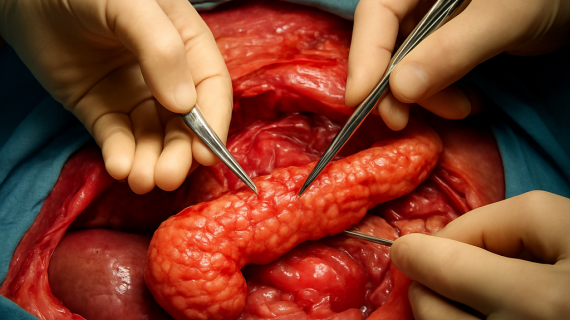
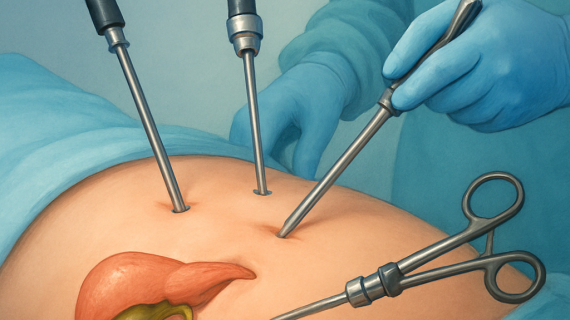
Resection in practice: Open and laparoscopic hepatectomy remain the main curative operations for isolated primary or metastatic lesions. Future liver remnant assessment and basic liver function scoring determine how much can be safely removed. Where the remnant is marginal, teams use staged approaches such as portal vein embolization (PVE) to hypertrophy the future remnant before a major resection.
Transplant: powerful but scarce
What transplant offers and its limits in Dhaka: Liver transplant removes both the tumour and the diseased liver that produced it, so it is the best curative option for selected early hepatocellular carcinoma meeting criteria like Milan. Practical constraint: transplant capacity in Bangladesh is limited and waiting-list logistics often rule it out. In routine local practice patients who might benefit from transplant are usually managed with resection, ablation, or locoregional bridging therapies while potential listing is explored.
| Option | When used | Main benefit | Main limitation |
|---|---|---|---|
| Surgical resection (open or laparoscopic) | Solitary or limited lesions with adequate remnant | Highest chance of cure for resectable tumours | Requires sufficient healthy liver; technical difficulty for central/large tumours |
| Liver transplant | Early HCC in cirrhosis meeting criteria | Treats both cancer and underlying liver disease | Scarce organ availability and long wait times locally |
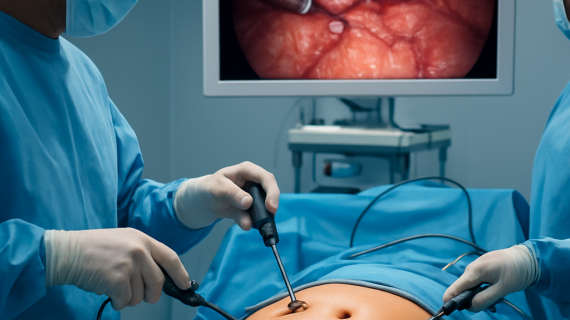
| Minimally invasive techniques (laparoscopy, robotic) | Small to moderate peripheral lesions; combined approaches | Less pain, shorter stay, faster recovery | Requires experienced hepatobiliary team and appropriate case selection |
Practical trade-off and judgment: Minimally invasive hepatectomy reduces wound complications and recovery time, but its safety hinges on surgeon experience and institutional support. In Dhaka, prefer centres where the surgeon performs regular laparoscopic hepatectomies and has immediate access to interventional radiology and ICU care.
Real-world example: A patient with colorectal metastases occupying segments V–VIII was borderline for extended right hepatectomy. The team performed PVE to increase the future liver remnant, then completed an open extended resection three weeks later without postoperative liver failure. Without PVE the operation would have carried an unacceptable risk of liver insufficiency.
Cautionary note: Aggressive staged techniques such as ALPPS can produce rapid hypertrophy but bring higher complication rates; reserve these for very selected patients and centres with high-volume experience. Evidence-based guidelines from ESMO emphasize measured selection over technical bravado.
If you are choosing a liver cancer surgeon Dhaka, ask specifically how many major hepatectomies and laparoscopic liver resections they perform per year — that metric predicts outcomes more than years-in-practice alone.
Non Surgical and Locoregional Treatments: Ablation, TACE, Radioembolization and Systemic Therapy
Key point: When surgery is unsafe or unlikely to produce a durable cure, locoregional therapies and systemic drugs are not placeholders — they are active, evidence-based options that can control disease, bridge to surgery, or downstage tumours for resection. Choose the modality based on tumour size, location, vascular involvement, and the hospital's interventional and oncology capabilities.
Ablation: Percutaneous radiofrequency (RFA) or microwave ablation is most effective for solitary lesions ≤ 3 cm away from major bile ducts and large vessels. Ablation offers fast recovery and can be performed under conscious sedation or short general anaesthesia, but efficacy drops as lesion size increases and when the heat-sink effect from adjacent vessels is present. For lesions near central bile ducts the risk of stricturing or cholangitis rises — that is a practical limitation often overlooked in clinic reports.
TACE (transarterial chemoembolization): Standard for intermediate-stage HCC or multifocal disease when resection/transplant are not options. TACE reduces tumour burden, can be repeated, and is commonly used as a bridge to transplant or to downstage tumours ahead of resection. Expect a short admission and postembolization syndrome (fever, pain, elevated liver enzymes). Real-world trade-off: repeated TACE can produce perihepatic inflammation and adhesions that make later surgery more difficult.
Radioembolization (Y90): Uses microsphere-delivered radiation and is attractive for tumours with portal vein thrombosis or large solitary lesions where embolic TACE would risk liver ischemia. It often produces more gradual radiographic shrinkage than TACE and requires a preprocedural angiographic mapping session and nuclear medicine support. Availability and cost of Y90 vary in Dhaka; confirm a centre has both experienced interventional radiologists and nuclear-medicine capacity before planning treatment.
Systemic therapy and sequencing: Advanced disease is treated with targeted tyrosine-kinase inhibitors such as sorafenib or lenvatinib and, where available and appropriate, immunotherapy combinations — notably atezolizumab plus bevacizumab from the IMbrave150 regimen, which changed first-line care for many patients with unresectable HCC. Practical constraint: bevacizumab increases bleeding risk from oesophageal varices — perform endoscopic screening and treat varices before starting therapy. In metastatic colorectal disease, systemic chemotherapy is frequently used to convert unresectable liver metastases into resectable ones; coordination between the medical oncologist and hepatobiliary surgeon is essential.
Practical trade-offs and what matters in Dhaka
- When ablation makes sense: small peripheral tumour, poor operative reserve, or patient preference for minimal downtime.
- When to prefer TACE: multifocal HCC without portal vein thrombosis, or as repeated tumour control/bridge-to-transplant strategy.
- When to consider
Y90: portal vein invasion or large tumours where embolization risks ischemia; only at centres with nuclear-medicine mapping. - Systemic-first strategy: used to downstage metastatic tumours or control diffuse disease; budget, monitoring, and access to drugs affect real-world choices in Dhaka.
Concrete example: A 58-year-old man with a 5 cm HCC adjacent to the right portal vein and Child-Pugh A liver was not a clean candidate for ablation. The team performed selective TACE to reduce tumour bulk, followed by reassessment at six weeks; because the lesion shrank and liver function stayed stable, the surgeon completed a parenchyma-sparing resection. Without the initial locoregional control, either an immediate risky resection or lifelong systemic therapy would have been the only alternatives.
Important: before accepting a recommendation for TACE or Y90, verify the hospital performs the procedure regularly and has on-site angiography, nuclear medicine, and postprocedure critical care — these logistic details change outcomes more than theoretical trial data.
Takeaway: Locoregional options are not weaker cousins of surgery — they are tools with specific strengths and limits. When discussing non-surgical plans with a liver cancer surgeon Dhaka or a liver oncology team, insist on clear goals (curative, bridge, downstage, palliation), the local capacity to deliver and repeat the procedure, and a written follow-up plan that integrates interventional radiology with medical oncology. For a hepatobiliary review and to confirm procedural availability at Popular Medical College Hospital, see drarefin.com and review guideline context at ESMO.
How to Choose the Right Liver Cancer Surgeon in Dhaka
Start with the team and hospital, not only the name. In practice the difference between a routine outcome and a major complication is rarely a single surgeon's reputation — it is whether the hospital has interventional radiology on call, an experienced ICU, and a functioning multidisciplinary tumour board that meets before surgery.
Three practical checks to perform at your first contact
- Verify documented training and registration: Confirm MBBS plus higher surgical qualification such as FCPS or MS, and look for formal fellowship or observership in hepatobiliary-pancreatic surgery. Check professional registration with DGHS or hospital credential lists.
- Request recent objective experience data: Ask for numeric counts from the previous 12–24 months: total hepatic resections, complex central hepatectomies (bile-duct reconstruction or vascular repair), and minimally invasive liver procedures. Numbers matter more than years-in-practice; a surgeon doing 40 simple gallbladders and 2 hepatectomies is not the same as one doing 30 hepatectomies a year.
- Confirm institutional capabilities: Ensure the hospital provides triple-phase CT and liver MRI, angiographic suites for TACE and Y90 mapping, an on-call interventional radiologist, an ICU accustomed to post-hepatectomy care, and a blood-bank with rapid cross-match capability.
Trade-off to anticipate: High-volume hepatobiliary teams typically produce better outcomes, but they may have wait times. If a tumour appears aggressive on imaging, ask the team how they balance scheduling urgency with referral to a higher-volume centre. Waiting a few days for a better-equipped team is reasonable; waiting weeks without a plan is not.
Concrete Example: A 48-year-old man in Dhaka had a 4.5 cm solitary metastatic lesion and modest cirrhosis. The first surgeon recommended immediate open resection; a second opinion from a hepatobiliary centre proposed short-course systemic chemotherapy followed by portal vein embolization and a parenchyma-sparing laparoscopic resection. The staged approach reduced liver failure risk and shortened postoperative ICU stay.
How to verify claims in clinic: Bring DICOM imaging and pathology reports; ask the surgeon to review them in the visit and to provide a written plan with alternatives. Request contact details for the hospital's ICU lead or interventional radiology service and ask what happens if a major complication occurs — where will you be transferred and who will manage you?
Takeaway: Prioritise surgeons embedded in a multidisciplinary system with measurable hepatic experience and clear contingency plans. Your next step is practical: arrange a review of DICOM files, bring the three questions above to the consultation, and insist the plan names both the immediate procedure and the fallback if complications arise.
What to Expect During the Diagnostic Workup and Preoperative Assessment in Dhaka
Immediate reality: the diagnostic workup determines whether you get a curative operation, a staged plan, or a non‑surgical pathway. High-resolution imaging plus objective liver function measures are the gatekeepers — not opinions alone.
Core components you will encounter
Imaging and review: expect a triple‑phase CT as the baseline; a contrast liver MRI is common when CT is inconclusive, and PET‑CT is used selectively for suspected metastatic disease. Insist on DICOM transfer so your hepatobiliary surgeon can review native files, not just printed reports.
Laboratory and virology work: standard tests include liver function panel, INR, full blood count, AFP and other tumour markers (CEA, CA19‑9 when colorectal or cholangiocarcinoma is possible), and hepatitis B/C serology. These results feed into Child‑Pugh and MELD calculations that limit how much liver can be removed.
Functional and procedural assessments: many centres in Dhaka calculate future liver remnant using CT volumetry; when the remnant is marginal, teams schedule portal vein embolization (PVE) before resection. Cardiac and pulmonary fitness and an anaesthetic assessment are routine for major hepatectomy.
Multidisciplinary review and decisions: your case should be discussed at a tumour board with hepatobiliary surgery, interventional radiology, medical oncology, pathology and anaesthesia. Real decisions — resection, ablation, TACE, or referral for transplant assessment — come from that coordinated meeting.
- Practical timing: many centres complete staging and MDT discussion within 1–2 weeks; surgery or locoregional therapy is typically arranged within 2–6 weeks depending on optimization needs.
- Pre‑habilitation: for marginal liver function or comorbidities, brief optimisation (nutrition, alcohol cessation, physiotherapy) reduces complications and is often worth a short delay.
- Endoscopy when needed: if cirrhosis is present, an upper GI endoscopy to screen for varices is commonly required before some systemic therapies or major surgery.
Trade‑off to weigh: pushing for immediate surgery without full staging or volumetry can increase the risk of postoperative liver failure. Conversely, lengthy delays for repeated tests are harmful if the tumour is aggressive — the practical balance in Dhaka is rapid high‑quality imaging plus focused optimisation rather than a series of redundant scans.
Concrete Example: A 60‑year‑old man with a 4 cm lesion had a local CT report that suggested unresectability. After DICOM transfer to a hepatobiliary surgeon in Dhaka, a liver MRI clarified the lesion was solitary and peripheral. CT volumetry showed a 28% future liver remnant; the team performed PVE, waited three weeks for hypertrophy, and completed a parenchyma‑sparing resection without liver failure.
Judgment call: demand clarity on what each test will change. If a proposed scan or procedure will not change the plan, question it. The best liver cancer surgeons in Dhaka focus the workup on decisions that alter treatment rather than accumulating tests for their own sake. For logistics and appointment steps, see drarefin.com.
Costs, Logistics, and Patient Support at Popular Medical College Hospital
Start with the reality: out-of-pocket cost for a liver operation in Dhaka is highly variable because the final bill is a bundle of defined charges (surgery, implants, anaesthesia) and unpredictable items (ICU days, blood transfusion, complications). If you are looking for a liver cancer surgeon Dhaka, insist on a written, itemised estimate before admission — that one document changes how families plan and prevents most billing surprises.
Why the cheapest option can cost more: hospitals that underprice surgery often defer or lack on-call interventional radiology and a staffed ICU. That gap shows up as longer ICU stays, emergency transfers, or additional procedures later. In practice, paying a little more up-front for a centre with robust perioperative support usually reduces total cost and risk.
Concrete example: a patient with a 4 cm solitary HCC had a laparoscopic segmental resection at Popular Medical College Hospital. The planned bundle covered pre-op imaging review, the operating theatre and two days in a high-dependency unit; an unexpected need for one unit of emergency blood and a three-day extension in hospital added to the final invoice. Because the team provided a pre-admission estimate and a named financial counsellor, the family avoided last-minute borrowing and arranged staged payments.
Practical logistics patients should arrange before admission
- DICOM transfer: get original imaging on CD or cloud and request the hospital to confirm readability before the appointment.
- Itemised estimate: request separate figures for surgeon fee, anaesthesia, theatre, implants, medicines, ICU per day, and follow-up visits.
- Payment plan options: ask if the hospital offers staged billing, instalments, or a letter for insurance pre-authorization.
- Family logistics: identify a nearby guest house, the hospital's visiting hours, and a named nurse coordinator to avoid daily confusion.
Insurance and public schemes: many plans in Bangladesh exclude complex cancer surgery or limit reimbursements. When coverage is partial, negotiate which tests can be done as outpatient before admission. If you rely on government referral pathways, contact NICRH early — their referral notes speed approval in some cases.
Patient support services at Popular Medical College Hospital: the hospital offers pre-admission counselling, a financial counselling desk, physiotherapy for early mobilisation, and a postoperative follow-up system to schedule scans and oncology reviews. These services reduce avoidable readmissions, but note their scope can vary by weekday and department — confirm availability for weekend admissions.
Before any commitment, get a dated, signed cost estimate and a named point-of-contact for clinical and billing queries; this single step prevents the majority of financial and logistical crises.
Profile Summary: Dr Murshidul Arefin and How to Arrange a Consultation
Direct point: For actionable care you need a surgeon who combines hepatobiliary technical skill with organised hospital support. Professor Murshidul Arefin is a Hepatobiliary, Pancreatic and Liver Surgeon based at Popular Medical College Hospital, Dhanmondi, and his clinic handles complex liver, biliary and upper‑GI operations with on‑site perioperative services. See full clinic and booking details at drarefin.com.
What he provides in a first consult: expect an early review of your imaging, a plain‑language explanation of surgical and non‑surgical options, immediate practical advice about further tests, and clear routing to the multidisciplinary tumour board when needed. If your case requires coordinated care (interventional radiology, ICU or medical oncology), the consultation will identify those dependencies and name the next appointments.
How to book and what to expect next
Use two booking paths: schedule online via drarefin.com/contact for a clinic slot or call the Popular Medical College Hospital appointment desk to secure an on‑site visit. Many patients start with a teleconsultation to triage urgency; note the limitation — remote reviews cannot replace a hands‑on assessment and native DICOM image review for surgical planning.
- Before the visit: upload or bring original imaging in DICOM format (cloud link or CD), histopathology reports, and any prior operation notes.
- Medication and health record: a current medicines list, anticoagulant status, comorbid conditions (diabetes, heart disease), and recent blood‑group or transfusion history.
- Practical admin to request: ask whether a separate imaging review fee applies, how soon the MDT will meet, and who the named clinical coordinator is for scheduling and billing.
Practical insight and trade‑off: a fast teleconsult is useful to avoid unnecessary travel and to prioritise urgent cases, but a reliable liver cancer surgeon Dhaka should offer prompt DICOM review before committing to any operation date. If a centre asks you to book surgery without viewing native images, treat that as a red flag.
Concrete example: a patient from Chittagong arranged a video consult, uploaded DICOMs the same day, and received a written surgical plan within 48 hours. The team booked an in‑person pre‑op visit and blood tests one week later; this reduced waiting time in Dhaka and allowed the surgeon to start on a defined perioperative pathway at admission.
Judgment you should apply: prioritise surgeons who publish their referral process and who place your case on an MDT agenda quickly. In practice, the surgeon's local organisational practices — named coordinator, readable DICOM workflow, routine MDT slots — matter more for safe outcomes than promotional claims about being the best liver cancer doctor Dhaka.
Next consideration: arrange the DICOM transfer now and request the earliest MDT date — that single step determines whether surgery is planned, staged, or redirected to locoregional therapies.
When to Seek a Second Opinion and How to Get One in Dhaka
Key point: ask for a second opinion whenever the recommended plan is high-risk, irreversible, or leaves you with unanswered alternatives — for example, a major hepatectomy, a transplant referral, or a recommendation to forgo surgery entirely.
Practical 7-step workflow to obtain a timely second opinion in Dhaka
- Collect the essentials: assemble DICOM imaging (CT/MRI), histopathology reports, liver function tests, and the treating team's written plan or MDT minutes if available.
- Ask for DICOM transfer: insist the first centre supply DICOMs on cloud link or CD. A written opinion without native images is frequently worthless.
- Choose the reviewer: prefer a hepatobiliary surgeon or tertiary centre with demonstrated hepatectomy volume. Contact Popular Medical College Hospital or the National Institute of Cancer Research and Hospital for formal reviews — see drarefin.com and NICRH.
- Submit a concise referral pack: include a short cover note stating the clinical question (resectable, transplant candidacy, or need for downstaging) and your timeline. Ask for an expected response time.
- Request a written summary: demand a one-page recommendation that lists the recommended intervention, alternatives, required tests, and urgency — this makes comparisons concrete.
- Compare plans systematically: line up proposed immediate action, contingency plans for complications, and who will coordinate care (named surgeon, ICU, IR contact). Weight institutional capability, not just surgeon charisma.
- Decide and document: pick the option that balances oncologic benefit and safety. Get a dated, signed plan before scheduling any major procedure.
Trade-off to consider: a second opinion can add days — sometimes a week — to your timeline. That delay is justified when it reduces the risk of liver failure, avoids an unnecessary transplant workup, or changes a planned operation to a less morbid approach. If imaging shows rapid growth, seek an urgent second opinion and request priority MDT review.
What low-value second opinions look like: verbal advice without native images, reviews by clinicians who do not perform hepatectomies, or generic statements such as not operable without staging details. These are common and costly mistakes; they give false certainty and block better options.
Concrete example: A 62-year-old woman in Dhaka was advised to list for transplant after a local report labelled her lesion multifocal. She transferred DICOMs to a hepatobiliary centre where the MDT found two small peripheral lesions and preserved liver function; the team recommended targeted ablation for one lesion and a limited resection for the other, avoiding transplant listing and its long wait time.
Judgment: in Dhaka the most useful second opinions come from organised teams that offer DICOM review, a named clinical coordinator, and a written plan with timelines. Experience matters — pick reviewers who routinely manage complex liver operations and who can show how their recommendation changes immediate risk, not just theory.
Important: a fast, focused second opinion that changes the plan is worth the short delay; a poor-quality review that merely repeats the first opinion is not.