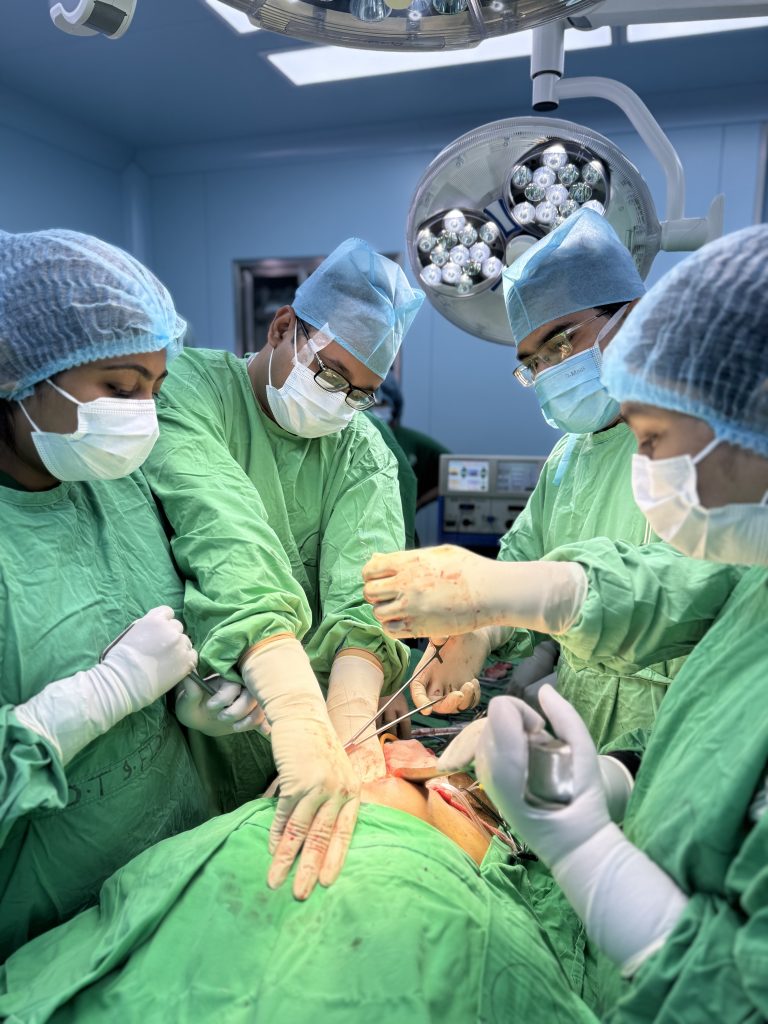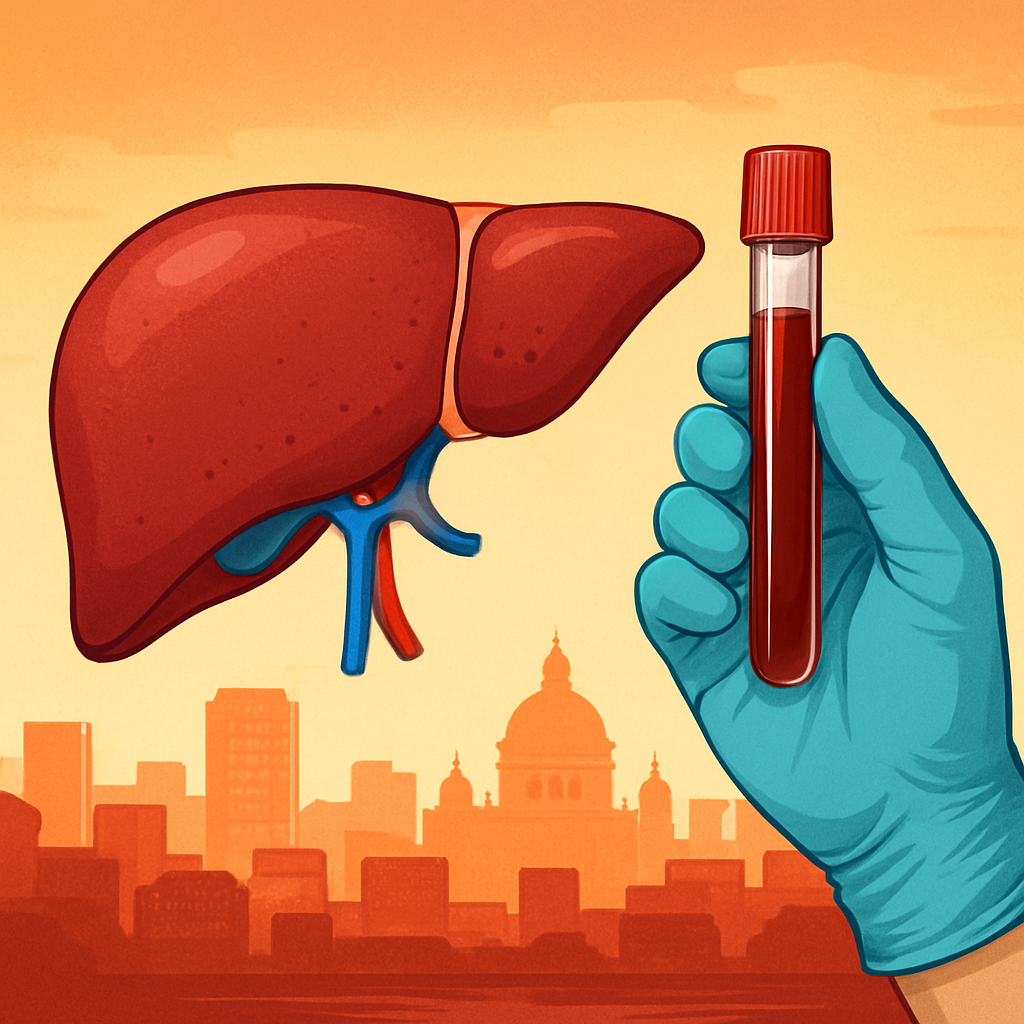
If you are in Dhaka and have jaundice, abdominal pain, or abnormal blood results, understanding liver function tests Dhaka doctors order will change what happens next. This short guide explains what each test measures, how to read common patterns that point to gallstones, liver tumors, or pancreatic disease, and the practical next steps, including when to seek surgical evaluation at Popular Medical College Hospital with Dr Murshidul Arefin.
How liver function tests work and what they measure
A liver panel is a diagnostic map, not a conclusion. Each value points at a process – cell injury, bile flow problems, or loss of the liver's ability to make proteins – and the pattern of several tests together directs the next test or referral.
What the core tests mean
- AST (aspartate aminotransferase): 10-40 U/L — marker of hepatocellular injury; high in viral hepatitis, toxins, or ischemia.
- ALT (alanine aminotransferase): 7-56 U/L — more liver-specific than AST; large rises suggest acute liver cell injury.
- ALP (alkaline phosphatase): 44-147 U/L — rises with bile duct obstruction or cholestasis; check GGT to confirm hepatic origin.
- GGT (gamma glutamyl transferase): 9-48 U/L — helps distinguish liver versus bone source of ALP elevations.
- Total and direct bilirubin: 0.1-1.2 mg/dL (total) — direct (conjugated) bilirubin rise suggests impaired bile excretion.
- Albumin: 3.5-5.0 g/dL — reflects synthetic function and chronic liver reserve.
- Prothrombin time / INR: 0.9-1.1 — sensitive to acute loss of synthetic function; important for surgical risk.
Common test patterns and what they prompt
- Hepatocellular pattern: marked ALT/AST elevation (often >5-10x upper limit) with relatively normal ALP – suggests acute hepatitis or drug injury; order viral serology, review medications, and repeat quickly.
- Cholestatic pattern: ALP and GGT notably raised with elevated direct bilirubin – suggests bile duct obstruction from gallstones or a mass; proceed to ultrasound and consider MRCP or urgent ERCP if jaundiced with fever or worsening labs.
- Synthetic dysfunction: low albumin and INR >1.5 indicate poor liver reserve – this changes surgical planning and may require optimization or specialist hepatology input before any elective operation.
- Mixed pattern: moderate elevations across enzymes – think combined processes such as biliary sepsis, metastatic disease, or late presentations of pancreatic head compression.
Practical limitation: LFTs are imperfect. Early obstruction can give only a mild enzyme rise, and small liver tumors may leave panels near normal. Relying on a single snapshot is a common mistake; interpret tests with clinical signs and imaging.
Concrete Example: A patient in Dhanmondi with right upper quadrant pain has ALP 420 U/L, GGT 320 U/L, and direct bilirubin 4.0 mg/dL. An ultrasound shows dilated intrahepatic ducts – this pattern points to obstructive jaundice and usually triggers MRCP and urgent ERCP to remove a stone or place a stent, followed by surgical planning.
When you bring LFT results to a consult in Dhaka, expect the clinician to interpret patterns, not single numbers. If you need a reliable local lab or want to book a focused surgical review at Popular Medical College Hospital, use consultation. For basic patient-facing detail on LFTs see the NHS guide at NHS liver function tests.
Interpreting common test patterns relevant to surgical disease
Immediate clinical effect: In surgical practice the pattern of liver blood tests changes what you do in hours, not weeks. When you present with abnormal liver function tests Dhaka clinicians are deciding between rapid duct imaging and endoscopy, admitting for medical stabilisation, or arranging elective workup — the pattern steers that choice.
Choosing the right next test and the trade-offs
Ultrasound first, MRCP next, ERCP when therapeutic: Bedside abdominal ultrasound is the fastest, cheapest option available across Dhaka and it rules in duct dilatation. MRCP gives a complete noninvasive map of the biliary tree but is slower and not therapeutic. ERCP treats obstruction at the same time you diagnose it, but it is invasive and requires experienced endoscopists — choose ERCP only when treatment is likely or when the patient has cholangitis.
Practical limitation: Relying on a single enzyme number misleads. Enzymes reflect process, not location; labs can lag behind symptoms and small duct stones or early pancreatic compression may show only mild abnormalities. In Dhaka this means clinicians frequently prioritise imaging when clinical signs and labs disagree.
How synthetic markers change surgical decisions: Low albumin and an abnormal INR do more than label chronic disease — they change what operations are safe, how much liver can be removed, and whether you need preoperative optimisation or hepatology input. Expect a surgeon to pause elective resections if synthetic function is compromised.
Concrete Example: A patient on antitubercular therapy develops jaundice and a sharp rise in transaminases over days. The immediate steps were stopping the offending drugs, admitting for observation and supportive care, sending viral serology and coagulation studies, and scheduling ultrasound—this sequence prevented an unnecessary emergency operation and identified a drug-induced injury needing medical management.
Local judgement call: In Dhaka the pragmatic workflow favours rapid ultrasound followed by targeted MRCP or CT if the ultrasound is inconclusive. If clinical signs of infection or worsening jaundice appear, arrange endoscopic or surgical intervention without delay; waiting for perfect lab confirmation is a common and avoidable mistake.
If you want a focused surgical review at Popular Medical College Hospital bring recent blood reports, any imaging, and a symptom timeline; you can book a visit via the consultation page so the team can prioritise imaging or endoscopic pathways before your appointment.
Common causes in Dhaka and how tests guide diagnosis
Clear point: in Dhaka you will most often see two diagnostic pathways coming from abnormal liver panels — one that points to bile duct blockage and requires fast imaging or endoscopy, and another that indicates chronic or hepatocellular disease that needs screening and staged workup. Liver function tests Dhaka clinicians rely on are the starting signal; they do not replace targeted scans or serology.
Infectious and chronic liver disease — what tests add
Practical use: persistent or fluctuating ALT elevations in Dhaka trigger viral screening (HBsAg, anti-HCV) plus an ultrasound to look for cirrhosis or focal lesions. A mildly abnormal panel with a normal ultrasound still needs follow up — small hepatocellular carcinomas or early cirrhosis can leave only subtle biochemical changes, so clinicians often add AFP and repeat imaging at defined intervals.
Biliary obstruction versus pancreatic or malignant causes
How tests steer urgency: a cholestatic profile (high ALP/GGT with conjugated bilirubin rise) shifts the diagnostic track toward biliary imaging — start with ultrasound for duct dilatation, then escalate to MRCP or contrast CT when ultrasound is inconclusive. If the clinical picture suggests infection or worsening jaundice, arrange therapeutic endoscopy (ERCP) rather than waiting for more labs.
Trade-off to understand: MRCP is noninvasive and diagnostic but often slower and costlier in Dhaka; ERCP treats but has a real complication risk and depends on experienced endoscopists. Choosing MRCP first is sensible when the diagnosis is uncertain; choose ERCP up front when the test is likely to be therapeutic.
Less obvious causes: medication-related liver injury and fatty liver disease frequently produce mild, persistent enzyme rises. The common mistake is assuming normal imaging rules these out — a careful medication history, metabolic screen, and a plan to repeat tests after stopping suspect drugs is the right approach.
Concrete Example: A 54-year-old patient in Dhanmondi has intermittent jaundice and weight loss with ALP 380 U/L, GGT 260 U/L and moderate direct bilirubin elevation. Ultrasound shows bile duct dilation but no clear stone; the team ordered contrast CT to exclude a pancreatic head lesion and arranged ERCP staging if the CT suggested an obstructing mass. This sequence avoided an unnecessary operation and allowed coordinated endoscopic drainage before definitive surgery.
Judgment call for Dhaka patients: do not let a single normal or mildly abnormal LFT reassure you when symptoms persist. In this setting, early imaging escalation — CT or MRCP — is often the most cost-effective move because it prevents repeated low-yield testing and shortens time to definitive treatment.
When to seek urgent care or surgical referral and how LFTs change management
Red flags that need immediate attention: fever with jaundice, worsening mental status or fainting, persistent severe right upper quadrant pain with rising bilirubin, or a rapidly deteriorating coagulation profile. When these appear alongside abnormal liver function tests Dhaka clinicians treat the situation as time-sensitive — arrange emergency assessment rather than waiting for outpatient follow up.
How LFT patterns steer the first decision: a predominately cholestatic panel with clinical jaundice usually pushes teams toward urgent biliary drainage (endoscopic or percutaneous) before any definitive surgery. A hepatocellular-dominant pattern without obstruction points toward medical management and targeted investigations first. The trade-off is real: acting quickly with ERCP solves obstruction but risks complications if expertise is limited; delaying to obtain perfect imaging may allow infection or liver injury to worsen.
Preoperative implications you should know: abnormal synthetic markers change the conversation from when to operate to whether it is safe to operate. Low albumin or an abnormal INR will often trigger steps to correct coagulopathy, improve nutrition, or refer to hepatology and anaesthesiology for risk assessment. For planned liver resections, surgeons in Dhaka will commonly request additional tests such as volumetric CT to confirm adequate future liver remnant before proceeding — this is not bureaucracy, it is safety.
Local systems and a practical judgment call: many Dhaka hospitals do not have round the clock therapeutic ERCP. In practice I advise patients with obstructive patterns and systemic signs to go to a centre that offers endoscopy and surgery together. That avoids repeated transfers and reduces the chance of emergency surgery on a decompensated liver.
Concrete Example: A 60-year-old patient arrived at a Dhanmondi clinic with fever, jaundice, and hypotension. Bloods suggested obstructive cholestasis with rising bilirubin and a worsening INR. The local centre lacked an urgent ERCP team, so the patient had temporary percutaneous drainage to control sepsis and was transferred to Popular Medical College Hospital for definitive endoscopic clearance and planned cholecystectomy. Staged care prevented a high-risk emergency operation and allowed correction of coagulation before surgery.
Practical steps for patients in Dhaka
- If you have red flag signs: go to the nearest emergency department and take your latest LFT report and list of medications.
- If labs show obstruction but you are stable: arrange imaging within 24 to 48 hours and ask whether the centre provides therapeutic ERCP; if not, request transfer to a facility that does.
- If you are being evaluated for liver surgery: bring printed LFTs, prior imaging, and a clear medication list to your consultation at Popular Medical College Hospital so the team (including surgical, anaesthetic, and hepatology input) can plan safely — book via the consultation page.
Takeaway: treat worrying symptoms plus abnormal LFTs as urgent; the lab pattern decides whether the first move is endoscopic drainage, medical stabilisation, or staged surgical planning — ask where definitive endoscopy and multidisciplinary liver care are available before committing to a local centre.
Practical steps for patients in Dhaka: testing, preparation, and what to bring to your consult
Start with a checklist rather than hope. That one habit prevents wasted trips, stops unnecessary repeat tests, and gets you to definitive imaging or treatment faster when abnormal liver function tests Dhaka clinicians care about are present.
Before you book a test
- Confirm the panel contents: make sure the lab will run AST, ALT, ALP, GGT, total and direct bilirubin, albumin, and PT/INR. For surgical planning an INR and albumin are non-negotiable; cheap spot-tests sometimes omit them.
- Choose a reliable provider: prefer an accredited or hospital-affiliated lab with same-day phlebotomy and documented sample handling. Speed matters in suspected obstruction; accuracy matters if surgery may follow.
- Time the tests: schedule bloods early morning so ultrasound or CT can follow the same day if needed. If an abdominal ultrasound is likely, plan to fast as instructed by the imaging centre.
Practical trade-off: a private lab that promises rapid results may save time but check whether they report direct bilirubin and INR. If you are being evaluated for surgery or obstruction, a marginally slower hospital lab that provides a complete panel is usually the better investment.
On the day of testing and before the consult
- Bring originals and copies: printed or digital copies of recent blood tests, any ultrasound/CT/MRCP images on CD or USB, and pathology reports if available.
- Medication and herbal list: include prescription drugs, over-the-counter analgesics like paracetamol, and herbal remedies — all can alter enzymes or change management.
- Symptom timeline: one-page chronology (when jaundice started, fevers, pain pattern) — this is the fastest way for a surgeon to triage urgency.
Limitations patients should know: point-of-care rapid tests and small clinics may not separate conjugated from unconjugated bilirubin or produce reliable INR. For decisions that affect operations, insist on full lab reports from a certified laboratory; vague readouts are not enough.
Concrete Example: A woman from Dhanmondi had rising jaundice and a single-line rapid test at a neighbourhood clinic showing elevated bilirubin. Because the clinic did not report direct bilirubin or INR, she was sent home. When she presented to a hospital next day with full labs, the pattern showed cholestasis and sepsis; same-day ultrasound and ERCP were arranged. Having the comprehensive panel up front would have shortened the path to treatment by at least 24 hours.
Bring: recent blood reports, imaging files, a complete medication list, photo ID, and a one-page symptom timeline. This set lets the surgical team make meaningful decisions on first review.
Next consideration: if your results suggest obstruction or rising bilirubin, ask whether the centre provides endoscopic therapy the same day; if not, request transfer to a facility that combines imaging, ERCP, and surgery to avoid fragmented care.
Sample patient scenarios with recommended next steps
Real-world decision making depends on the dominant abnormality, not a single number. Match the lab pattern to the appropriate speed of action — some results need same-day intervention, others need measured investigation.
Scenario 1 — Mild isolated transaminase rise in a well patient
Presentation: ALT 90 U/L, AST 70 U/L, normal bilirubin and ALP; no symptoms. Recommended next steps: repeat the full panel in 6 to 12 weeks, review all medications and herbal supplements, order viral hepatitis serology and basic metabolic screening, and consider an ultrasound only if abnormalities persist or risk factors for fatty liver exist. Why this approach: immediate imaging is low yield and drives cost without changing management for most asymptomatic cases.
Concrete example: A 35-year-old office worker in Dhaka had ALT 110 U/L on routine testing. After stopping a herbal supplement and completing viral tests that were negative, lifestyle changes and a repeat test at 8 weeks showed improvement — no invasive workup required. Using a reliable local lab that reports a full panel avoided unnecessary CT scans.
Scenario 2 — Cholestatic picture with pain and fever
Presentation: ALP and GGT markedly raised, direct bilirubin 3 mg/dL, right upper quadrant pain with fever. Recommended next steps: admit for blood cultures and broad-spectrum antibiotics if sepsis is suspected, urgent abdominal ultrasound to confirm duct dilation, and arrange therapeutic ERCP within 24 hours when choledocholithiasis or obstructing lesion is likely. If ERCP is not available the correct trade-off is percutaneous biliary drainage plus transfer to a centre offering endoscopy and definitive care.
Concrete example: A patient presented to a neighborhood clinic with fever and jaundice. The clinic identified obstructive labs but had no ERCP service; percutaneous drainage controlled infection and the patient was transferred to Popular Medical College Hospital where endoscopic clearance and follow-up cholecystectomy were completed safely. This staged route reduces emergency surgery on a sick liver.
Scenario 3 — Abnormal synthetic markers before planned liver resection
Presentation: albumin 2.6 g/dL and INR 1.6 in a patient booked for hepatectomy. Recommended next steps: postpone elective resection, admit or refer for optimization (nutritional support, correct coagulopathy, treat reversible causes), obtain CT volumetry to assess future liver remnant, and involve hepatology and anaesthesia for shared risk assessment. Trade-off to understand: delaying surgery risks tumour progression but proceeding with poor synthetic function increases morbidity and mortality — the safer route is optimisation or alternative staging such as portal vein embolization when appropriate.
Concrete example: A patient with a solitary liver lesion had borderline synthetic function. The team used nutritional support and portal vein embolization to grow the remnant liver, then performed a planned resection with uneventful recovery. That staged strategy is preferable to rushing to an operation the liver cannot tolerate.
Practical limitation patients should expect: laboratories vary in which subcomponents they report. When surgical decisions are possible insist on a complete panel including direct bilirubin, GGT, albumin, and INR from a certified laboratory in Dhaka; partial reports create dangerous uncertainty and often force repeat testing.
Next consideration: if you have obstructive labs with systemic features, do not wait for elective outpatient appointments; seek a centre that can perform endoscopy and surgery together to avoid fragmented care.
How Dr Murshidul Arefin and Popular Medical College Hospital approach abnormal LFTs
Direct approach, fast decisions. At Popular Medical College Hospital abnormal liver tests are not inspected slowly — they trigger a pathway designed to answer one question quickly: does this patient need urgent biliary drainage, medical stabilisation, or staged surgical planning?
First 24 hours: focused triage and immediate priorities
On receiving your blood results the clinical team prioritises three things: severity of bilirubin rise and INR, presence of systemic infection, and symptoms suggesting biliary obstruction. If any of these are concerning the patient is admitted or fast-tracked for same-day imaging. A repeated INR and a rapid bedside ultrasound are often done within hours so the team can choose between urgent endoscopy, percutaneous drainage, or observation.
- Typical in-hospital steps: rapid confirmation of abnormal values (repeat labs), targeted ultrasound, coordination with endoscopy if intervention is likely, and a brief multidisciplinary review including surgery, anaesthesia, and hepatology.
- When ERCP is considered immediately: cholestatic pattern with fever, progressive jaundice, or imaging showing duct dilation — the hospital will prioritise endoscopic therapy if experienced endoscopists are available.
- When staging is preferred: if synthetic function is impaired or the diagnosis is unclear, teams stabilise the patient, optimise nutrition/coagulation, and plan definitive surgery after imaging and functional assessment.
Practical trade-off: acting fast with ERCP relieves obstruction and often prevents sepsis, but it carries procedural risk. Conversely, staging an intervention to correct coagulopathy or improve nutrition lowers perioperative complications but delays definitive tumour removal — the team balances immediate safety against the risk of disease progression.
Concrete example: A man from Dhanmondi arrived with worsening jaundice and ALP/GGT dominant abnormalities. He had a bedside ultrasound within three hours showing common duct dilation; ERCP was performed the same day to remove a stone and place a temporary stent. After two weeks of recovery and nutritional support he returned for elective laparoscopic cholecystectomy with a predictable, low-risk recovery.
In practice I often see patients referred too late from centres without endoscopy; that incurs extra transfers and raises the chance of emergency surgery on a sick liver. My judgement is clear: if obstruction plus systemic signs is likely, go to a centre that can combine imaging, ERCP, and surgical care the same day rather than waiting for outpatient escalation.
Next consideration: if your test pattern suggests obstruction or worsening synthetic function, ask during booking whether the centre can perform same-day endoscopy and surgical assessment — that choice materially shortens time to safe treatment.
Related Articles

Laparoscopic Surgery: Benefits, Recovery and What Patients in Dhaka Should Expect
Laparoscopic Surgery: Benefits, Recovery and What Patients in Dhaka Should Expect In Dhaka, laparoscopic surgery often means smaller incisions, less […]
Read More
Gallbladder Problems: Signs, Treatment Options and When to See a Surgeon in Dhaka
Gallbladder Problems: Signs, Treatment Options and When to See a Surgeon in Dhaka In Dhaka, gall bladder problems can masquerade […]
Read More
Biliary Tract Disorders in Dhaka: Symptoms, Diagnosis and Surgical Treatment Options
Biliary Tract Disorders in Dhaka: Symptoms, Diagnosis and Surgical Treatment Options Biliary tract problems can present as intermittent pain, jaundice […]
Read More