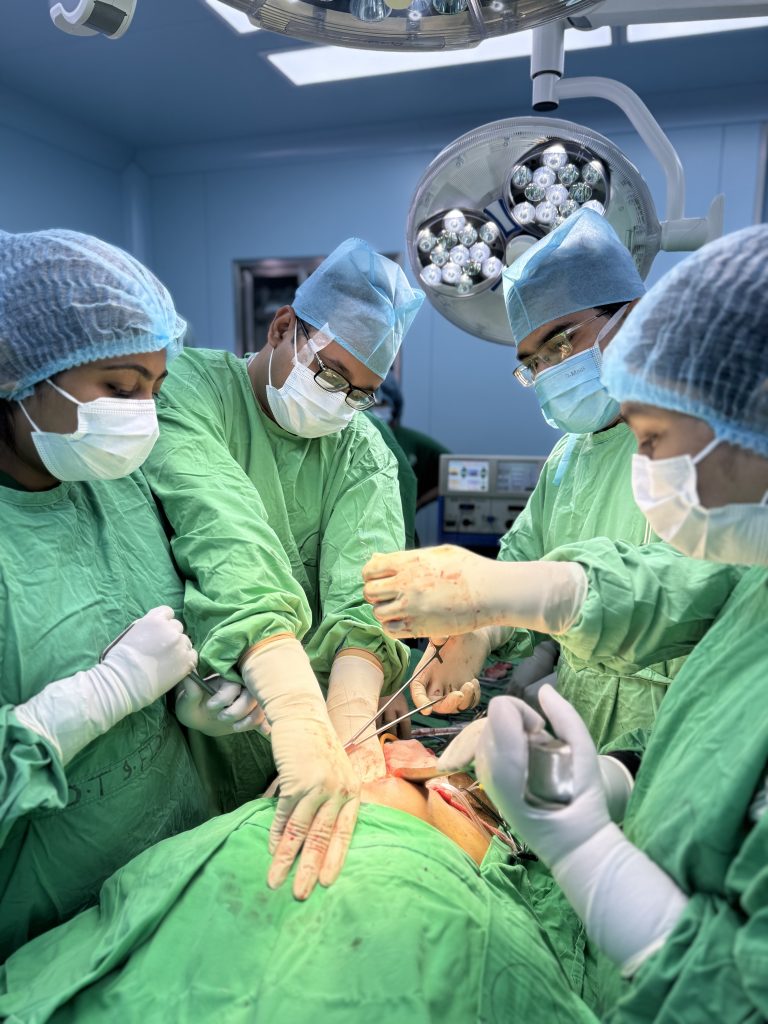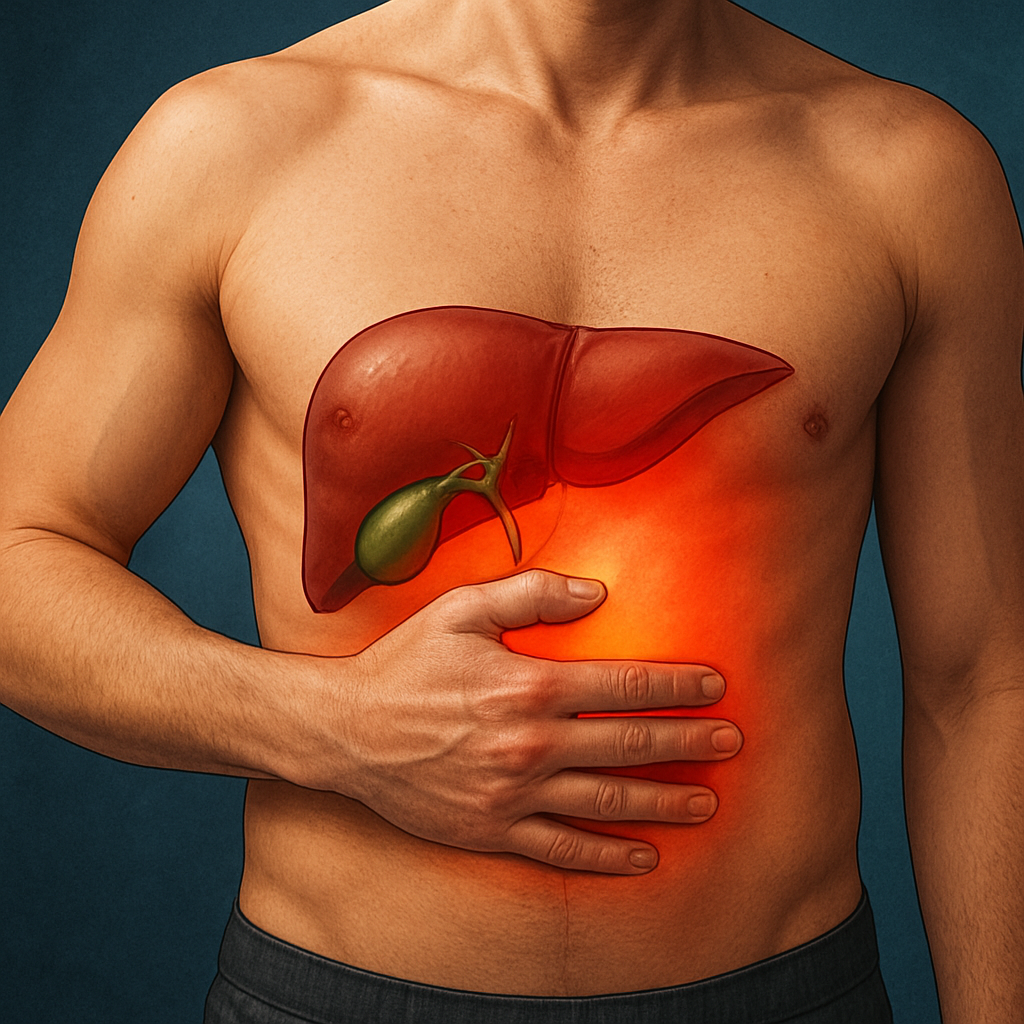
In Dhaka, gall bladder problems can masquerade as ordinary stomach trouble, but timely recognition makes a big difference. This guide covers the signs to watch for, what the diagnostic path looks like here, and the full range of treatment options—from conservative care to laparoscopic surgery—helping you decide when to see a hepatobiliary surgeon like Dr Murshidul Arefin at Popular Medical College Hospital. You’ll learn what to expect at consultation, preoperative steps, and recovery so you can navigate the local care pathway with confidence.
Signs of Gallbladder Problems in Dhaka
Typical signs of gall bladder problems in Dhaka center on the gall bladder as the source of discomfort. The classic pattern is right upper quadrant pain after meals, especially fatty foods, described as a dull ache that can radiate to the back or right shoulder. Nausea and abdominal bloating often accompany the pain, and many patients notice a brief period of fullness after eating. These features point toward gall bladder irritation within the biliary system.
In practice, the pain fluctuates with meals and may disappear between episodes, a pattern known as biliary colic. Some patients report that the pain worsens during the night or with exertion, and it may be sustained for 30 minutes to several hours. Recognizing this temporal link to food helps distinguish gall bladder pain from other abdominal disorders, though the pattern is not foolproof.
When fever accompanies the pain, or pain becomes constant and severe, jaundice appears, or stool and urine change color, urgent evaluation is necessary because this suggests acute cholecystitis or obstruction of bile flow. In Dhaka hospitals, these red flags trigger rapid assessment and imaging to prevent complications such as infection or bile duct injury. Delays increase the risk of hospital admission and higher surgical risk if the condition progresses.
Pain from the gall bladder can resemble gastritis, ulcers, pancreatitis, or peptic disease, so local evaluation matters. The key clues are timing with meals, location, and whether the pain radiates, plus associated symptoms like vomiting or fever. A careful history and targeted exam help the clinician decide whether conservative care, imaging, or urgent referral is needed.
Example: A 45-year-old Dhaka resident presents after dinner with right upper quadrant pain that lasts about an hour and is accompanied by mild nausea. A nearby clinic orders an abdominal ultrasound, which reveals gallstones without duct dilation. The clinician explains that if symptoms persist or worsen, cholecystectomy may be recommended, and refers the patient to a hepatobiliary surgeon for discussion of options and preoperative testing at Popular Medical College Hospital.
Ultrasound is the first-line test to assess gallstones, gallbladder wall thickening, and duct dilation. If ducts are suspected to be involved, additional imaging such as MRCP or HIDA scanning may be needed to map bile flow. In Dhaka, coordinating imaging with a surgical consult streamlines care, and centers like Popular Medical College Hospital routinely integrate imaging findings with a planned surgical pathway when gallbladder disease is confirmed. These options are powerful, but they add time and cost, so clinicians balance the need for duct assessment against the urgency to treat symptoms. For local guidance, see when to see a hepatology doctor.
Takeaway: Early recognition of signs and timely evaluation by a local hepatobiliary surgeon is essential to prevent progression to cholecystitis or bile duct obstruction.
Common Causes and Why They Matter for Treatment
Common causes drive both symptoms and treatment choices for gallbladder problems. In Dhaka, the bulk of cases arise from stones forming in the gallbladder, sometimes accompanied by sludge or chronic inflammation. Correctly identifying the driver matters because a stone in the gallbladder differs from bile-duct stones or a gallbladder wall thickening due to chronic cholecystitis. Ultrasound is the cornerstone of initial assessment here, and the result helps decide whether to pursue gallbladder removal, ductal evaluation, or watchful waiting.
Gallstones are the leading cause of gallbladder issues and the main reason many patients end up needing surgery. In Dhaka, risk factors cluster around obesity, rapid weight loss, female sex, and a family history of gallstone disease. Most stones are cholesterol-based, but pigment stones occur with certain liver or blood conditions, and sludge can precede full stones as a symptomatic trigger.
Cholecystitis and biliary colic present differently and dictate urgency. Biliary colic causes waxing and waning RUQ pain after meals, usually without fever or leukocytosis. Acute cholecystitis presents with persistent pain, fever, and elevated inflammatory markers, and early surgery often yields better outcomes. For example, a patient in a Dhaka clinic with recurrent post-meal pain and ultrasound showing stones without duct dilation underwent elective laparoscopic cholecystectomy after medical optimization.
Gallbladder polyps are less common but matter for follow-up. Most polyps are benign, yet larger polyps or those changing in size raise suspicion and may prompt removal or close surveillance. Rare tumors are a reminder that if imaging detects a suspicious lesion, referral to a hepatobiliary surgeon for targeted evaluation is prudent.
Treatment decisions hinge on balancing risk and benefit. Non-surgical management can ease symptoms and control infection in selected cases, but it does not address underlying stones. Laparoscopic cholecystectomy is the standard for symptomatic gallstones and uncomplicated cases, offering rapid recovery when done by experienced teams. If the ducts are involved or stones are in the bile duct, ERCP and coordinated duct clearance become essential, and this is a scenario where a hepatobiliary specialist in Dhaka adds real value. For elderly patients or those with significant comorbidities, plan around anesthesia risk and hospital stay; staged or selective surgery may be appropriate.
Diagnostic Pathway in Bangladesh: What to Expect
In Dhaka the diagnostic pathway for gallbladder problems starts with ultrasound as the first line of testing because most issues are visualized there. The scan checks for gallstones, gallbladder wall thickening, and signs of inflammation, often guiding urgent planning. If findings are straightforward, you move quickly toward management with a hepatobiliary team at Popular Medical College Hospital; for atypical cases a specialist referral helps sharpen the plan When to see a hepatology doctor.
Accompanying imaging, basic labs establish the next steps. Liver function tests and a white blood cell count help separate inflammation from obstruction. Mild bilirubin rise or elevated alkaline phosphatase raise concern for bile duct involvement, which may prompt duct-focused imaging or surgical evaluation.
When ultrasound and labs do not settle the issue, targeted imaging maps the biliary tree. A HIDA scan assesses gallbladder drainage and cystic duct blockage. MRCP provides a noninvasive view of the bile ducts, while CT helps in complex anatomy or complications. In Dhaka, these tests are typically arranged through major centers and linked to clinic appointments with a surgeon when indicated, depending on risk to the ducts MRCP info.
Popular Medical College Hospital in Dhaka offers a coordinated pathway from imaging to specialist review. You’ll encounter ultrasound and labs, access to MRCP if needed, and a hepatobiliary surgeon consult as part of an integrated plan. Dr Murshidul Arefin leads this care, focusing on precise evaluation and a patient centered approach to preop planning and scheduling.
Concrete use case: a 50 year old with postmeal RUQ pain has ultrasound showing gallstones and a normal bile duct. Labs show a mild inflammatory response but normal bilirubin. The plan is laparoscopic cholecystectomy; if duct stones are found on MRCP, ERCP is considered to clear the ducts before removal.
Tradeoffs and practicalities: imaging availability and cost in Dhaka shape decisions as much as medical necessity. HIDA adds precision but requires time, MRCP pictures ducts without radiation but costs more, and ERCP may be needed for duct stones. For older or high risk patients, early surgical consultation helps align anesthesia planning with a realistic recovery timeline.
Next steps: if you are in Dhaka and experience right upper quadrant or digestive symptoms, begin with a formal ultrasound and request a hepatobiliary referral to confirm the diagnostic plan and timeline.
Treatment Options: From Non-Surgical to Surgical
Two paths govern treatment for gallbladder problems in Dhaka: non-surgical measures to control symptoms and infection, and definitive surgical removal for lasting relief. The choice depends on symptom severity, whether ducts are involved, and the patient is healthy enough for anesthesia. For many with biliary colic or mild inflammation, non-surgical steps can stabilize the situation temporarily, but they do not fix the underlying issue.
Non-surgical management centers on symptom relief and infection control while a plan for definitive care is developed. This includes analgesia for pain, antiemetics for nausea, hydration, and antibiotics when there is active infection. A small subset of cholesterol stones may respond to ursodeoxycholic acid, but response is slow and not reliable for long term relief or duct obstruction.
Definitive treatment is laparoscopic cholecystectomy, the standard for most gallbladder disease. It is minimally invasive, usually performed under general anesthesia, and many patients go home within 24 hours and resume normal activities within a week. Open cholecystectomy remains an option for complex anatomy, dense inflammation, or when prior abdominal surgery makes laparoscopy difficult. In Dhaka, major centers offer laparoscopic removal with experienced teams and clear postoperative plans.
When bile duct stones are suspected or confirmed, planning changes. ERCP can remove stones from the common bile duct, and MRCP or CT helps map anatomy before surgery. ERCP carries risks such as pancreatitis and infection, so timing matters. Sometimes duct clearance is done before gallbladder removal, other times stones are addressed in the same session. In Dhaka tertiary centers these services are available with coordinated anesthesia and postoperative care. For more about when to see a specialist, see this guide on when to see a hepatology doctor.
Elderly or high risk patients require careful preoperative optimization. Preoperative assessment focuses on cardiopulmonary status, nutrition, and medication reconciliation. In such cases a staged approach or more conservative strategies may be appropriate, and the anesthesia plan will be tailored to minimize risk. The aim is a safe operation with rapid recovery, not a rushed decision.
Concrete example: A 52 year old nurse in Dhaka with recurrent right upper quadrant pain and a gallbladder full of stones on ultrasound proceeds to laparoscopic cholecystectomy after confirming that the bile ducts are clear. She is discharged within 24 hours and back at work in 7 to 10 days. This shows how the workflow works in a typical Dhaka hospital setting.
Next step is to arrange a consultation with a hepatobiliary surgeon to map the care pathway. A clear imaging plan, discussion of risks and expected recovery, and a realistic timeline will help you decide between non surgical optimization and surgical removal.
When to See a Surgeon in Dhaka and What to Expect
In Dhaka, you should see a hepatobiliary surgeon when gall bladder symptoms persist or complications emerge. Indications for specialist referral include ongoing biliary colic with increasing frequency, right upper quadrant pain with fever or elevated white blood cell count, jaundice suggesting bile-duct involvement, or imaging that shows gallbladder polyps or stones within the bile ducts. In practice, early input from a trained hepatobiliary surgeon at Popular Medical College Hospital helps map a safe, definitive plan and reduces the risk of recurrent attacks or infections.
During the consultation at Popular Medical College Hospital with Dr Murshidul Arefin, you should expect a thorough history and focused exam, plus a careful review of prior imaging and lab results. He will discuss whether surgery is the most appropriate option, outline the likely approach (laparoscopic cholecystectomy as the standard; open surgery if the anatomy or inflammation is complex), and clearly explain risks, expected recovery, and what to expect in the weeks after. Bring prior ultrasound reports, any CT or MR imaging, current medications, allergies, and a list of questions about anesthesia or postoperative care. If there is concern about bile ducts, additional imaging such as MRCP may be recommended, and your team will coordinate testing accordingly. For context on pre-referral considerations, you can look at general guidance on when to seek hepatology care here.
Preoperative and Intraoperative Pathway
Once surgery is determined to be the right path, you move into a focused preoperative process. Expect a standard set of tests and evaluations to tailor anesthesia and minimize risk. A dedicated anesthesia assessment will address airway, cardiac risk, and any medications you take regularly. In Dhaka, the common route is laparoscopic cholecystectomy, with open surgery reserved for anatomy or prior surgeries that complicate access. If stones in the bile duct are present, ERCP may be performed before or during surgery to clear the ducts. Clear communication about the plan, alternatives, and potential complications is essential to informed consent.
- Preoperative tests: CBC, liver function tests, kidney function, and an anesthesia evaluation.
- Imaging review: Confirm gallbladder status and assess bile ducts; MRCP or HIDA may be added if ducts are suspected to be involved.
- Surgical plan: Laparoscopic cholecystectomy as the default; open surgery if needed for safety or anatomy.
- Adjunct procedures: ERCP for duct stones when indicated, either before or during the operative course.
- Recovery expectations: Typical stay of 1–2 days after laparoscopic surgery, with progressive return to activity over the following weeks.
In Dhaka, real-world constraints matter. Imaging access, operating-room availability, and postdischarge support can shape timing and the exact pathway. A well-timed referral to a surgeon experienced in biliary anatomy reduces the chance of complications and unnecessary delays. Laparoscopic removal offers rapid recovery for most patients, but the success hinges on a skilled team and appropriate patient selection.
Take the next step by scheduling a consultation with Dr Murshidul Arefin at Popular Medical College Hospital in Dhanmondi to map your path from evaluation to recovery. Prepare by gathering imaging, lab results, a list of medications, and any questions about anesthesia or postoperative care.
Making the Right Choice: Why Dr Arefin at Popular Medical College Hospital
Choosing the right surgeon in Dhaka means aligning your medical needs with the hospital’s capability and the surgeon’s track record. Dr Murshidul Arefin is a Professor and hepatobiliary specialist whose practice centers on gallbladder and biliary tract disorders at Popular Medical College Hospital in Dhanmondi. His approach combines meticulous preoperative assessment, precise imaging interpretation, and a clear path from diagnosis to safe, minimally invasive surgery when appropriate.
- Bile duct assessment:** The status of the bile ducts drives the entire plan. If ductal stones or obstruction are present, a staged or combined approach with ERCP may be required before or during surgery.
- Imaging and surgical planning:** High-quality ultrasound paired with MRCP or CT helps map anatomy and plan for laparoscopy, intraoperative cholangiography, or, rarely, an open approach in Dhaka where needed.
- Patient factors and anesthesia:** Age, comorbidities, and prior surgeries influence anesthesia choice and postoperative recovery expectations.
- Hospital capabilities and recovery resources:** Availability of experienced biliary surgery teams, pain management protocols, and early mobilization support shapes the overall safety and pace of recovery.
Concrete example: a 62-year-old with symptomatic gallstones and a mildly dilated common bile duct on ultrasound. After reviewing MRCP and liver tests, Dr Arefin determines there are no ductal stones and proceeds with a laparoscopic cholecystectomy, using intraoperative cholangiography to confirm ductal patency. The patient walks out of the hospital within a day or two and returns to light activities within a week. This showcases how duct evaluation guides whether you do a straightforward operation in a single stage or need additional steps.
In practice, you trade speed for certainty. Pushing for a quick fix in a complex biliary tree can increase the risk of bile duct injury or missed duct stones, which later require additional procedures. Dhaka-specific realities—staffing, operating room availability, and postoperative support—shape not just when you have the operation, but how smoothly you recover. A thorough preoperative plan, clear expectations, and a realistic timeline are part of good care here.
- What to bring to the consultation:** prior imaging (ultrasound, MRCP), current medications, allergy history, and a brief record of past surgeries or anesthesia.
- Questions to ask:** Is a preoperative bile duct evaluation planned? Will I need ERCP before or during surgery? What is the expected hospital stay and activity plan after laparoscopic vs open approaches?
Related Articles
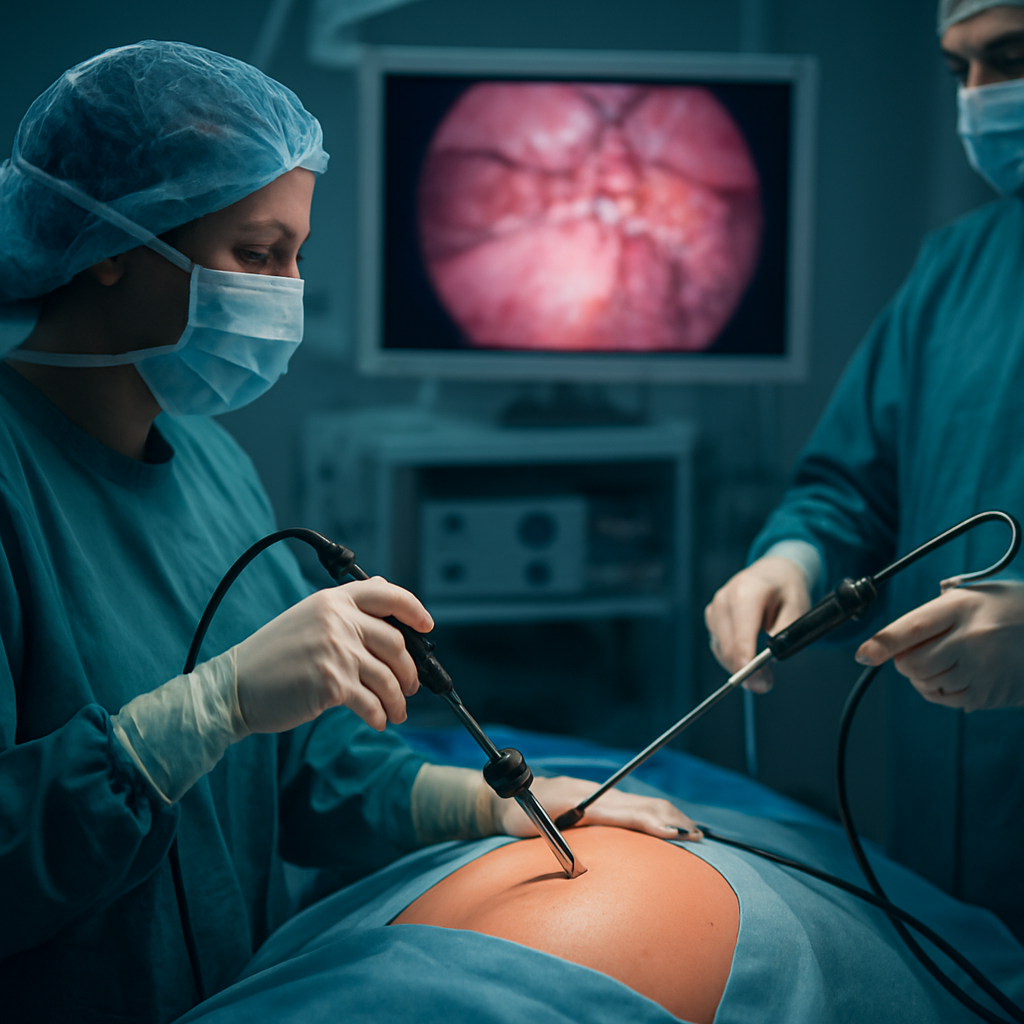
Laparoscopic Surgery: Benefits, Recovery and What Patients in Dhaka Should Expect
Laparoscopic Surgery: Benefits, Recovery and What Patients in Dhaka Should Expect In Dhaka, laparoscopic surgery often means smaller incisions, less […]
Read More
Understanding Liver Function Tests: A Clear Guide for Patients in Dhaka
Understanding Liver Function Tests: A Clear Guide for Patients in Dhaka If you are in Dhaka and have jaundice, abdominal […]
Read More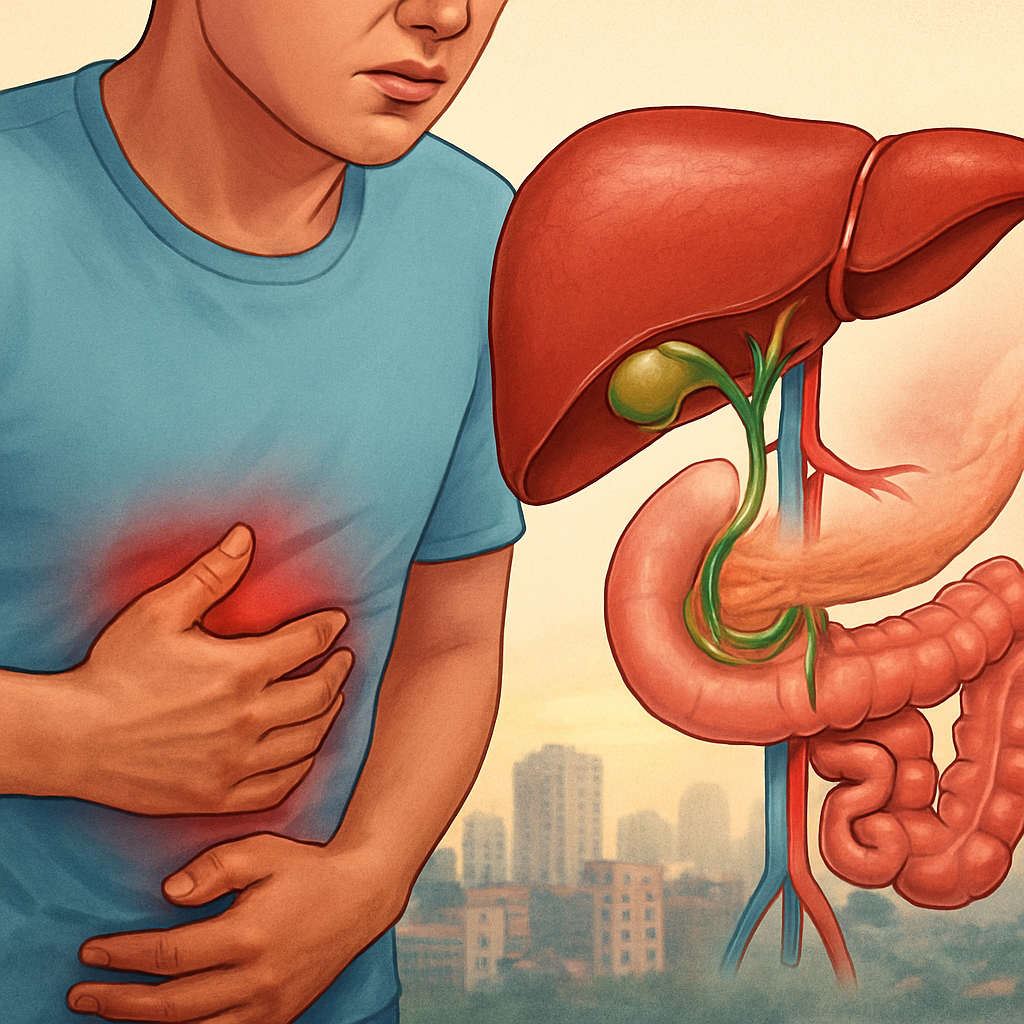
Biliary Tract Disorders in Dhaka: Symptoms, Diagnosis and Surgical Treatment Options
Biliary Tract Disorders in Dhaka: Symptoms, Diagnosis and Surgical Treatment Options Biliary tract problems can present as intermittent pain, jaundice […]
Read More