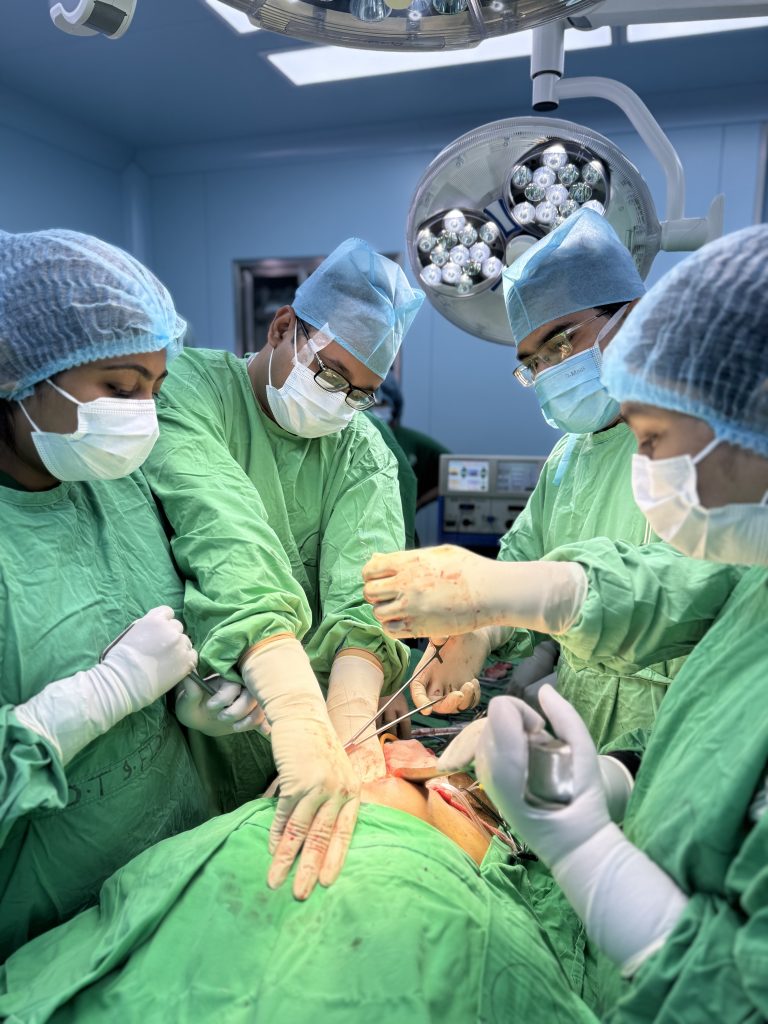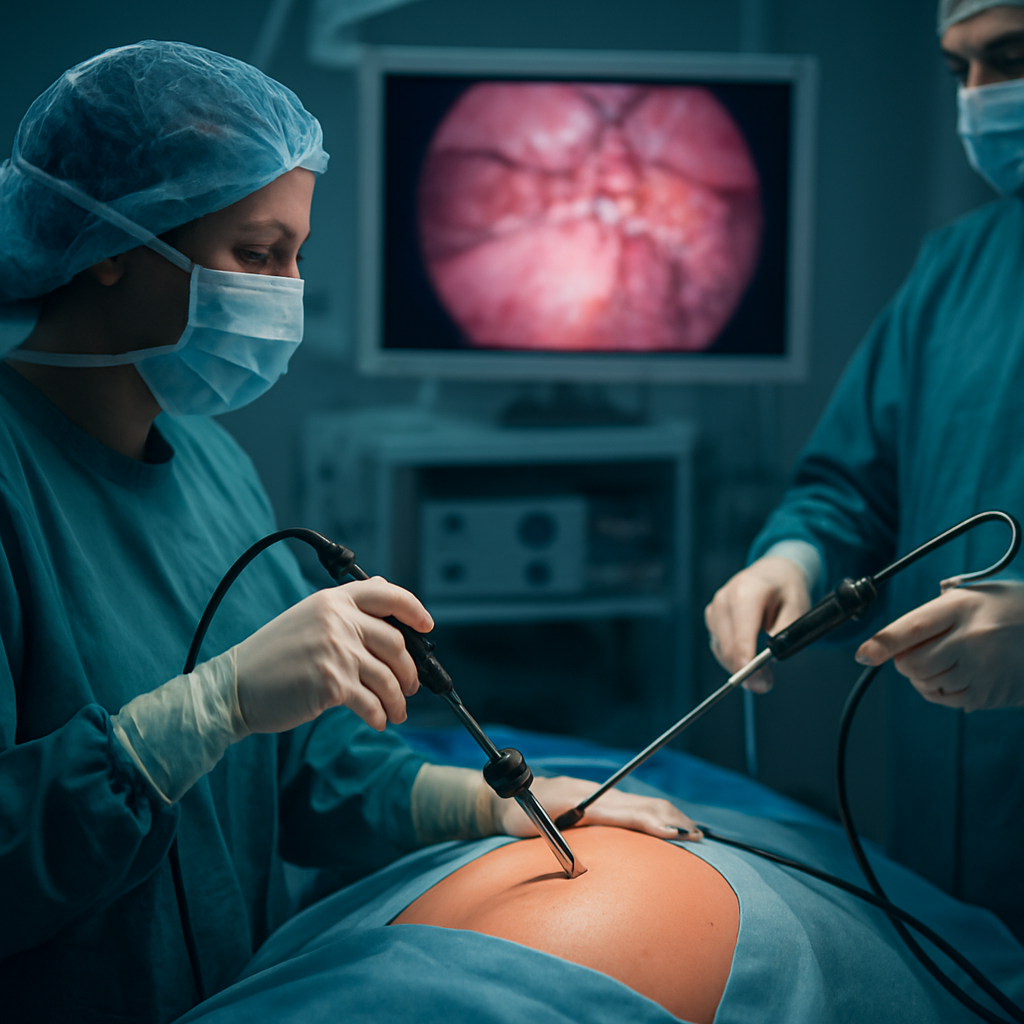
In Dhaka, laparoscopic surgery often means smaller incisions, less pain, and a faster path back to daily life for gallbladder, liver, and select pancreatic conditions. This guide explains what laparoscopic surgery involves, the procedures most relevant to local patients, and what to expect from preoperative workups, the hospital process, and postoperative care—specifically at Popular Medical College Hospital with Dr Murshidul Arefin. You’ll get practical, Dhaka-focused guidance on candidacy, costs, and planning your care so you can make informed decisions with real-world timelines.
Understanding Laparoscopic Surgery in Dhaka: Applications for Gallbladder, Liver and Pancreatic Care
In Dhaka, laparoscopic surgery has moved from a niche technique to a standard option for gallbladder disease and many liver-related conditions, delivered through experienced hepatobiliary teams at places like Popular Medical College Hospital with Dr Murshidul Arefin. Local access matters because outcomes hinge on the combination of surgical skill, perioperative care, and reliable follow-up in the city.
The core difference from open procedures is clear: small incisions, direct visualization with a laparoscope, and the use of multiple ports to access the abdominal cavity. This minimally invasive approach reduces tissue trauma, lowers post operative pain, and generally shortens hospital stay. In practice, Dhaka centers emphasize that anesthesia planning, infection control, and postoperative mobilization determine how quickly you recover, not just the incision size.
Applications start with gallbladder disease, where laparoscopic cholecystectomy is the standard. For liver concerns, select tumors or lesions can be addressed with therapeutic or diagnostic laparoscopy by a skilled team, and for certain pancreatic conditions, limited laparoscopic or hybrid approaches may be considered depending on anatomy and disease extent. When CBD stones are suspected, preoperative imaging and sometimes endoscopic steps (ERCP) are used to optimize safety before or during laparoscopy. See Dhaka-specific experience in liver tumor care at this resource for context, and general gallbladder guidance at recovery after gallbladder surgery in Dhaka. For broader external guidance, refer to Mayo Clinic, NHS, Hopkins and Healthline on lap chole basics.
Procedural Scope and Real-World Use
In the Dhaka context, the value of laparoscopy comes from its integration into a broader care pathway. A patient with gallstones benefits from a well-coordinated plan that includes preoperative imaging, anesthesia assessment, and a clear postoperative rehab schedule. For example, a typical gallbladder case at Popular Medical College Hospital uses four small incisions, an ambulatory anesthesia plan, and a short hospital stay, with most patients resuming light duties within 1–2 weeks depending on job demands. See the local care narrative in the linked patient journey and the liver-tumor care reference above for regional context.
Trade-offs and limitations matter in practice. Not every liver lesion is amenable to laparoscopy, and pancreatic procedures may require open or hybrid approaches if disease is extensive or anatomy is complex. Preoperative workup—advanced imaging, liver function tests, and sometimes ERCP for bile duct issues—shapes candidacy and planning. In Dhaka, surgeon experience and hospital support are critical risk modifiers; a delayed surgery or conversion to open is more likely when these elements are not in place.
When planning care at Popular Medical College Hospital, ask about the surgeon’s hepatobiliary track record, the hospital’s imaging and anesthesia capabilities, and the post-operative rehab options. Clarify costs, what is included in the stay, and what follow-up visits will look like in Dhaka. These factors directly influence recovery speed and long-term results.
Takeaway: map out the full care pathway with your surgeon in Dhaka—from preop assessments and anesthesia planning to postoperative care and return-to-work timelines—so you know what is realistically achievable in your local setting.
Benefits of Laparoscopy You Can Expect
In Dhaka clinics that perform laparoscopy, the payoff is tangible: laparoscopic surgery uses a narrow camera and small instruments inserted through tiny incisions, delivering far less tissue disruption than open procedures. The result is a gentler path through abdominal surgery, especially for gallbladder, liver, and select pancreatic conditions.
For gallbladder problems in particular, the typical advantages show up quickly: smaller scars, less postoperative pain, and shorter hospital stays. In practical terms, many patients can expect a one night stay or even same day discharge, with a faster return to daily activities and work when combined with effective pain control and early mobilization. For more on recovery, see the day by day guidance linked here Recovery guide.
Real world Dhaka care hinges on surgeon experience and the care setting. When performed by an experienced laparoscopic surgeon with appropriate equipment, wound infections decrease and overall recovery accelerates. That said, not every case is straightforward; factors like tumor size or prior surgeries can necessitate conversion to an open approach mid procedure, which alters the recovery timeline.
Concrete example: at Popular Medical College Hospital, a patient with symptomatic gallstones underwent a standard laparoscopic cholecystectomy. The operation used three small incisions, no drain, and the patient was discharged within 24 hours, with a plan to resume light duties within one to two weeks after postoperative guidance. This pattern reflects what can be expected when local expertise aligns with optimal perioperative care.
A practical trade-off to plan for is cost versus benefit. In Dhaka, the upfront investment in instruments and setup can be higher, but the downstream savings from shorter hospital stays and quicker return to normal life often offset this for suitable cases. There is also a small but real risk of bile duct injury or the need to convert to open surgery; these risks are mitigated by careful patient selection and intraoperative assessment by an experienced team.
For readers planning care at Popular Medical College Hospital, ensure a detailed preoperative plan, including imaging and anesthesia discussion, and confirm the arrangements for postoperative pain control, mobilization, and follow-up. A well-coordinated local pathway makes the benefits of laparoscopy tangible.
Candidate Considerations: Who Should Consider Laparoscopy in Dhaka
In Dhaka, candidacy for laparoscopic surgery hinges on whether the disease is accessible through small incisions and whether the patient can tolerate a general anesthesia. For gallstone disease and biliary tract disorders, laparoscopy is usually the preferred path, delivering smaller scars, less pain, and quicker recovery. For liver lesions or selected pancreatic conditions, suitability depends on factors like tumor size, location and liver function; many of these cases still require conversion to an open approach if anatomy or safety demands it.
Two real-world trade-offs matter in Dhaka. The benefits are real, but there is a nonzero chance of converting to an open operation if intraoperative findings complicate access or safety. Preoperative checks focus on tumor size and location (for liver or pancreatic work), liver reserve, prior abdominal surgeries, obesity, and bile duct involvement; these determine whether laparoscopic access remains preferable.
Example use case: A 42-year-old woman with symptomatic gallstones, normal liver tests, and an ultrasound confirming cholelithiasis. The plan is a laparoscopic cholecystectomy using standard trocars. If bile duct stones are suspected, intraoperative imaging or a preoperative MRCP may be added, and in Dhaka the team coordinates with endoscopy services as needed.
Preoperative assessments are essential to determine candidacy. Expect ultrasound, CBC, liver enzymes, coagulation profile, and an anesthesia evaluation. A history of prior surgeries or pancreatobiliary conditions helps anticipate adhesions or anatomical variants; in some cases, diagnostic laparoscopy is used to confirm suitability before committing to dissection.
Dhaka-specific pathway: schedule a preoperative evaluation at Popular Medical College Hospital, complete required imaging and labs, and discuss anesthesia planning, potential costs, and the expected hospital stay up front. For practical guidance on the post-op phase, see Dr Murshidul Arefin’s day-by-day recovery guide Recovery after gallbladder surgery in Dhaka.
Takeaway: Candidacy for laparoscopy is conditional on disease amenability and patient health; plan with a surgeon who can adapt intraoperatively and provide a clear, locally grounded preoperative workup and postoperative care plan in Dhaka.
Recovery Timeline and Postoperative Experience
In laparoscopic surgery, recovery follows a faster curve than open procedures, but the exact timeline hinges on the operation and your baseline health in Dhaka. For gallbladder, liver, or selected pancreatic cases done through keyhole incisions, most patients regain function sooner and spend fewer nights in hospital compared with traditional approaches. At Popular Medical College Hospital with Dr Murshidul Arefin, uncomplicated gallbladder removals are often planned as day procedures or 1-night stays.
Immediate postoperative phase: You wake in recovery with pain controlled through a multimodal plan—paracetamol and NSAIDs, with a short opioid if needed. Early mobilization starts within hours to reduce clot risk and improve lung function. The CO2 used to create space in the abdomen can cause shoulder or upper abdominal discomfort that usually eases in 1–3 days.
Limitations and possible conversion: Laparoscopy isn't universal. Large or stubborn tumors, extensive liver disease, dense scar tissue from prior surgeries, or poor liver function may prevent proceeding laparoscopically or necessitate conversion to an open procedure. In Dhaka, surgeon experience and hospital resources influence the likelihood of a safe, timely conversion and can affect recovery duration.
Timeline and activity: For gallbladder laparoscopy, many go home the next day and can begin light activity within 3–7 days; full recovery for routine work often falls within 1–2 weeks. More extensive liver or pancreatic laparoscopic procedures extend the recovery window to several weeks, depending on scope and recovery of liver function. Driving is typically possible once pain is controlled and you are off opioids, but confirm with your surgeon.
Postoperative instructions and red flags: Keep incisions dry for a few days, monitor for fever, increasing redness, swelling, or drainage, and stay hydrated with a light, easily digestible diet as you tolerate. Seek urgent care for severe abdominal pain, persistent vomiting, high fever, or any fainting. In Dhaka, ensure timely follow-up with your laparoscopic surgeon for wound checks and to adjust activity plans.
Concrete example: A 42-year-old with symptomatic gallstones undergoes laparoscopic cholecystectomy. She is discharged the next day, walks in the hospital corridors the same day, tolerates a normal diet by evening, and returns to a desk job within 5 days with minimal pain.
Takeaway: In Dhaka, the speed of recovery hinges on choosing the right surgical team, clear preop planning, and a robust postoperative plan tailored to your daily life. Work with Dr Murshidul Arefin to map the recovery milestones from day zero.
What to Expect When Visiting Dr Murshidul Arefin at Popular Medical College Hospital
When you walk into Popular Medical College Hospital for a consultation with Dr Murshidul Arefin, you should expect a clearly mapped path from the first visit to the day of surgery and the weeks after. The process is patient-centered and aims to translate the options for laparoscopic surgery into a concrete plan you can understand and approve. You will be guided through decisions about gallbladder, liver or pancreatic procedures with a focus on local resources in Dhaka and sensible timelines.
Preoperative evaluation in this Dhaka setting includes a focused history, diagnostic imaging review, and key blood tests. You will typically have an ultrasound or cross-sectional imaging reviewed by the surgeon, plus liver function tests and a coagulation profile. An anesthesia assessment sets the stage for the actual operation, with risk discussion tailored to your health, age and any underlying conditions.
On the day of surgery you meet the anesthesia team for a final briefing and consent discussion. The operation uses laparoscopy with small incisions, aided by the laparoscope and specialized surgical instruments for laparoscopy. For gallstone problems, the typical time is 45–60 minutes, while more complex liver or pancreatic cases take longer and may require converting to an open approach if necessary.
Postoperative care emphasizes early mobilization and practical pain control. Many patients go home the same day or after a short overnight stay, with a straightforward analgesia plan and clear wound care instructions. Recovery timelines vary by procedure and patient health, but most people resume light activities within a week and see full improvement over several weeks. For a detailed day-by-day plan, see recovery after gallbladder surgery in Dhaka. External resources such as Mayo Clinic provide general context though local care remains the priority in Dhaka.
Cost considerations are real in Dhaka. Popular Medical College Hospital provides itemized estimates and discusses what is typically covered by insurance, what is paid out of pocket, and options to optimize safety and value. Planning ahead with the hospital team helps avoid surprise charges and ensures you know the expected care pathway before consent.
Example: a 42-year-old from Dhanmondi with symptomatic gallstones undergoes a laparoscopic cholecystectomy. After preop ultrasound and labs, the procedure lasts about 50 minutes, and she is discharged after an overnight stay with instructions for gradual activity and a two-week follow-up.
Choosing the right care team matters. Ask about Dr Arefin's experience with hepatobiliary laparoscopy, the hospital's equipment and nursing support, and how often follow-up visits are scheduled. Local access at Popular Medical College Hospital makes postoperative rehab and complication monitoring more reliable and convenient for Dhaka patients.
Choosing the Right Care Team in Dhaka: Dr Murshidul Arefin and the Local Path to Safe Outcomes
In Dhaka, the quality of the care team behind a laparoscopic procedure often determines the outcome more than the facility alone. You want a surgeon who routinely handles hepatobiliary cases, supported by an integrated team that coordinates imaging, anesthesia, and postoperative care in one pathway. Dr Murshidul Arefin brings that coherence to Popular Medical College Hospital, offering local access to advanced laparoscopy with a clear plan for recovery in the Dhaka metro, including families from Dhanmondi.
His track record in hepatobiliary, pancreatic and liver surgery translates into practical advantages: thorough preoperative planning, explicit contingency plans for intraoperative challenges, and a defined postoperative course that emphasizes analgesia, early mobilization and timely follow-up.
Practical considerations when evaluating a care team
Look for a team with a structured preoperative workflow—local imaging done before surgery, an anesthesia plan tailored to laparoscopic cases, and a postoperative care framework that covers wound checks, diet progression and pain management. When any element is outsourced or fragmented, the risk of delays and miscommunication rises.
Example: a 58-year-old with symptomatic gallstones and a small, stable liver lesion underwent a planned laparoscopic cholecystectomy with Dr Arefin at Popular Medical College Hospital. The team completed preop imaging locally, performed the procedure with minimal blood loss, and discharged the patient after one night with a detailed recovery plan and scheduled follow-up.
Cost and access are real constraints in Dhaka. Ask for a transparent cost outline that includes surgeon's fee, facility charges, anesthesia and post-op care, and ask what might trigger additional costs if a conversion or extended stay is needed.
To prepare for a consult, bring recent imaging, a current medication list, and a clear statement of goals—return to work quickly or steady recovery—and any concerns about anesthesia. During the visit, ask about the surgeon's laparoscopy-specific experience, the likelihood of conversion to open surgery, and the available local rehab options.
Related Articles
Gallbladder Problems: Signs, Treatment Options and When to See a Surgeon in Dhaka
Gallbladder Problems: Signs, Treatment Options and When to See a Surgeon in Dhaka In Dhaka, gall bladder problems can masquerade […]
Read More
Understanding Liver Function Tests: A Clear Guide for Patients in Dhaka
Understanding Liver Function Tests: A Clear Guide for Patients in Dhaka If you are in Dhaka and have jaundice, abdominal […]
Read More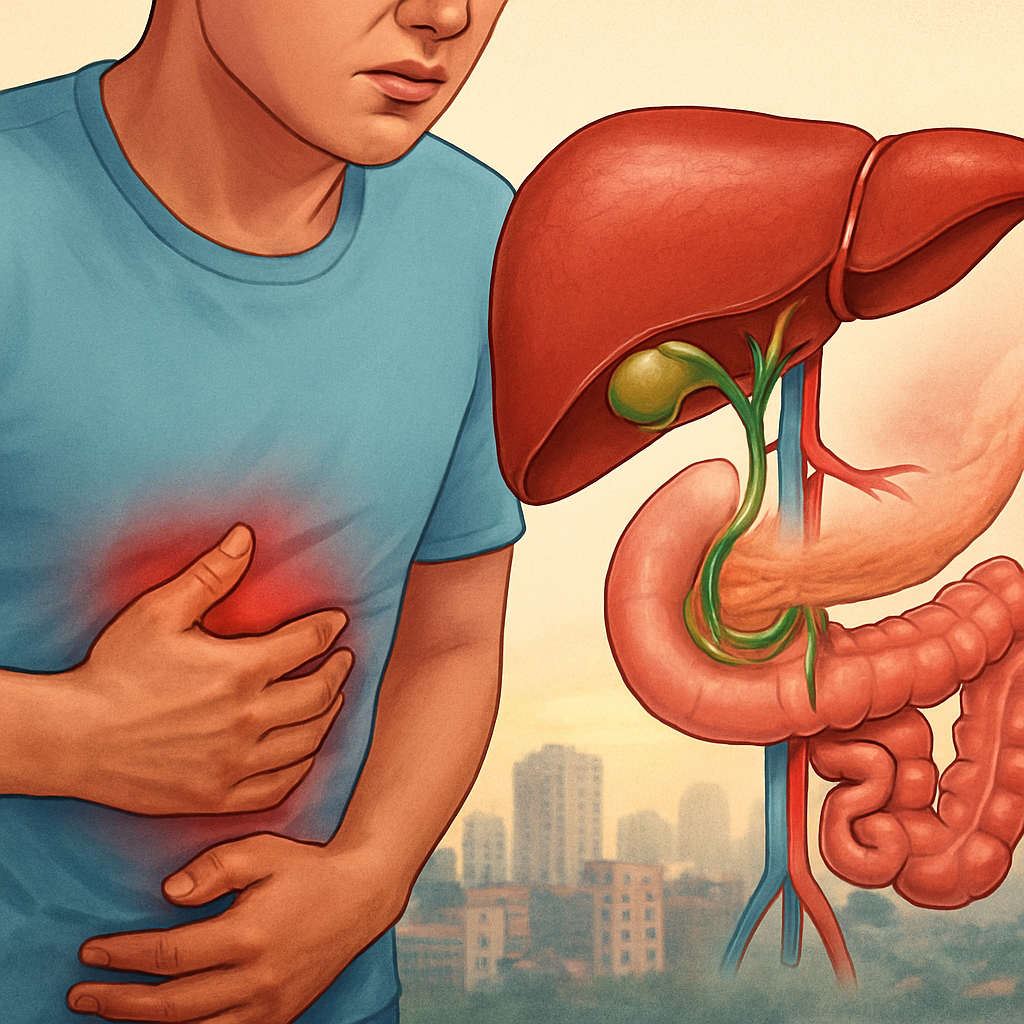
Biliary Tract Disorders in Dhaka: Symptoms, Diagnosis and Surgical Treatment Options
Biliary Tract Disorders in Dhaka: Symptoms, Diagnosis and Surgical Treatment Options Biliary tract problems can present as intermittent pain, jaundice […]
Read More