
Overview of Laparoscopic Surgery Techniques
Imagine recovering from surgery and being back to your normal routine within just a few days. Sounds like a dream? Well, welcome to the world of laparoscopic surgery, where this dream is becoming a reality for many patients.
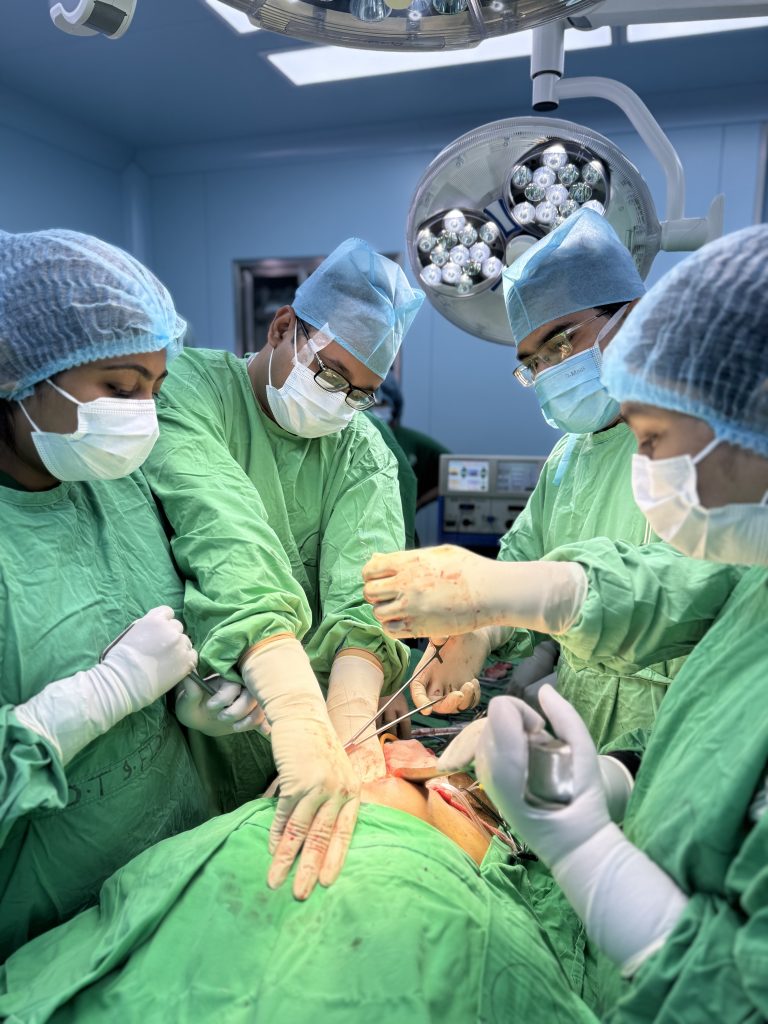
Laparoscopic surgery, often dubbed minimally invasive, utilizes small incisions—typically no larger than a keyhole. This technique allows surgeons to perform complex procedures while minimizing damage to surrounding tissues. The result? Less pain, reduced scarring, and quicker recovery times compared to traditional open surgery.
Key Techniques in Laparoscopic Surgery
Several techniques fall under the umbrella of laparoscopic surgery. Each has its unique applications depending on the surgical needs of the patient. Here are some of the most common:
- Laparoscopic Cholecystectomy: The go-to method for gallbladder removal.
- Laparoscopic Appendectomy: A minimally invasive approach to appendicitis.
- Laparoscopic Hernia Repair: Fixing hernias without large incisions.
- Laparoscopic Gastric Bypass: A weight-loss solution that alters the digestive system.
But how does it work? you might ask. Surgeons use a camera called a laparoscope, which is inserted through one of the small incisions. This camera sends high-definition images to a monitor, allowing surgeons to navigate with precision and confidence.
The Robot—Robotic-Assisted Laparoscopy
Robotic-assisted laparoscopic surgery sounds like something out of a sci-fi movie, but it’s very much a reality today. Surgeons operate robotic arms that hold instruments designed for intricate movements beyond human capability. This technique enhances precision and can lead to even better outcomes in complex procedures.
Research shows that robotic-assisted techniques can reduce complications by up to 30% compared to traditional methods.
So who can benefit from these techniques? Patients facing conditions like gallstones or benign tumors often find that laparoscopic options provide them with quicker returns to their daily lives.
Clinical Advantages of Laparoscopic Approaches
When it comes to surgery, the word minimally invasive is more than just a buzzword—it's a game changer. Take gallbladder removal, for example. Traditional open surgery can leave you with scars that look like battle wounds, whereas laparoscopic surgery offers a chance to recover with little more than a few tiny dots on your abdomen.
Did you know that patients who undergo laparoscopic procedures experience about 50% less postoperative pain compared to those who have traditional open surgeries? This statistic isn’t just impressive; it’s life-changing for many. Less pain means quicker recovery and a faster return to normal activities—something every patient desires.
Faster Recovery Times
One of the standout benefits of laparoscopic surgery is the rapid recovery time. Imagine this: a patient undergoing laparoscopic cholecystectomy can typically go home within hours of the procedure, while their open-surgery counterpart might be stuck in the hospital for days. This difference is not just about convenience; it's about reclaiming your life sooner.
Reduced Scarring and Pain
Laparoscopic techniques use small incisions—often no larger than a keyhole—which means less trauma to the body and significantly reduced scarring. Patients often report feeling much better post-surgery than they would after an open procedure, where larger incisions can lead to more significant pain and longer healing times.
Lower Risk of Complications
Complications is not exactly a word anyone wants to hear in relation to surgery. However, studies indicate that laparoscopic approaches can lower complication rates significantly—by up to 30% in some cases! This is particularly relevant for patients facing high-risk surgeries, such as those involving liver tumors or biliary tract issues.
Research suggests that laparoscopic surgery not only minimizes complications but also enhances overall surgical outcomes.
“So what does this mean for you? If you're considering surgery for conditions such as gallstones or tumors, discussing laparoscopic options with your surgeon could be one of the best decisions you make.
Patient Selection Criteria for Laparoscopic Surgery
Not every patient is a perfect candidate for laparoscopic surgery, and that's a fact worth noting. The selection criteria can be as nuanced as choosing the right outfit for an important occasion—fit matters!
Research indicates that about 80% of patients with gallstones are eligible for laparoscopic cholecystectomy, but eligibility isn't just about the condition; it’s about the overall health status of the patient. Factors like age, weight, and existing health conditions play a critical role in determining if you're suited for this minimally invasive approach.
Key Factors in Patient Selection
- Age: Younger patients typically recover faster and face fewer complications.
- Body Mass Index (BMI): Higher BMI can complicate laparoscopic procedures due to reduced visibility and access.
- Comorbidities: Conditions like diabetes or heart disease may increase surgical risks.
- Type of Condition: Not all surgical issues are suitable for laparoscopic techniques.
Let’s say we have a 55-year-old patient with gallstones who also has obesity-related complications. While laparoscopic surgery could still be an option, the surgeon would need to weigh potential risks against benefits carefully. It’s not just about what looks good on paper; it’s about real-life implications!
Assessing Surgical Risks
Imagine you're planning a road trip through mountainous terrain. You wouldn't set off without checking your vehicle's readiness first, right? Similarly, a thorough preoperative assessment is essential in determining if laparoscopic surgery is right for you. This includes imaging tests, blood work, and sometimes even consultations with specialists.
A comprehensive assessment can reduce the likelihood of complications during and after surgery.
In conclusion, while many patients can benefit from laparoscopic techniques, it's vital to have an open discussion with your healthcare provider to determine if you're a suitable candidate. Remember: your safety is paramount!
Detailed Recovery Timeline After Laparoscopic Surgery
You might think that recovering from laparoscopic surgery is as simple as hitting the restart button on your life. But let’s get real—there’s a timeline involved, and understanding it can make all the difference in your recovery experience.
Typically, patients can expect to see significant recovery milestones over the first few weeks post-surgery. Here’s how it usually breaks down:
- Day 1-2: Most patients are discharged within a few hours after surgery. Expect some grogginess from anesthesia and mild discomfort at the incision sites.
- Week 1: Many patients feel well enough to return to light activities, such as walking or light chores. Pain should gradually decrease, but you might still need pain medication.
- Week 2: By this point, most individuals can resume normal daily activities but should still avoid heavy lifting or strenuous exercise.
- Week 4: Many patients feel close to normal at this stage and may return to work or more active routines, depending on their job's physical demands.
- Weeks 6-8: Full recovery is often achieved by this time, with most patients reporting minimal discomfort and returning to all normal activities.
What Influences Your Recovery?
Recovery timelines can vary widely based on several factors. For instance, age and overall health play crucial roles. A younger patient without significant comorbidities may bounce back quickly compared to someone with underlying health issues.
Tip: Always communicate openly with your surgeon about any concerns during recovery.
Common Recovery Challenges
Let’s not sugarcoat it—recovery isn’t always a walk in the park. Some common challenges include managing pain levels and dealing with fatigue.
- *Pain Management: While laparoscopic surgery typically results in less pain than open surgery, some discomfort is expected. Staying ahead of pain with prescribed medications is key.
- *Fatigue: Your body has undergone a procedure; it needs time to heal! Listen to your body and rest when needed.
In summary, while laparoscopic surgery offers quicker recovery times compared to traditional methods, it's essential to be mindful of your body's signals during this journey. By following your surgeon's guidelines and being proactive about any challenges you face, you can navigate your recovery smoothly.
Potential Risks and Complications Specific to Laparoscopic Surgery
Laparoscopic surgery may be the shining star of modern surgical techniques, but it’s not without its shadows. Believe it or not, about 3-5% of patients may experience complications, even with this minimally invasive approach. Yes, it sounds low, but in the world of surgery, that’s a number worth paying attention to.
Common Risks Associated with Laparoscopic Surgery
While laparoscopic surgery is generally safer than traditional open surgery, there are specific risks that patients should be aware of. Here are a few potential complications:
- Infection at the incision sites: Small incisions can still become infected.
- Bleeding: Though rare, internal bleeding can occur during or after the procedure.
- Organ injury: Accidental damage to surrounding organs is a risk during any surgical procedure.
- Hernia formation: Sometimes, the small incisions can lead to hernias post-surgery.
Pro tip: Always discuss your individual risks with your surgeon before proceeding.
Unique Considerations for Laparoscopic Procedures
Just because it’s laparoscopic doesn’t mean it’s foolproof. This is a mantra worth repeating. For instance, in cases involving complex conditions like liver tumors or significant obesity, surgeons may encounter challenges that could necessitate converting to an open procedure mid-operation. This conversion rate varies but can be as high as 10% in complicated cases.
Let’s get real: If you’re considering laparoscopic surgery due to gallstones or other abdominal issues, it’s crucial to understand that pre-existing health conditions can elevate risks. A patient with multiple health issues might face a higher chance of complications compared to someone in better overall health.
What If Something Goes Wrong?
What if something goes wrong? It’s a natural concern for anyone facing surgery. The good news is that most complications are manageable when caught early. For example, if an infection occurs post-surgery, antibiotics can usually resolve the issue without major intervention.
However, if you experience severe pain or unusual symptoms after your laparoscopic procedure—such as fever or excessive swelling—don’t hesitate! Contact your healthcare provider immediately. Early intervention is key.
Preparing for Your Laparoscopic Surgery Experience
Let's face it: the thought of undergoing laparoscopic surgery can feel like preparing for a first date—excitement mixed with a healthy dose of anxiety. But just like any successful rendezvous, preparation is key.
Understanding Preoperative Instructions
Your surgeon will likely provide specific preoperative instructions that are crucial for ensuring a smooth procedure and recovery. These can include dietary restrictions, medication adjustments, and guidelines on what to expect leading up to the big day.
- Avoid eating or drinking after midnight before your surgery.
- Stop taking blood thinners or certain medications as advised by your doctor.
- Arrange for someone to drive you home post-surgery—trust me, you won't want to be behind the wheel!
*Pro tip: Follow these instructions meticulously; they are designed with your safety in mind.
Preparing Your Mindset
Worrying is like a rocking chair; it gives you something to do but gets you nowhere. This quote sums up the importance of mental preparation. Take some time before your surgery to focus on relaxation techniques such as deep breathing or visualization exercises. Consider speaking with your healthcare provider about any concerns you have; they can help ease your mind.
Setting Up Your Recovery Space
Home sweet home takes on new meaning when you're recovering from surgery. Prepare a cozy space where you'll be spending time post-op. Stock up on essentials like pain medications, comfortable clothing, and snacks that are easy to digest.
- *Create a comfortable resting area with pillows and blankets.
- *Have easy access to water and light snacks.
- *Set up entertainment options (books, movies) for those downtime moments.
Finally, don’t forget to ask questions! The more informed you are about what lies ahead, the less daunting the experience will feel. Remember: this is your health journey—take charge!
Long-term Outcomes and Follow-up Care Post-Surgery
Imagine being told that over 90% of patients who undergo laparoscopic surgery report satisfaction with their long-term outcomes. That's not just a number; it's a testament to the precision and effectiveness of this modern surgical approach. But what does this mean for you in the long run?
The journey doesn’t end once you leave the operating room. In fact, it’s just the beginning! Proper follow-up care is crucial for ensuring that your recovery continues smoothly and that any potential complications are addressed promptly.
Understanding Long-term Outcomes
Laparoscopic surgery is designed to minimize recovery time and complications, but it’s essential to understand what long-term outcomes you might expect. For instance, studies show that patients who have undergone laparoscopic cholecystectomy—gallbladder removal—experience fewer digestive issues compared to those who had open surgery. This means less discomfort in the long run!
*But here’s a thought: not all outcomes are purely physical. Many patients report improved quality of life post-surgery, free from the discomfort of gallstones or other issues that plagued them before.
The Importance of Follow-up Care
*Follow-up appointments are your safety net after laparoscopic surgery. Typically scheduled for two weeks post-op, these visits allow your surgeon to assess your healing progress and address any concerns.
- *Monitoring Recovery: Your surgeon will check incision sites for signs of infection or unusual swelling.
- *Discussing Symptoms: If you're experiencing any discomfort or changes in digestion, this is the time to bring it up!
- *Adjusting Medications: Depending on how you're feeling, medication dosages may need tweaking.
*Pro tip: Keep a journal of your symptoms and questions leading up to your follow-up appointment; it can make discussions with your surgeon more productive.
What If Complications Arise?
While laparoscopic surgery boasts lower complication rates than traditional methods, it’s still possible for issues to arise. Common concerns include infections or unexpected pain. If something feels off post-surgery—like fever or severe discomfort—don’t hesitate! Reach out to your healthcare provider immediately for guidance.
Ultimately, understanding the long-term outcomes and committing to diligent follow-up care can significantly enhance your surgical experience. It’s about ensuring not just survival but thriving post-surgery! So as you embark on this path toward recovery, keep communication open with your healthcare team—it’s key to achieving the best possible results.
Related Articles

How to Prepare for Upper GI Surgery: A Step-by-Step Guide for Patients at Popular Medical College Hospital
How to Prepare for Upper GI Surgery: A Step-by-Step Guide for Patients at Popular Medical College Hospital Preparation for upper […]
Read More
Caught in Time: A Patient’s Journey Through Pancreatic Cancer Diagnosis and Surgery in Dhaka
Caught in Time: A Patient’s Journey Through Pancreatic Cancer Diagnosis and Surgery in Dhaka In Dhaka's busy hospitals, a patient's […]
Read More
Surgical Baseline Assessment at Entry to Training
Surgical Baseline Assessment at Entry to HPB Training in Dhaka Most trainees assume the entry test exists to reject them, […]
Read More