Gallbladder stones, also known as cholelithiasis, are hardened deposits that form in the gallbladder, a small organ located beneath the liver. These stones can vary in size, ranging from tiny grains to larger, golf ball-sized formations. They are primarily composed of cholesterol or bilirubin, a substance produced from the breakdown of red blood cells.
The formation of gallstones can occur when there is an imbalance in the substances that make up bile, which is essential for digesting fats. When the gallbladder does not empty effectively or when there is an excess of cholesterol or bilirubin, stones can develop. Understanding the types of gallstones is crucial for recognizing their potential impact on your health.
There are two main types: cholesterol stones and pigment stones. Cholesterol stones are the most common, accounting for about 80% of cases, and they typically form when there is too much cholesterol in the bile. Pigment stones, on the other hand, are smaller and darker and are made up of bilirubin.
They often occur in individuals with certain medical conditions, such as liver cirrhosis or hemolytic anemia. By grasping the nature of gallstones, you can better appreciate the importance of monitoring your health and seeking medical advice if you suspect you may be at risk.
Key Takeaways
- Gallbladder stones can lead to serious health risks if left untreated, including gangrene and jaundice.
- Ignoring gallstones increases the chance of severe complications and potential development of gallbladder cancer.
- Recognizing symptoms early is crucial for timely medical intervention and preventing further health issues.
- Seeking prompt treatment can help avoid complications and improve patient outcomes.
- Preventative measures and various treatment options are available to manage gallbladder stones effectively.
Untreated Gallstones Risks
Leaving gallstones untreated can lead to a range of serious health risks. One of the most immediate concerns is the potential for acute cholecystitis, an inflammation of the gallbladder that can occur when a stone blocks the cystic duct. This condition can cause severe abdominal pain, fever, and nausea, requiring urgent medical attention.
If not addressed promptly, acute cholecystitis can lead to complications such as perforation of the gallbladder, which can result in life-threatening infections. Moreover, untreated gallstones can also lead to pancreatitis, an inflammation of the pancreas that occurs when a stone blocks the pancreatic duct. This condition can cause intense abdominal pain and may require hospitalization for treatment.
The risks associated with untreated gallstones extend beyond immediate physical discomfort; they can also lead to long-term health issues that may affect your overall quality of life. Therefore, recognizing the importance of timely intervention is essential for maintaining your health and well-being.
Complications of Ignoring Gallbladder Stones

Ignoring gallbladder stones can result in a cascade of complications that may significantly impact your health. One major concern is the development of chronic cholecystitis, a long-term inflammation of the gallbladder that can lead to scarring and dysfunction of the organ. This condition may not only cause persistent discomfort but can also impair your digestive system’s ability to process fats effectively.
Additionally, untreated gallstones can lead to more severe complications such as biliary colic, which is characterized by intense pain due to intermittent blockage of the bile ducts. This pain can be debilitating and may require emergency medical intervention. Furthermore, chronic inflammation caused by gallstones can increase your risk of developing gallbladder cancer over time.
By neglecting to address gallbladder stones, you may inadvertently set yourself on a path toward more serious health issues that could have been prevented with timely treatment.
Gangrene: A Serious Risk of Untreated Gallstones
One of the most alarming risks associated with untreated gallstones is gangrene of the gallbladder. This condition occurs when blood flow to the gallbladder is compromised due to inflammation or infection caused by obstructed bile ducts. As tissue begins to die from lack of oxygen and nutrients, it can lead to severe complications that require immediate surgical intervention.
Gangrene is a life-threatening condition that can result in sepsis, a systemic infection that spreads throughout the body. The symptoms of gangrene may include severe abdominal pain, fever, and a rapid heartbeat. If you experience these symptoms alongside known gallbladder issues, it is crucial to seek medical attention without delay.
The consequences of ignoring these signs can be dire, making it imperative to prioritize your health and address any concerns related to gallbladder stones promptly.
Jaundice: A Potential Complication of Gallbladder Stones
| Risk | Description | Potential Complications | Severity | Recommended Action |
|---|---|---|---|---|
| Gangrene | Death of gallbladder tissue due to prolonged blockage and infection. | Sepsis, gallbladder rupture, life-threatening infection. | High | Immediate medical intervention, often surgical removal of gallbladder. |
| Jaundice | Yellowing of skin and eyes caused by bile duct obstruction from stones. | Liver damage, bile duct infection (cholangitis), severe itching. | Moderate to High | Diagnostic imaging and possible endoscopic removal of stones. |
| Gallbladder Cancer | Increased risk due to chronic inflammation from untreated gallstones. | Malignant tumor formation, metastasis, poor prognosis if late detected. | Moderate | Regular monitoring and early surgical intervention if indicated. |
Jaundice is another potential complication that can arise from untreated gallstones. This condition occurs when there is an accumulation of bilirubin in the bloodstream due to a blockage in the bile ducts caused by gallstones. As bilirubin levels rise, you may notice a yellowing of your skin and eyes, which can be alarming and indicative of underlying issues with your liver or gallbladder.
In addition to jaundice’s visual symptoms, it can also be accompanied by dark urine and pale stools. These signs indicate that your body is struggling to process bilirubin effectively due to an obstruction in the bile flow. If you experience jaundice alongside other symptoms such as abdominal pain or fever, it is essential to seek medical evaluation promptly.
Ignoring these symptoms could lead to further complications and long-term damage to your liver and overall health.
The Link Between Gallbladder Stones and Cancer

Research has shown a concerning link between gallbladder stones and an increased risk of developing gallbladder cancer. While this type of cancer is relatively rare, individuals with a history of gallstones are at a higher risk than those without them. Chronic inflammation caused by persistent gallstones may contribute to cellular changes in the gallbladder lining, potentially leading to malignancy over time.
It is important to note that not everyone with gallstones will develop cancer; however, understanding this connection underscores the importance of monitoring your health if you have been diagnosed with gallstones. Regular check-ups and discussions with your healthcare provider about your risk factors can help you stay informed and proactive about your health.
Recognizing the Symptoms of Gallbladder Stones
Recognizing the symptoms of gallbladder stones is crucial for early intervention and treatment. Common symptoms include sudden and intense pain in the upper right abdomen or center of the abdomen, often referred to as biliary colic. This pain may radiate to your back or right shoulder blade and can last from a few minutes to several hours.
Other symptoms may include nausea, vomiting, bloating, and indigestion after eating fatty meals. In some cases, individuals may experience no symptoms at all, which is known as “silent” gallstones.
Being aware of these symptoms allows you to take action sooner rather than later, potentially preventing more serious complications down the line.
Importance of Seeking Medical Treatment for Gallbladder Stones
Seeking medical treatment for gallbladder stones is essential for preventing complications and ensuring your overall well-being.
Timely intervention can help alleviate pain and prevent further complications such as inflammation or infection.
Your healthcare provider may recommend lifestyle changes, medications, or surgical options depending on the severity of your condition. By taking proactive steps toward addressing gallbladder stones, you empower yourself to take control of your health and reduce the risk of long-term complications.
Preventing Complications from Gallbladder Stones
Preventing complications from gallbladder stones involves adopting a healthy lifestyle and being mindful of risk factors associated with their development. Maintaining a balanced diet rich in fiber while limiting saturated fats can help reduce cholesterol levels in bile and decrease the likelihood of stone formation. Regular physical activity is also beneficial for maintaining a healthy weight and promoting overall digestive health.
Additionally, staying hydrated is essential for proper bile production and flow. Drinking plenty of water throughout the day can help prevent bile from becoming too concentrated, which may contribute to stone formation. If you have risk factors such as obesity or diabetes, working closely with your healthcare provider to manage these conditions can further reduce your risk of developing gallstones and their associated complications.
Treatment Options for Gallbladder Stones
When it comes to treating gallbladder stones, several options are available depending on the severity of your condition and whether you are experiencing symptoms. For asymptomatic individuals, doctors may recommend a “watchful waiting” approach, monitoring the situation without immediate intervention unless symptoms arise. For those experiencing pain or complications from gallstones, treatment options may include medications to dissolve cholesterol stones or surgical procedures such as laparoscopic cholecystectomy—the removal of the gallbladder itself.
This minimally invasive surgery has become the standard treatment for symptomatic gallstones due to its effectiveness and shorter recovery time compared to traditional open surgery.
Taking Action Against Gallbladder Stones
In conclusion, taking action against gallbladder stones is vital for safeguarding your health and preventing potential complications. Understanding what gallstones are and recognizing their symptoms empowers you to seek timely medical intervention when necessary. Ignoring these issues can lead to serious health risks such as gangrene or jaundice, making it imperative to prioritize your well-being.
By adopting preventive measures such as maintaining a healthy diet and staying active, you can reduce your risk of developing gallstones in the first place. If you do find yourself facing this condition, remember that effective treatment options are available to help you regain control over your health. Don’t hesitate to reach out to a healthcare professional if you have concerns about gallbladder stones—taking action today could make all the difference for your future well-being.
Ignoring gallbladder stones can lead to serious health complications, including gangrene, jaundice, and even cancer. For a deeper understanding of the potential risks associated with gallbladder stones, you may find it helpful to read our article on the importance of crafting captivating headlines, which emphasizes the significance of drawing attention to critical health topics. Check it out here: Crafting Captivating Headlines.
FAQs
What are gallbladder stones?
Gallbladder stones, also known as gallstones, are hardened deposits of digestive fluid that form in the gallbladder. They can vary in size and may cause blockages or inflammation.
What happens if gallbladder stones are ignored?
Ignoring gallbladder stones can lead to serious complications such as gallbladder inflammation, infection, gangrene (tissue death), jaundice (yellowing of the skin and eyes), and an increased risk of gallbladder cancer.
How does gangrene develop from gallbladder stones?
Gangrene can develop when gallstones block the blood flow to the gallbladder, causing tissue to die due to lack of oxygen. This is a medical emergency requiring immediate treatment.
Why can gallbladder stones cause jaundice?
Gallstones can block the bile ducts, preventing bile from flowing into the intestines. This blockage causes bile to build up in the liver and bloodstream, leading to jaundice, characterized by yellowing of the skin and eyes.
Is there a link between gallbladder stones and cancer?
Chronic inflammation caused by gallstones can increase the risk of gallbladder cancer over time. Although gallbladder cancer is rare, persistent gallstones and untreated complications may elevate this risk.
What symptoms indicate complications from gallbladder stones?
Symptoms may include severe abdominal pain, fever, jaundice, nausea, vomiting, and tenderness in the upper right abdomen. These signs suggest complications like infection, blockage, or gangrene.
How are gallbladder stones diagnosed?
Gallbladder stones are typically diagnosed using imaging tests such as ultrasound, CT scans, or MRI, which can detect stones and assess any complications.
What treatment options are available for gallbladder stones?
Treatment may include medications to dissolve stones, but often surgical removal of the gallbladder (cholecystectomy) is recommended, especially if complications arise.
Can gallbladder stones be prevented?
Preventive measures include maintaining a healthy weight, eating a balanced diet low in fat and cholesterol, and regular physical activity to reduce the risk of gallstone formation.
When should someone seek medical attention for gallbladder stones?
Immediate medical attention is necessary if experiencing severe abdominal pain, fever, jaundice, or persistent nausea and vomiting, as these may indicate serious complications.
Related Articles
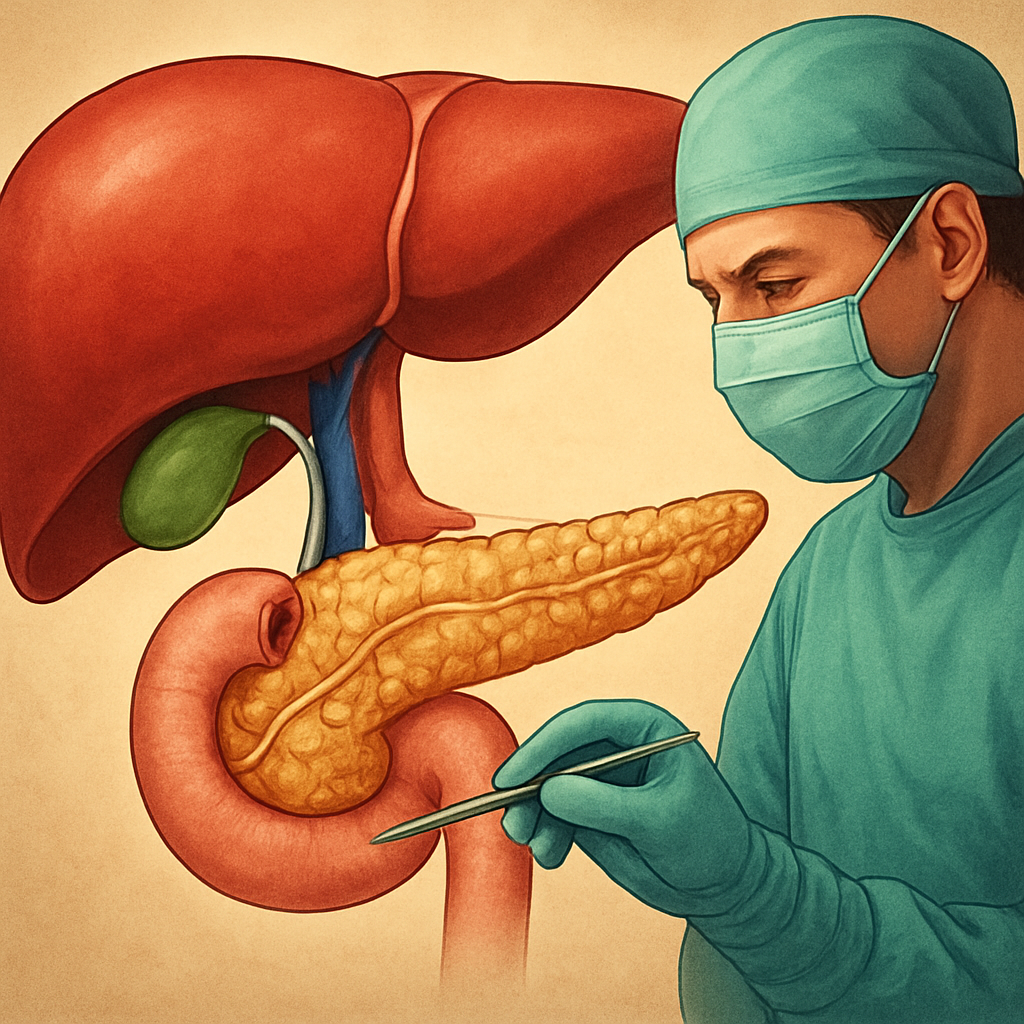
Your Most Pressing Questions About Liver, Gallbladder, and Pancreas Surgery — Answered by a Specialist
Your Most Pressing Questions About Liver, Gallbladder, and Pancreas Surgery — Answered by a Specialist Patients in Dhaka facing surgery […]
Read More
How to Prepare for Upper GI Surgery: A Step-by-Step Guide for Patients at Popular Medical College Hospital
How to Prepare for Upper GI Surgery: A Step-by-Step Guide for Patients at Popular Medical College Hospital Preparation for upper […]
Read More
Caught in Time: A Patient’s Journey Through Pancreatic Cancer Diagnosis and Surgery in Dhaka
Caught in Time: A Patient’s Journey Through Pancreatic Cancer Diagnosis and Surgery in Dhaka In Dhaka's busy hospitals, a patient's […]
Read More