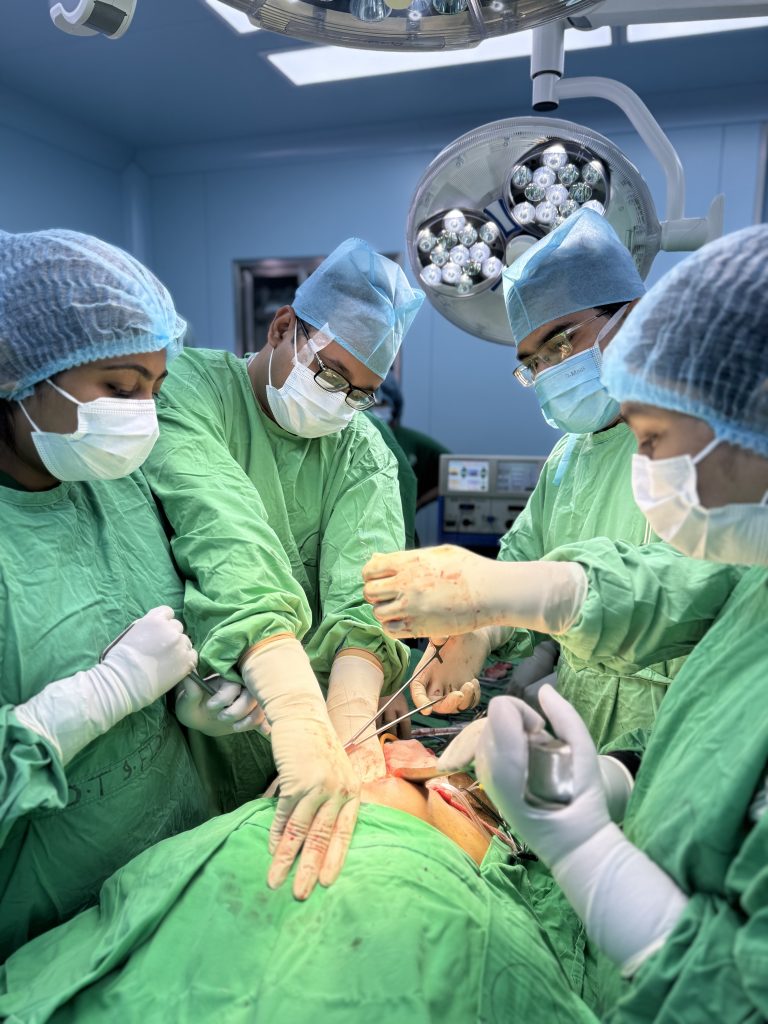
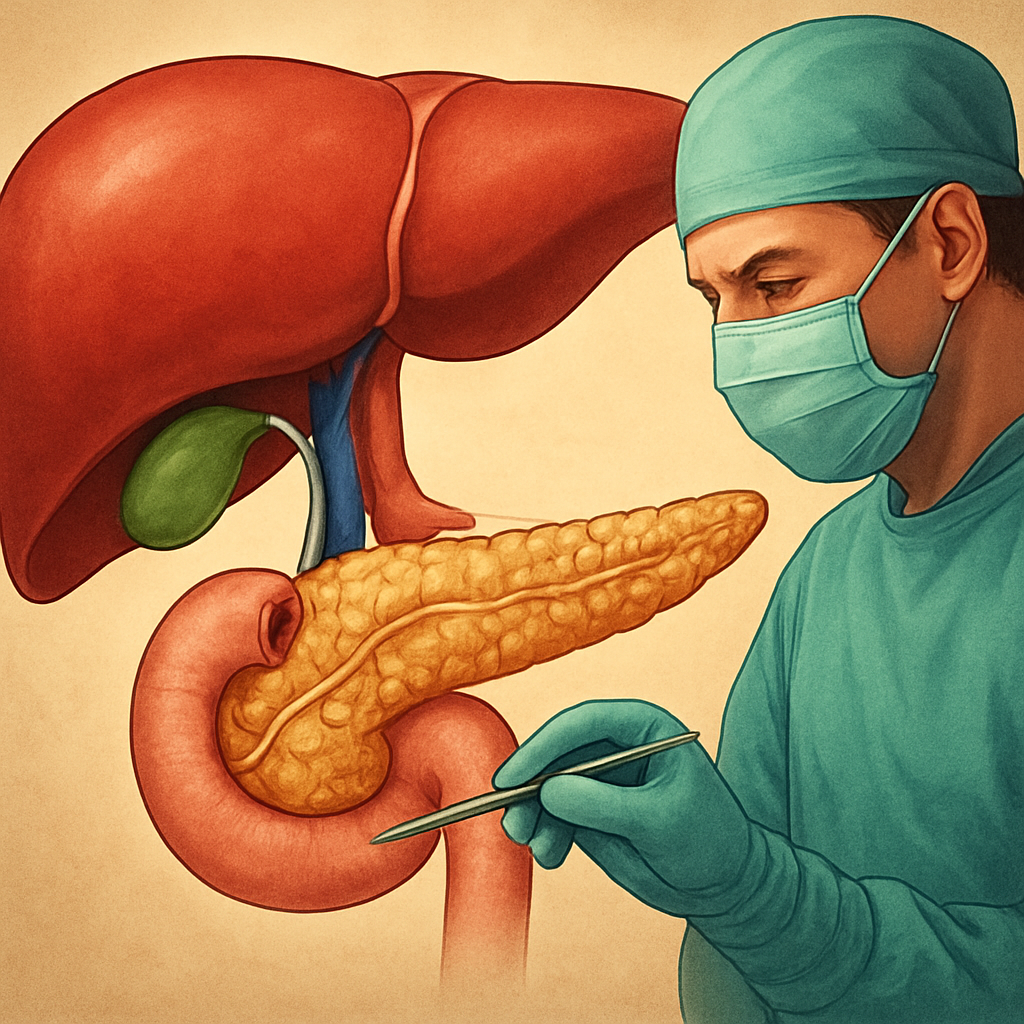
Patients in Dhaka facing surgery for liver, gallbladder, or pancreas problems often have questions about options, risks, and recovery. In this specialist-led guide, Dr. Murshidul Arefin answers your hepatobiliary surgery questions with practical, locally relevant insights and a clear care pathway at Popular Medical College Hospital. Read on to understand when surgery is right, what to expect before and after, and how a Dhaka-based expert approach can shape outcomes.
Gallbladder surgery options you should know before proceeding
Gallbladder surgery decisions hinge on symptom burden, anatomy, and the status of the bile ducts. In most patients, the standard approach is laparoscopic cholecystectomy, a minimally invasive operation that typically shortens hospital stay and accelerates recovery. Open cholecystectomy remains necessary when inflammation is severe, there is dense scar tissue from prior operations, or the bile duct anatomy makes safe access unlikely. For patients in Dhaka, the choice is guided by local imaging capacity and the surgeon’s experience with biliary procedures at Popular Medical College Hospital, under Dr Arefin’s care pathway.
Options and when to choose them:
- Laparoscopic cholecystectomy (standard): Small incisions, rapid recovery; most patients go home within 24 hours.
- Open cholecystectomy: Longer recovery; used when laparoscopy is unsafe due to severe inflammation, prior surgeries with scar tissue, or unusual anatomy.
- Preoperative bile duct management: If tests suggest stones in the common bile duct, ERCP may be performed before or during surgery to reduce the risk of bile duct injury.
- Specialty approaches: In select cases, less invasive variants such as smaller incisions or, where available, robotic-assisted biliary surgery may be considered; discuss feasibility with Dr Arefin.
In Dhaka, practical considerations shape the plan: cost, theater time, and availability of imaging can influence whether to push for a purely laparoscopic approach or add a bile duct imaging step. Dr Arefin emphasizes a thorough preoperative assessment—ultrasound with, when indicated, MRCP, plus anesthesia evaluation—to tailor the plan. A targeted ERCP before surgery can avoid a second procedure and reduce bile duct injury risk, but it adds cost and coordination. For context on when surgery is favored, see the internal discussion on hepatobiliary treatment options in Dhaka.
Concrete Example: Mrs. Rahman, a 46-year-old Dhaka resident with symptomatic gallstones, underwent uncomplicated laparoscopic cholecystectomy after preop MRCP ruled out bile duct stones. She was discharged the next day and returned to light work within a week, experiencing minimal pain and clear postoperative instructions.
A common misperception is that all gallstones require removal. In reality, many asymptomatic stones can be watched, but removal is justified for recurrent symptoms, gallbladder inflammation, porcelain gallbladder, or polyps larger than 1 centimeter. The practical trade-off is the risk profile of a routine laparoscopic procedure versus the small but real risk of bile duct injury or infection—risks substantially mitigated by high-volume, experienced teams with solid preoperative imaging and intraoperative decision-making.
Takeaway: In your Dhaka care pathway, prioritize a high-volume biliary surgeon and a clear preoperative plan that includes imaging and multidisciplinary input to choose the safest, most efficient approach for your gallbladder disease.
Liver tumor surgery: selection criteria, liver reserve, and resection approaches
Liver tumor surgery hinges on three practical limits: tumor biology, liver reserve, and the ability to preserve enough functional liver after resection.
Indications and selection criteria center on a clean balance: a solitary, peripherally located lesion in a patient with good performance status, no limiting extrahepatic disease, and the capacity to achieve negative margins without crippling liver function.
Preoperative liver reserve assessment is non-negotiable. We rely on cross-sectional imaging with volumetry to estimate the future liver remnant (FLR), plus standard liver function tests and an anesthesia evaluation. When FLR looks tight, we pursue optimization such as portal vein embolization (PVE) to drive growth of the unaffected liver before resection; in some centers, indocyanine green clearance helps quantify reserve. For a broader framework, see Medical Treatment vs Surgery: Best Options for Hepatobiliary Care and our Liver Transplant guide Liver Transplant: Complete Guide to Surgery & Recovery.
Resection approaches are chosen to maximize cancer clearance while preserving liver. Anatomic (segment-based) resections can remove tumor-bearing regions with better margins, while non-anatomic (wedge) cuts spare liver in challenging locations. Laparoscopic or robotic approaches shorten recovery when anatomy allows, but open surgery remains essential for large or complex tumors. Intraoperative ultrasound maps vessels in real time, guiding safe transection and reducing hidden bleeds; when needed, refer to Hopkins’ Liver Surgery overview for additional context on technique and safety.
A key trade-off is margin versus preservation. Pushing for a wide margin on a small, central tumor may steal too much liver, increasing the risk of posthepatectomy liver failure. When plans threaten liver function, ablation, staged resections, or even nonoperative management may be preferable; the decision hinges on tumor biology, liver quality, and patient goals.
Example in practice: a 62-year-old with a single 3.5 cm lesion in the right lobe has a calculated FLR of 28%. We arrange portal vein embolization to boost FLR toward 40% before performing a laparoscopic right hepatectomy, using intraoperative ultrasound to ensure clean margins and minimal blood loss. The patient recovers quickly and returns to work within 4–6 weeks, with close MRI follow-up planned.
Take the next step with Dr Arefin: a structured preoperative evaluation in Dhaka will confirm feasibility, outline liver-preserving options, and map the care pathway through Popular Medical College Hospital.
Pancreatic cancer surgery: indications, options, and expected outcomes
Pancreatic cancer surgery is only an option when the tumor is technically resectable and the patient has adequate physiological reserve. In practice, indications include localized tumors without distant spread, preserved liver and pancreatic function, and the ability to tolerate a major operation and its recovery. At Popular Medical College Hospital in Dhaka, Dr Arefin and a multidisciplinary team assess tumor anatomy, stage, and patient fitness to confirm whether surgery can offer a chance for longer survival or potential cure.
Borderline cases are common. In such situations, neoadjuvant therapy—chemotherapy, with or without radiation in select protocols—may shrink the tumor and improve the odds of achieving clean margins. This approach requires close coordination between medical oncology and surgery, and it is more likely to be recommended at experienced centers in Dhaka as part of a formal care pathway led by Dr Arefin.
Among surgical options, the main choices are the pancreaticoduodenectomy, commonly called the Whipple procedure, for tumors in the head of the pancreas; distal pancreatectomy for body or tail tumors; and, rarely, total pancreatectomy when disease is extensive. Laparoscopic or robotic approaches are available in some centers, but many patients still undergo an open operation when tumor-vessel involvement is complex. Preoperative biliary drainage may be needed if the bile duct is blocked and jaundice is present.
Expected outcomes hinge on margins, lymph node status, and the ability to complete recommended adjuvant therapy. Achieving an R0 resection (no cancer at the margin) correlates with better long-term survival; however, pancreatic cancer biology and stage drive results more than the surgical technique alone. A structured postoperative plan, including chemotherapy and nutrition support, is essential. In Dhaka, the care pathway aims to minimize complications through meticulous anesthesia management, infection prevention, and early mobilization.
Concrete example: A 62-year-old man presents with a resectable pancreatic head tumor about 2.5 cm, no distant metastasis on CT, and good performance status. The team recommends a Whipple procedure with intraoperative ultrasound to guide resection, followed by adjuvant chemotherapy. If jaundice is present, preoperative biliary stenting is considered to reduce surgical risk and improve liver function preop.
Two practical trade-offs to expect: the procedure is lengthy with a meaningful complication risk, and recovery takes weeks rather than days. A minimally invasive Whipple is possible in select hands but demands high-volume experience—precisely the kind of expertise Dr Arefin offers in Dhaka. If resources limit access to specialized perioperative care, patients should plan longer hospital stays and closer follow-up to catch complications early.
Takeaway: The decision for pancreatic cancer surgery hinges on resectability, overall health, and a plan for adjuvant therapy. Start with a structured preoperative evaluation and a clear care pathway at Popular Medical College Hospital to define the best route forward.
Preoperative evaluation and the Dhaka care pathway at Popular Medical College Hospital
Preoperative evaluation is the safety net that makes hepatobiliary procedures predictable in real life. In Dhaka, the care pathway at Popular Medical College Hospital centers Dr Arefin and a coordinated team to optimize every step before you go to the OR—imaging, labs, anesthesia assessment, nutrition, and patient education all synchronized to reduce surprises.
- Comprehensive imaging workup: contrast-enhanced CT or MRI to map the liver, bile ducts, and any lesions, plus assessment of liver reserve and portal anatomy.
- Baseline labs and liver reserve assessment: complete blood count, liver function tests, bilirubin, albumin, coagulation profile, and renal function to gauge surgical risk and plan anesthetic management.
- Anesthesia evaluation and risk stratification: airway assessment, cardiopulmonary risk, and optimization plan tailored to the planned procedure.
- Nutrition and physical fitness optimization: addressing frailty or sarcopenia markers, ensuring adequate protein intake, and correcting micronutrient deficiencies when possible.
- Medication and infection risk management: review of anticoagulants, antiplatelets, diabetic medicines, and any chronic therapies that could affect healing or bleeding.
- Patient education and consent philosophy: clear expectations about recovery timelines, potential complications, and the care pathway ahead.
Dr Arefin coordinates multidisciplinary input from radiology, medical oncology, anesthesia, and nursing to tailor each plan. In practice, this means timely tests, shared review of imaging, and a documented plan that travels with the patient from preop to follow-up. For readers exploring options, you can see how this approach is described in Dr Arefin’s guidance on medical treatment versus surgery and related hepatobiliary care at Medical Treatment vs Surgery: Best Options for Hepatobiliary Care and Liver Transplant: Complete Guide to Surgery & Recovery.
Concrete example: a 62-year-old with a small, resectable liver lesion underwent MRI with liver-specific contrast, optimization of nutrition status, and a planned laparoscopic resection after MDT review. The team completed preop testing within two weeks, and the patient recovered in a typical 1–2 week window with no major complications, illustrating how a structured Dhaka care pathway translates into concrete outcomes.
Limitations and trade-offs matter. In Dhaka, access to advanced imaging or rapid MDT discussions can vary by day, so scheduling and local testing availability influence timing. The pathway accepts those realities but stacks tests and reviews efficiently to minimize prolonged delays and last-minute changes in plan. Importantly, some tests may need to be repeated if results are inconclusive or if a patient’s condition evolves during the preop period.
Practical next step: start with a consultation to map your preop course. Bring all existing imaging and medications, and expect a structured plan that covers imaging, labs, nutrition, a basic anesthesia clearance, and a clear recovery timeline. This approach aligns with Dr Arefin’s patient-centered, locally grounded care at Popular Medical College Hospital.
Recovery, aftercare, and long-term implications
Recovery after hepatobiliary procedures is highly outcome-specific. Gallbladder removal (laparoscopic cholecystectomy) typically allows return to light daily activities within 1–2 weeks, while liver resections and pancreatic surgeries require longer and a structured, phased plan to rebuild strength. At Popular Medical College Hospital in Dhaka, the aftercare pathway centers on clear milestones, proactive pain control, and early mobilization, with Dr Arefin coordinating discharge timing and follow-up access to imaging and labs as needed.
Key components of post-operative care in our setting are straightforward but essential: a structured pain strategy, movement and breathing exercises, and nutrition that supports wound healing and liver function. A multimodal approach reduces opioid exposure and speeds recovery. Patients who understand these pillars perform better and experience fewer readmissions.
- Pain control: Multimodal analgesia that combines non-opioid options with selective use of short-acting agents to minimize side effects.
- Movement and breathing: Early ambulation and incentive spirometry to prevent pneumonia and promote lung function.
- Wound management: Keep incisions clean and dry; report redness, warmth, drainage, or fever promptly.
- Activity and work timelines: Gallbladder patients often resume desk work in 1–2 weeks; liver or pancreatic cases progress more slowly based on healing and tests.
- Follow-up testing and visits: Schedule liver function tests, imaging if indicated, and clinic visits per Dr Arefin’s plan.
Concrete example: a 52-year-old underwent laparoscopic cholecystectomy and was discharged the same day; by day 7 she was back at a desk job, and by week three she could resume light jogging with clearance from Dr Arefin. In contrast, a patient who had a major liver resection required four to six weeks before returning to full activity, with staged increases in activity and regular liver function testing to ensure safe healing.
Long-term implications include ongoing surveillance, nutrition optimization, and lifestyle adjustments tailored to the surgery performed. After major hepatobiliary procedures we schedule periodic liver function tests and imaging as indicated, monitor weight and nutrition, and discuss alcohol tolerance and exercise progression. In Dhaka, the care plan is designed to integrate with local follow-up facilities, ensuring you can maintain continuity of care without excessive travel.
Choosing a hepatobiliary surgeon in Dhaka: questions to ask
In Dhaka, selecting a hepatobiliary surgeon isn't about chasing the fanciest technique. It's about fit: the surgeon's track record with your disease, the hospital's support system, and a clear care pathway that makes the plan predictable.
A practical framework centers on four pillars: credentials and volume, hospital capabilities and multidisciplinary care, transparency of outcomes, and alignment with the local care pathway at Popular Medical College Hospital.
- Credentials and experience: Board-certified training in hepatobiliary surgery, fellowship experience, and a track record with liver, biliary tract, and pancreatic procedures; ask for annual case volume and typical complex cases handled. For context, review published outcomes when available, such as Medical Treatment vs Surgery: Best Options for Hepatobiliary Care.
- Hospital capabilities and MDT support: Availability of a hepatobiliary ICU, intraoperative ultrasound, ERCP capability, advanced imaging, and a structured team including radiology, medical oncology, and anesthesia.
- Outcomes and transparency: Request complication rates, margins achieved in resections, readmission data, and access to local or clinic-reported outcomes; if not published, ask how safety and quality are monitored.
- Care pathway and pre/postoperative planning: Clarify the preop workup (imaging, labs, nutrition), rehabilitation plans, and how follow-up is scheduled within Popular Medical College Hospital.
- Logistics and patient support: Scheduling, language and communication, costs, insurance navigation, and family-centered postoperative support in Dhaka.
Concrete example: a patient from Dhanmondi visits Dr Arefin with a gallbladder issue. Armed with this framework, the consultation focuses on whether a laparoscopic removal fits their anatomy, what preoperative tests are essential, and how quickly post-op follow-up in Dhaka can be arranged.
Key consideration: surgeon volume and an integrated care pathway drive safer outcomes more reliably than any single technique.
Next step: bring this framework to your initial consultation with Dr Arefin at Popular Medical College Hospital and confirm the care plan before scheduling.
Related Articles

How to Prepare for Upper GI Surgery: A Step-by-Step Guide for Patients at Popular Medical College Hospital
How to Prepare for Upper GI Surgery: A Step-by-Step Guide for Patients at Popular Medical College Hospital Preparation for upper […]
Read More
Caught in Time: A Patient’s Journey Through Pancreatic Cancer Diagnosis and Surgery in Dhaka
Caught in Time: A Patient’s Journey Through Pancreatic Cancer Diagnosis and Surgery in Dhaka In Dhaka's busy hospitals, a patient's […]
Read More
Surgical Baseline Assessment at Entry to Training
Surgical Baseline Assessment at Entry to HPB Training in Dhaka Most trainees assume the entry test exists to reject them, […]
Read More