
Liver Transplant: Complete Guide to Procedure and Recovery
If you or a loved one is facing liver failure, understanding the intricacies of a liver transplant can be both daunting and essential. This comprehensive guide will walk you through everything you need to know about the liver transplant procedure, from eligibility criteria and surgical details to recovery expectations and post-operative care. With insights tailored for patients in Dhaka, we aim to equip you with the knowledge necessary to navigate this critical journey with confidence and clarity.
Understanding Liver Transplantation
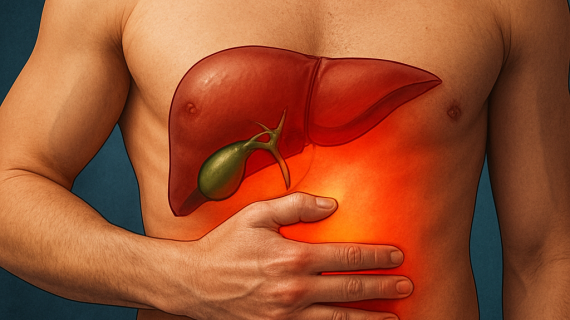
A liver transplant is a surgical procedure that involves replacing a diseased or failing liver with a healthy liver from a donor. This procedure is not just life-saving; it is often the only viable option for patients suffering from severe liver conditions. The primary purpose of a liver transplant is to restore normal liver function, allowing the recipient to regain their quality of life.
The most common indications for a liver transplant include conditions such as cirrhosis, acute liver failure, hepatitis, and certain metabolic diseases. Cirrhosis, often resulting from long-term alcohol abuse or viral hepatitis, leads to irreversible damage to the liver. When the liver can no longer perform its essential functions—such as detoxifying harmful substances or producing proteins—transplantation becomes necessary.
Common Indications for Liver Transplantation
Patients with end-stage liver disease often experience debilitating symptoms that significantly impact their daily lives. For instance, someone with advanced cirrhosis may suffer from jaundice, fluid retention, and confusion due to hepatic encephalopathy. These symptoms are not just uncomfortable; they can lead to serious complications if untreated. Thus, timely evaluation for transplant eligibility is critical.
- Cirrhosis due to alcohol or viral hepatitis
- Acute liver failure from drug toxicity or viral infection
- Metabolic disorders affecting liver function
Understanding the urgency of your condition can help you navigate the complexities of organ transplantation.
Liver donation can come from living donors or deceased donors. Living donor transplants have shown higher success rates and shorter waiting times compared to deceased donor transplants. However, living donation requires careful consideration and compatibility testing between donor and recipient.
Liver transplantation in Bangladesh has seen advancements in recent years with several hospitals offering specialized services. However, patients should be aware of the financial implications involved. The cost of a liver transplant can be substantial, including pre-operative evaluations, surgery expenses, and post-operative care such as immunosuppressive drugs.
Eligibility Criteria for Liver Transplant
Not every patient with liver disease is automatically eligible for a liver transplant. The decision involves a thorough evaluation of medical conditions, overall health, and specific criteria set by transplant centers.
Medical Conditions That Qualify for a Transplant
Commonly accepted conditions for liver transplant eligibility include end-stage liver disease, which often presents as cirrhosis or acute liver failure. In cases of cirrhosis, patients must demonstrate that their liver function has deteriorated to the point where it can no longer sustain life. Other qualifying conditions may include hepatocellular carcinoma (liver cancer), provided it meets specific size and location criteria.
- Cirrhosis resulting from hepatitis or alcohol abuse
- Acute liver failure due to drug toxicity
- Liver tumors meeting transplant criteria
Eligibility is not just about having the disease; it's also about how well patients can tolerate surgery and recover post-transplant.
Factors Considered During Patient Evaluation
Beyond the medical conditions themselves, various factors are considered during the evaluation process. These include age, overall health status, presence of comorbidities (like heart disease or diabetes), and lifestyle choices such as alcohol consumption and adherence to medical advice.
For example, a patient with severe cirrhosis might be deemed ineligible if they have uncontrolled diabetes or if they continue to consume alcohol despite medical advice. This underscores the importance of lifestyle modifications before being considered for a transplant.
It's crucial to understand that while some patients might meet basic eligibility requirements, the final decision rests on a multidisciplinary team that assesses each case individually. This team typically includes hepatologists, surgeons, and other specialists who collaborate to determine the best course of action based on comprehensive evaluations.
The Liver Transplant Procedure
Liver transplant surgery is a complex procedure that involves several critical steps to ensure a successful outcome. Understanding this process is essential for patients and their families as they prepare for the procedure.
Step-by-step Breakdown of the Surgical Process
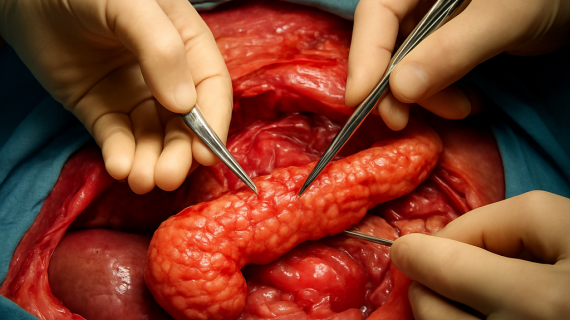
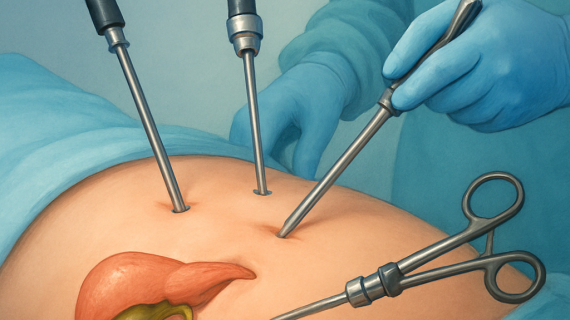
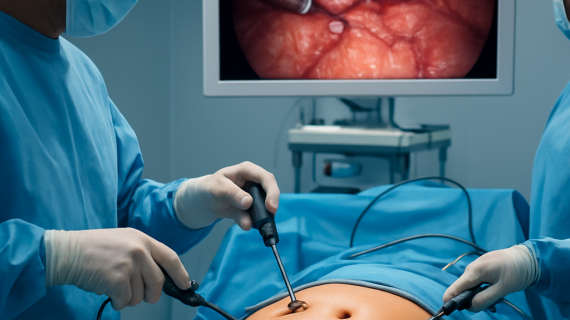
The liver transplant procedure typically begins with the patient being placed under general anesthesia. Once sedated, the surgical team makes an incision in the abdomen to access the liver. The diseased liver is carefully removed, and the new liver is positioned in place. Blood vessels and bile ducts are connected to restore circulation and bile flow, followed by thorough checks to ensure everything is functioning correctly before closing up.
It's important to highlight that this surgery can last anywhere from four to twelve hours, depending on various factors such as the complexity of the case and whether it’s a living donor or deceased donor transplant. For example, a living donor transplant may involve additional considerations regarding donor health and compatibility.
Anesthesia and Monitoring During Surgery
Anesthesia plays a crucial role in liver transplant surgery. Patients are administered general anesthesia to ensure they remain unconscious and pain-free throughout the operation. An anesthesiologist closely monitors vital signs such as heart rate, blood pressure, and oxygen levels during the surgery.
Post-operative monitoring continues in the recovery room where healthcare providers ensure that any immediate complications are addressed promptly. This includes managing fluid levels and ensuring that there is no excessive bleeding or rejection of the new organ.
Understanding how anesthesia works during surgery can alleviate some anxiety for patients.
| Aspect | Details |
|---|---|
| Incision Method | Typically through an abdominal incision (open surgery) or minimally invasive techniques if applicable |
| Duration | 4-12 hours depending on complexity |
| Post-operative Care | Intensive monitoring for complications like bleeding or organ rejection |
Post-Operative Care and Recovery
After liver transplant surgery, the recovery process is crucial to ensuring the longevity of the new organ and the overall health of the patient. This phase typically begins in the hospital, where patients undergo intensive monitoring and care to address any immediate post-operative issues.
Typical Recovery Timeline in the Hospital
Patients generally stay in the hospital for about one to two weeks following a liver transplant. The first few days are critical as healthcare providers monitor for complications such as bleeding, infection, or organ rejection. Vital signs are closely observed, and blood tests are frequently conducted to assess liver function and medication levels. For instance, a patient might be started on immunosuppressive drugs immediately after surgery to prevent rejection of the new liver.
- Day 1-3: Intensive monitoring in ICU; focus on stabilizing vital signs.
- Day 4-7: Transition to recovery floor; start physical therapy and gradual mobilization.
- Week 2: Continued assessment; discharge planning begins.
Early mobilization is key to preventing complications like pneumonia or blood clots.
Follow-Up Care and Lifestyle Modifications
Once discharged, careful follow-up care is essential for liver transplant recipients. Patients will have regular appointments with their transplant team to monitor liver function and adjust medications as necessary. Lifestyle modifications play a significant role in recovery; maintaining a balanced diet, avoiding alcohol, and adhering strictly to prescribed immunosuppressive medications are fundamental for long-term success.
For example, a patient who was diligent about their diet post-transplant experienced fewer complications compared to others who disregarded dietary restrictions. This underscores the importance of adherence not just for recovery but also for enhancing quality of life.
Many patients mistakenly believe that once they leave the hospital, their recovery is complete. In reality, ongoing education about potential signs of complications—such as sudden weight gain or jaundice—is vital. Recognizing these early warning signs can prevent serious issues down the line.
Potential Risks and Complications
Undergoing a liver transplant is a significant medical procedure with inherent risks and potential complications that both patients and their families must understand. While the surgery itself can be life-saving, it does come with short-term and long-term risks that need careful consideration.
Short-term Risks Associated with the Surgery
In the immediate aftermath of liver transplant surgery, patients can face several short-term risks. These include bleeding, infection at the surgical site, and organ rejection. The surgical team monitors these issues closely in the hospital setting. For instance, a patient might experience bleeding due to blood vessel connections being compromised during surgery, necessitating further surgical intervention.
Patients may also develop infections, which are a common risk in any major surgery due to weakened immune systems. Immediate post-operative care often includes antibiotics to mitigate this risk. Organ rejection is another critical concern; even with immunosuppressive drugs administered immediately after surgery, the body may still react negatively to the new liver.
- Severe bleeding requiring additional procedures
- Infection necessitating antibiotic treatment
- Acute rejection episodes that may require adjustment of immunosuppressive therapy
Long-term Complications to Monitor After Transplant
Long-term complications can arise months or years after a liver transplant. These may include chronic rejection of the liver, long-term side effects from immunosuppressive medications—such as kidney damage or increased cancer risk—and metabolic complications like diabetes or weight gain. For instance, a patient who has been on high doses of corticosteroids for immune suppression might develop diabetes over time.
Chronic rejection occurs when the body gradually begins to attack the transplanted organ despite ongoing medication, leading to decreased liver function over time. Regular follow-up appointments are crucial for monitoring liver function tests and adjusting medications accordingly.
Understanding these potential long-term complications is vital for proactive health management after a liver transplant.
'It's essential for patients to maintain open communication with their healthcare team regarding any new symptoms or changes in health status.' This proactive approach can significantly improve outcomes by allowing early intervention if complications arise.
Living Donor vs Deceased Donor Transplants
The choice between living donor and deceased donor liver transplants significantly influences outcomes, recovery times, and the overall transplant experience. Living donor liver transplants involve a healthy individual donating a portion of their liver, which can regenerate. In contrast, deceased donor transplants use livers from individuals who have passed away, typically after brain death.
Differences Between Living Donor and Deceased Donor Transplants
The primary difference lies in the transplant timing and the immediacy of the procedure. Patients undergoing living donor transplants often experience shorter waiting times since they can schedule the surgery as soon as a suitable donor is identified. Conversely, those on the waiting list for deceased donor organs face unpredictable wait times that can extend for months or even years, depending on organ availability and compatibility.
Moreover, living donor transplants generally have better success rates in certain contexts. Studies indicate that recipients of livers from living donors tend to experience fewer complications and improved liver function post-transplant compared to those receiving deceased donor organs. However, this approach requires careful medical evaluation and psychological readiness from both the donor and recipient.
Advantages and Challenges of Each Type
Living Donor Liver Transplant: One key advantage is the ability to perform the surgery before the recipient's condition deteriorates further. This proactive approach can lead to better health outcomes. However, it comes with challenges such as potential health risks for the donor and ethical considerations regarding informed consent.
Deceased Donor Liver Transplant: The main advantage is that it does not require a healthy individual to undergo surgery; this method relies on existing organ donation systems. However, challenges include longer wait times for patients and potential deterioration in health while waiting for an organ match.
It's crucial to weigh these factors against personal circumstances when considering liver transplantation options.
[For example], a patient named Rahim opted for a living donor transplant after his brother stepped forward as a compatible match. They both underwent thorough evaluations to ensure safety, resulting in a successful transplant that significantly improved Rahim's quality of life without lengthy wait times associated with deceased donations.
[Overall], while both types of transplants can be life-saving, understanding their differences helps patients make informed decisions about their treatment paths. Factors such as urgency of need, potential risks involved for donors or recipients, and overall health status should guide these discussions with healthcare providers.
Nutritional Considerations Post-Transplant
After a liver transplant, nutrition plays a pivotal role in recovery and the long-term success of the new organ. A well-balanced diet can aid in healing, support immune function, and help manage the side effects of immunosuppressive medications.
Importance of Diet in Recovery After Liver Transplant
Dietary choices directly impact recovery. Patients often face challenges such as weight gain or nutrient deficiencies due to medications like corticosteroids. For instance, corticosteroids can lead to increased appetite and weight gain; thus, managing caloric intake is vital. A tailored diet can help mitigate these risks and promote overall health.
Recommended Foods and Supplements for Optimal Healing
Post-transplant patients should focus on high-protein foods to support tissue repair. Lean meats, eggs, dairy products, legumes, and nuts are excellent sources. Additionally, incorporating fruits and vegetables rich in vitamins A and C can bolster the immune system. Supplements like vitamin D may also be beneficial due to common deficiencies seen after surgery.
- Lean proteins (chicken, fish, tofu)
- Whole grains (brown rice, quinoa)
- Fruits (berries, citrus) and vegetables (leafy greens)
- Healthy fats (avocados, olive oil)
Proper nutrition is not just about recovery; it’s essential for long-term health post-transplant.
Examples from clinical practice show that patients who adhere strictly to dietary recommendations tend to experience fewer complications compared to those who do not. For instance, a patient who actively managed their diet after surgery reported improved energy levels and overall well-being.
'It's crucial to understand that while dietary restrictions may feel burdensome at times, they serve a significant purpose in enhancing recovery outcomes. Many patients underestimate the impact of nutrition on their healing process.'
Emotional Support During Recovery
Recovering from a liver transplant is not just a physical journey; it also involves significant emotional and psychological adjustments. Many patients experience a range of emotions, including anxiety, depression, and fear of complications. Recognizing the importance of mental health during this recovery phase is critical for overall well-being.
Addressing Mental Health Post-Surgery
It's common for liver transplant recipients to grapple with feelings of uncertainty after surgery. The psychological impact can stem from fears about organ rejection or concerns about a new lifestyle that includes strict medication regimens and dietary restrictions. Engaging with mental health professionals who specialize in post-transplant care can provide essential support. This could involve counseling sessions aimed at developing coping strategies or addressing specific fears associated with recovery.
For instance, one patient reported feeling overwhelmed by the prospect of managing their medications and dietary changes post-transplant. By participating in therapy sessions, they learned techniques to manage anxiety and set realistic expectations for their recovery process. This proactive approach not only improved their mental state but also enhanced adherence to medical advice.
Resources Available for Emotional Support in Dhaka
In Dhaka, several resources can provide emotional support to liver transplant recipients and their families. Hospitals often have social workers or psychologists who offer counseling services tailored to transplant patients. Additionally, support groups can connect individuals facing similar challenges, fostering a sense of community and shared understanding.
- Support groups for liver transplant patients at local hospitals
- Counseling services provided by healthcare facilities
- Online forums and communities focused on liver transplantation
'It's essential to remember that support is available. Utilizing these resources can lead to better outcomes, both physically and emotionally.'
Consulting Dr. Murshidul Arefin for Expert Care
Dr. Murshidul Arefin is a prominent figure in the field of liver surgery, particularly known for his expertise in liver transplantation. His extensive experience and specialized training make him a sought-after surgeon for patients facing serious liver conditions, including those requiring liver transplant surgery. At Popular Medical College Hospital in Dhanmondi, he leads a dedicated team that focuses on providing comprehensive care tailored to the unique needs of each patient.
Overview of Dr. Arefin's Expertise in Liver Surgery
Dr. Arefin's background includes advanced training in hepatobiliary and pancreatic surgery, with numerous successful liver transplants to his credit. His approach combines surgical precision with a strong emphasis on patient-centered care, ensuring that each patient receives not only technical excellence but also compassionate support throughout their treatment journey.
Patients often find reassurance in Dr. Arefin’s thorough pre-operative evaluations, which assess not only medical history but also psychosocial factors that may influence recovery. For instance, he takes the time to educate patients about what to expect during and after the liver transplant procedure, addressing common concerns such as potential complications and lifestyle changes.
How to Schedule a Consultation at Popular Medical College Hospital
Scheduling a consultation with Dr. Arefin is straightforward. Interested patients can reach out directly to Popular Medical College Hospital via phone or their official website to book an appointment. Given the high demand for his services, it’s advisable to plan ahead and be prepared for an initial assessment that may involve various tests and evaluations.
Early consultation can significantly improve the chances of timely intervention for patients needing a liver transplant.
For example, if you suspect you may need a liver transplant due to conditions like cirrhosis or hepatitis, proactive scheduling allows for early diagnosis and management strategies that can stabilize your condition while waiting for donor availability.
Moreover, understanding your eligibility criteria and what steps are necessary for potential transplantation can be clarified during this first meeting with Dr. Arefin. This clarity helps set realistic expectations regarding timelines and treatment options.