Gall bladder stones, or gallstones, are solid particles that form in the gall bladder, a small organ located beneath the liver. I have learned that these stones can vary in size, ranging from tiny grains to larger, golf ball-sized formations. They are primarily composed of cholesterol or bilirubin, and their formation can be influenced by various factors, including diet, obesity, and certain medical conditions. The presence of gallstones can lead to a range of symptoms, from mild discomfort to severe pain, particularly when they obstruct the bile ducts. I have often found that understanding the underlying causes and symptoms of gallstones is crucial for anyone experiencing related issues.
The symptoms of gallstones can manifest in different ways. I have experienced episodes of sharp pain in the upper right abdomen, often accompanied by nausea and vomiting. This pain can sometimes radiate to the back or right shoulder blade, making it difficult to pinpoint its origin. In some cases, gallstones may not cause any symptoms at all, which is referred to as “silent” gallstones. However, when symptoms do occur, they can significantly impact one’s quality of life. Recognizing these signs early on is essential for seeking appropriate medical intervention and preventing complications.
For those seeking comprehensive information on gallbladder stone operations, including surgical options, preparation steps, and recovery timelines, you may find it beneficial to explore a related article that discusses effective strategies for crafting captivating headlines. This resource can enhance your understanding of how to present medical information engagingly. To read more, visit Crafting Captivating Headlines.
Surgical Options for Gall Bladder Stone Operation
When it comes to treating gallstones, surgical intervention is often the most effective solution, especially when symptoms are severe or recurrent. I have come to understand that the most common procedure for gallstone removal is cholecystectomy, which involves the surgical removal of the gall bladder. This operation can be performed using two primary techniques: open surgery and laparoscopic surgery. Laparoscopic cholecystectomy is less invasive and typically involves smaller incisions, leading to quicker recovery times and less postoperative pain.
In my research, I discovered that laparoscopic surgery has become the preferred method for many surgeons due to its numerous advantages. The use of a camera and specialized instruments allows for precise removal of the gall bladder while minimizing damage to surrounding tissues. However, in certain cases where complications arise or if the gallstones are particularly large, an open cholecystectomy may be necessary. This traditional approach involves a larger incision and a longer recovery period but may be required for more complex cases.
Preparing for Gall Bladder Stone Operation

Preparing for a gall bladder stone operation involves several important steps that I have learned are crucial for ensuring a smooth surgical experience. First and foremost, I must consult with my healthcare provider to discuss my medical history and any medications I am currently taking. This conversation helps identify any potential risks or complications that could arise during surgery. Additionally, I may need to undergo various diagnostic tests, such as blood tests or imaging studies, to assess my overall health and the condition of my gallstones.
Another key aspect of preparation is understanding what to expect on the day of the surgery. I have found it helpful to create a checklist of items to bring to the hospital, including comfortable clothing for after the procedure and any personal items I may need during my stay. Furthermore, arranging for transportation home post-surgery is essential since I will likely be under anesthesia and unable to drive myself. Taking these preparatory steps can alleviate some anxiety and ensure that I am ready for the operation.
Pre-Operation Diet and Lifestyle Changes

In the days leading up to my gall bladder stone operation, I have learned that making certain dietary adjustments can be beneficial. My healthcare provider may recommend a low-fat diet to minimize the workload on my digestive system. This means avoiding fried foods, fatty meats, and rich dairy products while focusing on lighter options such as fruits, vegetables, and whole grains. By adopting this diet, I can help reduce the risk of complications during surgery and promote a smoother recovery.
In addition to dietary changes, I have also discovered that lifestyle modifications can play a significant role in preparing for surgery. Engaging in light physical activity, such as walking or gentle stretching, can help improve circulation and reduce stress levels. Staying hydrated is equally important; drinking plenty of water can aid digestion and help flush out toxins from my body. By making these conscious choices before my operation, I feel more empowered and ready to face the upcoming procedure.
If you’re looking for comprehensive information on gallbladder health, you might find the article on gallbladder stone operation particularly useful. It covers various surgical options, preparation steps, and a detailed recovery timeline that can help patients navigate their treatment journey. For additional insights on related health topics, you can explore this informative article that discusses the latest advancements and tips for maintaining a healthy gallbladder.
Anesthesia and Surgical Procedure
| Category | Details | Notes |
|---|---|---|
| Surgical Options |
|
Laparoscopic is most common and minimally invasive |
| Preparation Steps |
|
Follow surgeon’s specific instructions closely |
| Operation Duration | 30 to 90 minutes | Depends on surgical method and patient condition |
| Hospital Stay |
|
May vary based on recovery and complications |
| Recovery Timeline |
|
Individual recovery times may vary |
| Common Risks |
|
Discuss risk factors with your surgeon |
| Post-Operative Care |
|
Essential for smooth recovery |
On the day of my gall bladder stone operation, I will be greeted by a team of medical professionals who will guide me through the process. Before the surgery begins, I will meet with the anesthesiologist to discuss the type of anesthesia that will be used during the procedure. In most cases, general anesthesia is administered, allowing me to remain unconscious and pain-free throughout the operation. Understanding this aspect has helped ease my concerns about the surgical experience.
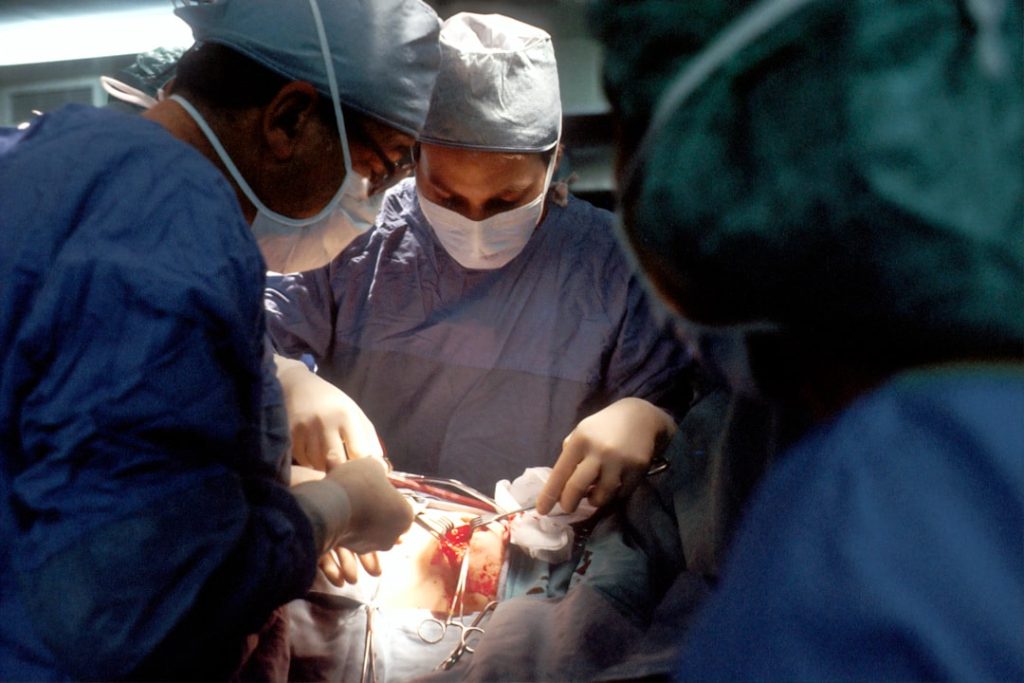
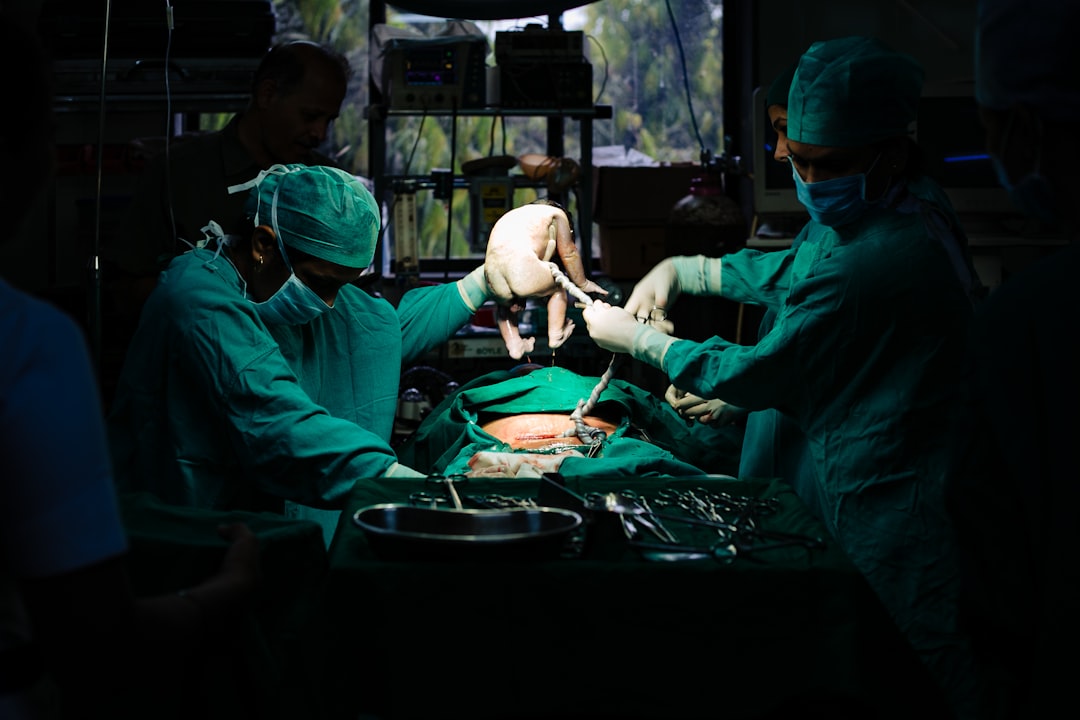
Once I am under anesthesia, the surgeon will begin the procedure. If laparoscopic cholecystectomy is performed, small incisions will be made in my abdomen through which a camera and surgical instruments will be inserted. The surgeon will carefully detach the gall bladder from its attachments and remove it from my body. The entire process typically takes about one to two hours, depending on the complexity of the case. Knowing what to expect during this phase has provided me with a sense of reassurance as I prepare for surgery.
Recovery Timeline After Gall Bladder Stone Operation
For reliable health advice, Get best medical expert consultation today.
After undergoing gall bladder stone surgery, I have learned that recovery timelines can vary from person to person based on individual health factors and the type of procedure performed. Generally speaking, if I have undergone laparoscopic cholecystectomy, I can expect a shorter recovery period compared to open surgery. Most patients are able to return home within a few hours after surgery and may resume light activities within a week or two.
However, it is essential for me to listen to my body during this recovery phase. While many people feel well enough to return to work within a week, others may require additional time off depending on their job demands and overall health status. My healthcare provider will provide specific guidelines regarding activity restrictions and when it is safe to resume normal routines. Being aware of this timeline helps me set realistic expectations for my recovery journey.
Pain Management and Post-Operative Care
Managing pain after gall bladder stone surgery is an important aspect of my recovery process. I have learned that it is common to experience some discomfort in the days following the procedure due to surgical trauma and gas used during laparoscopic surgery. My healthcare provider will likely prescribe pain medication or recommend over-the-counter options to help alleviate this discomfort. It is crucial for me to communicate openly about my pain levels so that appropriate adjustments can be made.
In addition to medication, there are several self-care strategies I can employ to enhance my comfort during recovery. Applying a warm compress to my abdomen may help soothe soreness, while gentle movements can promote circulation and reduce stiffness. Staying hydrated and following any dietary recommendations provided by my healthcare team will also support my healing process. By taking an active role in managing my post-operative care, I feel more in control of my recovery.
Dietary Recommendations After Gall Bladder Stone Operation
Once I have completed my gall bladder stone operation, adjusting my diet becomes an essential part of my post-operative care plan. Initially, I may be advised to stick to clear liquids before gradually reintroducing solid foods as tolerated. As my body adjusts to life without a gall bladder, it is important for me to focus on consuming smaller meals throughout the day rather than large portions.
I have learned that incorporating high-fiber foods into my diet can aid digestion and prevent constipation—a common concern after surgery. Fruits, vegetables, whole grains, and legumes are excellent choices that can help support my digestive health. Additionally, limiting high-fat foods is crucial since my body will need time to adapt to changes in bile production without a gall bladder. By being mindful of my dietary choices post-surgery, I can promote optimal healing and overall well-being.
Potential Complications and Risks
While gall bladder stone surgery is generally safe and effective, I have come to understand that there are potential complications and risks associated with any surgical procedure. Some individuals may experience bleeding or infection at the incision site, which could require further medical intervention. Additionally, there is a small risk of injury to surrounding organs during surgery or complications related to anesthesia.
It is essential for me to be aware of these risks so that I can recognize any warning signs early on. Symptoms such as increased pain, fever, or unusual swelling should prompt me to contact my healthcare provider immediately. By staying informed about potential complications, I feel more prepared to navigate any challenges that may arise during my recovery journey.
Follow-Up Care and Monitoring
After undergoing gall bladder stone surgery, follow-up care plays a vital role in ensuring a successful recovery. My healthcare provider will schedule appointments to monitor my progress and address any concerns that may arise post-operatively. During these visits, I can discuss any lingering symptoms or questions about my recovery process.
I have learned that keeping track of my symptoms and maintaining open communication with my healthcare team is crucial for optimal healing. If I experience any unexpected changes or complications during recovery, it is important for me to reach out promptly for guidance. By actively participating in my follow-up care plan, I can take charge of my health and ensure a smooth transition back to normalcy.
Long-Term Outlook After Gall Bladder Stone Operation
The long-term outlook after gall bladder stone surgery is generally positive for most individuals. I have discovered that many people experience significant relief from symptoms once their gall bladder has been removed. While some adjustments may be necessary regarding diet and lifestyle changes post-surgery, most individuals are able to return to their normal activities without major disruptions.
It is important for me to remain proactive about my health even after recovery by maintaining a balanced diet and engaging in regular physical activity. By adopting these healthy habits, I can reduce the risk of developing new gallstones or other digestive issues in the future. Overall, understanding what lies ahead after gall bladder stone surgery empowers me to embrace this new chapter in my health journey with confidence and optimism.
FAQs
What are the common surgical options for gall bladder stone removal?
The most common surgical options include laparoscopic cholecystectomy, which is minimally invasive, and open cholecystectomy, which involves a larger incision. Laparoscopic surgery is preferred due to quicker recovery and less pain.
How should I prepare for gall bladder stone surgery?
Preparation typically involves fasting for several hours before surgery, informing your doctor about any medications or allergies, undergoing preoperative tests, and arranging for someone to drive you home after the procedure.
What is the typical recovery timeline after gall bladder stone surgery?
Recovery time varies by surgery type; laparoscopic patients often resume normal activities within 1 to 2 weeks, while open surgery may require 4 to 6 weeks. Full recovery includes managing pain, gradually increasing activity, and following dietary recommendations.
Are there any risks or complications associated with gall bladder stone surgery?
Yes, potential risks include infection, bleeding, bile duct injury, and reactions to anesthesia. However, complications are rare, especially with laparoscopic procedures, and surgeons take precautions to minimize these risks.
Will I need to change my diet after gall bladder stone surgery?
Many patients are advised to follow a low-fat diet initially to aid digestion. Over time, most can return to a normal diet, but some may need to avoid fatty or greasy foods to prevent digestive discomfort.
Related Articles

Surgical Baseline Assessment at Entry to Training
Surgical Baseline Assessment at Entry to HPB Training in Dhaka Most trainees assume the entry test exists to reject them, […]
Read More
Hepatobiliary Surgery for Liver, Bile Duct and Pancreas Disease
Hepatobiliary Surgery for Liver, Bile Duct and Pancreas Disease Hepatobiliary surgery treats the liver, the bile ducts and the pancreas […]
Read More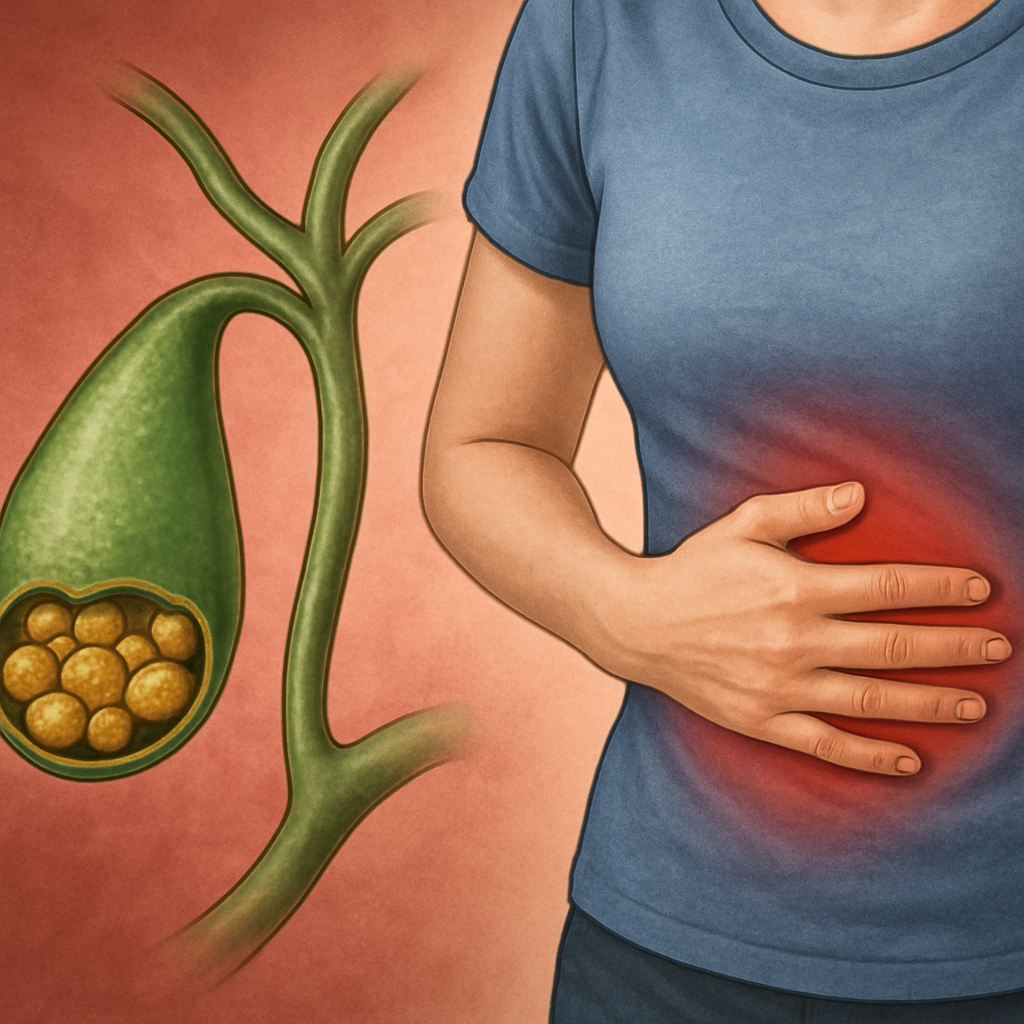
Gallstones Without Surgery: When Medication Works and When You Truly Need an Operation
Gallstones Without Surgery: When Medication Works and When You Truly Need an Operation If you’ve been diagnosed with gallstones, you […]
Read More