As I delve into the topic of duodenum inflammation, I find it essential to first grasp what the duodenum is and its role in the digestive system. The duodenum is the first section of the small intestine, situated just after the stomach. It plays a crucial role in digestion, as it is where the partially digested food from the stomach mixes with bile from the liver and pancreatic juices. This combination is vital for breaking down nutrients, allowing my body to absorb them effectively. When inflammation occurs in this area, it can disrupt these processes, leading to various health issues.
Duodenum inflammation, also known as duodenitis, can manifest in different forms and can be acute or chronic. Acute duodenitis may arise suddenly and is often temporary, while chronic duodenitis can persist over time, potentially leading to more severe complications if left untreated. Understanding the underlying mechanisms of this inflammation is crucial for recognizing its impact on my overall health. The inflammation can result from various factors, including infections, irritants, or autoimmune responses, which I will explore further in the following sections.
For those seeking a comprehensive understanding of duodenum inflammation, it may be beneficial to explore additional resources that delve into related topics. One such article discusses effective strategies for crafting captivating headlines, which can enhance the visibility of health-related content. You can read more about this in the article titled “Crafting Captivating Headlines” available at this link. This resource can provide insights that are useful for anyone looking to improve their health communication skills.
Common Causes of Duodenum Inflammation
As I consider the common causes of duodenum inflammation, I realize that several factors can contribute to this condition. One of the primary culprits is infection, particularly from bacteria such as Helicobacter pylori. This bacterium is notorious for causing stomach ulcers and can also lead to inflammation in the duodenum. When I think about how prevalent H. pylori infections are, it becomes clear that they are a significant concern for many individuals experiencing gastrointestinal issues.
Another common cause of duodenitis is the use of nonsteroidal anti-inflammatory drugs (NSAIDs). These medications, which I often take for pain relief or inflammation, can irritate the lining of the gastrointestinal tract, including the duodenum. Prolonged use or high doses can exacerbate this irritation, leading to inflammation. Additionally, excessive alcohol consumption and smoking are lifestyle choices that can contribute to duodenal inflammation by damaging the mucosal lining and increasing acid production in the stomach.
Symptoms and Signs of Duodenum Inflammation

When I reflect on the symptoms and signs of duodenum inflammation, I recognize that they can vary widely among individuals. One of the most common symptoms I might experience is abdominal pain or discomfort, often described as a burning sensation in the upper abdomen. This pain may worsen after eating or when my stomach is empty, making it challenging to maintain a regular eating schedule. Alongside this discomfort, I might also experience nausea or vomiting, which can further complicate my ability to eat and absorb nutrients.
In addition to these gastrointestinal symptoms, I may notice changes in my appetite or weight. Some individuals with duodenitis report feeling full quickly or losing interest in food altogether. This can lead to unintended weight loss and nutritional deficiencies over time. Other signs that may accompany duodenal inflammation include bloating, gas, and changes in bowel habits, such as diarrhea or constipation. Recognizing these symptoms early on is crucial for seeking appropriate medical attention.
When to Seek Medical Attention for Duodenum Inflammation
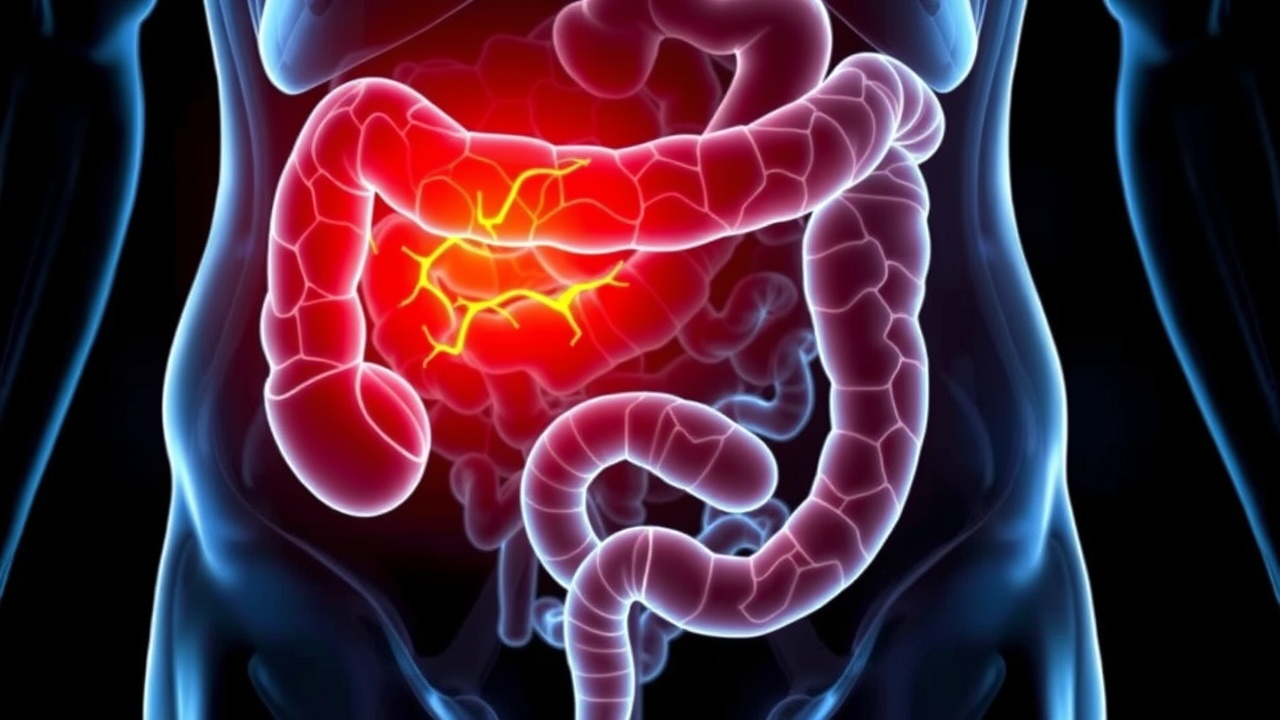
Understanding when to seek medical attention for duodenum inflammation is vital for my health and well-being. If I experience persistent abdominal pain that does not improve with over-the-counter medications or lifestyle changes, it is essential to consult a healthcare professional. Additionally, if I notice any alarming symptoms such as blood in my stool or vomit that resembles coffee grounds, I should seek immediate medical attention. These signs could indicate a more severe underlying condition that requires prompt intervention.
Moreover, if I find myself experiencing significant weight loss or persistent nausea and vomiting that prevents me from keeping food down, it is crucial to reach out to a healthcare provider. These symptoms may suggest that my body is not absorbing nutrients properly due to inflammation in the duodenum. Early intervention can help prevent complications and ensure that I receive appropriate treatment to manage my condition effectively.
If you’re looking to deepen your understanding of gastrointestinal health, you might find it helpful to explore an article that discusses the importance of effective communication in engaging readers. This can be particularly relevant when considering how to present complex medical topics like duodenum inflammation. For more insights on crafting compelling content, check out this informative piece on the art of drawing readers in.
Diagnostic Steps for Duodenum Inflammation
| Category | Details |
|---|---|
| Condition | Duodenum Inflammation (Duodenitis) |
| Common Causes |
|
| Symptoms |
|
| Diagnosis Steps |
|
| Treatment Options |
|
| Prognosis | Generally good with appropriate treatment; chronic inflammation may lead to complications if untreated. |
| Prevention Tips |
|
When it comes to diagnosing duodenum inflammation, healthcare professionals typically follow a systematic approach. Initially, I would expect my doctor to conduct a thorough medical history and physical examination. During this process, they would ask about my symptoms, dietary habits, and any medications I am currently taking. This information helps them understand my situation better and determine potential causes of my duodenitis.
Following this initial assessment, my doctor may recommend several diagnostic tests to confirm the presence of inflammation in the duodenum. Blood tests can be useful in identifying signs of infection or anemia related to gastrointestinal bleeding. Additionally, stool tests may be conducted to check for the presence of H. pylori or other pathogens that could be contributing to my symptoms. These preliminary steps are crucial for guiding further diagnostic procedures.
For those seeking more information on gastrointestinal health, you may find the article on gastrointestinal disorders particularly insightful. It complements the Duodenum Inflammation Guide by exploring various conditions that can affect the digestive system, including symptoms, diagnostic procedures, and treatment options. Understanding these related topics can provide a more comprehensive view of how to manage and prevent duodenal inflammation effectively.
Imaging Tests for Diagnosing Duodenum Inflammation
For reliable health advice, Get best medical expert consultation today.
As part of the diagnostic process for duodenum inflammation, imaging tests play a significant role in providing a clearer picture of what might be happening inside my digestive system. One common imaging technique is an abdominal ultrasound, which uses sound waves to create images of the organs within my abdomen. This non-invasive procedure can help identify any abnormalities in the duodenum or surrounding structures.
Another imaging option that may be considered is a computed tomography (CT) scan. This test provides detailed cross-sectional images of my abdomen and can help detect inflammation, swelling, or other issues affecting the duodenum. While these imaging tests are valuable tools for diagnosis, they are often used in conjunction with other procedures to obtain a comprehensive understanding of my condition.
Endoscopic Procedures for Diagnosing Duodenum Inflammation
In some cases, my doctor may recommend endoscopic procedures to diagnose duodenum inflammation more accurately. One such procedure is an upper endoscopy (esophagogastroduodenoscopy), where a thin, flexible tube with a camera is inserted through my mouth and into my esophagus and stomach before reaching the duodenum. This allows my doctor to visualize the lining of these organs directly and assess any signs of inflammation or damage.
During an endoscopy, my doctor may also take biopsies of the duodenal tissue for further analysis. This step is crucial for determining whether there are any underlying conditions contributing to my symptoms, such as celiac disease or other inflammatory disorders. While the thought of undergoing an endoscopic procedure may seem daunting, it provides valuable insights into my gastrointestinal health and helps guide appropriate treatment options.
Treatment Options for Duodenum Inflammation
Once diagnosed with duodenum inflammation, I would explore various treatment options tailored to my specific condition and its underlying causes. Initially, my healthcare provider may recommend lifestyle modifications aimed at reducing irritation in the digestive tract. This could include dietary changes such as avoiding spicy foods, caffeine, and alcohol while incorporating more bland foods that are easier on my stomach.
In addition to dietary adjustments, medications may be prescribed to help manage inflammation and alleviate symptoms. Antacids or proton pump inhibitors (PPIs) can reduce stomach acid production and promote healing of the duodenal lining. If an infection like H. pylori is identified as a contributing factor, antibiotics may be necessary to eradicate the bacteria effectively.
Medications for Managing Duodenum Inflammation
When it comes to managing duodenum inflammation through medication, several options are available depending on the severity of my condition and its underlying causes. As mentioned earlier, proton pump inhibitors (PPIs) are commonly prescribed to reduce stomach acid production and promote healing in the digestive tract. These medications work by blocking the proton pumps in the stomach lining responsible for acid secretion.
In addition to PPIs, my doctor may recommend H2-receptor antagonists as an alternative treatment option. These medications also reduce stomach acid but work through a different mechanism than PPIs. If an infection is present, antibiotics will be necessary to address it effectively. It’s essential for me to follow my healthcare provider’s instructions regarding medication use and dosage to ensure optimal results while minimizing potential side effects.
Lifestyle Changes to Help Alleviate Duodenum Inflammation
In conjunction with medical treatment, making lifestyle changes can significantly impact managing duodenum inflammation effectively. One of the most important adjustments I can make is adopting a balanced diet rich in whole foods while avoiding irritants like spicy foods and excessive caffeine or alcohol consumption. Incorporating more fruits, vegetables, lean proteins, and whole grains into my meals can help support digestive health and reduce inflammation.
Additionally, managing stress levels is crucial for overall well-being and digestive health. Stress can exacerbate gastrointestinal issues; therefore, incorporating relaxation techniques such as yoga or meditation into my daily routine may prove beneficial. Regular physical activity also plays a vital role in maintaining digestive health by promoting regular bowel movements and reducing stress levels.
Surgical Interventions for Severe Duodenum Inflammation
In rare cases where conservative treatments fail or complications arise from severe duodenum inflammation, surgical interventions may become necessary. If there are significant structural abnormalities or blockages within the duodenum that cannot be resolved through medication or lifestyle changes alone, surgery may be required to remove affected tissue or repair any damage.
Surgical options vary depending on the specific circumstances surrounding my condition but may include procedures such as strictureplasty or resection of affected segments of the duodenum. While surgery carries inherent risks and requires careful consideration, it can provide relief from debilitating symptoms and improve overall quality of life when other treatments have proven ineffective.
In conclusion, understanding duodenum inflammation involves recognizing its causes, symptoms, diagnostic steps, treatment options, and potential surgical interventions when necessary. By being proactive about my health and seeking medical attention when needed, I can effectively manage this condition and maintain optimal digestive health.
FAQs
What is duodenum inflammation?
Duodenum inflammation, also known as duodenitis, is the swelling or irritation of the duodenum, which is the first part of the small intestine immediately beyond the stomach. It can cause symptoms such as abdominal pain, nausea, and indigestion.
What are the common causes of duodenum inflammation?
Common causes include infection with Helicobacter pylori bacteria, prolonged use of nonsteroidal anti-inflammatory drugs (NSAIDs), excessive alcohol consumption, stress, and certain autoimmune conditions.
How is duodenum inflammation diagnosed?
Diagnosis typically involves a combination of medical history review, physical examination, blood tests, stool tests, and endoscopic procedures like an upper gastrointestinal endoscopy to visually inspect the duodenum and obtain tissue samples if necessary.
What treatment options are available for duodenum inflammation?
Treatment depends on the underlying cause but may include antibiotics for bacterial infections, proton pump inhibitors or H2 blockers to reduce stomach acid, lifestyle modifications such as diet changes, and avoiding irritants like NSAIDs and alcohol.
Can duodenum inflammation be prevented?
Prevention strategies include maintaining good hygiene to avoid infections, limiting the use of NSAIDs, reducing alcohol intake, managing stress, and following a balanced diet to support digestive health.
Related Articles
How to Manage Gallstone Symptoms Through Diet While Awaiting Surgery: A Surgeon’s Practical Guide
How to Manage Gallstone Symptoms Through Diet While Awaiting Surgery: A Surgeon’s Practical Guide পিত্তথলিতে পাথর হলে কি খেতে হবে—এই […]
Read More
Life After Gallbladder Removal: Common Problems, What’s Normal, and When to Call Your Surgeon
Life After Gallbladder Removal: Common Problems, What’s Normal, and When to Call Your Surgeon গলব্লাডার অপারেশনের পর সমস্যা সাধারণ, বিশেষ […]
Read More
7 Questions Every Patient Should Ask Before Choosing a Liver or HPB Surgeon in Bangladesh
7 Questions Every Patient Should Ask Before Choosing a Liver or HPB Surgeon in Bangladesh Choosing the right liver or […]
Read More