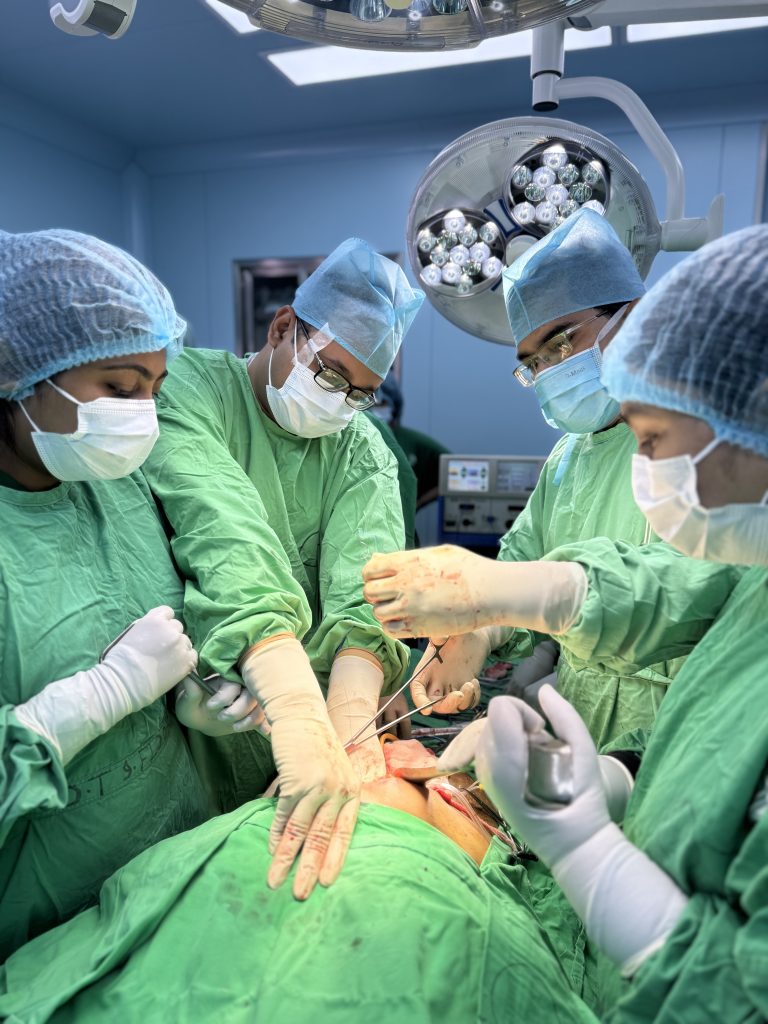

পিত্তথলিতে পাথর হলে কি খেতে হবে—এই প্রশ্নটি ঢাকায়waiting-এ থাকা রোগীদের দৈনন্দিন ডায়েট সিদ্ধান্তকে সরাসরি স্পর্শ করে।
এই প্রবন্ধটি একজন সার্জনের বাস্তব-প্রয়োগ-ভিত্তিক গাইড হিসেবে ঢাকার প্রেক্ষাপটে তৈরি, যাতে অপারেশনের আগে Pain কমাতে, আক্রমণ প্রতিরোধ করতে এবং কার্যকর খাদ্য পরিকল্পনা মেলে।
আপনি পাবেন স্থানীয় খাবার-উপাদানভিত্তিক দিনের খাবার পরিকল্পনা, কোন খাবার সীমিত বা এড়াতে হবে, এবং সার্জনের সাথে কীভাবে যুক্তিযুক্ত যোগাযোগ করবেন—সবকিছু স্পষ্ট ও ব্যবহারযোগ্যভাবে।
Setting the preoperative dietary framework
Before surgery, frame the diet to minimize biliary stress. The goal is to reduce pain and prevent attacks while preserving nutrition. In practice, that means modest fat intake, regular small meals, and steady hydration. For a patient asking পিত্তথলিতে পাথর হলে কি খেতে হবে, the answer is to avoid large, fatty meals and to distribute calories across the day.
Fat intake drives gallbladder contractions. Large fatty meals trigger bile release, which can provoke pain when stones are present. By keeping fat portions small and choosing lean proteins, you blunt those contractions. In Dhaka's cooking, that means favoring grilled or lightly cooked fish, steamed vegetables, dal preparations with minimal oil, and chapati or rice in measured portions rather than heavy gravies.
Consistency matters more than perfection. Aim for 4-6 small meals or snacks per day, roughly every 3-4 hours, and pair meals with fluids. Hydration supports digestion and can reduce nausea. Include high-fiber foods to support regular bowels, but avoid piling fiber right before a painful episode. For a broader overview, see Mayo Clinic gallbladder diet.
Nutrition supports recovery and general health before surgery. Protein helps tissue repair after the operation, and micronutrients support immunity. Plan meals that include a lean protein source, whole grains, and vegetables. If appetite is low, liquids like soups and dals can help meet energy needs without overloading fat.
Trade-off insight: a very strict low-fat approach can leave you short on fat-soluble vitamins and energy, especially if the waiting period is long. Balance is key: keep fats from oily curries to a light drizzle, use olive or mustard oil sparingly, and monitor weight and energy. If you lose weight or feel unusually fatigued, adjust upward slightly while staying cautious about symptoms.
Concrete Example: A patient in Dhaka schedules meals every 3-4 hours: breakfast khichuri with mixed vegetables and a small spoon of yogurt; lunch dal bhat with a side of steamed vegetables and a small, oil-light fish curry; dinner vegetable soup with chapati and a light dal. Snacks include cucumber or papaya. This pattern keeps symptoms from flaring while meeting energy needs.
Foods to limit or avoid before surgery
Before gallbladder surgery, the aim is to minimize gallbladder stimulation by eating smaller, low-fat meals that keep you nourished. In Dhaka kitchens, fat often comes from ghee, coconut oil, and rich gravies, and large portions are common. Those patterns can trigger biliary pain or attacks while you wait. The practical move is simple: lean proteins, plenty of vegetables, and grains cooked with minimal oil, avoiding big, fatty loads at a single meal. This approach lowers biliary stress and keeps you well enough for the operation.
Foods to limit or avoid before surgery include very fatty curries and gravies, such as heavy mutton or beef dishes cooked in ghee, fried snacks, and creamy or coconut-rich curries. Large meals and eating late can worsen symptoms. Processed snacks and ready-to-eat items often carry hidden fats and additives. If alcohol is part of your routine, restrict or avoid it. Dairy fat should be moderated; opt for low-fat options when possible.
- Very fatty curries and gravies, especially those cooked in ghee or coconut oil
- Deep-fried snacks and items like bhaji, fried fish, or samosas
- Creamy sauces and dishes with heavy dairy or cream
- Large meals or eating late in the day
- Full-fat dairy products in generous amounts
- Processed snacks and ready-to-eat foods with hidden fats
- Alcohol intake during the waiting period
Safer Dhaka-friendly choices help you stay nourished without pushing symptoms. Choose protein from skinless poultry, steamed or grilled fish, and lentils; pair with whole grains in modest portions; load up on vegetables and fiber; and use small amounts of healthy fats for flavor.
- Protein: skinless chicken, fish cooked with minimal oil, lentils and dals
- Carbs: brown rice, chapati made from whole wheat or millet, in controlled portions
- Vegetables & fiber: leafy greens, cauliflower, carrots, squash, and other colorful veggies
- Dairy: low-fat yogurt in small amounts
- Fats & oils: minimal oil; use mustard oil or olive oil for flavor rather than as the cooking medium
- Hydration: water, light soups, and homemade broths without heavy salt
Concrete example: In a Dhaka household, a patient who previously relied on heavy mutton curry and fried bhaji found that switching to steamed fish with a small portion of dal and vegetables reduced post-meal discomfort within a week.
A practical trade-off to expect is that you may miss the depth of flavor from richer dishes. You can compensate with bold spices and herbs like garlic, ginger, cumin, coriander, and lemon to preserve taste without adding fat. Keep portions modest and monitor how your body responds; gradual adjustments beat sudden, sweeping changes.
Gentle options that ease symptoms and support digestion
Gentle options for a waiting period hinge on keeping fat low, meals small and regular, and choosing foods that are easy on the biliary tract. For patients with পিত্তথলিতে পাথর হলে কি খেতে হবে, the aim is to minimize gallbladder contractions while still delivering energy and protein.
Low-fat protein choices that protect digestion
Protein is essential, but fat content matters. Select lean proteins and cook with minimal oil to reduce biliary stress while maintaining calories and muscle support.
- Low-fat proteins: skinless fish or poultry (small portions), lentils and peas, tofu or paneer in modest amounts
- Fiber-friendly proteins: dal bhat and pulses that combine with vegetables to ease digestion
- Smart cooking methods: bake, steam, or light-sauté with a teaspoon of oil rather than deep-frying
Fiber and fluids work together to keep digestion smooth. Include soluble fiber from oats, lentils, vegetables, and fruit, and sip water regularly to support hydration and stool softness.
Trade-off note: increasing fiber or protein gradually is essential. Introducing too much fiber or large portions at once can trigger bloating or pain. Start with one extra serving of vegetables or a half-cup dal and monitor symptoms for 24–48 hours.
Real-world use case: a patient in Dhaka might begin the day with khichuri cooked in minimal oil, paired with steamed vegetables and a small yogurt. For lunch, dal bhat with a light vegetable curry; in the evening, a light vegetable soup with chapati made from whole-wheat flour. These patterns keep energy steady without triggering severe pain.
Takeaway: Prioritize small, regular meals built around lean proteins and fiber-rich vegetables; track how each change affects your symptoms and coordinate any adjustments with Dr. Murshidul Arefin.
Dhaka-friendly daily meal plan: Breakfast, lunch, dinner ideas
This Dhaka-friendly daily meal plan translates the waiting-for-surgery guidance into meals you can actually cook and tolerate. It centers on small, low-fat portions spaced every 3 hours to minimize biliary stress while you await surgery. The Bengali phrase পিত্তথলিতে পাথর হলে কি খেতে হবে shapes choices around familiar Dhaka flavors prepared with gentler methods. Expect to use more vegetables, lean proteins, and modest oil; the goal is steady energy, good hydration, and fewer pain flares—not a cure, and not a guarantee of outcomes. You’ll find breakfast, lunch, dinner templates plus practical tweaks for local ingredients.
Breakfast ideas
Breakfast should be light, fiber-rich, and easy on the gallbladder. Practical patterns that work in Dhaka kitchens emphasize vegetables, lean protein, and minimal oil. A recent clinical mindset shift favors steady energy over heavy, fried starts, which often provoke early-morning discomfort. The trade-off is a slightly lighter meal; you may need a modest mid-morning snack if you’re very active or if your tolerance changes day to day.
- Khichuri with vegetables and yogurt: cooked with very little oil and loaded with leafy greens or peas for extra fiber.
- Oats porridge with skim milk, banana, and cinnamon: heartier than plain porridge but still gentle, with natural sweetness that reduces the impulse for fried sides.
- Plain yogurt with fresh fruit and roasted chana: protein-rich starter that travels well if you’re commuting to clinic visits.
Lunch ideas
Lunch should sustain energy without heaviness, keeping fat modest and fiber up. A patient example helps illustrate practicality: they swapped a heavy fried curry for dal bhat with mixed vegetables and a light fish curry cooked with minimal oil; symptoms stayed manageable and energy remained steadier through the afternoon. The aim is to maintain balance, not to force a single perfect dish.
- Dal bhat with side of mixed vegetables and light seasonal fish curry prepared with a teaspoon or less of oil.
- Dal khichuri with vegetables and a small portion of lean protein on the side to boost satiety.
Dinner ideas
Evening meals should be simpler and earlier to support digestion and reduce overnight discomfort. Choose dishes that feel comforting yet light, with plenty of vegetables and a smaller starch portion to prevent nighttime symptoms.
- Vegetable soup with whole-wheat chapati and a side of light dal.
- Grilled or baked fish with brown rice and steamed greens; use a small amount of oil and passive flavors (ginger, garlic, herbs) rather than heavy sauces.
Snacks
Cucumber slices, papaya, or a small handful of roasted chana provide fiber and hydration between meals without piling on fats.
Takeaway: Treat this as a flexible scaffold you test against tolerance and surgeon guidance. Start with these Dhaka-friendly templates, adjust portions and oil gently, and track symptoms to inform your next clinic check-in.
Hydration, fiber, and meal-timing strategies
In Dhaka's heat, hydration isn't optional; it's foundational to reducing biliary stress and supporting digestion when gallstones are present.
Three pillars form a practical framework: regular fluids, soluble-fiber intake, and consistent meals every 3–4 hours. This rhythm helps smooth bile flow and minimizes pain flares.
For readers asking পিত্তথলিতে পাথর হলে কি খেতে হবে, the answer is that diet cannot dissolve stones, but it can reduce pain and prevent attacks while awaiting surgery.
Hydration matters most in Dhaka’s climate. Aim for about 2–3 liters of fluids daily, adjusted for heat and activity. Favor plain water and light broths; use coconut water sparingly if you tolerate it, and watch for added sugars in drinks.
Fiber is your quiet ally. Target 20–30 g of fiber per day, prioritizing soluble sources such as oats, lentils, fruits, and vegetables. Start with small increases (5–10 g per day) and build up, pairing fiber with ample fluids to prevent bloating.
Meal timing is the lever you can control. Space meals every 3–4 hours and keep portions modest. If you prefer three meals, add two light snacks; if your schedule supports it, switch to five to six lighter meals to reduce biliary stress.
Use case: A 52-year-old Dhaka resident with intermittent right-upper-quadrant pain shifts from two large meals to five–six lighter meals daily, adds oats for soluble fiber, and leans on vegetables and lean fish. Within a week, pain episodes decline and energy stabilizes, making preoperative management smoother.
Trade-off: more frequent meals can complicate work or family routines, but the payoff is steadier gallbladder activity and fewer attacks. Start simple: replace one large meal with a small, protein-rich option and a fiber-rich snack, then scale up as you can.
Key idea: consistency beats intensity. A reliable rhythm of fluids, soluble fiber, and meals every few hours reduces symptoms more than occasional perfect days.
Takeaway: implement this Dhaka-ready rhythm now—consistently hydrated, fiber-forward, and spaced meals—and coordinate with your surgeon to adjust as readiness evolves.
Coordinating with your surgeon and monitoring symptoms
Coordinating with your surgeon is not optional—it's part of the treatment plan. You will discuss symptom patterns, plan preoperative tests, and adjust medications as you await gallbladder removal. In Bengali, পিত্তথলিতে পাথর হলে কি খেতে হবে is addressed by focusing on symptom control and not on dissolution.
How to organize your symptom log and what your surgeon needs
Your daily symptom log is your most valuable update tool. Record pain location and intensity on a 0–10 scale, meals and timing, any nausea, fever, or lightheadedness, and hydration. Bring this diary to every clinic visit so your surgeon can see patterns and tailor plans. A simple 7‑day log helps you stay consistent. For practical templates and examples, see this resource.
- Request a brief preoperative check‑in at the surgeon's clinic or call center to review the diary and any new symptoms.
- Bring the 7‑day diary and a current list of medications to visits, including over‑the‑counter drugs and supplements.
- Ask which foods to avoid temporarily and how to adjust fat intake on the plan to minimize biliary stress.
- Confirm preoperative tests, fasting guidelines, and any pauses in medications that matter before surgery.
- Record and share new concerns promptly via the clinic email or phone line so the team can respond quickly.
A concrete example from the Dhaka clinic illustrates the point. A patient notices pain after a heavy bhuna curry and fat-heavy meal, logs the trigger, and emails the surgical team with a concise summary. The team recommends a lighter fat plan, moves a planned ultrasound up if symptoms escalate, and keeps the same surveillance schedule—no last‑minute scramble, just clear communication.
Takeaway: Proactive symptom tracking and timely coordination with your surgeon reduce risk and keep you prepared for surgery.
Red flags and when to seek urgent care
Red flags are not minor annoyances. In the waiting period for gallbladder surgery, a rapid shift in symptoms can signal gallstone-related complications, infection, or dehydration. When these signs appear, a timely evaluation is essential to prevent deterioration.
- Severe, persistent abdominal pain that worsens over hours or does not respond to usual measures
- Fever with chills or a temperature above 38°C lasting more than 24 hours
- Jaundice (yellowing of the skin or eyes) or very dark urine
- Vomiting that prevents keeping fluids down for 24 hours or more
- Inability to keep down any fluids, leading to dehydration signs like very dry mouth or dizziness
- New confusion or fainting or other signs of dehydration and mental status change
If you notice these red flags, act quickly. Call the surgical clinic for guidance and, if symptoms are severe or you suspect infection or obstruction, proceed to the nearest emergency department. Bring a simple symptom diary, a list of medications, and any recent test results to the hospital.
In practical terms, here is a straightforward plan: sip small amounts of fluids or an oral rehydration solution if you can tolerate it; avoid fatty or heavy meals during the episode; do not drive yourself if pain is intense—have a friend or family member accompany you or call an ambulance if needed.
Concrete example: A 52-year-old patient in Dhaka experiences sudden right upper-quadrant pain after a spicy Dhaka curry, followed by fever and yellowing of the eyes. He heads to the emergency department with his symptom log and current medications. Tests reveal possible biliary infection, and he is started on IV fluids and IV antibiotics while awaiting surgical assessment.
A common misstep is waiting to see if symptoms improve on their own. In gallstone disease, red flags can escalate quickly, and dehydration compounds risk. Early evaluation can prevent progression to serious complications and may influence preoperative planning.
Next considerations include ensuring you have clear guidance from your surgeon on when to seek care and keeping your support network informed so someone can respond quickly if symptoms worsen.
Related Articles
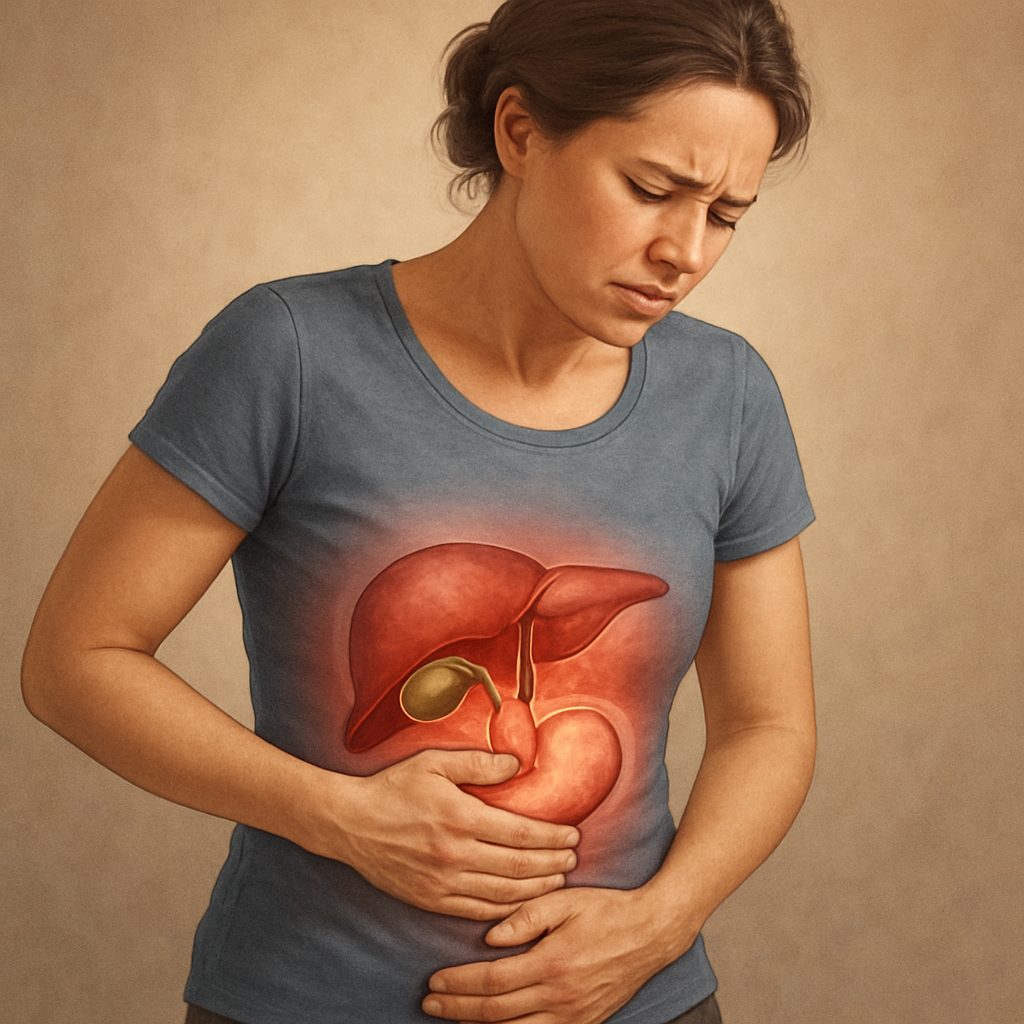
Life After Gallbladder Removal: Common Problems, What’s Normal, and When to Call Your Surgeon
Life After Gallbladder Removal: Common Problems, What’s Normal, and When to Call Your Surgeon গলব্লাডার অপারেশনের পর সমস্যা সাধারণ, বিশেষ […]
Read More
7 Questions Every Patient Should Ask Before Choosing a Liver or HPB Surgeon in Bangladesh
7 Questions Every Patient Should Ask Before Choosing a Liver or HPB Surgeon in Bangladesh Choosing the right liver or […]
Read More
Is Bangladesh Ready for Liver Transplant? A Surgeon’s Honest Assessment of What’s Possible Today
Is Bangladesh Ready for Liver Transplant? A Surgeon’s Honest Assessment of What’s Possible Today This article offers a surgeon's candid […]
Read More