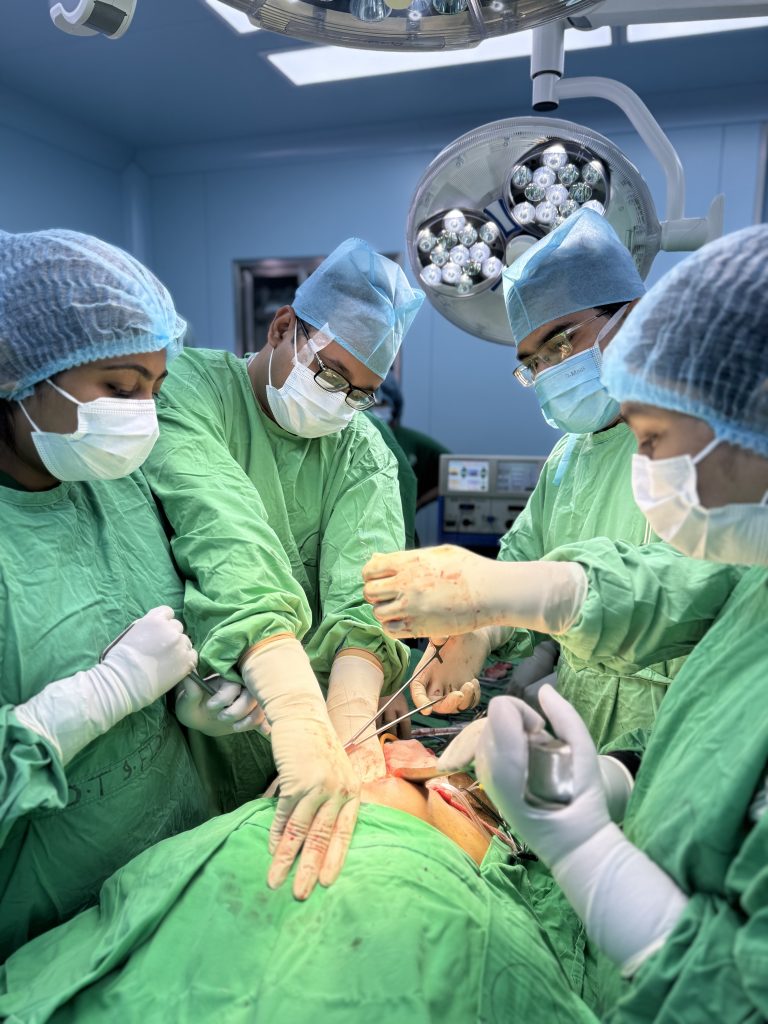
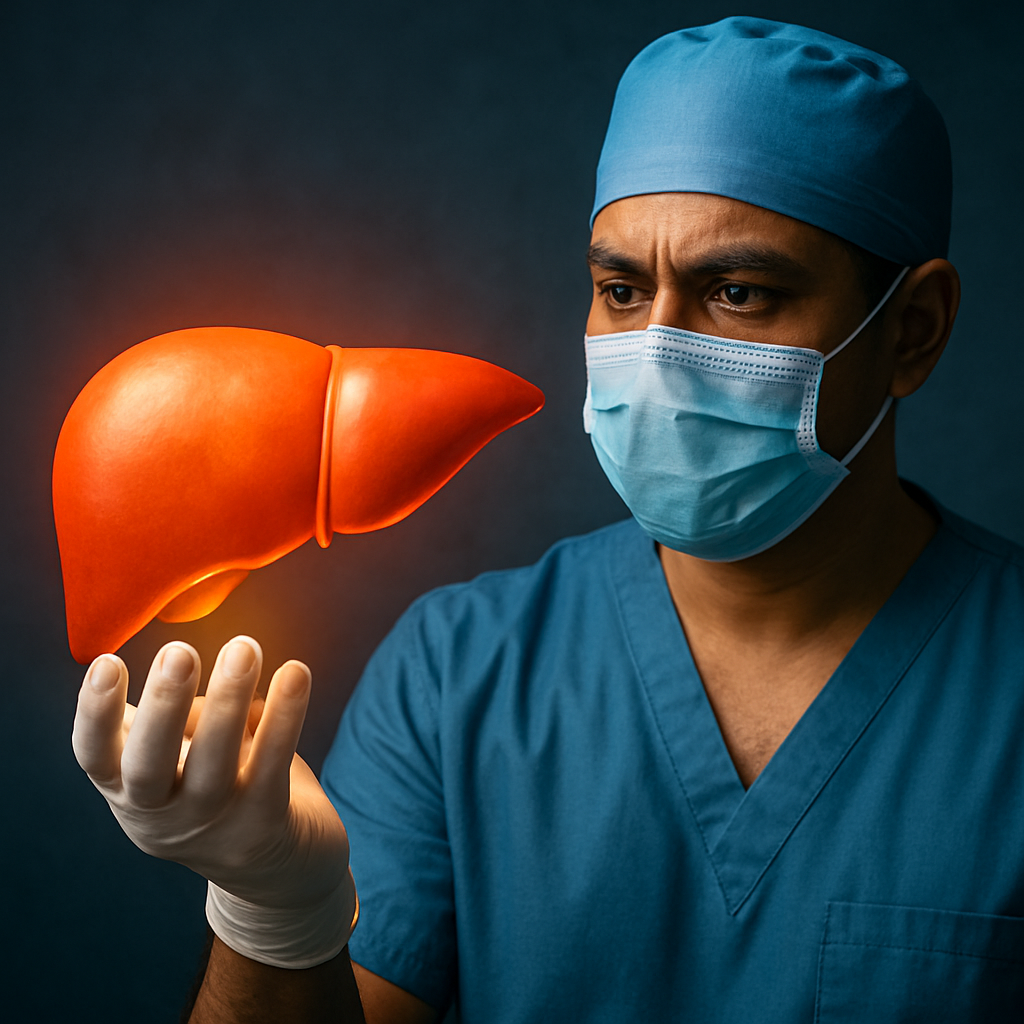
This article offers a surgeon's candid assessment of whether a liver transplant in bangladesh is realistically achievable today for families in Dhaka. It cuts through hype to map what’s possible at Popular Medical College Hospital, what remains a barrier, and how care pathways actually work in practice. You’ll come away with a practical understanding of eligibility, pretransplant workups, donor dynamics, costs, and the concrete steps to engage Dr Murshidul Arefin and his team.
Realistic Landscape: Liver Transplant in Bangladesh Today
Bangladesh liver transplant landscape today is real but uneven. In Dhaka, major programs exist at BSMMU and Popular Medical College Hospital, supported by multidisciplinary teams that include hepatobiliary surgeons, transplant hepatologists, anesthesiologists, and dedicated ICU staff. These centers can perform living-donor and select deceased-donor transplants and follow structured postoperative protocols, but capacity varies by facility and case mix. Waiting times at larger centers can be lengthy, and access outside Dhaka remains limited. The team profile at Drarefin site outlines their approach.
Facilities and perioperative support hinge on a coordinated care pathway: pretransplant assessment, donor screening, surgical expertise, ICU recovery, and long term immunosuppression management. A typical transplant team coordinates with nursing, infection control, nutrition, and rehabilitation services to reduce complications. In practice, successful outcomes depend as much on robust postoperative follow up as on the operation itself. A practical constraint is that not all centers have standardized postoperative monitoring schedules across the full spectrum of graft function tests. For a broad concepts overview see NHS liver transplant.
Concrete example: A 48 year old man with decompensated cirrhosis in Dhaka consulted Popular Medical College Hospital. He received a living donor graft from his healthy brother after comprehensive donor evaluation, underwent a liver transplant, spent several days in the ICU, and was discharged home within three weeks with a tailored immunosuppression plan and a follow up schedule with hepatology and nutrition teams.
Tradeoffs: Living donors shorten waiting time but pose ethical and medical risks to the donor that must be fully disclosed and safeguarded. Deceased donor programs are expanding but rely on consent, infrastructure, and regional awareness; donor shortages remain a bottleneck. Costs can be substantial, with surgery, hospitalization, immunosuppressants, and long term follow up; patients often navigate variable coverage between institutions.
Takeaway for families in Dhaka is that a realistic path today is a formal evaluation with the care team at Popular Medical College Hospital, with clear understanding of donor dynamics, costs, and post transplant care. Widespread access will require system wide improvements, but a viable option exists for select patients now.
Eligibility and Pretransplant Evaluation in Dhaka
In Dhaka, eligibility for liver transplant is not automatic. A patient must clear a center-based gatekeeping process that combines disease severity, overall health, and donor feasibility. At Popular Medical College Hospital, the decision rests with a dedicated transplant team—surgeons, hepatologists, anesthesiologists, ICU clinicians, and social workers—who review medical records, test results, and psychosocial readiness before any listing decision.
Common medical criteria used to determine transplant eligibility in Bangladesh include decompensated liver disease with impaired synthetic function, a rising MELD score, and absence of prohibitive cardiopulmonary disease. For tumors like hepatocellular carcinoma, localization guidelines are considered and center-specific thresholds apply. The team also evaluates nutritional status, ongoing alcohol or substance use, and the ability to adhere to complex posttransplant regimens.
- Initial medical and functional assessment: comprehensive review of liver disease severity, comorbidities, and performance status.
- Laboratory and imaging workup: liver function tests, coagulation, kidney function, and cross-sectional imaging to map anatomy and tumor status if present.
- Infectious disease screening: HBV, HCV, HIV, CMV, and immunization status as indicated.
- Nutritional and psychosocial evaluation: sarcopenia risk, nutrition optimization, mental health, social support, and capacity to follow complex regimens.
- Donor compatibility assessment (if considering living donation): parallel donor evaluation to ensure safety and ethical safeguards.
- Multidisciplinary review and listing decision: a formal sign-off by the transplant hepatologist, surgeon, anesthesiologist, ICU team, and social worker.
Donor dynamics in Bangladesh skew toward living donor pathways, with deceased donor programs still developing. A living donor evaluation starts with careful medical and psychosocial screening, independent consent, and strict safeguards to protect donor safety. Deceased donor availability remains limited, so wait times can vary significantly depending on center capacity and regional programs.
Concrete use case: A 54-year-old man with decompensated cirrhosis at Popular Medical College Hospital completes the initial consult, labs, imaging, and infectious screening in two weeks. The team determines he is transplant-eligible and identifies a healthy living donor who passes a parallel evaluation. The transplant proceeds within six weeks, illustrating how a local donor pathway can shorten waiting times in Dhaka.
Practical roadmap and next steps: begin with a referral to Dr Murshidul Arefin’s transplant team at Popular Medical College Hospital, assemble all prior medical records, and schedule a comprehensive evaluation. Expect coordinated testing across hepatology, radiology, infectious disease, nutrition, and social work, with a clear plan for donor involvement if a living donation is pursued. For context on testing approaches, see the surgeon’s perspective on liver function tests and related evaluations liver function tests results specialist.
Next steps: contact Dr Murshidul Arefin’s team to initiate the pretransplant evaluation and discuss potential donor involvement, timelines, and costs.
Donor Dynamics and Ethical Considerations
In Bangladesh, donor dynamics largely determine whether a liver transplant can proceed. Living donor pathways are far more prevalent than deceased donation due to limited registry programs and broader capacity constraints. Ethical safeguards are not optional add-ons; they define whether a transplant is even permissible, shaping every step from evaluation to post-operative care. See WHO organ donation and transplantation and NHS liver transplant overview for international context that informs local practice.
Living donor evaluation is deliberately rigorous. Candidates undergo hepatic imaging to map arterial and venous anatomy, extensive labs to confirm liver health, and a psychosocial assessment to ensure consent is voluntary and free from coercion. An independent donor advocate protects the donor’s interests, separate from the recipient team, so decisions remain donor-centered even when the family perspective is strong.
The donor’s safety remains non-negotiable, and protocols emphasize post-donation follow-up for months after surgery. Even in seasoned Dhaka centers, the risk of surgical complications exists and cannot be ignored. Deceased donor pathways, while present, are not yet scalable to the same degree, so many families face longer waits or more complex planning depending on anatomy and availability.
Ethical safeguards also influence timing and candid discussions. Coercion or intense family pressure must be identified and addressed, and institutions publish consent standards to guard against coercive dynamics. The practical implication is clear: a living donor can accelerate access, but the medical team must prioritize donor safety and ensure the donor fully understands long-term implications before moving forward.
Example in Dhaka: a healthy sibling underwent a two-week donor evaluation that included liver function testing, CT-based vascular mapping, and a thorough psychosocial interview. After confirming voluntary consent and acceptable surgical risk for both parties, the donation proceeded and the recipient received a graft. The donor’s recovery followed expected timelines with careful monitoring, illustrating how a well-structured process enables safe living-donor transplants when resources and expertise align.
Practical pathway: request independent donor advocacy early, coordinate with hepatology and transplant surgery, and establish a clear plan for donor long-term health follow-up. If a deceased donor option becomes feasible, understand the local registry status and protocols; if not, prepare for a living donor route with explicit consent, risk discussions, and structured post-donation care.
Surgical Capabilities and Dr Arefin's Approach
Within Dhaka, Dr Murshidul Arefin leads a focused hepatobiliary team at Popular Medical College Hospital that makes liver transplantation a reality for carefully selected patients. The surgical capability rests on precise vascular and biliary reconstruction, with an emphasis on living donor transplantation when a related donor is available. A core strength is the tightly integrated perioperative pathway: hepatologists, anesthesiologists, ICU staff, radiology, and infection-control specialists coordinating from the initial evaluation through the first post-transplant year. This isn’t a one-off operation; it’s a continuum where meticulous pretransplant workups, donor screening, and standardized intraoperative protocols set the stage for graft viability. In practice, success is as much about the care pathway as about surgical dexterity. The blunt reality is that while Dr Arefin’s team performs complex resections and graft placements with commendable precision, the program’s capacity to scale hinges on expanding donor education, expanding trained nursing and ICU coverage, and ensuring a sustainable post-transplant follow-up network across patients in Dhaka and beyond.
Concrete example: A 46-year-old man with decompensated cirrhosis and a small lesion within criteria for hepatocellular carcinoma underwent a living-donor liver transplant at Popular Medical College Hospital. The donor, a healthy first-degree relative, passed rigorous clinical and psychosocial screening. The operation lasted about six hours, followed by an ICU stay of four days and a smooth initial recovery; liver function indicators stabilized quickly, immunosuppression was initiated on day zero and tailored to trough levels, and the patient was discharged around day 18 with a structured plan for weekly follow-up in the first several months.
Trade-off to note: Living-donor transplantation dramatically reduces waiting times but carries ethical and safety responsibilities for the donor. Clinics must maintain rigorous donor evaluation, post-donation monitoring, and clear consent to avoid outcome gaps. For patients without a ready donor, options can be constrained by organ availability and regional policy, so a solid plan for ongoing hepatology care and disease management remains essential.
Postoperative Care, Immunosuppression, and Real-World Outcomes
Postoperative care and immunosuppression are the gatekeepers of real outcomes after a liver transplant. In Bangladesh, surgical success can be achieved, but the patient lives or dies by what happens after the operation: a disciplined care pathway, infection prevention, and precise drug management. The local reality is a solid ICU-supported program in Dhaka, but follow-up infrastructure varies, so outcomes hinge on which center actually delivers long-term care. For families evaluating a liver transplant in bangladesh, the post-op phase matters as much as the operation itself. In practice, you’re choosing not just a surgeon but a care network that will guide you for years.
Immunosuppression regimens locally rely on a tacrolimus-based triple therapy with steroids and an antiproliferative such as mycophenolate. This trio suppresses rejection but demands careful monitoring: trough levels, liver and kidney function tests, and vigilance for infections. In Dhaka, lab access and drug costs shape adherence; a well-functioning program supports weekly checks in the first month, then monthly once stability is established. A representative scenario is a living-donor recipient started on tacrolimus, MMF, and steroids, with trough targets adjusted to balance rejection risk and drug toxicity.
Surveillance after transplant includes Doppler ultrasound to confirm vascular flow, serial liver tests to track graft function, and renal monitoring to catch calcineurin-related toxicity early. Prophylaxis against infections—CMV, Pneumocystis, and bacterial threats—along with strict hygiene and vaccination planning, is standard. In practice, a patient who remains within target trough levels and follows a structured clinic schedule has fewer hospital readmissions and fewer acute complications, which translates into a safer, steadier recovery.
Real-world outcomes reflect the care network, not just the surgeon. Centers with dedicated hepatology clinics, 24/7 ICU support, and streamlined lab access report smoother recoveries; those with gaps in follow-up see higher complication rates. The central trade-off for families is access versus continuity of care: a transplant may be technically feasible in a top Dhaka center, but fragmented post-op follow-up undermines long-term success.
Practical roadmap for families in Dhaka: after agreeing to pursue a liver transplant, verify that the post-op care pathway is robust. Ensure the center offers coordinated ICU care, timely lab turnaround, and a clear plan for immunosuppression management and clinic visits. Costs include surgery, hospitalization, immunosuppressants, and follow-up; plan for insurance or hospital-financed support and a practical medication-supply plan. For context, see the local care ethos described by Dr. Murshidul Arefin's team and related translational resources, including practical insights on liver function management at Drarefin's liver function tests results page.
Takeaway: The critical decision point is whether the post-transplant care pathway is robust and reachable, including follow-up labs, immunosuppression management, and patient support. Verify these capabilities before proceeding with a transplant at any center in Dhaka.
Practical Roadmap for Patients in Dhaka
For families in Dhaka, the Practical Roadmap starts with a candid assessment: you pursue liver transplantation through a structured, center-based process at Popular Medical College Hospital, led by Dr Murshidul Arefin. It is essential to understand what can be done locally, what requires regional or international referrals, and how long the path might take. This roadmap is designed to set expectations, map the steps, and align care teams around a realistic plan for testing, donor evaluation, and posttransplant care in a Dhaka setting.
The first move is to initiate contact and schedule a comprehensive transplant evaluation. Reach out to Dr Arefin's team, and prepare to share medical records, current medications, imaging, and a concise summary of liver-related symptoms. The aim is to complete a multidisciplinary assessment within weeks, not months, to determine listing candidacy and identify modifiable risk factors. You can also review local resources discussed on the team page for context.
- Step 1: Contact Dr Arefin's office to schedule an intake with hepatology, surgery, anesthesia, and transplant coordination at Popular Medical College Hospital.
- Step 2: Gather documents: medical records, prior scans, medication list, and the most recent liver function tests.
- Step 3: Undergo pretransplant workup: blood tests, imaging, infectious disease screening, cardiac risk assessment, nutrition, and social work evaluation.
- Step 4: Discuss donor options early: living donor evaluation if appropriate, and understand consent and donor safety safeguards.
- Step 5: Review costs, insurance, and financing options; obtain a preliminary cost estimate for surgery, hospitalization, immunosuppression, and follow-up care.
Pretransplant workups in Dhaka are deliberately multidisciplinary. You typically see hepatology, transplant surgery, anesthesia, infectious disease, nutrition, and social work. In practice, you may undergo CT liver volumetry, Doppler ultrasound, viral serologies, renal function tests, cardiac clearance, and nutrition assessment. Timelines vary, but a motivated family can complete the initial evaluation in about 4-8 weeks if tests are coordinated efficiently and the patient remains clinically stable. For decompensated cases, expedited review is possible when urgent listing is warranted, though that requires clear documentation and close team coordination.
Concrete Example: A 48-year-old with cirrhosis and portal hypertension begins the intake at Popular Medical College Hospital. Within six weeks, he completes labs, imaging, infectious disease screening, and a nutrition/social-work assessment; the case is reviewed in a multidisciplinary conference and he is placed on active evaluation. His family then starts a donor assessment, screening a potential living donor who meets criteria and passes psychosocial and medical checks.
Trade-offs and practical limits are real. A Dhaka center can handle complex liver surgery, but capacity and donor availability remain uneven compared with top international centers. Waiting times hinge on donor flow and disease severity. Living-donor options can shorten time but carry donor risk and require rigorous postdonation follow-up; ensure that donor safety and informed consent remain central. Costs are substantial and insurance coverage varies by institution, so early financial planning matters.
Next steps: obtain an appointment with Dr Murshidul Arefin, assemble medical records, and begin the donor evaluation discussions in parallel with the clinical workup. See Drarefin liver function tests results for context on local preoperative testing, and review the broader transplant overview at NHS liver transplant for a standard international reference.
Takeaway: the path is real and navigable in Dhaka, but it hinges on early engagement, clear donor discussions, and tight coordination with Dr Arefin’s team to map timelines and local follow-up plans.
Related Articles
Acute vs. Chronic Pancreatitis: Which Type Needs a Surgeon and Which Needs a Physician?
Acute vs. Chronic Pancreatitis: Which Type Needs a Surgeon and Which Needs a Physician? Acute pancreatitis and chronic pancreatitis present […]
Read More
Gallbladder Stone Surgery in Bangladesh: What It Really Costs and What Affects the Price
Gallbladder Stone Surgery in Bangladesh: What It Really Costs and What Affects the Price If you're weighing gallbladder surgery in […]
Read More
Your Most Pressing Questions About Liver, Gallbladder, and Pancreas Surgery — Answered by a Specialist
Your Most Pressing Questions About Liver, Gallbladder, and Pancreas Surgery — Answered by a Specialist Patients in Dhaka facing surgery […]
Read More