
Gallstones are solid particles that form in the gallbladder, composed primarily of cholesterol, bile salts, and calcium. Various natural remedies, including herbal preparations, fruit juices, and specialized diets, are frequently promoted as methods to dissolve gallstones without surgical intervention.
Medical research indicates that gallstones, once formed, are crystalline structures that typically cannot be dissolved through dietary modifications or herbal remedies alone. While some natural approaches may provide temporary symptom relief, they do not address the underlying gallstone formation or effectively eliminate existing stones. Untreated gallstones can lead to serious complications, including cholecystitis (gallbladder inflammation), cholangitis (bile duct infection), and pancreatitis.
These conditions may result in severe abdominal pain, fever, jaundice, and potentially life-threatening infections. Delaying appropriate medical treatment while pursuing unproven natural remedies may increase the risk of these complications. Although maintaining a healthy diet low in saturated fats and high in fiber may support overall gallbladder function and potentially reduce the risk of future gallstone formation, these lifestyle modifications are not considered primary treatments for existing gallstones.
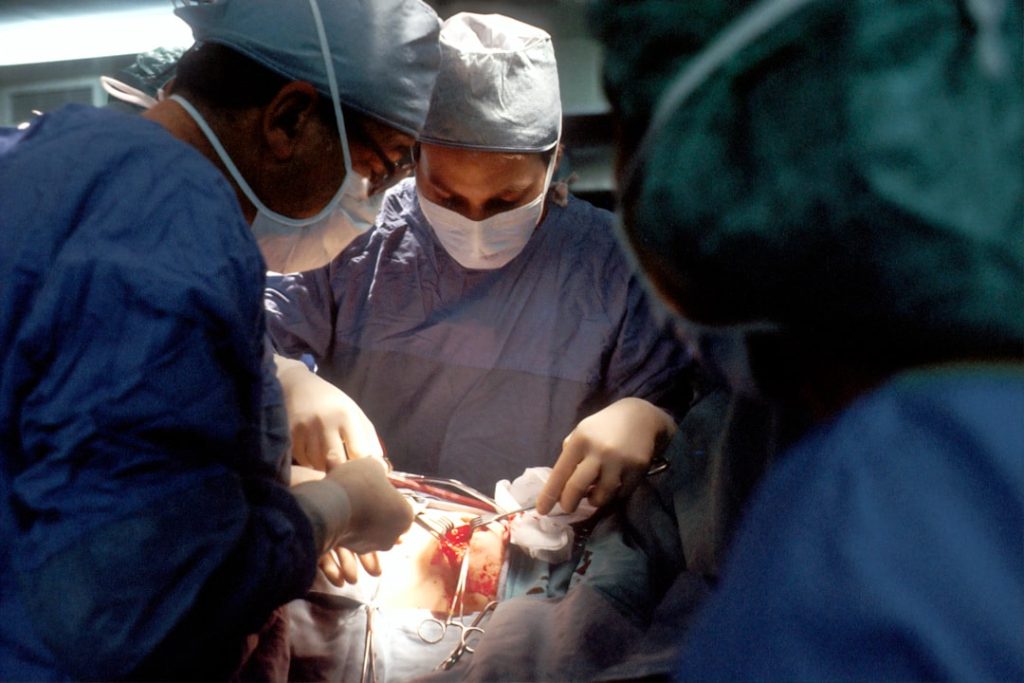
Medical evaluation and evidence-based treatment options, which may include medication or surgical removal, remain the standard approaches for managing symptomatic gallstones.
Key Takeaways
- Natural remedies for gallstone removal are largely ineffective and often misleading.
- Non-surgical treatments include medications and lifestyle changes but have limitations and specific indications.
- Gallstone dissolving drugs may work for certain types of stones but are not universally effective.
- Diet and physical activity play crucial roles in preventing gallstones and managing symptoms.
- Always consult healthcare professionals before pursuing non-surgical gallstone treatments to ensure safety and efficacy.
Understanding Non-Surgical Treatment Options for Gallstones
If you’re facing gallstones, you may be relieved to know that there are non-surgical treatment options available. One of the most common methods is the use of medications designed to dissolve gallstones. These medications, such as ursodeoxycholic acid, work by gradually breaking down cholesterol-based stones.
However, this process can take months or even years, and it’s not always effective for everyone. You should consult with your healthcare provider to determine if this option is suitable for your specific situation. In addition to medication, there are other non-surgical approaches worth considering.
For instance, extracorporeal shock wave lithotripsy (ESWL) is a procedure that uses sound waves to break up gallstones into smaller pieces that can pass more easily through the bile ducts. This method is less invasive than traditional surgery and can be an effective alternative for certain patients. As you explore your options, it’s essential to weigh the benefits and risks of each treatment and discuss them thoroughly with your doctor.
The Truth About Gallstone Dissolving Medications

You may have heard about gallstone dissolving medications and wondered if they could be a viable solution for your condition. These medications are primarily effective for cholesterol gallstones and work by reducing the cholesterol content in bile, which can help dissolve the stones over time. However, it’s important to note that not all types of gallstones respond to these treatments.
Pigment stones, for example, do not dissolve with medication, which means that your treatment options may be limited based on the type of stones you have. Moreover, while these medications can be effective for some individuals, they often come with a range of side effects, including gastrointestinal discomfort and diarrhea. You should also consider that the success rate of these medications is not guaranteed; many patients find that their gallstones do not dissolve completely or that new stones form after treatment.
Therefore, it’s crucial to have realistic expectations and maintain open communication with your healthcare provider about the potential outcomes of using these medications.
Lifestyle Changes for Gallstone Prevention and Management
If you’re looking to prevent gallstones or manage existing ones, making certain lifestyle changes can be beneficial. One of the most significant factors in gallstone formation is obesity; therefore, maintaining a healthy weight is crucial. You might consider incorporating regular physical activity into your routine and focusing on a balanced diet rich in fruits, vegetables, whole grains, and lean proteins.
These changes can help regulate your body’s cholesterol levels and promote overall digestive health. In addition to diet and exercise, staying hydrated is essential for gallbladder function. Drinking plenty of water helps keep bile thin and reduces the risk of stone formation.
You may also want to limit your intake of refined carbohydrates and saturated fats, as these can contribute to gallstone development. By adopting these lifestyle changes, you can take proactive steps toward preventing gallstones and improving your overall well-being.
Dietary Modifications for Gallstone Removal
| Myth | Fact | Common Methods Claimed | Medical Reality | Bangladesh Context |
|---|---|---|---|---|
| You can remove gallstones without surgery | Gallstones often require medical intervention; surgery is common | Herbal remedies, dietary changes, home remedies | Non-surgical treatments like medication or lithotripsy exist but are limited; surgery (cholecystectomy) is standard | Many rely on traditional remedies; awareness about surgical options is increasing |
| Herbal treatments dissolve gallstones effectively | No scientific evidence supports complete dissolution by herbs | Use of herbs like turmeric, lemon juice, and others | Herbs may alleviate symptoms but do not remove stones | Popular in rural areas; often delays proper treatment |
| Diet alone can remove gallstones | Diet helps manage symptoms but does not remove stones | Low-fat diets, increased fiber intake | Dietary changes reduce risk and symptoms but do not eliminate stones | Dietary advice is common but insufficient as sole treatment |
| Gallstones always require surgery | Not all gallstones cause symptoms or need surgery | Observation and medication for asymptomatic cases | Surgery recommended for symptomatic or complicated cases | Access to surgery improving but still limited in some regions |
Your diet plays a pivotal role in both the formation and management of gallstones. If you’re looking to remove or prevent gallstones through dietary modifications, consider focusing on foods that promote bile production and support liver function. Foods rich in fiber, such as whole grains, legumes, fruits, and vegetables, can help regulate cholesterol levels and improve digestion.
You might also want to include healthy fats from sources like avocados, nuts, and olive oil, as these can stimulate bile flow. Conversely, it’s wise to limit your intake of high-cholesterol foods and refined sugars. Foods like fried items, processed snacks, and sugary beverages can contribute to gallstone formation.
You may find it helpful to keep a food diary to track what you eat and identify any patterns that could be contributing to your symptoms. By making conscious dietary choices, you can create an environment in your body that is less conducive to gallstone development.
The Role of Physical Activity in Gallstone Prevention

Engaging in regular physical activity is another key component in preventing gallstones. If you lead a sedentary lifestyle, you may be at a higher risk for developing these painful stones. Exercise helps maintain a healthy weight and promotes better digestion by stimulating bile flow.
You don’t need to engage in intense workouts; even moderate activities like walking, swimming, or cycling can make a significant difference in your overall health. You might consider setting achievable fitness goals for yourself—perhaps aiming for at least 150 minutes of moderate aerobic activity each week. Incorporating strength training exercises into your routine can also be beneficial for maintaining muscle mass and metabolic health.
By prioritizing physical activity in your daily life, you can reduce your risk of gallstones while enhancing your overall quality of life.
Exploring Alternative Therapies for Gallstone Removal
As you search for ways to manage or remove gallstones, you may come across various alternative therapies that claim to offer relief. Some individuals turn to acupuncture or herbal supplements in hopes of dissolving their stones naturally. While some people report positive experiences with these therapies, it’s essential to approach them with caution.
The effectiveness of alternative treatments varies widely among individuals, and scientific evidence supporting their efficacy is often limited. Before trying any alternative therapy, it’s crucial to consult with your healthcare provider. They can help you assess the potential benefits and risks associated with these treatments and ensure they won’t interfere with any conventional medical approaches you may be considering.
While exploring alternative therapies can be part of a holistic approach to health, they should not replace evidence-based medical care when dealing with gallstones.
Risks and Benefits of Non-Surgical Gallstone Removal Methods
When considering non-surgical methods for gallstone removal, it’s essential to weigh both the risks and benefits involved. On one hand, non-surgical options like medication or lithotripsy can be less invasive than traditional surgery and may allow for quicker recovery times. You might appreciate the idea of avoiding major surgery altogether while still addressing your gallstone issue.
However, there are also risks associated with these non-surgical methods that you should be aware of. For instance, medications may take a long time to work and may not be effective for everyone. Additionally, procedures like lithotripsy carry their own set of risks, including potential damage to surrounding tissues or complications from anesthesia.
It’s vital to have an open discussion with your healthcare provider about your specific situation so you can make an informed decision regarding your treatment options.
The Importance of Seeking Medical Advice for Gallstone Treatment
If you suspect you have gallstones or are experiencing symptoms such as abdominal pain or nausea, seeking medical advice is crucial. While it may be tempting to self-diagnose or rely on home remedies, only a qualified healthcare professional can provide an accurate diagnosis and recommend appropriate treatment options tailored to your needs. You deserve personalized care that takes into account your medical history and current health status.
Your doctor will likely perform tests such as ultrasounds or blood tests to confirm the presence of gallstones and assess their size and location. Based on this information, they can guide you through the various treatment options available—whether surgical or non-surgical—and help you understand the potential outcomes associated with each choice. By prioritizing professional medical advice, you can ensure that you’re taking the best possible steps toward managing your condition effectively.
Common Misconceptions About Gallstone Removal Without Surgery
There are several misconceptions surrounding the idea of removing gallstones without surgery that can lead individuals astray in their treatment journey. One common myth is that all gallstones can be dissolved through natural means or alternative therapies alone. In reality, while some cholesterol stones may respond to medication or dietary changes, many individuals will require surgical intervention for complete resolution.
Another misconception is that non-surgical methods are entirely risk-free or without side effects. While they may be less invasive than surgery, non-surgical treatments still carry potential risks that should not be overlooked. It’s essential to educate yourself about these misconceptions so you can make informed decisions regarding your health care.
The Future of Non-Surgical Gallstone Treatment in Bangladesh
As medical technology continues to advance, the future of non-surgical gallstone treatment in Bangladesh looks promising. Researchers are exploring new medications and techniques that could enhance the effectiveness of non-invasive treatments while minimizing side effects. You may find hope in ongoing studies aimed at improving patient outcomes through innovative approaches.
Additionally, as awareness about gallstone management grows within the healthcare community in Bangladesh, more resources will likely become available for patients seeking non-surgical options. This shift could lead to improved access to care and better education about prevention strategies among the general population. By staying informed about emerging treatments and advocating for your health needs, you can play an active role in shaping your own future regarding gallstone management.
In the quest to understand non-surgical options for gallstone removal, it’s essential to separate fact from fiction. The article “You Remove Gallstones Without Surgery? | Busting Common Myths in Bangladesh” addresses various misconceptions surrounding this topic. For further insights into effective communication strategies that can enhance your understanding of health-related articles, you might find the piece on crafting captivating headlines particularly useful. Check it out here: Crafting Captivating Headlines.
FAQs
Can gallstones be removed without surgery?
Yes, in some cases, gallstones can be treated without surgery using non-invasive methods such as oral bile acid pills or shock wave lithotripsy. However, these treatments are not suitable for everyone and are typically reserved for specific types of gallstones.
What are the common non-surgical treatments for gallstones?
Common non-surgical treatments include oral dissolution therapy using ursodeoxycholic acid to dissolve cholesterol gallstones and extracorporeal shock wave lithotripsy (ESWL) to break gallstones into smaller pieces. These methods are less commonly used and may take months to be effective.
Are natural remedies effective in removing gallstones?
There is no scientific evidence supporting the effectiveness of natural remedies such as herbal treatments, apple cider vinegar, or lemon juice in removing gallstones. These methods are considered myths and should not replace medical advice.
When is surgery necessary for gallstones?
Surgery, typically laparoscopic cholecystectomy (gallbladder removal), is recommended when gallstones cause symptoms like pain, infection, or complications such as inflammation or blockage. Surgery is the most definitive and common treatment.
Is gallbladder removal safe?
Yes, gallbladder removal is a common and generally safe procedure with a high success rate. Most patients recover quickly and can live normally without a gallbladder.
Can gallstones be prevented?
While not all gallstones can be prevented, maintaining a healthy weight, eating a balanced diet high in fiber and low in fat, and regular physical activity can reduce the risk of developing gallstones.
Are there any risks associated with non-surgical gallstone treatments?
Non-surgical treatments may have side effects such as diarrhea or liver enzyme changes, and gallstones may recur after treatment. Additionally, these methods are not effective for all types of gallstones or in all patients.
Is it true that gallstones can dissolve on their own?
Gallstones rarely dissolve spontaneously. Most gallstones remain in the gallbladder and may cause symptoms or complications if not treated appropriately.
Where can I get reliable treatment for gallstones in Bangladesh?
Reliable treatment for gallstones is available at major hospitals and specialized medical centers in Bangladesh. It is important to consult a qualified healthcare professional for diagnosis and appropriate treatment options.
Related Articles

How to Prepare for Upper GI Surgery: A Step-by-Step Guide for Patients at Popular Medical College Hospital
How to Prepare for Upper GI Surgery: A Step-by-Step Guide for Patients at Popular Medical College Hospital Preparation for upper […]
Read More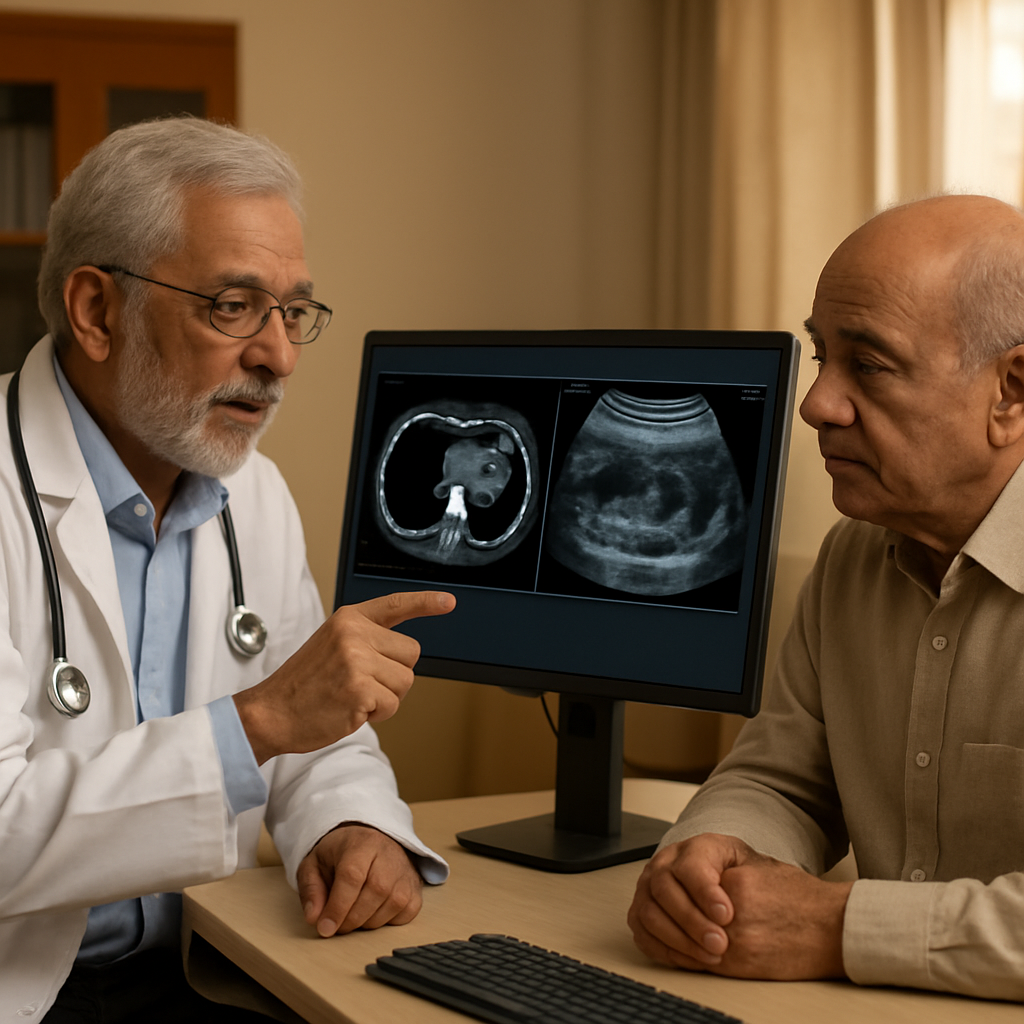
Caught in Time: A Patient’s Journey Through Pancreatic Cancer Diagnosis and Surgery in Dhaka
Caught in Time: A Patient’s Journey Through Pancreatic Cancer Diagnosis and Surgery in Dhaka In Dhaka's busy hospitals, a patient's […]
Read More
Surgical Baseline Assessment at Entry to Training
Surgical Baseline Assessment at Entry to HPB Training in Dhaka Most trainees assume the entry test exists to reject them, […]
Read More