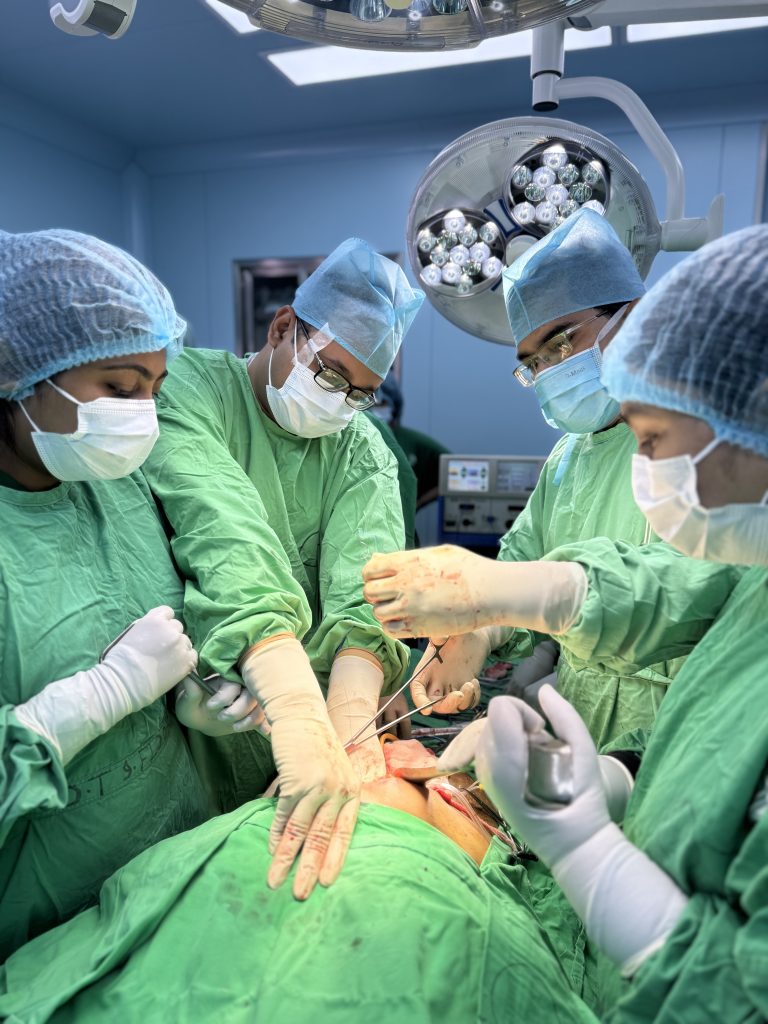
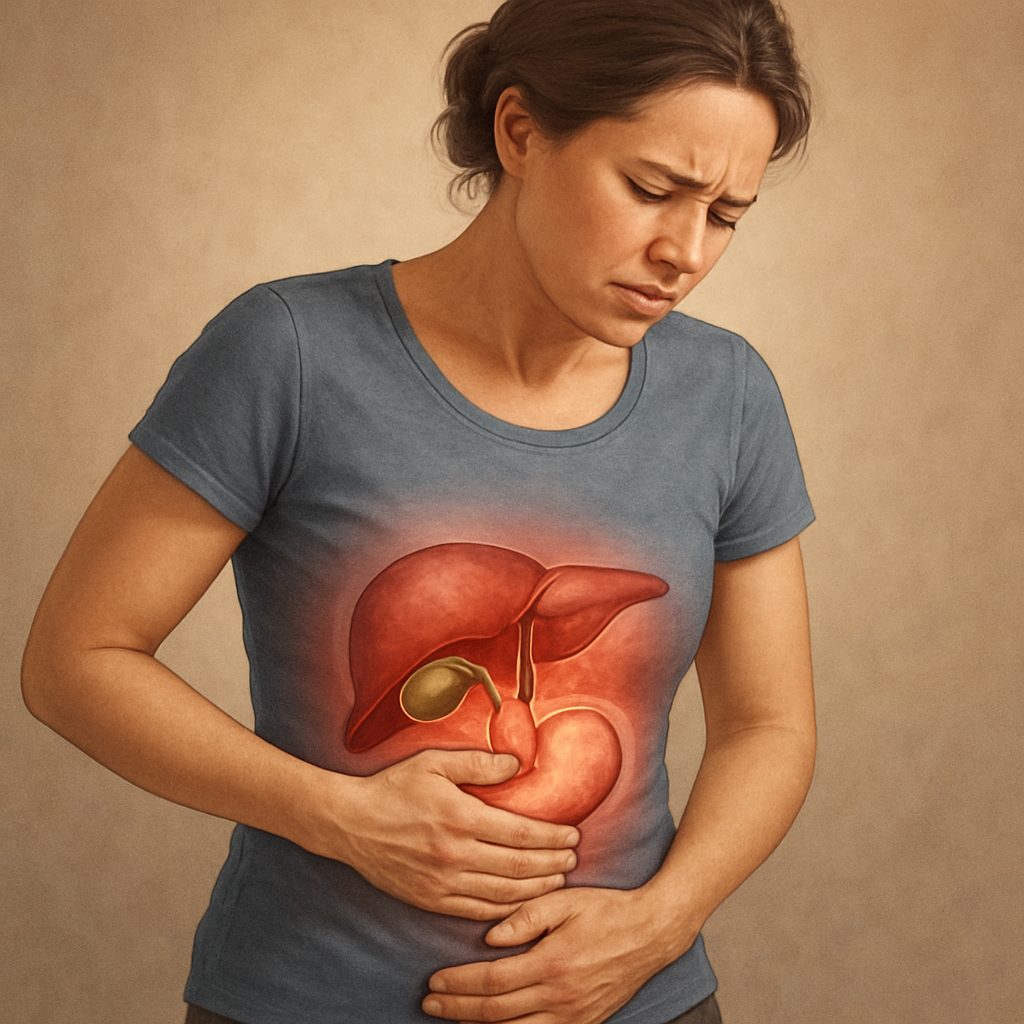
গলব্লাডার অপারেশনের পর সমস্যা সাধারণ, বিশেষ করে প্রথম কয়েক সপ্তাহে, এবং এ সময়ে আপনার শরীর ধীরে ধীরে স্বাভাবিক হতে শুরু করবে। এই পোস্টটি ঢাকার রোগীদের জন্য বাস্তব-ব্যবহারযোগ্য নির্দেশনা দেবে: কোন লক্ষণগুলো সাধারণ, কোনগুলো সতর্কতা সংকেত, এবং খাবার ও কার্যকলাপ অনুযায়ী কীভাবে পুনরুদ্ধার সহজ করবেন, সবকিছু স্পষ্টভাবে ব্যাখ্যা করা হবে। Popular Medical College Hospital-এ Dr Arefin-এর নেতৃত্বে পুনরুদ্ধারের পরিকল্পনা, পর্যাপ্ত ফলো-আপ ও ডায়েট নির্দেশনা এখানে পাওয়া যাবে, যাতে ঢাকার রোগীরা প্রয়োজন অনুযায়ী তৎপরতার সঙ্গে চিকিৎসকের সঙ্গে যোগাযোগ করতে পারেন।
Recovery Timeline After Gallbladder Removal
In the immediate post-op period after laparoscopic cholecystectomy, discharge planning centers on safety and smooth healing. Most patients go home within 24-48 hours if there are no complications and you can tolerate fluids and pain control. In Dhaka, the team at Popular Medical College Hospital coordinates early mobilization and clear wound-care instructions, with Dr Arefin reviewing what signs merit urgent follow-up. If an open procedure was required or if there are underlying conditions, hospital stays may be longer and the plan adjusted accordingly. Understanding what to expect helps you pace your recovery and protect the incisions.
Weeks 1-2 are about re-establishing basic function. Gas and bloating are common as bile flow adjusts to the absence of the gallbladder. You may feel tired and need more rest than usual. Practical steps: short daily walks, gentle chores, and avoiding heavy lifting (no more than 5-10 kg) for at least 4-6 weeks. Take prescribed analgesics on a schedule, use local ice or heat as advised, and keep incisions clean and dry. Contact the clinic if you notice fever, increasing wound redness, or vomiting that prevents taking fluids.
Weeks 3-6 bring a steadier pace toward normal activity, but the speed depends on your job and how your body responds. Desk work and light activity are typically fine, while heavy lifting or strenuous exercise may still be limited for another couple of weeks. If your work involves physical labor, plan for a 4-6 week ramp, and check in with Dr Arefin if you spot persistent pain or fatigue. Many patients notice gradual improvement in digestion as the liver adjusts bile flow, and smaller, more frequent meals help reduce discomfort during this transition.
Track your progress to catch issues early. Pay attention to bowel changes (loose stools or fat-laden stools), appetite, energy, and how well you tolerate meals. Watch wound healing and note any drainage or increased tenderness. If you notice ongoing diarrhea beyond a few weeks, or persistent fat intolerance, discuss diet tweaks with your surgeon. Hydration and regular activity support recovery, but push too hard too soon can backfire.
Concrete Example: A patient in Dhaka returned to his desk job on day 10 after a laparoscopic removal, started with small, bland meals, and walked 15 minutes daily. By week 4 he could handle light gym work and reported no new pain. This pattern aligns with typical recovery when activity is balanced with dietary adjustments. Follow-up guidance
Tradeoffs and limits: the body adapts to bile flow over weeks, so symptoms like gas and loose stools usually improve with time and dietary changes. A common misstep is assuming all digestion returns to preop speed right away; it does not. Another pitfall is delaying follow-up over minor symptoms—do not wait if you notice fever, increasing pain, jaundice, or dehydration.
Common Postoperative Problems and Their Management
After gallbladder removal, the most frequent issues are gas, bloating, and mild abdominal discomfort in the early weeks. These are common গলব্লাডার অপারেশনের পর সমস্যা and, with practical steps, they usually fade as digestion adjusts and you settle into a routine.
- Gas, bloating, and abdominal discomfort: Embrace light activity like short walks after meals, and avoid carbonated drinks or using straws that swallow air. Eat smaller, more frequent meals and consider a warm compress or gentle abdominal massage to ease gas. A simple food diary helps identify triggers, and many people improve by modestly limiting gas-producing foods for a week or two while maintaining nutrition.
- Digestive changes and fat tolerance: Start with bland, easy-to-digest foods, then slowly reintroduce fats in small portions. Include soluble fibers like oats or ripe apples to firm stools, and stay well hydrated. If diarrhea or fat intolerance persists beyond 4–6 weeks, or stools remain unusually loose, contact your surgeon for evaluation and possible dietary adjustments.
- Wound care and infection signs: Keep incisions clean and dry, with gentle cleansing as advised by the clinic. Look for increasing redness, warmth, swelling, drainage, or fever. If fever rises above 38 C or pain worsens, seek in-person assessment promptly at Popular Medical College Hospital.
- Fatigue and sleep: Recovery is a gradual process; expect periods of low energy and plan routines to pace activities. Prioritize sleep, hydration, and balanced meals, and gradually increase daily tasks as energy permits without overdoing it.
Concrete Example: A patient in Dhanmondi notices loose stools two weeks after surgery. They adopt five smaller meals, choose low-fat options, add oats for bulk, and take short daily walks. Within two weeks, stool consistency improves and energy returns to a more typical level.
Trade-off: temporarily restricting fat reduces digestive symptoms but can risk slower absorption of fat-soluble vitamins (A, D, E, K). Plan to reintroduce fats gradually under supervision and ensure a nutritionally balanced approach, possibly with fortified foods or targeted supplements if Dr Arefin advises it for you.
Red Flags: When to Call Your Surgeon
Red flags after gallbladder removal are not rare; they signal the need for prompt evaluation. In Dhaka clinics, certain changes in how you feel are not normal recovery noise but signs that something may be amiss and needs professional assessment.
- Fever or signs of wound infection: fever above 38 C, increasing redness, swelling, warmth, or pus at the incision.
- Severe or unrelenting abdominal pain: pain that worsens despite simple pain relief or that prevents you from keeping fluids down.
- Jaundice or dark urine and pale stools: new yellowing of the skin or eyes, dark urine, pale stools may reflect bile flow issues.
- Persistent vomiting or inability to keep fluids down: risk of dehydration and dehydration can stall recovery.
Use case: A patient in a Dhanmondi clinic discharged after laparoscopic removal develops a fever on day five with increasing abdominal tenderness. A quick clinic visit leads to imaging that rules out a leak and confirms a wound infection; antibiotics are started and you are given guidelines for oral intake until healing progresses.
Key principle: not every symptom warrants alarm, but the combination of fever with wound changes, persistent vomiting, or new jaundice demands timely in-person evaluation.
If you notice a red flag, contact Dr Arefin's clinic for guidance. If the symptoms are severe or you cannot reach the clinic, go to the nearest emergency department. Have your surgery notes, list of current medications, and any imaging results handy to speed evaluation.
Takeaway: Red flags require timely action. If you notice any major signs, contact the clinic today or go to the nearest hospital. Keep a simple log of symptoms, medications, and hydration status to share at your appointment with Dr Arefin.
Diet and Lifestyle After Cholecystectomy
After gallbladder removal, digestion changes and patients in Dhaka often notice gas, bloating, and varying bowel habits. The plan here is practical, locally relevant, and designed to fit busy lives while reducing fat related discomfort. Acknowledge that গলব্লাডার অপারেশনের পর সমস্যা are common in the early weeks as the body adjusts.
First week dietary approach is conservative by design. Start with clear fluids for the first 24 hours, then progress to light, low fat staples that are common in Dhaka. Think plain rice, dal with minimal oil, boiled vegetables, and lean chicken or fish prepared without heavy sauces. Avoid deep fried items, rich curries, and ghee heavy preparations that can trigger symptoms.
Fat reintroduction is a measured process. In weeks two and three, test tolerable fats in small portions. Favor cooking methods that minimize fat such as grilling, steaming, or baking. Keep fat portions small per meal, and if a particular item causes discomfort, reduce or skip it and reintroduce it later rather than forcing a fixed timetable.
Meal timing and hydration support steady digestion. Aim for four to six small meals per day rather than two large ones. Do not drink large amounts with meals; sip water between meals to stay hydrated without overwhelming digestion.
A simple food strategy helps you learn what works. Keep a short food diary to track triggers, include soluble fiber like oats or bananas when tolerated, and consider lower fat dairy or lactose free options if dairy worsens symptoms. Maintain adequate protein with lean poultry, fish, or lentils to protect muscle during recovery.
Local food guidance and practical choices matter. For example, in a Dhaka kitchen you can rotate between plain rice with dal, grilled fish with chapati, and vegetables done in a small amount of oil. This approach minimizes symptoms while preserving cultural meals and family meals, which is important for adherence.
- Foods to favor: plain rice, dal, boiled vegetables, lean fish, skinless chicken, oats, yogurt in small amounts if tolerated
- Cooking methods to prefer: grilling, steaming, boiling with little oil; limit ghee and fried items
- Meal pattern: 4-6 small meals daily; hydration between meals, not during
A real world example from a patient in Dhanmondi illustrates the approach. A patient began with plain rice and dal, then after two weeks added a small portion of boiled fish with chapati. Over the next week she reported fewer episodes of gas and steadier energy.
Important constraint: this is a transitional phase. If persistent fat related symptoms remain beyond about four to six weeks, or if you notice weight loss, weakness, or persistent diarrhea, arrange a follow up to reassess the plan.
Takeaway and next steps: the right plan is personalized. Schedule follow up with Dr Arefin to tailor fat tolerance, meal size, and activity to your daily life. If you have questions about the plan or local food choices, contact the Popular Medical College Hospital clinic in Dhaka for a targeted dietary guide.
Follow-Up Care and What to Expect at Popular Medical College Hospital
Follow-up care after gallbladder removal isn't optional; it's the mechanism that catches subtle problems and guides your gradual return to normal life. গলব্লাডার অপারেশনের পর সমস্যা commonly show up as digestion shifts or incision healing questions. At Popular Medical College Hospital in Dhaka, Dr Arefin leads a structured follow-up plan designed around local needs, scheduling, and available labs. This section outlines what to expect, how the plan unfolds, and how to keep you moving forward.
Typical follow-up schedule
Most patients have an initial postoperative check within 1-2 weeks after discharge to review wound healing and address early symptoms. A second visit around 4-6 weeks consolidates recovery, rechecks nutrition and activity tolerance, and reviews any tests ordered. Additional contacts occur if symptoms shift, but the baseline is consistent monitoring.
- Week 1-2: Wound check, pain control, and early activity guidance.
- Week 4-6: Evaluate digestive tolerance, energy levels, and readiness to return to work; adjust dietary guidance.
- Ongoing: If symptoms persist or new issues arise, expect earlier follow-up or teleconsultation with Dr Arefin.
Tests and assessments that may be part of follow-up
Imaging or liver function tests are not routine for every patient; they’re ordered when symptoms or exam findings suggest a problem. Local access in Dhaka makes these tests feasible without long delays, but they should be targeted to a specific clinical question.
- Abdominal ultrasound if persistent abdominal pain or jaundice.
- Liver function tests to assess bile flow or liver stress.
- Stool fat tests or dietary logs if fat digestion remains problematic.
During follow-up, Dr Arefin reviews symptoms, adjusts medications, and provides dietary guidance tailored to local foods and lifestyle. The clinic coordinates with imaging centers in Dhaka and labs, and offers teleconsult options to reduce travel where appropriate. If you live in Dhanmondi or nearby, you can often arrange a same-day wound check or a quick tele-visit that fits your schedule.
Next step: schedule your first postoperative follow-up before discharge and keep the clinic informed of any new symptoms or concerns. Early touchpoints can confirm healing, tailor diet, and prevent unnecessary worry.
Why Choose Dr Arefin for Gallbladder and Biliary Care in Dhaka
Dr Arefin blends academic leadership with hands-on, compassionate care for gallbladder and biliary patients in Dhaka. As a Professor of hepatobiliary surgery at Popular Medical College Hospital, he pairs rigorous preoperative assessment with a clearly defined postoperative path. For families balancing work and caregiving in Dhaka, this means reliable follow-up, concise dietary guidance, and direct access when questions arise. This section explains why a surgeon-led, locally anchored program matters for the journey after gallbladder removal, especially for residents of Dhaka seeking nearby expertise. Acknowledging the reality that many post-op issues are manageable with a solid plan, the focus is on proactive guidance and timely intervention—recognizing গলব্লাডার অপারেশনের পর সমস্যা is often preventable with good care.
- Local access and coordinated follow-up: Easy in-person wound checks, quick lab tests when needed, and a direct line to Dr Arefin in Dhaka.
- Integrated care pathway: Comprehensive preoperative assessment, nutrition planning, and early rehabilitation guidance that aligns with recovery milestones.
- Transparent safety and expectations: An evidence-based plan that prioritizes early detection of complications and clear red-flag criteria.
The practical reality is that high specialization yields better outcomes, but it can mean busier clinics and tighter scheduling. The prudent approach is to book essential follow-ups early, confirm the preferred mode of contact (in-person versus teleconsultation), and maintain a written recovery plan—especially around fat intake and portion sizes—to avoid guesswork.
Use case in practice: In Dhanmondi, a 52-year-old patient underwent laparoscopic cholecystectomy. Dr Arefin arranged a 1-week wound check and provided a tailored diet plan focused on small, low-fat meals. By week 3, the patient reported less abdominal gas and had returned to most daily activities, illustrating how a structured postoperative plan accelerates practical recovery.
Takeaway: In Dhaka, a dedicated postoperative program with Dr Arefin offers predictable follow-up and practical support; book a consultation to build your personalized recovery plan and ensure you have clear milestones for return to work and daily life.
Related Articles

How to Manage Gallstone Symptoms Through Diet While Awaiting Surgery: A Surgeon’s Practical Guide
How to Manage Gallstone Symptoms Through Diet While Awaiting Surgery: A Surgeon’s Practical Guide পিত্তথলিতে পাথর হলে কি খেতে হবে—এই […]
Read More
7 Questions Every Patient Should Ask Before Choosing a Liver or HPB Surgeon in Bangladesh
7 Questions Every Patient Should Ask Before Choosing a Liver or HPB Surgeon in Bangladesh Choosing the right liver or […]
Read More
Is Bangladesh Ready for Liver Transplant? A Surgeon’s Honest Assessment of What’s Possible Today
Is Bangladesh Ready for Liver Transplant? A Surgeon’s Honest Assessment of What’s Possible Today This article offers a surgeon's candid […]
Read More