
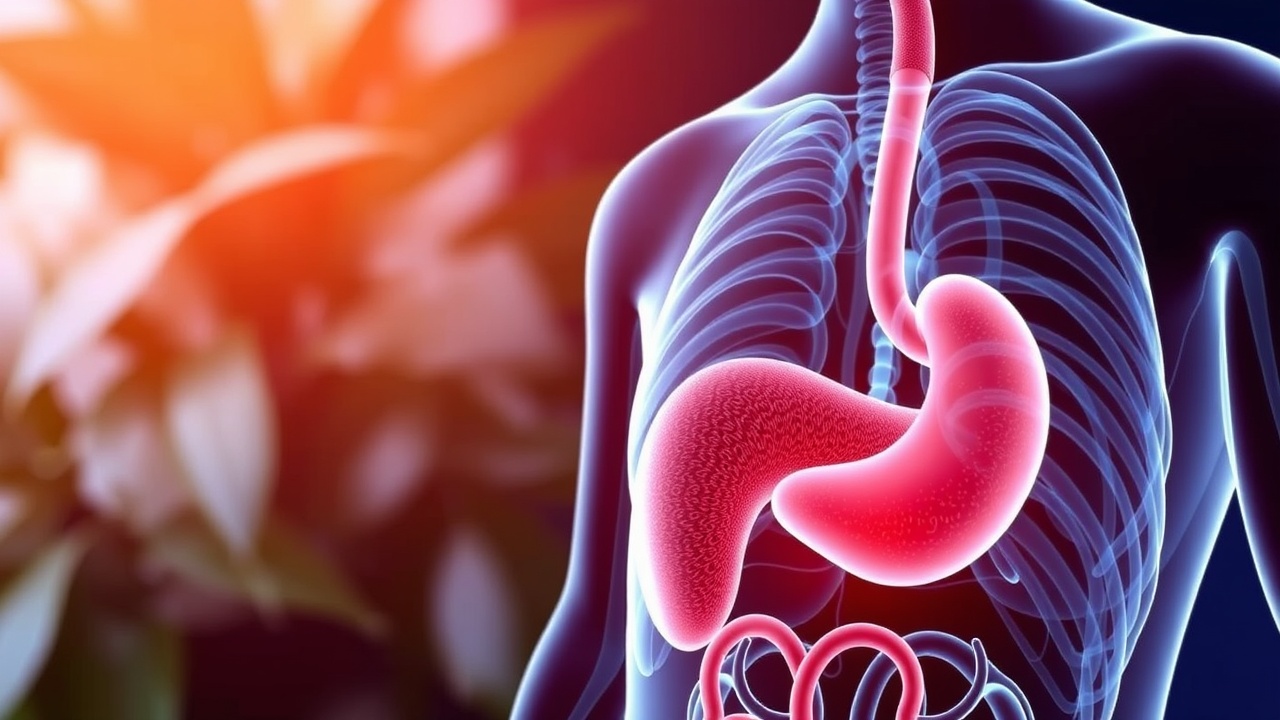
Pancreatitis is an inflammatory condition of the pancreas that can manifest in acute or chronic forms. Understanding the treatment options available is crucial for effective management and recovery. The pancreas plays a vital role in digestion and blood sugar regulation, making its health essential for overall well-being. Treatment for pancreatitis often involves a combination of lifestyle changes, medication, and sometimes surgical interventions, depending on the severity and underlying causes of the condition.
Patients diagnosed with pancreatitis must be aware that treatment is not one-size-fits-all. Factors such as the patient’s age, overall health, and the specific characteristics of their pancreatitis will influence the treatment plan. For instance, acute pancreatitis may require immediate hospitalization and intensive care, while chronic pancreatitis might necessitate long-term management strategies. Understanding these nuances can empower patients to engage actively in their treatment journey.
For those seeking comprehensive information on managing pancreatitis, the article titled “Pancreatitis Treatment Guide With What Helps First, Hospital Care Steps, and Recovery Planning” provides valuable insights. Additionally, readers may find the related article on the latest advancements in pancreatitis management and patient care beneficial. You can explore this further by visiting this link for more details and updates.
First Steps for Pancreatitis Treatment: What Helps at Home
For individuals experiencing mild cases of pancreatitis, initial treatment can often begin at home. The first step typically involves dietary modifications aimed at reducing the workload on the pancreas. A bland diet low in fat is generally recommended, as high-fat foods can exacerbate symptoms and lead to further inflammation. Foods such as rice, bananas, and toast are often suggested as they are easy to digest and less likely to trigger discomfort.
In addition to dietary changes, hydration is crucial for recovery. Drinking plenty of fluids helps maintain hydration levels and supports the body’s healing processes. Herbal teas and clear broths can be soothing options that provide hydration without overwhelming the digestive system. Patients should also consider avoiding alcohol and smoking, as these substances can significantly worsen pancreatitis symptoms and hinder recovery efforts.
When to Seek Hospital Care for Pancreatitis

While some cases of pancreatitis can be managed at home, there are specific signs that indicate the need for immediate medical attention. Severe abdominal pain that does not improve with over-the-counter pain relief or worsens over time is a critical warning sign. Additionally, symptoms such as persistent vomiting, fever, or jaundice—characterized by yellowing of the skin and eyes—should prompt a visit to a healthcare provider.
Another important consideration is the presence of dehydration or signs of shock, which may manifest as rapid heartbeat, confusion, or extreme weakness. These symptoms can indicate a more severe form of pancreatitis that requires hospitalization for proper management. Recognizing these signs early can be life-saving and can help prevent complications associated with untreated pancreatitis.
Hospital Care Steps for Pancreatitis: What to Expect

When a patient is admitted to the hospital for pancreatitis, they can expect a thorough evaluation by healthcare professionals. This typically includes blood tests to assess pancreatic enzyme levels and imaging studies such as ultrasounds or CT scans to determine the extent of inflammation or any complications like fluid collections or necrosis. Based on these assessments, a tailored treatment plan will be developed.
In the hospital setting, patients may receive intravenous (IV) fluids to ensure proper hydration and electrolyte balance. Pain management is also a priority, with medications administered to alleviate discomfort. In some cases, patients may be placed on a strict fasting regimen initially to allow the pancreas to rest before gradually reintroducing food through a controlled diet. This process is closely monitored by healthcare staff to ensure safety and effectiveness.
For those seeking comprehensive information on managing pancreatitis, the article on pancreatitis treatment offers valuable insights into initial care steps and recovery planning. Additionally, you might find it beneficial to explore a related article that discusses effective strategies for crafting captivating headlines, which can enhance your understanding of how to present health information engagingly. To read more about this topic, visit crafting captivating headlines.
Medications and Procedures for Pancreatitis Treatment
| Stage | Key Actions | Medications/Treatments | Goals | Notes |
|---|---|---|---|---|
| Initial Help | – Stop eating and drinking – Pain management – Hydration with IV fluids |
– IV fluids – Pain relievers (e.g., acetaminophen, opioids) – Antiemetics if nausea present |
– Reduce pancreatic stimulation – Control pain – Prevent dehydration |
Early intervention critical to prevent complications Avoid oral intake to rest pancreas |
| Hospital Care Steps | – Monitor vital signs and labs – Imaging (CT scan or ultrasound) – Nutritional support if prolonged fasting – Treat underlying cause (e.g., gallstones) |
– IV fluids – Antibiotics if infection suspected – Enzyme supplements if needed – Possible ERCP for gallstone removal |
– Stabilize patient – Manage complications – Identify and treat cause |
Close monitoring for organ failure or necrosis Nutritional support via enteral feeding preferred over parenteral |
| Recovery Planning | – Gradual reintroduction of oral diet – Lifestyle modifications (e.g., alcohol cessation) – Follow-up imaging and labs – Pain management and enzyme therapy if chronic |
– Pancreatic enzyme replacement – Vitamin supplements – Analgesics as needed |
– Restore pancreatic function – Prevent recurrence – Improve quality of life |
Patient education important Monitor for signs of chronic pancreatitis or diabetes |
Medications play a significant role in managing pancreatitis symptoms and addressing underlying causes. Pain relief is often achieved through analgesics, which may range from over-the-counter options to stronger prescription medications depending on the severity of the pain. Additionally, if gallstones are identified as a contributing factor, medications may be prescribed to help dissolve them or surgical options may be considered.
In more severe cases of pancreatitis, procedures such as endoscopic retrograde cholangiopancreatography (ERCP) may be necessary. This minimally invasive procedure allows doctors to remove blockages in the bile duct or pancreas, alleviating pressure and inflammation. In some instances, surgery may be required to remove damaged tissue or drain fluid collections that have formed as a result of the inflammation.
For those seeking comprehensive information on managing pancreatitis, a valuable resource can be found in the article that discusses effective strategies for treatment and recovery planning. This guide not only outlines the initial steps to take when faced with pancreatitis but also emphasizes the importance of hospital care. To enhance your understanding of how to effectively navigate this condition, you can read more about engaging content creation that draws readers in by visiting this article.
Nutritional Support for Pancreatitis Recovery
For reliable health advice, Get best medical expert consultation today.
Nutritional support is a cornerstone of recovery from pancreatitis. Once patients are stable and able to tolerate food again, a carefully planned diet becomes essential for healing. Initially, a low-fat diet is recommended to minimize pancreatic stimulation. Gradually, patients can reintroduce foods while monitoring their body’s response to different types of nutrients.
In addition to focusing on low-fat options, incorporating small, frequent meals can help manage symptoms more effectively than larger meals that may overwhelm the digestive system. Nutritional counseling may also be beneficial for patients to ensure they are meeting their dietary needs while avoiding foods that could trigger flare-ups. Supplements may be necessary in some cases, particularly if patients have difficulty absorbing nutrients due to pancreatic insufficiency.
Managing Pain and Discomfort During Pancreatitis Treatment
Pain management is a critical aspect of treating pancreatitis, as abdominal pain can significantly impact a patient’s quality of life. Healthcare providers often employ a multi-faceted approach to pain relief that may include medications, physical therapy, and relaxation techniques. Opioids may be prescribed for severe pain; however, their use is carefully monitored due to potential side effects and dependency risks.
In addition to pharmacological interventions, non-pharmacological methods such as heat therapy or gentle abdominal massage can provide comfort and alleviate discomfort. Patients are encouraged to communicate openly with their healthcare team about their pain levels so that adjustments can be made to their treatment plan as needed. This collaborative approach ensures that pain management remains effective throughout the recovery process.
Lifestyle Changes for Pancreatitis Recovery Planning
Long-term recovery from pancreatitis often necessitates significant lifestyle changes aimed at preventing future episodes and promoting overall health. One of the most critical changes involves dietary habits; patients are encouraged to adopt a balanced diet rich in fruits, vegetables, whole grains, and lean proteins while avoiding high-fat foods and excessive sugar intake.
In addition to dietary modifications, regular physical activity plays an essential role in maintaining a healthy weight and improving overall well-being. Engaging in moderate exercise can help reduce stress levels and enhance digestive health. Furthermore, avoiding alcohol consumption is paramount for individuals with a history of pancreatitis, as it can trigger inflammation and lead to further complications.
Follow-Up Care and Monitoring After Pancreatitis Treatment
After initial treatment for pancreatitis, follow-up care is vital for monitoring recovery progress and preventing recurrence. Patients should schedule regular appointments with their healthcare provider to assess pancreatic function through blood tests and imaging studies if necessary. These check-ups allow for early detection of any potential complications or changes in health status.
Additionally, ongoing education about managing pancreatitis is essential for patients and their families. Understanding how lifestyle choices impact pancreatic health empowers individuals to make informed decisions about their diet and activities moving forward. Support groups or counseling services may also provide valuable resources for emotional support during recovery.
Complications and Long-Term Management of Pancreatitis
Complications from pancreatitis can arise if the condition is not managed effectively or if it progresses over time. Chronic pancreatitis can lead to permanent damage to the pancreas, resulting in issues such as diabetes or malabsorption syndromes where the body struggles to absorb nutrients properly. Regular monitoring is crucial for identifying these complications early on.
Long-term management strategies often involve ongoing dietary adjustments, medication adherence, and lifestyle modifications tailored to each patient’s needs. Patients may also require additional support from specialists such as endocrinologists or nutritionists to address specific complications related to pancreatic function.
Support and Resources for Pancreatitis Patients and Caregivers
Navigating the complexities of pancreatitis treatment can be overwhelming for both patients and caregivers alike. Fortunately, numerous resources are available to provide support throughout this journey. Organizations dedicated to pancreatic health offer educational materials, support groups, and forums where individuals can connect with others facing similar challenges.
Caregivers play an essential role in supporting patients through their recovery process; therefore, they too should seek out resources that address their needs and concerns. Educational workshops or counseling services can help caregivers understand how best to assist their loved ones while also taking care of their own well-being. By fostering a strong support network, both patients and caregivers can enhance their resilience during this challenging time.
FAQs
What are the initial steps to take when treating pancreatitis?
The first steps in treating pancreatitis typically include fasting to rest the pancreas, managing pain with medications, and intravenous fluids to prevent dehydration. Avoiding alcohol and fatty foods is also crucial during the initial phase.
When is hospital care necessary for pancreatitis?
Hospital care is necessary if pancreatitis symptoms are severe, such as intense abdominal pain, vomiting, fever, or signs of infection. Hospitalization allows for close monitoring, intravenous fluids, pain management, and treatment of any complications.
What treatments are commonly used during hospital care for pancreatitis?
In the hospital, treatment may include IV fluids, pain control with stronger medications, nutritional support (sometimes through a feeding tube), and addressing underlying causes like gallstones or infections. In severe cases, surgery or endoscopic procedures may be required.
How long does recovery from pancreatitis usually take?
Recovery time varies depending on the severity of pancreatitis. Mild cases may improve within a week or two with proper care, while severe cases can take several weeks to months. Ongoing lifestyle changes and medical follow-up are important for full recovery.
What lifestyle changes help prevent pancreatitis recurrence?
Preventing recurrence involves avoiding alcohol, maintaining a low-fat diet, staying hydrated, managing underlying conditions like gallstones or high triglycerides, and following medical advice for any prescribed treatments or medications.
Related Articles

Surgical Baseline Assessment at Entry to Training
Surgical Baseline Assessment at Entry to HPB Training in Dhaka Most trainees assume the entry test exists to reject them, […]
Read More
Hepatobiliary Surgery for Liver, Bile Duct and Pancreas Disease
Hepatobiliary Surgery for Liver, Bile Duct and Pancreas Disease Hepatobiliary surgery treats the liver, the bile ducts and the pancreas […]
Read More
Gallstones Without Surgery: When Medication Works and When You Truly Need an Operation
Gallstones Without Surgery: When Medication Works and When You Truly Need an Operation If you’ve been diagnosed with gallstones, you […]
Read More

