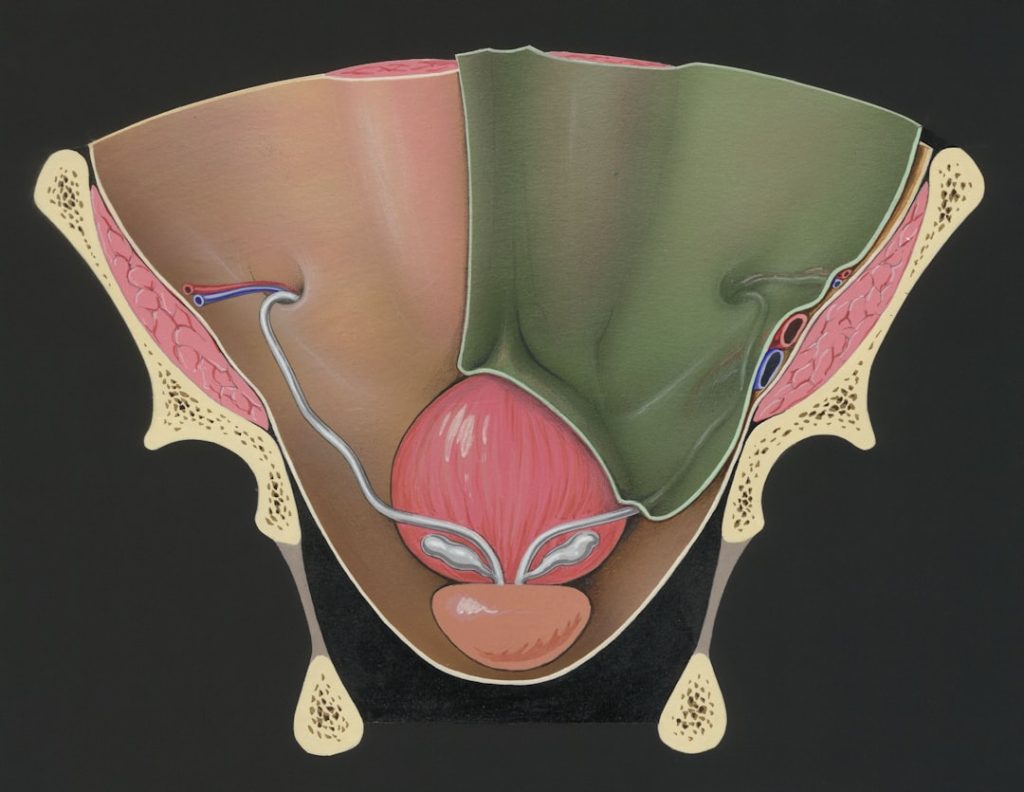
Bile duct stones, also known as choledocholithiasis, are solid formations that develop within the bile ducts, which are the channels that transport bile from the liver to the gallbladder and small intestine. These stones can vary in size, ranging from tiny grains to larger masses, and they are primarily composed of cholesterol, bilirubin, and calcium salts. The formation of these stones is often linked to an imbalance in the substances that make up bile. When there is an excess of cholesterol or bilirubin, or when the gallbladder does not empty effectively, stones can form and obstruct the bile ducts.
The process of stone formation can be influenced by several factors, including diet, genetics, and underlying health conditions. For instance, individuals with liver diseases or those who have undergone certain surgical procedures may be at a higher risk for developing bile duct stones. Additionally, conditions such as hemolytic anemia, which leads to increased bilirubin production, can also contribute to stone formation. Understanding the etiology of bile duct stones is crucial for both prevention and treatment, as it allows healthcare providers to identify at-risk individuals and implement appropriate management strategies.
If you’re looking for more information on managing bile duct stones, you might find the article on effective strategies for engaging readers particularly insightful. It discusses various techniques that can enhance your understanding of complex medical topics, making them more accessible. You can read it here: The Art of Drawing Readers In. This resource complements the discussion on bile duct stone treatment by providing tips on how to communicate important health information effectively.
Common Symptoms of Bile Duct Stones: Recognizing the Signs
Recognizing the symptoms of bile duct stones is essential for timely intervention. Patients may experience a range of signs that can vary in intensity and duration. One of the most common symptoms is jaundice, characterized by a yellowing of the skin and eyes due to elevated bilirubin levels in the bloodstream. This occurs when a stone obstructs the bile duct, preventing bile from reaching the intestines and causing a buildup of bilirubin.
In addition to jaundice, individuals may also experience abdominal pain, particularly in the upper right quadrant. This pain can be sharp or cramp-like and may radiate to the back or shoulder. Other symptoms may include dark urine, pale stools, and itching. Some patients may also report nausea or vomiting, especially if the obstruction leads to inflammation of the bile ducts or gallbladder. Recognizing these symptoms early can facilitate prompt medical evaluation and treatment.
Diagnostic Tests for Bile Duct Stones: Identifying the Problem
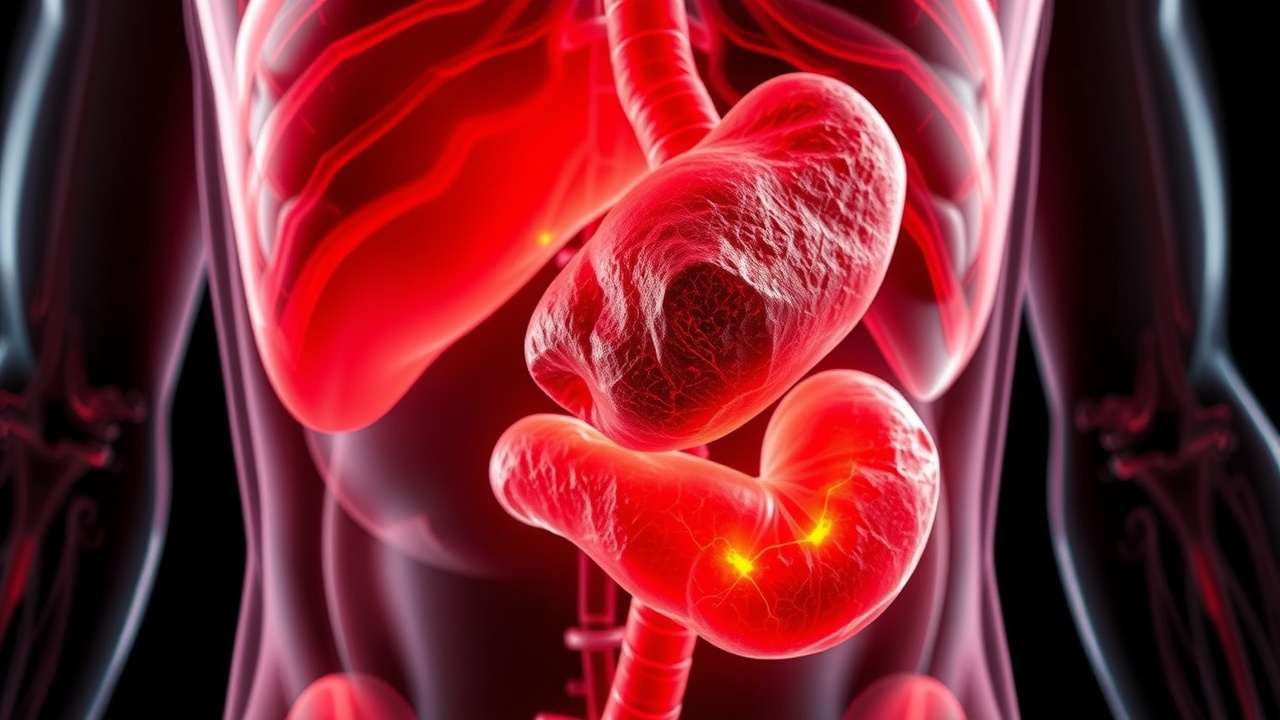
To accurately diagnose bile duct stones, healthcare providers employ a variety of diagnostic tests. One of the most common initial tests is an abdominal ultrasound, which uses sound waves to create images of the internal organs. This non-invasive procedure can help identify the presence of stones in the bile ducts and assess any associated complications such as inflammation or infection.
If ultrasound results are inconclusive or if further evaluation is needed, additional imaging techniques may be utilized. Magnetic resonance cholangiopancreatography (MRCP) is a specialized MRI technique that provides detailed images of the bile ducts without the need for invasive procedures. Alternatively, computed tomography (CT) scans can also be employed to visualize the biliary system. In some cases, endoscopic retrograde cholangiopancreatography (ERCP) may be performed not only for diagnostic purposes but also for therapeutic intervention if stones are detected.
Complications of Bile Duct Stones: When to Seek Medical Attention
Bile duct stones can lead to several serious complications if left untreated. One of the most concerning outcomes is acute cholangitis, an infection of the bile duct that can occur when a stone obstructs the flow of bile. Symptoms of cholangitis include fever, chills, abdominal pain, and jaundice. This condition requires immediate medical attention as it can progress rapidly and lead to sepsis if not addressed promptly.
Another potential complication is pancreatitis, which occurs when a stone blocks the pancreatic duct, leading to inflammation of the pancreas. Patients may experience severe abdominal pain that can radiate to the back, along with nausea and vomiting. If any of these complications arise, it is crucial for individuals to seek medical care without delay. Early intervention can significantly improve outcomes and reduce the risk of long-term health issues.
If you’re looking for comprehensive information on bile duct stone treatment, including symptoms, tests, and safe removal options, you may find it helpful to explore related topics that delve deeper into digestive health. For instance, an insightful article on crafting captivating headlines can enhance your understanding of how to effectively communicate complex medical information. You can read more about this in the article here.
Non-Surgical Treatment Options for Bile Duct Stones: Managing Symptoms
| Aspect | Details | Notes |
|---|---|---|
| Common Symptoms | Abdominal pain, jaundice, fever, nausea, vomiting | Symptoms vary based on stone size and blockage severity |
| Diagnostic Tests | Ultrasound, MRCP (Magnetic Resonance Cholangiopancreatography), ERCP (Endoscopic Retrograde Cholangiopancreatography), Blood tests | ERCP can be both diagnostic and therapeutic |
| Safe Removal Options | ERCP with stone extraction, laparoscopic bile duct exploration, open surgery (rare) | ERCP preferred due to minimally invasive nature |
| Post-Treatment Care | Antibiotics if infection present, pain management, monitoring liver function | Follow-up imaging may be required to ensure stone clearance |
| Complications if Untreated | Cholangitis, pancreatitis, bile duct damage, sepsis | Early diagnosis and treatment reduce risk |
For patients with bile duct stones who are not experiencing severe symptoms or complications, non-surgical treatment options may be considered. Medications such as ursodeoxycholic acid can help dissolve cholesterol-based stones over time; however, this approach is typically more effective for smaller stones and may take several months to achieve results. Patients should be aware that this treatment does not guarantee complete resolution and may not be suitable for everyone.
In addition to medication, lifestyle modifications can play a significant role in managing symptoms associated with bile duct stones. Dietary changes that focus on reducing fat intake and increasing fiber consumption can help alleviate discomfort and promote overall digestive health. Staying well-hydrated is also important, as adequate fluid intake can support bile production and flow. While these non-surgical options may not eliminate stones entirely, they can help manage symptoms and improve quality of life for affected individuals.
For those seeking comprehensive information on bile duct stone treatment, it’s beneficial to explore related topics that delve deeper into the condition. One such article discusses the various symptoms associated with bile duct stones, the tests used for diagnosis, and the safest removal options available. You can read more about it in this informative piece on bile duct health. Understanding these aspects can significantly aid in managing the condition effectively.
Endoscopic Retrograde Cholangiopancreatography (ERCP): A Minimally Invasive Procedure for Bile Duct Stone Removal
For reliable health advice, Get best medical expert consultation today.
Endoscopic retrograde cholangiopancreatography (ERCP) is a minimally invasive procedure that serves both diagnostic and therapeutic purposes in managing bile duct stones. During ERCP, a flexible endoscope is inserted through the mouth and into the duodenum, where contrast dye is injected into the bile ducts to visualize any obstructions on X-ray imaging. If stones are identified during this process, specialized tools can be used to remove them.
The advantages of ERCP include its minimally invasive nature and relatively quick recovery time compared to traditional surgical methods. Most patients can return home on the same day as the procedure and resume normal activities within a few days. However, it is important for patients to understand that while ERCP is effective for many individuals, it may not be suitable for all cases, particularly if there are anatomical challenges or if multiple stones are present.
Percutaneous Transhepatic Cholangiography (PTC): Another Option for Bile Duct Stone Removal
Percutaneous transhepatic cholangiography (PTC) is another technique used for diagnosing and treating bile duct stones when ERCP is not feasible or has failed. This procedure involves inserting a thin needle through the skin into the liver to access the bile ducts directly. A contrast dye is then injected to visualize any obstructions on imaging studies.
If stones are detected during PTC, they can often be removed using specialized tools or by placing a stent to facilitate bile drainage. PTC is particularly useful in cases where patients have had previous surgeries or anatomical variations that complicate access through traditional methods. While PTC can be highly effective in managing bile duct stones, it does carry some risks, including bleeding or infection at the insertion site.
Surgical Options for Bile Duct Stones: When Other Treatments Are Ineffective
In instances where non-surgical treatments and minimally invasive procedures fail to resolve bile duct stones or if complications arise, surgical intervention may be necessary. The most common surgical approach is laparoscopic cholecystectomy, which involves removing the gallbladder along with any stones present in the bile ducts. This procedure is typically performed under general anesthesia and involves small incisions in the abdomen.
Surgery may also be indicated in cases where patients have recurrent episodes of stone formation or significant complications such as pancreatitis or cholangitis. While surgical options are generally effective in providing long-term relief from symptoms and preventing future stone formation, they do come with inherent risks associated with any surgical procedure. Patients should engage in thorough discussions with their healthcare providers regarding potential benefits and risks before proceeding with surgery.
Lifestyle Changes to Prevent Bile Duct Stones: Tips for Long-Term Management
Preventing bile duct stones involves adopting lifestyle changes that promote overall digestive health and reduce risk factors associated with stone formation. A balanced diet rich in fruits, vegetables, whole grains, and healthy fats can help maintain optimal bile composition and prevent cholesterol buildup. Reducing intake of saturated fats and refined sugars is also advisable.
Regular physical activity plays a crucial role in maintaining a healthy weight and promoting proper digestion. Obesity is a significant risk factor for gallstone formation; therefore, engaging in regular exercise can help mitigate this risk. Additionally, staying well-hydrated by drinking plenty of water throughout the day supports healthy bile production and flow. By making these lifestyle adjustments, individuals can significantly reduce their chances of developing bile duct stones in the future.
Potential Risks and Complications of Bile Duct Stone Treatment: Understanding the Procedure
While treatments for bile duct stones are generally safe and effective, they do carry potential risks and complications that patients should be aware of before undergoing any procedure. For instance, ERCP may lead to pancreatitis in some cases due to irritation or injury to the pancreas during stone removal attempts. Other possible complications include bleeding, infection, or perforation of surrounding organs.
Similarly, surgical interventions come with their own set of risks such as anesthesia-related complications, infection at incision sites, or damage to nearby structures during surgery. It is essential for patients to have open discussions with their healthcare providers about these risks and weigh them against the potential benefits of treatment options available.
Recovery and Aftercare Following Bile Duct Stone Treatment: What to Expect
Recovery following treatment for bile duct stones varies depending on the method employed—whether it be ERCP, PTC, or surgical intervention. In general, patients who undergo minimally invasive procedures like ERCP often experience quicker recovery times compared to those who have had surgery. After ERCP, individuals may experience mild discomfort or bloating but can typically resume normal activities within a few days.
For those who undergo surgical procedures such as laparoscopic cholecystectomy, recovery may take longer due to incisions made during surgery. Patients are usually advised to avoid strenuous activities for several weeks while their bodies heal. Follow-up appointments are essential to monitor recovery progress and address any concerns that may arise post-treatment. By adhering to aftercare instructions provided by healthcare professionals, patients can optimize their recovery experience and reduce the likelihood of complications occurring after treatment for bile duct stones.
FAQs
What are the common symptoms of bile duct stones?
Common symptoms of bile duct stones include abdominal pain (especially in the upper right quadrant), jaundice (yellowing of the skin and eyes), fever, nausea, vomiting, and dark urine. Some patients may also experience itching or clay-colored stools.
How are bile duct stones diagnosed?
Bile duct stones are typically diagnosed using imaging tests such as ultrasound, magnetic resonance cholangiopancreatography (MRCP), or endoscopic ultrasound (EUS). Blood tests may also be performed to check for signs of infection or liver function abnormalities.
What are the treatment options for bile duct stones?
Treatment options include endoscopic retrograde cholangiopancreatography (ERCP) to remove stones, surgery to remove the gallbladder or stones, and in some cases, medication to dissolve the stones. The choice of treatment depends on the size, number, and location of the stones, as well as the patient’s overall health.
Is bile duct stone removal safe?
Yes, bile duct stone removal procedures like ERCP are generally safe when performed by experienced specialists. However, as with any medical procedure, there are risks such as infection, bleeding, or pancreatitis, which are minimized with proper care and monitoring.
Can bile duct stones recur after treatment?
Yes, bile duct stones can recur after treatment, especially if the underlying causes such as gallbladder disease or bile duct abnormalities are not addressed. Regular follow-up and lifestyle modifications may help reduce the risk of recurrence.
Related Articles

How to Manage Gallstone Symptoms Through Diet While Awaiting Surgery: A Surgeon’s Practical Guide
How to Manage Gallstone Symptoms Through Diet While Awaiting Surgery: A Surgeon’s Practical Guide পিত্তথলিতে পাথর হলে কি খেতে হবে—এই […]
Read More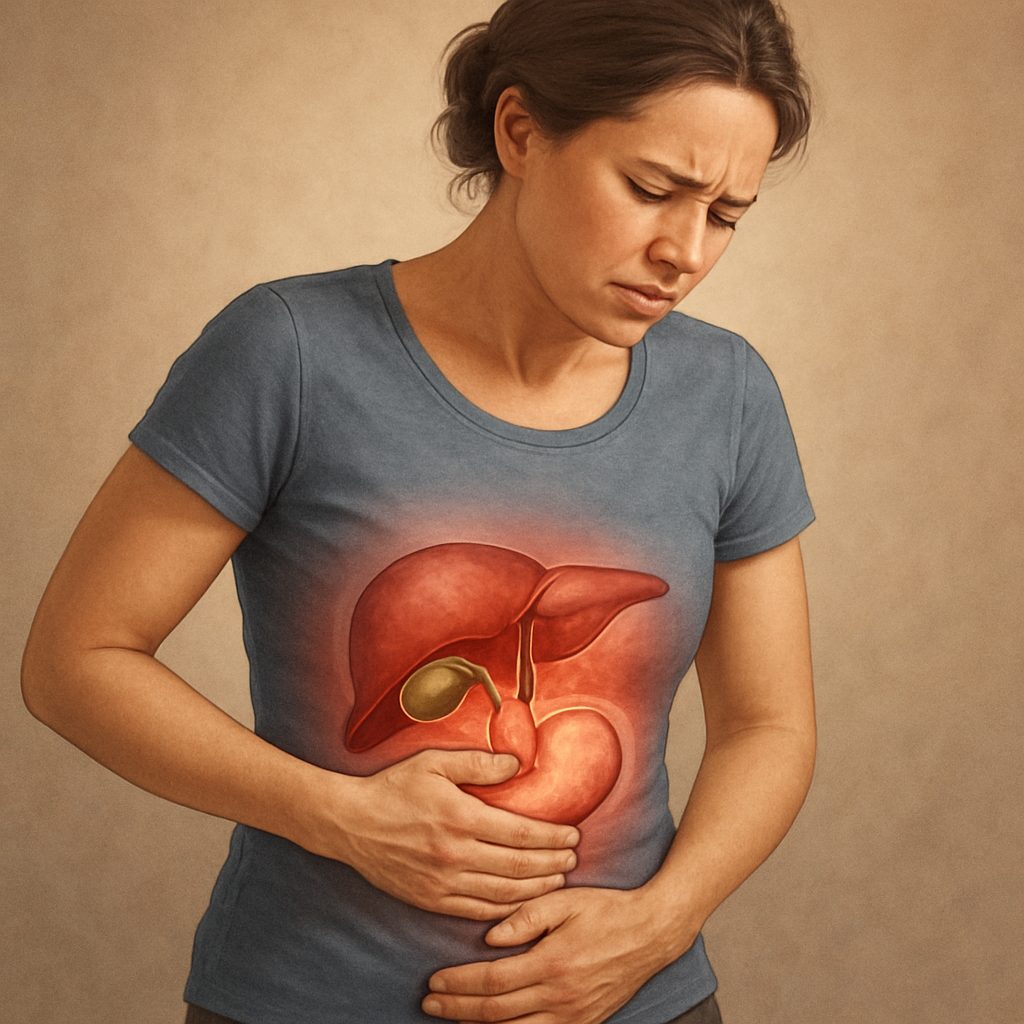
Life After Gallbladder Removal: Common Problems, What’s Normal, and When to Call Your Surgeon
Life After Gallbladder Removal: Common Problems, What’s Normal, and When to Call Your Surgeon গলব্লাডার অপারেশনের পর সমস্যা সাধারণ, বিশেষ […]
Read More
7 Questions Every Patient Should Ask Before Choosing a Liver or HPB Surgeon in Bangladesh
7 Questions Every Patient Should Ask Before Choosing a Liver or HPB Surgeon in Bangladesh Choosing the right liver or […]
Read More