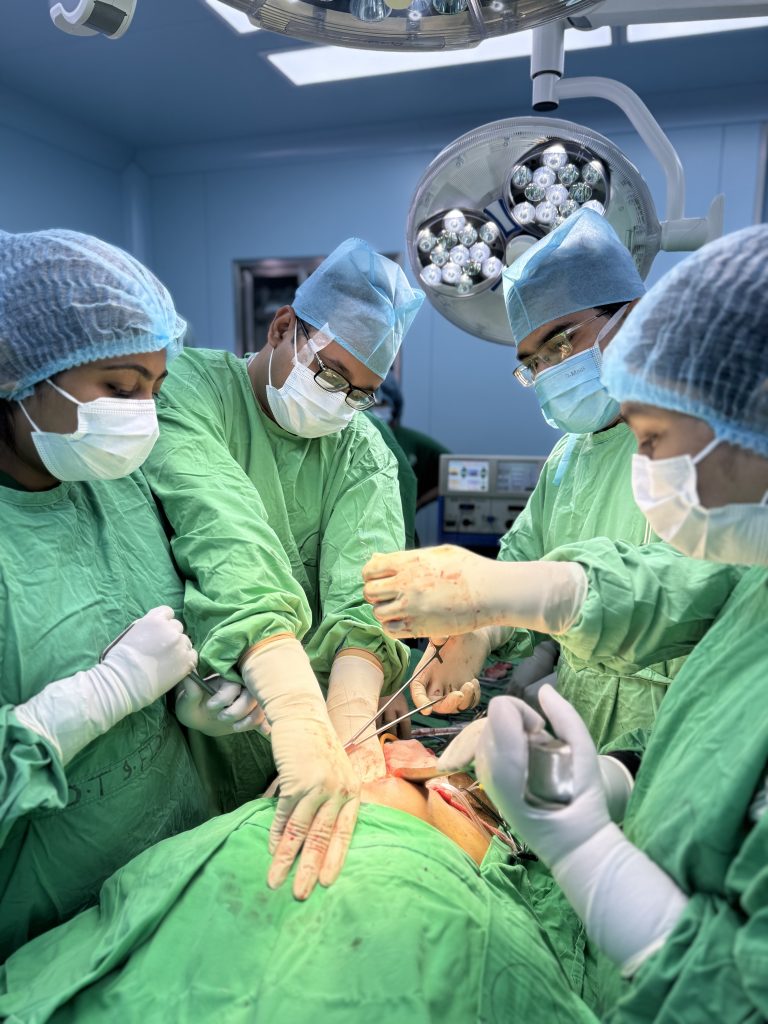

Bile duct stones, also known as choledocholithiasis, are solid formations that develop in the bile ducts, which are responsible for transporting bile from the liver to the gallbladder and small intestine. These stones can vary in size and composition, often made up of cholesterol, bilirubin, or a combination of both. As we delve into the intricacies of bile duct stones, we recognize that their formation is typically linked to the presence of gallstones in the gallbladder. When these gallstones migrate into the bile duct, they can obstruct the flow of bile, leading to a range of complications.
Understanding the underlying causes of bile duct stones is crucial for prevention and treatment. Factors such as obesity, certain medical conditions, and dietary habits can contribute to their formation. Additionally, we must consider that individuals with a history of gallstones are at a higher risk of developing bile duct stones. By comprehensively understanding these factors, we can better equip ourselves to address this health issue effectively.
For those seeking comprehensive information on bile duct stone treatment in Bangladesh, Dr. Arefin’s specialist guide offers valuable insights and expert advice. In addition to this guide, readers may find it beneficial to explore a related article that discusses effective strategies for crafting captivating headlines, which can enhance the visibility and engagement of health-related content. You can read more about this topic in the article available at Crafting Captivating Headlines.
Symptoms and Diagnosis of Bile Duct Stones
The symptoms of bile duct stones can vary significantly from person to person, often depending on the size of the stones and the degree of obstruction they cause. Common symptoms include severe abdominal pain, particularly in the upper right quadrant, jaundice (yellowing of the skin and eyes), dark urine, and pale stools. As we navigate through these symptoms, it becomes evident that they can mimic other gastrointestinal disorders, making accurate diagnosis essential.
To diagnose bile duct stones, healthcare professionals typically employ a combination of medical history assessments, physical examinations, and imaging techniques. Ultrasound is often the first-line imaging modality used to visualize the presence of stones in the bile duct. In some cases, more advanced imaging techniques such as magnetic resonance cholangiopancreatography (MRCP) or computed tomography (CT) scans may be utilized for a clearer view. By understanding these diagnostic processes, we can appreciate the importance of timely medical intervention.
Importance of Seeking Treatment for Bile Duct Stones
Seeking treatment for bile duct stones is paramount to prevent potential complications that can arise from untreated conditions. If left unaddressed, these stones can lead to serious health issues such as cholangitis (infection of the bile duct), pancreatitis (inflammation of the pancreas), or even liver damage. The urgency of treatment cannot be overstated; timely intervention can significantly reduce the risk of these complications and improve overall health outcomes.
Moreover, addressing bile duct stones promptly can alleviate discomfort and improve quality of life. The pain associated with these stones can be debilitating, affecting daily activities and overall well-being. By seeking treatment, we not only mitigate physical suffering but also enhance our ability to engage in life fully. Understanding the importance of timely medical attention empowers us to take charge of our health.
Treatment Options for Bile Duct Stones in Bangladesh
In Bangladesh, various treatment options are available for managing bile duct stones, reflecting advancements in medical technology and expertise. The choice of treatment often depends on factors such as the size and location of the stones, as well as the patient’s overall health condition. Endoscopic procedures have gained popularity due to their minimally invasive nature and effectiveness in removing stones from the bile duct.
In addition to endoscopic techniques, surgical options are also available for patients with more complex cases or those who do not respond to non-surgical interventions. The healthcare system in Bangladesh has made significant strides in providing comprehensive care for patients with bile duct stones, ensuring that individuals have access to appropriate treatment modalities tailored to their specific needs.
Dr. Arefin has emerged as a prominent figure in the field of bile duct stone treatment in Bangladesh. With extensive experience and a commitment to patient care, he has played a pivotal role in advancing treatment options for this condition. His expertise in endoscopic procedures has garnered recognition among peers and patients alike, making him a trusted choice for those seeking relief from bile duct stones.
Under Dr. Arefin’s guidance, many patients have benefited from personalized treatment plans that prioritize their unique circumstances. His approach emphasizes thorough assessments and open communication with patients, ensuring they are well-informed about their options and involved in decision-making processes. By fostering a supportive environment, Dr. Arefin has contributed significantly to improving patient outcomes in bile duct stone management.
For those seeking comprehensive information on bile duct stone treatment in Bangladesh, Dr. Arefin’s specialist guide is an invaluable resource. In addition to this guide, readers may find it beneficial to explore a related article that discusses the latest advancements in minimally invasive techniques for treating bile duct stones. This article can provide further insights and enhance understanding of the treatment options available. To read more, visit this link.
Endoscopic Retrograde Cholangiopancreatography (ERCP) for Bile Duct Stones
| Metric | Details |
|---|---|
| Condition | Bile Duct Stone (Choledocholithiasis) |
| Specialist | Dr. Arefin, Hepatobiliary Surgeon |
| Common Treatment Methods | ERCP (Endoscopic Retrograde Cholangiopancreatography), Laparoscopic Cholecystectomy, Open Surgery |
| Success Rate of ERCP | Approximately 85-95% |
| Average Hospital Stay | 2-5 days depending on treatment method |
| Recovery Time | 1-3 weeks for minimally invasive procedures |
| Complication Rate | 5-10% (includes pancreatitis, infection) |
| Availability in Bangladesh | Major hospitals in Dhaka and other cities |
| Consultation Fee Range | Varies by hospital and specialist |
| Follow-up Recommendations | Regular liver function tests and imaging every 6 months |
Endoscopic Retrograde Cholangiopancreatography (ERCP) is a specialized procedure that has revolutionized the treatment of bile duct stones. This minimally invasive technique allows healthcare professionals to visualize the bile ducts and remove stones using an endoscope—a flexible tube equipped with a camera and tools. As we explore ERCP’s significance, we recognize its ability to provide immediate relief for patients suffering from obstructive symptoms caused by bile duct stones.
The procedure involves inserting the endoscope through the mouth and into the duodenum, where contrast dye is injected into the bile ducts for imaging purposes. If stones are detected during this process, they can be removed using specialized tools such as balloon sweep or basket retrieval techniques. The success rate of ERCP is notably high, making it a preferred option for many patients facing this condition. Understanding ERCP’s role empowers us to appreciate its impact on enhancing patient care in Bangladesh.
For those seeking comprehensive information on bile duct stone treatment in Bangladesh, Dr. Arefin’s specialist guide offers valuable insights and expert advice. Additionally, readers may find it beneficial to explore related topics that delve into the nuances of digestive health and treatment options. One such article discusses the importance of understanding the underlying causes of bile duct stones and can be found here: the art of drawing readers in. This resource complements Dr. Arefin’s guide and provides a broader perspective on managing bile duct issues effectively.
Surgical Treatment for Bile Duct Stones
For reliable advice, you can get best medical expert consultation online.
In certain cases where endoscopic interventions may not be feasible or effective, surgical treatment becomes necessary for managing bile duct stones. Surgical options typically involve procedures such as laparoscopic cholecystectomy or open surgery to remove both gallstones and any obstructive stones from the bile duct. These surgical approaches are designed to alleviate symptoms and prevent future complications associated with bile duct obstruction.
While surgery may seem daunting, advancements in surgical techniques have made these procedures safer and more efficient than ever before. Laparoscopic surgery, in particular, offers several advantages including reduced recovery time and minimal scarring compared to traditional open surgery. As we consider surgical options for bile duct stone management, it is essential to weigh the benefits against potential risks while ensuring that patients receive comprehensive pre-operative counseling.
Non-surgical Treatment Options for Bile Duct Stones
For patients who may not be suitable candidates for surgery or prefer non-invasive approaches, several non-surgical treatment options exist for managing bile duct stones. One such option is pharmacological therapy aimed at dissolving cholesterol-based stones over time; however, this method may take several months and is not always effective for larger stones.
Another promising non-surgical approach involves extracorporeal shock wave lithotripsy (ESWL), which uses sound waves to break down stones into smaller fragments that can pass more easily through the bile ducts. While ESWL is still being studied for its efficacy in treating bile duct stones specifically, it represents an exciting avenue for future research and development in non-invasive treatments.
Post-treatment Care and Recovery for Bile Duct Stones
Post-treatment care is crucial for ensuring optimal recovery after managing bile duct stones. Following procedures such as ERCP or surgery, patients may experience some discomfort or mild complications that require monitoring. Healthcare providers typically offer guidance on dietary modifications and activity restrictions during the recovery period to promote healing.
Additionally, regular follow-up appointments are essential for assessing recovery progress and addressing any lingering concerns. Patients should be encouraged to communicate openly with their healthcare team about any symptoms they experience post-treatment. By prioritizing post-treatment care and recovery strategies, we can enhance patient outcomes and support long-term health.
Preventing Recurrence of Bile Duct Stones
Preventing recurrence of bile duct stones is a critical aspect of long-term management for individuals who have experienced this condition. Lifestyle modifications play a significant role in reducing risk factors associated with stone formation. Maintaining a healthy weight through balanced nutrition and regular physical activity can help mitigate the likelihood of developing gallstones or bile duct stones again.
Moreover, staying hydrated is essential for promoting healthy bile production and flow within the digestive system. We should also consider regular medical check-ups to monitor any changes in our health status that may predispose us to future stone formation. By adopting proactive measures aimed at prevention, we empower ourselves to take control of our health journey.
The Future of Bile Duct Stone Treatment in Bangladesh
As we look toward the future of bile duct stone treatment in Bangladesh, we are optimistic about ongoing advancements in medical technology and patient care practices. The integration of innovative techniques such as robotic-assisted surgery and enhanced imaging modalities holds promise for improving treatment outcomes further.
Moreover, increased awareness about preventive measures and early intervention strategies will likely contribute to better management of this condition within our communities. As healthcare professionals continue to collaborate on research initiatives aimed at understanding bile duct stone formation better, we anticipate more effective treatment options emerging on the horizon.
In conclusion, our journey through understanding bile duct stones highlights the importance of awareness, timely diagnosis, and effective treatment options available in Bangladesh. By prioritizing our health and seeking appropriate care when needed, we can navigate this condition with confidence and resilience.
FAQs
What are bile duct stones and how do they affect health?
Bile duct stones, also known as choledocholithiasis, are solid particles that form in the bile duct, which can block the flow of bile from the liver to the intestines. This blockage can cause pain, jaundice, infections, and other complications if left untreated.
What treatment options are available for bile duct stones in Bangladesh?
In Bangladesh, bile duct stone treatment typically includes endoscopic procedures like ERCP (Endoscopic Retrograde Cholangiopancreatography) to remove stones, surgical options if necessary, and medication to manage symptoms. Treatment choice depends on the size, number, and location of the stones as well as the patient’s overall health.
Who is Dr. Arefin and what expertise does he offer in bile duct stone treatment?
Dr. Arefin is a specialist in gastroenterology and hepatobiliary diseases in Bangladesh, known for his expertise in diagnosing and treating bile duct stones. He provides comprehensive care including advanced endoscopic procedures and personalized treatment plans.
How can patients prepare for bile duct stone treatment?
Patients are usually advised to undergo diagnostic tests such as ultrasound, MRCP, or blood tests before treatment. Fasting before procedures like ERCP is often required. It is important to discuss medical history, current medications, and allergies with the specialist to ensure safe and effective treatment.
What are the risks and recovery expectations after bile duct stone treatment?
Risks may include infection, pancreatitis, bleeding, or injury to the bile duct, though these are relatively rare with experienced specialists. Recovery time varies depending on the treatment method but generally includes monitoring for complications and following dietary and medication guidelines provided by the doctor.
Related Articles

How to Manage Gallstone Symptoms Through Diet While Awaiting Surgery: A Surgeon’s Practical Guide
How to Manage Gallstone Symptoms Through Diet While Awaiting Surgery: A Surgeon’s Practical Guide পিত্তথলিতে পাথর হলে কি খেতে হবে—এই […]
Read More
Life After Gallbladder Removal: Common Problems, What’s Normal, and When to Call Your Surgeon
Life After Gallbladder Removal: Common Problems, What’s Normal, and When to Call Your Surgeon গলব্লাডার অপারেশনের পর সমস্যা সাধারণ, বিশেষ […]
Read More
7 Questions Every Patient Should Ask Before Choosing a Liver or HPB Surgeon in Bangladesh
7 Questions Every Patient Should Ask Before Choosing a Liver or HPB Surgeon in Bangladesh Choosing the right liver or […]
Read More