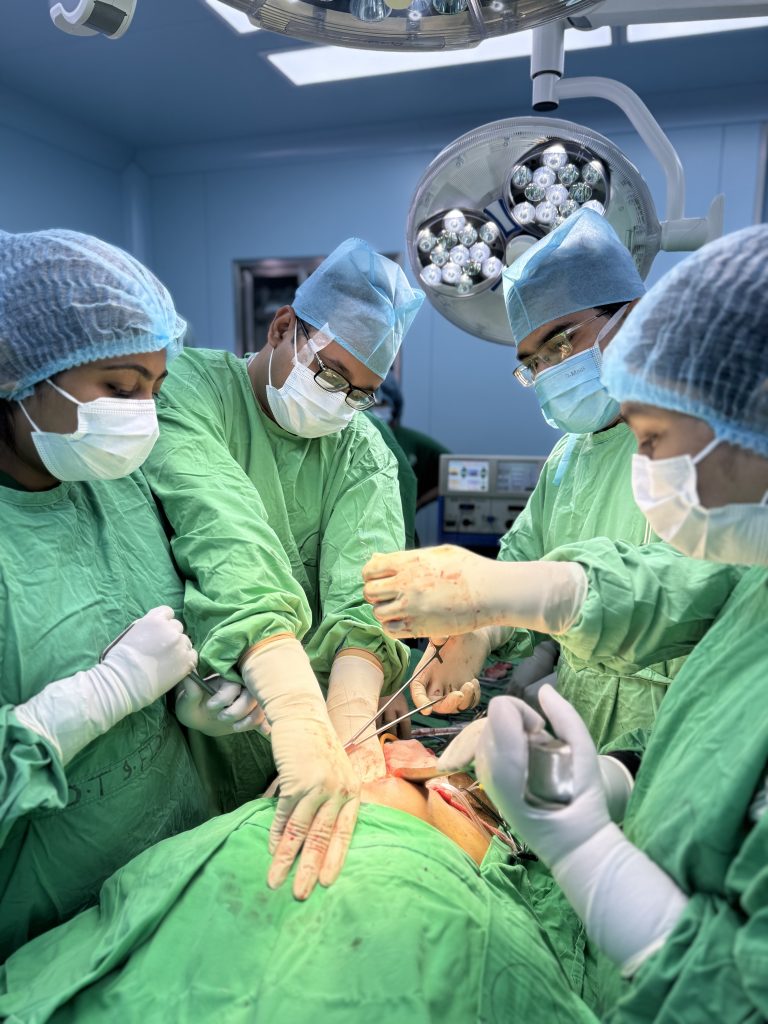

If you're weighing gallbladder surgery in Dhaka, the gallbladder stone operation cost in bangladesh matters nearly as much as the procedure itself. This guide breaks down the cost structure, contrasts open and laparoscopic methods, and shows how surgeon expertise, hospital facilities, and pre- and post-operative care drive the final bill, using Dr Arefin at Popular Medical College Hospital as a real-world reference. By the end, you'll have a practical plan for obtaining transparent quotes, budgeting pre- and postoperative expenses, and choosing a credible provider in Dhaka.
Cost Architecture: What Gallbladder Stone Surgery in Bangladesh Usually Includes
Cost architecture for gallbladder stone surgery in Bangladesh breaks down into discrete line items that repeat across hospitals, with local variation. Core components are preoperative assessments, the surgical procedure type, anesthesia, facility charges, postoperative medications, and follow-up care. In Dhaka, total price varies widely by hospital class, room type, and surgeon experience. The main driver is how thorough the preop workup is and how advanced the facility is.
- Preoperative consultations and investigations (labs, imaging, surgical team consultations)
- Surgical procedure type (laparoscopic vs open) and cost implications
- Anesthesia fees and intraoperative monitoring
- Hospital stay length and facility charges (room type, ICU if needed)
- Postoperative medications, drains, and wound care supplies
- Follow-up visits and potential additional imaging or tests
- Implants or specialized equipment if used during surgery
Preoperative workups matter. Typical components include labs, imaging such as ultrasound, and consultations with the surgical team. These are not optional; skipping them can raise risk and shift costs into urgent testing or complications later. A well planned preop set saves both risk and money.
Open vs laparoscopic: The cost delta is meaningful. Laparoscopic cholecystectomy costs more upfront due to equipment and theatre time, but shorter stay and quicker recovery often offset part of the difference. Open surgery can be cheaper initially but carries longer recovery and higher postoperative care needs.
Anesthesia and facility charges: Anesthesia is a standard portion of the bill, but senior anesthetists or enhanced monitoring can raise the total. In Dhaka, private room charges often form the largest slice of the bill. ICU care is possible only for complications; plan for it, but do not count on it.
Postoperative medications, drains, and follow-up care: Expect antibiotics, analgesics, wound care, and a follow-up visit. Additional imaging or tests raise costs if symptoms persist or if there are complications.
Example: A 50-year-old patient at Popular Medical College Hospital in Dhaka underwent laparoscopic cholecystectomy. Preop tests included CBC and ultrasound, anesthesia assessment, and a brief preop consultation. The day of surgery involved private ward facility charges, anesthesia, and laparoscopic instruments; postop care included analgesics and one follow-up. The patient discharged within 24 hours, illustrating how costs accumulate from several line items rather than a single fixed fee.
Pricing transparency and quotes: Ask for a formal, itemized quote listing preop tests, the operation, anesthesia, facility charges, and postoperative care. Confirm who handles insurance or financing and whether extras like extended stays apply. A clear quote helps you plan financially and avoid last minute surprises.
Takeaway: Demand a formal, itemized cost estimate that covers preop testing, the operation type, anesthesia, facility charges, postoperative medications, and follow-up care; confirm financing options before scheduling.
Average Price Range in Dhaka and Key Price Drivers
In Dhaka, the gallbladder stone operation cost in bangladesh is not a single number—it varies by facility type and surgical approach. Private hospitals with modern laparoscopic setups tend to quote higher upfront totals, while public facilities may offer lower base costs but with longer waits and variable perioperative care. The most reliable parts of any quote are the preoperative assessments, anesthesia fees, and the length of stay, so demand a written, itemized breakdown that separates tests, the operation, and postoperative care. For local context and a credible starting point, consider consulting with Dr Arefin’s team at Popular Medical College Hospital to obtain a formal cost estimate here.
Typical price bands by facility type
Private tertiary centers in Dhaka commonly quote total costs for laparoscopic cholecystectomy in the range of 150,000–300,000 BDT. An open cholecystectomy at the same facilities is typically 100,000–180,000 BDT, depending on room type and duration of stay. Public teaching hospitals offer lower upfront costs—open procedures often fall in the 60,000–120,000 BDT band, with laparoscopic options pushing higher where available. For credibility and broader context, you can consult general references on gallbladder surgery care from reputable sources such as Mayo Clinic and NHS.
- Private vs public facility charges: Total price is driven largely by facility overhead, room type, and whether the care path includes private hospital amenities or shared wards.
- Surgeon experience and hospital infrastructure: Higher fees often reflect the surgeon’s track record with biliary tract surgery and access to advanced imaging and equipment.
- Room type and length of stay: Private rooms and shorter stays raise costs; public or shared accommodations lower the bill but may extend recovery time in practice.
- Anesthesia fees: General anesthesia and intraoperative monitoring add a predictable line-item that can swing based on anesthesia provider and protocol.
- Preoperative testing and imaging: Labs, ultrasound, and sometimes CT scans are common upfront costs and can vary by required workup.
- Postoperative medications and follow-up: Pain control, antibiotics if used, drain care, and 1–2 follow-up visits contribute to the total.
- Possible complications or intraoperative changes: If there are adhesions, conversions from laparoscopic to open, or additional imaging, expect incremental charges.
Example in practice: A patient in a reputable private hospital pursued laparoscopic cholecystectomy with two nights in a private room, baseline preop labs, and routine postoperative meds. The total landed around 230,000–260,000 BDT; if an intraoperative conversion to open occurs or extra imaging is needed, the bill can rise to 290,000–320,000 BDT.
Key consideration: always request a formal, itemized quote that specifies preop tests, the operation, anesthesia, facility charges, and postoperative care.
Takeaway: begin with an itemized quote, compare total value across providers, and plan for preoperative and postoperative costs. The next step is to schedule a consultation with Dr Arefin’s team at Popular Medical College Hospital to obtain a formal cost estimate and a clear treatment timeline.
Pricing Scenarios: Open vs Laparoscopic and What They Mean for You
Pricing for gallbladder stone surgery hinges on the chosen approach. In practice, open and laparoscopic cholecystectomy follow different price trajectories, even when the same hospital and surgeon are involved.
Open cholecystectomy typically has lower upfront equipment costs but longer hospital stays and more postoperative pain, which can push overall costs higher through room charges and analgesia use. Laparoscopic cholecystectomy relies on specialized instruments and disposables, driving higher OR material costs, but it usually shortens the stay and speeds recovery, cutting downstream expenses.
- Direct cost drivers by approach: OR time, instrument sets, disposables, and anesthesia type. Laparoscopy adds upfront equipment costs but often reduces length of stay.
- Recovery and indirect costs: shorter downtime with laparoscopy can save on lost wages and follow-up visits through faster return to work.
- Contingencies: conversion from laparoscopic to open adds charges for additional time, equipment, and possible longer recovery, potentially eroding the anticipated savings.
- Facility and room type: private hospital charges, ICU use, and post-op imaging shape the final bill regardless of approach.
Concrete example: A patient with straightforward gallstone symptoms underwent laparoscopic surgery at Popular Medical College Hospital in Dhaka. The case involved preop labs, the operation, anesthesia, and a one-night stay; overall billed costs were higher upfront for laparoscopy, but the patient returned home the next day and resumed work within a week, reducing indirect costs.
In practice, the choice should be driven by clinical suitability first and price second. For most uncomplicated cases, laparoscopic offers quicker recovery; open may be preferred when anatomy is challenging or there are prior abdominal surgeries, where attempting laparoscopy could extend OR time and risk complications.
Next steps: request formal, itemized quotes for both approaches from Dr Arefin’s team, and discuss whether you qualify for any financing options or insurance coverage to cover preop tests and postoperative care. If you want practical guidance on what to ask, see Dr Arefin’s guidance on case selection and financing options at this resource.
Choosing Between Providers: Credentials, Facilities, and Transparent Quotes
Provider quality in Dhaka hinges on three things: surgeon credentials, hospital capabilities, and price quotes you can trust. When you search for gallbladder stone operation cost in bangladesh, you quickly learn that price is only part of the story. Patients need a credible plan that covers preop assessments, the operation, and post-op support—along with a transparent bill.
Dr Arefin, a hepatobiliary, pancreatic, and liver surgeon practicing at Popular Medical College Hospital in Dhanmondi, pairs surgical precision with patient-centered cost discussions. His approach aligns with credible local care: clear, written estimates; upfront discussion of risks and recovery; and a pathway for post-op follow-up. Learn more about his patient-centered approach here: You can read about his approach.
What to verify in credentials and facilities
Here are the checks that actually matter when you’re comparing providers in Dhaka:
- Board certification and active licensure from the Bangladesh Medical and Dental Council (BMDC).
- Documented surgical volume in gallbladder and biliary tract procedures per year.
- Availability of laparoscopic equipment and a trained anesthesia team for minimally invasive surgery.
- Compliance with infection control standards and a clear postoperative care pathway.
- Transparent scheduling for follow-up visits and access to imaging if needed.
Facilities matter as much as the surgeon. A hospital with modern laparoscopic suites, in-house imaging, and a dedicated bile-duct clinic tends to run tighter, with shorter stays and lower infection rates.
Here is a practical checklist for requesting formal price quotes and understanding the breakdown you should expect:
- Formal written quote that itemizes each cost component.
- Breakdown components: preoperative tests, surgeon fee, anesthesia, facility charges, medications, and postoperative follow-ups.
- Inclusions vs. extras: specify what is included in the hospital stay and what could incur additional charges (drains, implants, additional imaging).
- Contingencies: note potential costs for conversions, complications, or extended recovery time.
- Payment options: confirm insurance preauthorization (if applicable), installment plans, and any financing offers.
- Quote validity: state how long the price estimate remains accurate and what would trigger changes.
Beyond price, verify credentials and outcomes data. Check board certification, the surgeon's track record in hepatobiliary cases, and whether the hospital publishes complication rates or patient testimonials. See credible descriptions from Mayo Clinic and NHS for context, while recognizing local cost realities in Dhaka. Internal notes and patient experiences can also inform your judgment here: Dr Arefin’s guidance.
Concrete example: A patient requested quotes from two Dhaka hospitals. Hospital A provided a detailed, itemized quote covering preop labs, imaging, anesthesia, a 2-night hospital stay, and postoperative medications; Hospital B offered a lump-sum number with no breakdown. The patient chose Hospital A’s quote, budgeted accurately, and avoided surprise costs.
Takeaway: In Dhaka, the real value comes from a credentialed surgeon who offers transparent quotes and a solid postoperative plan. The next step is to request a formal cost estimate from Dr Arefin's clinic and review it alongside the hospital's care pathway.
Preoperative Planning and Financial Readiness
Preoperative planning is where cost certainty begins. In Dhaka, an itemized plan tied to a surgeon and hospital minimizes surprises and accelerates clearance. For gallbladder stone surgery, the preoperative phase should cover tests, medical optimization, and care coordination, and it must be reflected in a formal quote before you commit to Popular Medical College Hospital or any local facility in Dhanmondi.
Typical preop tests and their ballpark costs in Dhaka help you benchmark. Use these ranges when you request quotes, but insist on a written breakdown from the facility.
- CBC and metabolic panel: approximately 500–1500 BDT.
- Liver and kidney function tests (LFTs/creatinine): about 800–1800 BDT.
- Ultrasound abdomen: 1500–3500 BDT.
- ECG (EKG): 500–1000 BDT.
- Infectious disease screens (HBsAg/HCV): 1000–2000 BDT.
- Chest X-ray: 600–1200 BDT.
- Preoperative anesthesia evaluation: 1000–3000 BDT.
Bundling tests in-house can trim time and often costs. When the hospital coordinates tests with the surgical team, you reduce delays and the chance of redundant imaging or repeat blood work.
Insurance and financing are real considerations in Dhaka. Many plans require preauthorization and coverage specifics vary by policy. Hospitals such as Popular Medical College Hospital often offer installment or hospital-financed options for the preop phase and the procedure itself; verify with your insurer and the hospital finance desk before scheduling.
Case example: A patient in Dhanmondi arranged preop testing at PMCH; CBC, LFTs, ultrasound, and ECG were bundled in a package around 9,000–12,000 BDT. After the tests cleared, the patient proceeded to laparoscopic cholecystectomy with a hospital financing option, completing the process within two weeks and without unexpected charges.
Practical preoperative planning steps
- Request an formal, itemized preop budget that lists all tests and expected fees.
- Ask whether tests can be performed in-house to reduce delays and duplication.
- Verify preauthorization with insurer and hospital finance desk.
- Schedule tests within a tight window to minimize fasting days and repeat visits.
- Identify a single point of contact to coordinate the preop phase.
End-to-end preoperative planning in Dhaka requires early engagement with the care team. Align expectations, lock in costs, and arrange financing before your surgery date to keep the process smooth and predictable.
Takeaway: Preoperative planning and financing should be tied to the surgical schedule; get it done early to prevent price surprises and delays.
Next Steps: How to Schedule a Consultation with Dr Arefin at Popular Medical College Hospital
Scheduling a consultation with Dr Arefin at Popular Medical College Hospital is the hinge between price clarity and an actionable treatment plan. In Dhaka, a precise, patient-centered scheduling process shortens the path from inquiry to surgery and helps you lock in a transparent cost discussion before any tests.
- Gather your documents: collect medical history, current medications, prior imaging, lab results, and any previous anesthesia records. Have digital copies ready and note any allergies or chronic conditions that could influence testing or anesthesia planning.
- Contact the clinic to request a formal cost estimate: call or email the Dr Arefin clinic line, specify you want an itemized quote for gallbladder stone surgery, and ask if a tele-consult option is available for initial screening. If language helps, request support in Bengali or English as needed.
- Prepare a concise information packet: include age, body mass index, comorbidities (diabetes, hypertension, thyroid issues), prior surgeries, and insurance details. This helps the team tailor the cost estimate and preoperative plan.
- Ask for a written, itemized quote: ensure the quote breaks out preoperative tests, the procedure type (laparoscopic vs open), anesthesia, facility charges, postoperative medications, and follow-up visits. Confirm whether implants or special equipment could add to the bill.
- Schedule preoperative evaluations: arrange labs, imaging (ultrasound), and ECG as indicated. Coordinate dates to fit work, travel, and Dhaka’s busy scheduling windows; telemedicine can often speed initial assessments.
- Clarify the timeline: ask for the anticipated interval from initial consult to potential surgery, including dates for tests, anesthesia clearance, and postoperative follow-up. Document the agreed timeline in writing.
After you submit a request, expect a structured discussion. Dr Arefin and his team will review your records, compare laparoscopy versus open approaches, and deliver a clear plan with a binding price range or written quote. In practice, you should receive the formal estimate within 3–7 business days, depending on test scheduling and case complexity. For a sense of standard expectations, see established guidelines from Mayo Clinic and Johns Hopkins on cholecystectomy care and decision-making.
Example: A patient from Dhanmondi calls to schedule a consult. Within 48 hours, they have an appointment and bring a compact packet of records. At the visit, Dr Arefin reviews findings, outlines laparoscopic vs open options, and provides a written quote. Two weeks later, preoperative tests are scheduled, and a tentative surgery date is set based on test results and Dr Arefin’s availability.
Key preparation: Bring medical records, a current medication list, allergies, insurance details, and any prior imaging. Have your preferred contact method ready so the clinic can confirm appointments quickly.
Takeaway: The scheduling step is the hinge for price transparency. Your next move is to contact Dr Arefin’s clinic to request a formal cost estimate and lock in a consultation date.
Related Articles

Is Bangladesh Ready for Liver Transplant? A Surgeon’s Honest Assessment of What’s Possible Today
Is Bangladesh Ready for Liver Transplant? A Surgeon’s Honest Assessment of What’s Possible Today This article offers a surgeon's candid […]
Read More
Acute vs. Chronic Pancreatitis: Which Type Needs a Surgeon and Which Needs a Physician?
Acute vs. Chronic Pancreatitis: Which Type Needs a Surgeon and Which Needs a Physician? Acute pancreatitis and chronic pancreatitis present […]
Read More
Your Most Pressing Questions About Liver, Gallbladder, and Pancreas Surgery — Answered by a Specialist
Your Most Pressing Questions About Liver, Gallbladder, and Pancreas Surgery — Answered by a Specialist Patients in Dhaka facing surgery […]
Read More