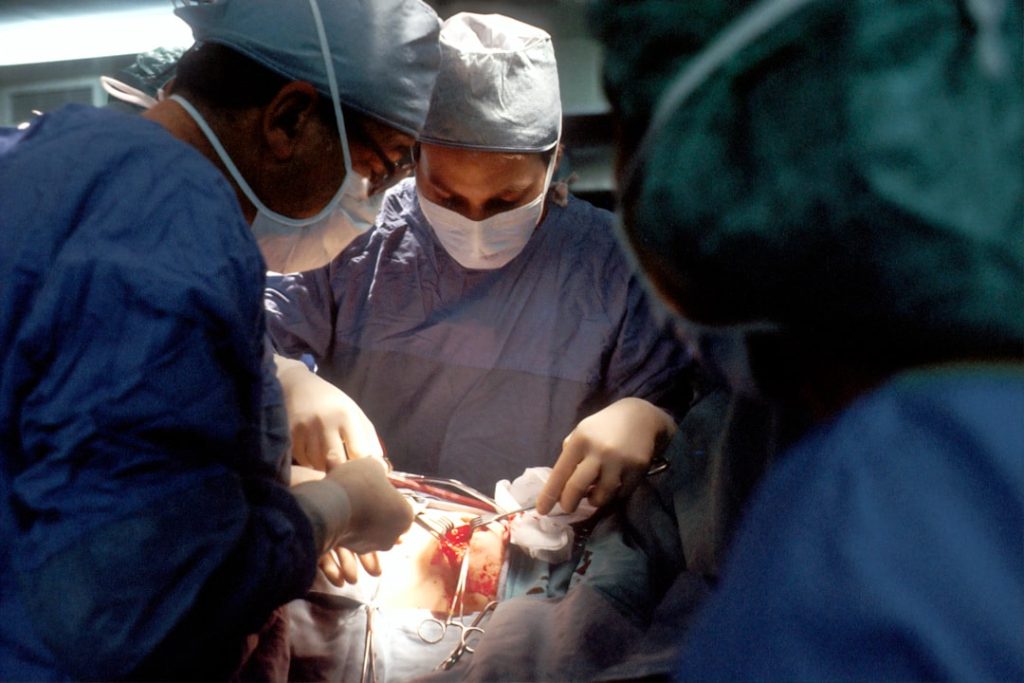

Gallbladder surgery, or cholecystectomy, is a common procedure to remove the gallbladder, a small organ beneath the liver that aids in digestion. This surgery is typically recommended for patients with gallstones, which can cause pain, inflammation, and infection. The gallbladder stores bile produced by the liver, and when gallstones form, they can block bile ducts, causing severe discomfort and potential complications.
Two main surgical techniques are used: laparoscopic surgery and open surgery. Laparoscopic cholecystectomy is less invasive, using smaller incisions that result in faster recovery and reduced postoperative pain. Open cholecystectomy may be necessary for more complex cases.
Understanding the entire surgical process—from preoperative preparation through recovery—is important for patients to manage expectations and reduce anxiety about the procedure.
Key Takeaways
- Gallbladder surgery requires careful preparation and understanding of the procedure.
- Post-operative care includes managing pain, monitoring incision healing, and gradually resuming activities.
- Diet progression moves from liquids to solid foods over the first month after surgery.
- Regular follow-up, including a key appointment at three months, is essential for assessing recovery.
- Long-term lifestyle changes support overall health and prevent future gallbladder issues.
Preparing for Gallbladder Surgery in Dhaka
Preparing for gallbladder surgery in Dhaka involves several important steps that can significantly impact your recovery process. First and foremost, you should consult with your healthcare provider to discuss your medical history and any medications you are currently taking. This conversation will help your doctor determine the best approach for your surgery and ensure that you are in optimal health before undergoing the procedure.
Additionally, you may be advised to undergo certain tests, such as blood work or imaging studies, to assess your condition further. In the days leading up to your surgery, it’s crucial to follow any preoperative instructions provided by your healthcare team. This may include dietary restrictions or guidelines on when to stop eating or drinking before the procedure.
Preparing your home for recovery is also essential; consider arranging a comfortable space where you can rest and recuperate post-surgery. Stocking up on easy-to-prepare meals and ensuring that you have assistance from family or friends during your recovery can make a significant difference in your overall experience.
Day 1: Immediate Post-Op Care

The first day following your gallbladder surgery is critical for monitoring your recovery and ensuring that you are stable after the procedure. Once you awaken from anesthesia, healthcare professionals will closely observe you for any signs of complications. You may experience some discomfort or pain at the surgical site, which is normal.
Pain management will be a priority during this time, and your medical team will provide you with medications to help alleviate any discomfort. During this initial recovery period, it’s essential to follow the instructions given by your healthcare providers. You may be encouraged to take short walks to promote circulation and prevent blood clots.
Staying hydrated is also vital; sipping water or clear fluids can help ease any nausea you might experience from anesthesia. Remember that rest is equally important; allow yourself time to recover and don’t hesitate to ask for assistance if needed.
Day 2-3: Managing Pain and Discomfort
As you transition into days two and three post-surgery, managing pain and discomfort becomes a primary focus of your recovery process. While it’s normal to experience some soreness around the incision sites, effective pain management strategies can help you feel more comfortable. Your healthcare provider may adjust your pain medication based on your feedback, ensuring that you have adequate relief without excessive sedation.
During these days, it’s also essential to monitor your body for any unusual symptoms, such as increased swelling or redness around the incision sites, fever, or severe abdominal pain. If you notice any concerning signs, don’t hesitate to contact your healthcare provider for guidance. Engaging in light activities, such as walking around your home, can aid in your recovery while also helping to alleviate discomfort.
However, be mindful not to overexert yourself; listen to your body and rest when needed.
Day 4-7: Gradual Return to Normal Activities
| Day | Recovery Stage | Common Symptoms | Recommended Activities | Dr. Murshidul Arefin’s Tips |
|---|---|---|---|---|
| Day 1 | Immediate Post-Surgery | Pain near incision, nausea, mild fatigue | Rest, take prescribed pain medication, avoid heavy movement | Keep incision clean and dry; report severe pain or fever |
| Day 2 | Early Recovery | Reduced pain, slight bloating, mild discomfort | Light walking around the room, continue medications | Start gentle movements to prevent blood clots |
| Day 3 | Improving Mobility | Less pain, improved appetite, occasional gas | Short walks, begin light eating with bland foods | Avoid fatty and spicy foods; stay hydrated |
| Day 4 | Increased Activity | Minimal pain, normal bowel movements | Increase walking distance, resume light daily activities | Monitor incision for signs of infection |
| Day 5-7 | Continued Recovery | Normal energy levels, no fever | Return to most normal activities, avoid heavy lifting | Follow up appointment with Dr. Arefin recommended |
| Week 2 | Near Full Recovery | Minimal to no pain, normal digestion | Resume regular diet, moderate exercise | Maintain healthy diet and hydration for optimal healing |
| Week 4 | Full Recovery | Normal activity, no discomfort | Return to all normal activities including work | Contact Dr. Arefin if any unusual symptoms occur |
As you enter days four through seven of your recovery journey, you may begin to feel more like yourself again. This period marks a gradual return to normal activities, although it’s essential to approach this transition with caution. You might find that simple tasks like showering or preparing meals become more manageable as your strength improves.
However, it’s crucial to avoid heavy lifting or strenuous activities during this time to prevent strain on your healing body. Incorporating gentle movements into your daily routine can be beneficial as well. Light stretching or short walks can help improve circulation and promote healing without putting too much stress on your body.
Pay attention to how you feel during these activities; if you experience any discomfort or fatigue, take a step back and allow yourself more time to rest. Remember that recovery is a gradual process, and it’s perfectly acceptable to take things at your own pace.
Week 2: Monitoring Incision Healing

By the end of week two post-surgery, monitoring the healing of your incisions becomes increasingly important. At this stage, you should begin to notice a reduction in swelling and discomfort around the surgical sites. It’s essential to keep the incisions clean and dry; follow any specific care instructions provided by your healthcare team regarding dressing changes or bathing practices.
During this week, pay close attention to any changes in your incisions. If you notice increased redness, drainage, or signs of infection, contact your healthcare provider immediately for further evaluation. Additionally, this is an excellent time to reflect on how you’re feeling overall; if you have any concerns about your recovery or experience unexpected symptoms, don’t hesitate to reach out for support.
Week 3: Resuming Light Exercise and Physical Activity
As you enter week three of your recovery journey, you may feel ready to resume light exercise and physical activity. Engaging in gentle movements can help improve your strength and flexibility while also enhancing your overall well-being. Activities such as walking or gentle yoga can be excellent options during this phase of recovery; however, it’s crucial to listen to your body and avoid any movements that cause discomfort.
Before starting any new exercise routine, consult with your healthcare provider for personalized recommendations based on your specific situation. They may suggest certain exercises that are safe for you at this stage of recovery while advising against high-impact activities or heavy lifting until you are fully healed. Remember that patience is key; gradually increasing your activity level will contribute positively to your long-term recovery.
Week 4: Gradual Introduction of Solid Foods
By week four post-surgery, many individuals are ready to gradually reintroduce solid foods into their diets. After a period of consuming primarily liquids and soft foods, transitioning back to regular meals can be an exciting milestone in your recovery journey. However, it’s essential to approach this change mindfully; start with small portions of easily digestible foods such as rice, bananas, or toast before progressing to more complex meals.
Pay attention to how your body responds as you reintroduce solid foods; some individuals may experience mild digestive changes after gallbladder removal. If you notice any discomfort or digestive issues after eating certain foods, consider keeping a food diary to track what works best for you. Consulting with a nutritionist can also provide valuable insights into maintaining a balanced diet that supports your healing process.
Month 2: Assessing Overall Recovery and Healing
As you reach the two-month mark post-surgery, it’s time to assess your overall recovery and healing progress. By this point, many individuals find that their incisions have healed significantly and that they are experiencing less discomfort in their daily lives.
During this month, continue monitoring how you feel physically and emotionally as you adjust to life without a gallbladder. If you have any ongoing symptoms or questions about dietary changes or lifestyle adjustments, don’t hesitate to reach out to your healthcare provider for guidance. They can provide valuable insights into what is considered normal during this stage of recovery and help address any concerns you may have.
As you approach the three-month mark post-surgery, scheduling a follow-up appointment with Dr. Murshidul Arefin becomes an essential step in ensuring a successful recovery process. This appointment provides an opportunity for you to discuss any lingering concerns or questions about your health since undergoing gallbladder surgery.
Dr. Arefin will likely assess your overall progress and evaluate how well you are healing. During this visit, be prepared to discuss any changes in your diet or lifestyle since the surgery and how they have impacted your well-being.
Your doctor may offer additional recommendations for maintaining optimal health moving forward or suggest further tests if necessary. This follow-up appointment serves as an important checkpoint in your recovery journey and allows for open communication between you and your healthcare provider.
Long-Term Recovery and Lifestyle Changes
Long-term recovery after gallbladder surgery often involves making lifestyle changes that promote overall health and well-being. While many individuals return to their normal routines within a few months post-surgery, it’s essential to remain mindful of how certain foods may affect digestion without a gallbladder. Incorporating a balanced diet rich in fruits, vegetables, whole grains, and lean proteins can support digestive health while minimizing potential discomfort.
Additionally, staying active through regular exercise can contribute positively to both physical and mental well-being as you continue on your recovery journey. Engaging in activities that bring joy while promoting fitness can enhance your quality of life long after surgery. Remember that every individual’s recovery experience is unique; listen to your body and prioritize self-care as you navigate this new chapter in your health journey.
For those seeking comprehensive information on recovery after gallbladder surgery in Dhaka, Dr. Murshidul Arefin’s article, “Recovery After Gallbladder Surgery in Dhaka: Day-by-Day Guide,” provides valuable insights. Additionally, readers may find it beneficial to explore related topics on effective communication and engagement in writing, such as the article on crafting captivating headlines, which can be found com/crafting-captivating-headlines-your-awesome-post-title-goes-here/’>here.
This resource can enhance your understanding of how to present medical information in an engaging manner.
FAQs
What is the typical recovery time after gallbladder surgery?
Recovery time after gallbladder surgery varies depending on the type of surgery performed. For laparoscopic gallbladder surgery, most patients can return to normal activities within 1 to 2 weeks. Open surgery may require a longer recovery period of 4 to 6 weeks.
What are the common symptoms to expect during recovery?
Common symptoms during recovery include mild pain or discomfort near the incision site, fatigue, and occasional nausea. These symptoms usually improve gradually over the first few days to weeks after surgery.
Are there any dietary restrictions after gallbladder surgery?
Yes, patients are generally advised to follow a low-fat diet initially to help the digestive system adjust. Gradually, normal eating habits can be resumed as tolerated. Avoiding greasy, spicy, and heavy foods is recommended during the early recovery phase.
When can I resume normal physical activities after gallbladder surgery?
Light activities can usually be resumed within a few days after laparoscopic surgery, but strenuous activities and heavy lifting should be avoided for at least 2 to 4 weeks. Your surgeon will provide specific guidelines based on your individual case.
What signs indicate complications after gallbladder surgery?
Signs of complications may include severe abdominal pain, fever, persistent nausea or vomiting, jaundice, or signs of infection at the incision site such as redness, swelling, or discharge. If any of these occur, contact your healthcare provider immediately.
Is follow-up care necessary after gallbladder surgery?
Yes, follow-up appointments are important to monitor healing and address any concerns. Your surgeon will schedule visits to check your recovery progress and remove any stitches if necessary.
Can gallbladder surgery be performed safely in Dhaka?
Yes, gallbladder surgery is commonly performed in Dhaka by experienced surgeons like Dr. Murshidul Arefin. Hospitals in Dhaka are equipped with modern facilities to ensure safe and effective treatment.
What type of gallbladder surgery is most common?
Laparoscopic cholecystectomy, a minimally invasive procedure, is the most common type of gallbladder surgery. It involves small incisions and typically results in faster recovery and less postoperative pain compared to open surgery.
How should I care for my surgical wounds after gallbladder surgery?
Keep the incision area clean and dry. Follow your surgeon’s instructions on wound care, including when it is safe to shower. Avoid soaking the wounds until they are fully healed to prevent infection.
Can I expect any long-term effects after gallbladder removal?
Most patients recover fully without long-term issues. Some may experience changes in digestion, such as occasional diarrhea or bloating, but these symptoms often improve over time. Maintaining a healthy diet can help manage any digestive changes.
Related Articles
How to Prepare for Upper GI Surgery: A Step-by-Step Guide for Patients at Popular Medical College Hospital
How to Prepare for Upper GI Surgery: A Step-by-Step Guide for Patients at Popular Medical College Hospital Preparation for upper […]
Read More
Caught in Time: A Patient’s Journey Through Pancreatic Cancer Diagnosis and Surgery in Dhaka
Caught in Time: A Patient’s Journey Through Pancreatic Cancer Diagnosis and Surgery in Dhaka In Dhaka's busy hospitals, a patient's […]
Read More
Surgical Baseline Assessment at Entry to Training
Surgical Baseline Assessment at Entry to HPB Training in Dhaka Most trainees assume the entry test exists to reject them, […]
Read More