
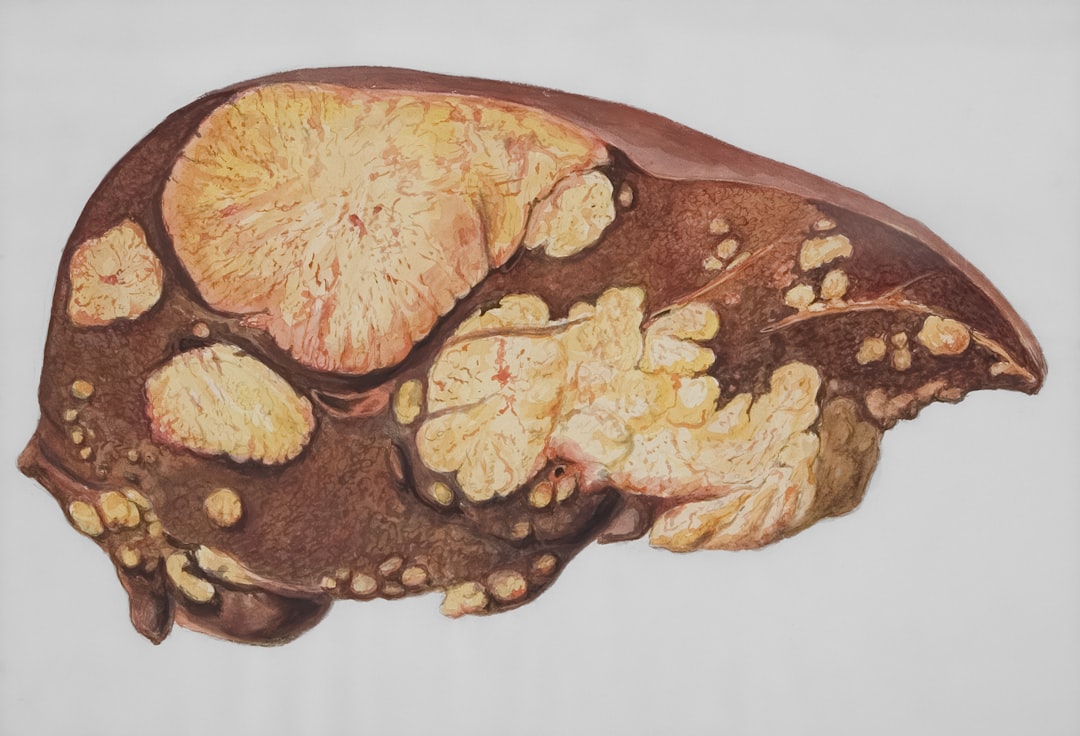
Liver cirrhosis is a progressive disease characterized by the replacement of healthy liver tissue with scar tissue, ultimately impairing liver function. My understanding of this condition has deepened as I explored its various etiologies. The most common causes include chronic viral hepatitis, particularly hepatitis B and C, as well as alcohol abuse and non-alcoholic fatty liver disease (NAFLD). Each of these factors contributes to the ongoing inflammation and damage to liver cells, leading to fibrosis and, eventually, cirrhosis. I have learned that the risk factors for developing cirrhosis are multifaceted, encompassing not only lifestyle choices but also genetic predispositions and environmental influences.
In my research, I discovered that certain populations are at a higher risk for liver cirrhosis. For instance, individuals with a history of heavy alcohol consumption or those who are obese are more susceptible to developing this condition. Additionally, I found that autoimmune diseases, such as autoimmune hepatitis, can also lead to cirrhosis. The interplay between these risk factors is complex; for example, a person with a genetic predisposition to liver disease may be more likely to develop cirrhosis if they also engage in excessive drinking or have a poor diet. Understanding these risk factors has been crucial in recognizing the importance of early intervention and lifestyle modifications to prevent the progression of liver disease.
In the context of understanding cirrhosis of the liver and its associated complications, an insightful article titled “Cirrhosis of the Liver: Etiologic Evaluation, Severity Scoring, and Comprehensive Management of Portal Hypertension & Complications” can be found on the DRA Refin website. This article delves into the various causes of cirrhosis, the methods for assessing its severity, and the management strategies for portal hypertension and its complications. For further reading, you can access the article here: Cirrhosis of the Liver: Etiologic Evaluation, Severity Scoring, and Comprehensive Management of Portal Hypertension & Complications.
Identifying the Severity of Liver Cirrhosis: Scoring Systems and Diagnostic Tools
Assessing the severity of liver cirrhosis is essential for determining the appropriate management strategies. I have come to appreciate the various scoring systems that clinicians use to evaluate liver function and disease progression. The Child-Pugh score is one of the most widely used tools, incorporating clinical parameters such as bilirubin levels, albumin levels, prothrombin time, and the presence of ascites or hepatic encephalopathy. This scoring system provides a straightforward way to categorize patients into different classes, which helps guide treatment decisions and predict outcomes.
In addition to the Child-Pugh score, I have learned about the Model for End-Stage Liver Disease (MELD) score, which is particularly useful for assessing patients awaiting liver transplantation. The MELD score takes into account serum creatinine, bilirubin, and INR levels, providing a more objective measure of liver function. These scoring systems are complemented by various diagnostic tools, including imaging studies like ultrasound, CT scans, and MRI, which can help visualize liver structure and assess for complications such as portal hypertension or hepatocellular carcinoma. By utilizing these tools, healthcare providers can gain a comprehensive understanding of a patient’s condition and tailor their management accordingly.
Portal Hypertension: Causes, Symptoms, and Complications

Portal hypertension is a significant complication of liver cirrhosis that arises from increased pressure in the portal venous system. As I delved deeper into this topic, I learned that the primary cause of portal hypertension is the obstruction of blood flow through the liver due to fibrosis and scarring. This increased resistance leads to a backlog of blood in the portal vein, resulting in various symptoms and complications. Common manifestations include splenomegaly, ascites, and the development of varices—dilated veins that can rupture and cause life-threatening bleeding.
The symptoms of portal hypertension can be quite distressing. I have come to understand that many patients may experience abdominal discomfort due to enlarged organs or fluid accumulation. Additionally, the presence of varices poses a significant risk for gastrointestinal bleeding, which can be both acute and severe. Complications associated with portal hypertension can further exacerbate a patient’s condition; for instance, the development of hepatic encephalopathy can occur due to the accumulation of toxins in the bloodstream as a result of impaired liver function. Recognizing these symptoms early on is crucial for timely intervention and management.
Management of Portal Hypertension: Pharmacological and Non-pharmacological Interventions

Managing portal hypertension requires a multifaceted approach that includes both pharmacological and non-pharmacological interventions. In my exploration of treatment options, I found that beta-blockers are commonly prescribed to reduce portal pressure by decreasing heart rate and cardiac output. Medications such as propranolol or nadolol can help prevent variceal bleeding by lowering the risk associated with elevated portal pressure. Additionally, diuretics may be utilized to manage fluid retention associated with ascites.
Non-pharmacological interventions also play a vital role in managing portal hypertension. I learned that lifestyle modifications, such as dietary changes and weight management, can significantly impact a patient’s overall health and liver function. For instance, reducing sodium intake can help alleviate fluid retention and ascites. Furthermore, regular monitoring through endoscopy is essential for patients with known varices to assess their size and risk of bleeding. In some cases, more invasive procedures such as transjugular intrahepatic portosystemic shunt (TIPS) may be necessary to relieve portal pressure when other treatments fail.
Cirrhosis of the liver is a complex condition that requires a thorough understanding of its causes, severity, and management strategies, particularly concerning portal hypertension and its complications. For those looking to delve deeper into the intricacies of liver health, a related article offers valuable insights into crafting effective treatment plans and understanding the underlying mechanisms of liver diseases. You can explore this informative piece further by visiting this link, which provides essential information for both healthcare professionals and patients alike.
Variceal Bleeding: Prevention and Treatment Strategies
| Category | Parameter | Description | Typical Values / Scores | Clinical Significance |
|---|---|---|---|---|
| Etiologic Evaluation | Viral Markers | Tests for Hepatitis B and C viruses | HBsAg, Anti-HCV positive/negative | Identifies viral cause of cirrhosis |
| Alcohol Use History | Assessment of chronic alcohol consumption | >40g/day for men, >20g/day for women | Determines alcoholic cirrhosis | |
| Autoimmune Markers | ANA, ASMA, anti-LKM antibodies | Positive/negative | Detects autoimmune hepatitis | |
| Severity Scoring | MELD Score | Model for End-Stage Liver Disease | 6-40 | Predicts mortality and transplant priority |
| Child-Pugh Score | Assesses liver function based on clinical and lab parameters | Class A (5-6), B (7-9), C (10-15) | Estimates prognosis and guides management | |
| Platelet Count | Indicator of portal hypertension | Helps assess severity of portal hypertension | ||
| Portal Hypertension & Complications | HVPG (Hepatic Venous Pressure Gradient) | Measurement of portal pressure | >5 mmHg abnormal, >10 mmHg clinically significant | Guides treatment decisions |
| Variceal Size | Endoscopic grading of esophageal varices | Small, Medium, Large | Determines bleeding risk and prophylaxis | |
| Ascites Grading | Clinical assessment of fluid accumulation | Grade 1 (mild) to Grade 3 (tense) | Guides diuretic therapy and paracentesis | |
| Hepatic Encephalopathy | West Haven Criteria | Grade 0 to 4 | Assesses neurological impairment severity |
Variceal bleeding is one of the most serious complications associated with portal hypertension and cirrhosis. Understanding how to prevent and treat this condition has been an important aspect of my research. Primary prevention strategies often involve the use of non-selective beta-blockers to reduce portal pressure and minimize the risk of variceal rupture. Regular endoscopic surveillance is also crucial for patients with known varices; band ligation can be performed during these procedures to prevent bleeding.
When variceal bleeding does occur, prompt management is essential to improve outcomes. I have learned that initial treatment typically involves stabilizing the patient through resuscitation with intravenous fluids and blood products if necessary. The use of vasoactive drugs such as octreotide can help reduce portal pressure during acute bleeding episodes. Endoscopy plays a critical role in managing active bleeding; variceal band ligation or sclerotherapy can be performed to control hemorrhage effectively. In severe cases where conventional measures fail, balloon tamponade may be employed as a temporary measure until definitive treatment can be arranged.
Ascites in Liver Cirrhosis: Evaluation and Management
For reliable health advice, Get best medical expert consultation today.
Ascites is another common complication of liver cirrhosis that results from increased pressure in the portal venous system and decreased albumin production by the liver. My understanding of ascites has evolved as I explored its evaluation and management strategies. The first step in assessing ascites typically involves physical examination and imaging studies such as ultrasound to confirm its presence and evaluate its characteristics.
Management of ascites often begins with dietary modifications aimed at reducing sodium intake. I have learned that diuretics like spironolactone are frequently prescribed to promote fluid excretion; however, careful monitoring is necessary to avoid complications such as electrolyte imbalances or renal dysfunction. In cases where diuretics are ineffective or if there is tense ascites causing discomfort, therapeutic paracentesis may be performed to relieve pressure by removing excess fluid from the abdominal cavity. This procedure not only alleviates symptoms but also allows for analysis of the ascitic fluid to rule out infections such as spontaneous bacterial peritonitis (SBP).
Hepatic Encephalopathy: Diagnosis and Treatment Approaches
Hepatic encephalopathy (HE) is a neuropsychiatric complication that arises from liver dysfunction and the accumulation of toxins in the bloodstream. My exploration into HE has revealed its complex nature; it can present with a wide range of symptoms ranging from mild cognitive impairment to severe confusion or coma. Diagnosis often involves clinical assessment along with ruling out other potential causes of altered mental status.
Treatment strategies for hepatic encephalopathy primarily focus on reducing ammonia levels in the blood. I have learned that lactulose is commonly used as a first-line therapy; it works by promoting bowel movements to eliminate ammonia from the gut. Additionally, rifaximin may be prescribed as an adjunct therapy to reduce ammonia-producing bacteria in the intestines. In more severe cases or recurrent episodes, addressing precipitating factors such as gastrointestinal bleeding or infections is crucial for effective management.
Hepatorenal Syndrome: Pathophysiology and Therapeutic Options
Hepatorenal syndrome (HRS) is a serious complication characterized by renal failure in patients with advanced liver disease. My understanding of HRS has deepened as I explored its pathophysiology; it is primarily driven by renal vasoconstriction due to reduced renal perfusion resulting from systemic vasodilation in cirrhosis. This condition poses significant challenges in management due to its poor prognosis.
Therapeutic options for HRS are limited but evolving. I have learned that volume expansion with intravenous albumin can help improve renal function in some cases; however, this approach may not be sufficient for all patients. Vasopressor therapy using agents like terlipressin has shown promise in improving renal perfusion by counteracting vasodilation effects. Ultimately, liver transplantation remains the most definitive treatment for HRS; however, bridging therapies may be necessary while awaiting transplantation.
Nutritional Support in Liver Cirrhosis: Importance and Guidelines
Nutritional support plays a critical role in managing patients with liver cirrhosis; understanding its importance has been enlightening for me. Malnutrition is common among individuals with cirrhosis due to factors such as decreased appetite, altered metabolism, and malabsorption issues. Ensuring adequate nutritional intake is essential for maintaining muscle mass, supporting immune function, and improving overall quality of life.
I have learned that dietary recommendations for patients with cirrhosis often include high-protein diets to counteract muscle wasting while also considering individual tolerance levels. Monitoring micronutrient deficiencies is crucial; supplementation may be necessary for vitamins such as thiamine or folate that are often depleted in these patients. Collaborating with dietitians who specialize in liver disease can provide tailored nutritional plans that address specific needs while promoting optimal health outcomes.
Liver Transplantation: Indications, Evaluation, and Outcomes
Liver transplantation represents a life-saving option for patients with end-stage liver disease or acute liver failure; my exploration into this topic has highlighted its significance in managing cirrhosis-related complications. Indications for transplantation typically include decompensated cirrhosis with complications such as recurrent variceal bleeding or hepatic encephalopathy that cannot be managed effectively through medical therapy alone.
The evaluation process for potential transplant candidates involves comprehensive assessments including medical history review, imaging studies, laboratory tests, and psychosocial evaluations. I have learned that successful outcomes depend on careful selection criteria; factors such as age, comorbidities, and adherence potential are considered during this process. Post-transplant outcomes have improved significantly over the years due to advancements in surgical techniques and immunosuppressive therapies; many patients experience substantial improvements in quality of life following transplantation.
Comprehensive Approach to the Management of Liver Cirrhosis: Multidisciplinary Care and Long-term Follow-up
A comprehensive approach to managing liver cirrhosis necessitates collaboration among various healthcare professionals; my understanding of this multidisciplinary care model has grown significantly through my research. Effective management requires input from hepatologists, nutritionists, social workers, and other specialists who can address the diverse needs of patients living with this complex condition.
Long-term follow-up is essential for monitoring disease progression and managing complications effectively. Regular assessments allow healthcare providers to adjust treatment plans based on individual patient needs while also providing education on lifestyle modifications that can improve outcomes. By fostering open communication between patients and their care teams, we can empower individuals living with liver cirrhosis to take an active role in their health management journey while ensuring they receive comprehensive support throughout their treatment process.
In conclusion, my exploration into liver cirrhosis has illuminated its complexities—from understanding its etiology and risk factors to recognizing the importance of multidisciplinary care in managing this challenging condition. Each aspect plays a vital role in improving patient outcomes and enhancing quality of life for those affected by this disease.
FAQs
What are the common causes of cirrhosis of the liver?
Cirrhosis of the liver is commonly caused by chronic alcohol abuse, chronic viral hepatitis (such as hepatitis B and C), non-alcoholic fatty liver disease (NAFLD), autoimmune hepatitis, and certain genetic disorders. Identifying the underlying cause is essential for appropriate management.
How is the severity of cirrhosis assessed?
The severity of cirrhosis is typically evaluated using scoring systems such as the Child-Pugh score and the Model for End-Stage Liver Disease (MELD) score. These scores consider clinical and laboratory parameters to estimate liver function and predict prognosis.
What is portal hypertension and how does it relate to cirrhosis?
Portal hypertension is increased blood pressure within the portal venous system, commonly resulting from cirrhosis-induced scarring and resistance to blood flow in the liver. It can lead to complications such as variceal bleeding, ascites, and hepatic encephalopathy.
What are the main complications associated with portal hypertension in cirrhosis?
Complications include esophageal and gastric varices that may bleed, ascites (fluid accumulation in the abdomen), spontaneous bacterial peritonitis, hepatic encephalopathy, and splenomegaly. These complications require careful monitoring and management.
What are the general management strategies for cirrhosis and its complications?
Management includes treating the underlying cause, lifestyle modifications (such as alcohol cessation), pharmacologic therapies to reduce portal pressure (e.g., beta-blockers), endoscopic interventions for varices, management of ascites with diuretics and paracentesis, and consideration of liver transplantation in advanced cases.
Related Articles

Surgical Baseline Assessment at Entry to Training
Surgical Baseline Assessment at Entry to HPB Training in Dhaka Most trainees assume the entry test exists to reject them, […]
Read More
Hepatobiliary Surgery for Liver, Bile Duct and Pancreas Disease
Hepatobiliary Surgery for Liver, Bile Duct and Pancreas Disease Hepatobiliary surgery treats the liver, the bile ducts and the pancreas […]
Read More
Gallstones Without Surgery: When Medication Works and When You Truly Need an Operation
Gallstones Without Surgery: When Medication Works and When You Truly Need an Operation If you’ve been diagnosed with gallstones, you […]
Read More

