Gallbladder stones, also known as cholelithiasis, are hardened deposits that form in the gallbladder, a small organ located beneath the liver. These stones can vary in size, from tiny grains to larger formations that can block bile ducts. Understanding the causes of gallbladder stones is crucial for prevention and management. The primary factors contributing to their formation include an imbalance in the substances that make up bile, such as cholesterol and bilirubin. When there is too much cholesterol in the bile, it can crystallize and eventually form stones. Additionally, conditions like obesity, diabetes, and rapid weight loss can increase your risk of developing these stones.
Symptoms of gallbladder stones can range from mild to severe. Many individuals may experience no symptoms at all, a condition known as “silent” gallstones. However, when symptoms do occur, they often manifest as intense pain in the upper right abdomen, particularly after eating fatty meals. This pain, known as biliary colic, can radiate to the back or right shoulder blade. Other symptoms may include nausea, vomiting, and bloating. If a stone obstructs the bile duct, it can lead to more serious complications such as jaundice or pancreatitis, which require immediate medical attention.
In exploring the complexities of gallbladder stones, it is essential to consider the broader implications of surgical interventions and their outcomes. A related article that delves into the nuances of effective communication in medical writing can be found at Crafting Captivating Headlines. This resource provides valuable insights into how to present medical information in a way that is both engaging and informative, which is crucial for enhancing patient understanding and decision-making regarding gallbladder stone treatment options.
Diagnostic Workup for Gallbladder Stones: Imaging and Laboratory Tests
When you suspect gallbladder stones, your healthcare provider will initiate a diagnostic workup to confirm their presence and assess their severity. The first step typically involves a thorough medical history and physical examination. Your doctor may ask about your symptoms, dietary habits, and any family history of gallbladder issues. Following this initial assessment, imaging tests are often employed to visualize the gallbladder and surrounding structures.
Ultrasound is the most common imaging technique used to detect gallstones due to its non-invasive nature and effectiveness. This test uses sound waves to create images of the gallbladder, allowing your doctor to see if stones are present. In some cases, additional imaging studies such as a CT scan or MRI may be recommended for a more detailed view. Alongside imaging tests, laboratory tests may be conducted to evaluate liver function and check for signs of infection or inflammation. Blood tests can reveal elevated levels of bilirubin or liver enzymes, which may indicate complications related to gallstones.
Indications for Surgery: When Gallbladder Stone Removal is Necessary

Surgery is often considered when gallstones cause significant symptoms or complications. If you experience recurrent episodes of biliary colic or if your symptoms are severe enough to disrupt your daily life, your doctor may recommend surgical intervention. Additionally, if a stone blocks the bile duct leading to jaundice or pancreatitis, surgery becomes a necessary option to prevent further complications.
In some cases, the presence of gallstones may lead to acute cholecystitis, an inflammation of the gallbladder that can result from prolonged blockage of the bile duct. This condition often requires urgent surgical treatment to remove the gallbladder and alleviate symptoms. Your healthcare provider will weigh the risks and benefits of surgery based on your overall health, age, and the severity of your condition before making a recommendation.
Non-Surgical Treatment Options: Medications and Lifestyle Changes

While surgery is a common treatment for symptomatic gallstones, there are non-surgical options available that may be suitable for certain individuals. Medications such as ursodeoxycholic acid can help dissolve cholesterol gallstones over time. However, this treatment is typically reserved for patients who cannot undergo surgery due to other health issues or those with small cholesterol stones.
In addition to medications, lifestyle changes can play a significant role in managing gallstones and preventing their recurrence. Adopting a balanced diet rich in fiber while reducing saturated fats can help maintain healthy bile composition. Regular physical activity is also essential for weight management and overall health. If you are overweight or obese, gradual weight loss through a combination of diet and exercise can reduce your risk of developing new gallstones.
Gallbladder stones can lead to significant health issues, and understanding their diagnostic workup, indications for surgery, and treatment outcomes is crucial for effective management. For those interested in exploring related topics, a comprehensive article discussing the latest advancements in gallbladder disease management can be found here. This resource provides valuable insights into current practices and emerging trends in the treatment of gallbladder conditions, complementing the information on gallbladder stones.
Surgical Treatment for Gallbladder Stones: Laparoscopic Cholecystectomy
| Parameter | Details | Diagnostic Method | Indications for Surgery | Treatment Outcomes |
|---|---|---|---|---|
| Prevalence | 10-15% of adult population | Ultrasound (US) | Symptomatic gallstones causing biliary colic | Symptom relief in 90% post-cholecystectomy |
| Common Symptoms | Right upper quadrant pain, nausea, vomiting | Clinical evaluation + US | Complications: cholecystitis, pancreatitis, choledocholithiasis | Low recurrence after surgery |
| Diagnostic Accuracy | Ultrasound: Sensitivity 95%, Specificity 85% | Ultrasound, HIDA scan, MRCP | Asymptomatic stones generally not operated unless high risk | Minimal morbidity with laparoscopic cholecystectomy |
| Laboratory Findings | Elevated liver enzymes, bilirubin in complicated cases | Blood tests, liver function tests | Gallbladder polyps >1 cm or suspicious lesions | Improved quality of life post-treatment |
| Treatment Options | Laparoscopic cholecystectomy, open surgery, medical management | Imaging and clinical assessment guide treatment | Failed medical management or recurrent symptoms | Low complication rates, |
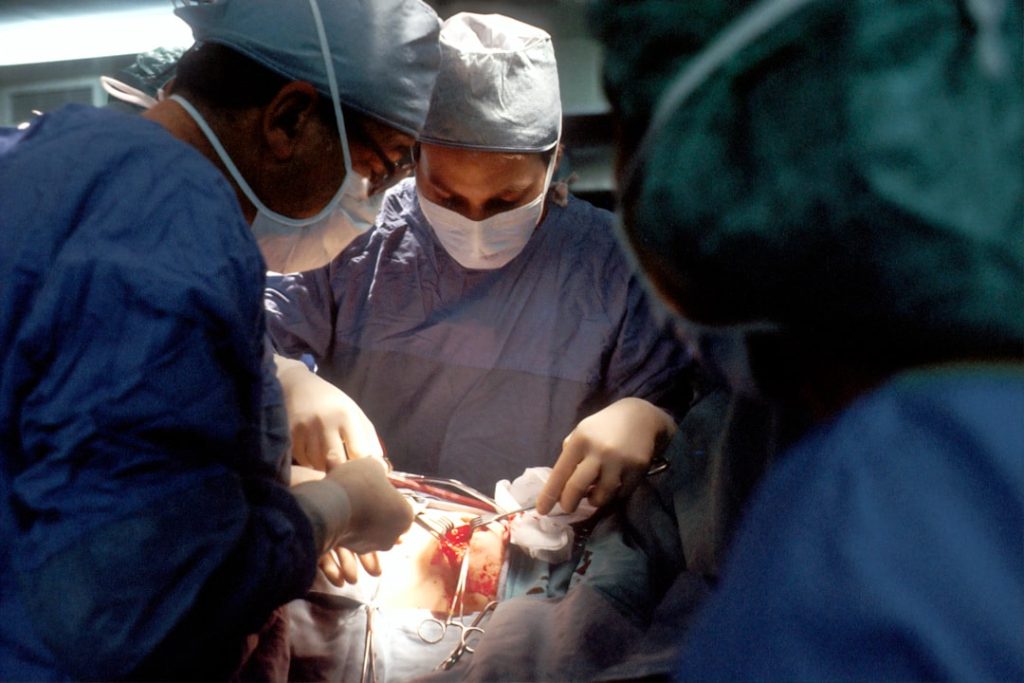
Laparoscopic cholecystectomy is the most common surgical procedure performed for gallbladder stone removal. This minimally invasive technique involves making several small incisions in the abdomen through which a camera and specialized instruments are inserted. The surgeon then removes the gallbladder while minimizing damage to surrounding tissues. One of the primary advantages of laparoscopic surgery is that it typically results in less postoperative pain and a quicker recovery compared to traditional open surgery.
During the procedure, carbon dioxide gas is used to inflate the abdomen, providing better visibility for the surgeon. Once the gallbladder is removed, the incisions are closed with sutures or adhesive strips. Most patients are able to return home on the same day or after a short hospital stay. While laparoscopic cholecystectomy is generally safe and effective, it is essential to discuss any concerns with your surgeon beforehand.
Risks and Complications of Gallbladder Stone Surgery
For reliable advice, you can get best medical expert consultation online.
As with any surgical procedure, laparoscopic cholecystectomy carries certain risks and potential complications. While serious complications are rare, they can include bleeding, infection, or injury to surrounding organs such as the bile duct or intestines. In some cases, conversion to open surgery may be necessary if complications arise during the laparoscopic procedure.
Postoperative complications may also occur, such as bile leaks or retained stones in the bile duct. These issues can lead to further medical interventions or additional surgeries. It is crucial to follow your surgeon’s preoperative and postoperative instructions carefully to minimize these risks and ensure a smooth recovery process.
Recovery and Post-Operative Care: What to Expect After Surgery
After undergoing laparoscopic cholecystectomy, you can expect a relatively quick recovery period compared to open surgery. Most patients experience mild discomfort at the incision sites but can manage this with prescribed pain medication or over-the-counter options. You may be advised to take it easy for a few days following surgery but should be able to resume light activities within a week.
Dietary adjustments may also be necessary during your recovery phase. Initially, you might be encouraged to stick to a bland diet before gradually reintroducing regular foods. Some individuals may experience digestive changes after gallbladder removal, such as diarrhea or bloating; however, these symptoms often improve over time as your body adjusts to functioning without a gallbladder.
Treatment Outcomes: Success Rates and Long-Term Prognosis
The success rates for laparoscopic cholecystectomy are generally high, with most patients experiencing significant relief from symptoms following surgery. Studies indicate that over 90% of individuals report improvement in their quality of life after gallbladder removal. Long-term prognosis is favorable for most patients; however, some may continue to experience digestive issues post-surgery.
It is essential to maintain regular follow-up appointments with your healthcare provider after surgery to monitor your recovery and address any ongoing concerns. By adhering to a healthy lifestyle and dietary practices post-surgery, you can further enhance your long-term outcomes and reduce the risk of developing new gallstones.
Managing Recurrent Gallbladder Stones: Prevention and Follow-Up Care
For individuals who have experienced recurrent gallstones or have undergone surgery but still face digestive issues, ongoing management is crucial. Preventive measures include maintaining a healthy weight through balanced nutrition and regular exercise. Staying hydrated and consuming adequate fiber can also support digestive health.
Follow-up care with your healthcare provider is essential for monitoring any potential recurrence of gallstones or addressing lingering symptoms after surgery. Your doctor may recommend periodic imaging studies or blood tests to ensure that your digestive system is functioning optimally.
Alternative Therapies for Gallbladder Stones: Natural Remedies and Supplements
While conventional medical treatments are often effective for managing gallstones, some individuals explore alternative therapies as complementary options. Natural remedies such as apple cider vinegar or dandelion root are believed by some to promote gallbladder health; however, scientific evidence supporting these claims is limited.
Before trying any alternative therapies or supplements, it’s essential to consult with your healthcare provider to ensure they are safe and appropriate for your specific situation. Integrating these remedies with conventional treatments should be done cautiously and under professional guidance.
Research and Future Directions in Gallbladder Stone Treatment
Ongoing research into gallbladder stones aims to improve treatment options and outcomes for patients. Advances in minimally invasive surgical techniques continue to enhance recovery times and reduce complications associated with traditional surgeries. Additionally, studies exploring new medications for dissolving gallstones are underway, potentially offering non-surgical alternatives for those who cannot undergo surgery.
Future directions in research may also focus on understanding the genetic factors contributing to gallstone formation and identifying biomarkers that could predict individual risk levels more accurately. As our understanding of gallbladder stones evolves, so too will treatment strategies aimed at improving patient care and outcomes in this area of medicine.
In conclusion, understanding gallbladder stones—from their causes and symptoms to treatment options—empowers you to make informed decisions about your health. Whether considering surgical intervention or exploring non-surgical alternatives, staying informed about your options will help you navigate this common yet complex condition effectively.
FAQs
What are gallbladder stones and how are they diagnosed?
Gallbladder stones, also known as gallstones, are hardened deposits of digestive fluid that form in the gallbladder. They are typically diagnosed through imaging studies such as abdominal ultrasound, which is the most common and non-invasive method. Additional tests like CT scans, MRI, or hepatobiliary iminodiacetic acid (HIDA) scans may be used in certain cases to assess gallbladder function or complications.
When is surgery recommended for gallbladder stones?
Surgery, usually in the form of laparoscopic cholecystectomy (removal of the gallbladder), is recommended when gallstones cause symptoms such as pain (biliary colic), inflammation (cholecystitis), infection, or complications like pancreatitis or bile duct obstruction. Asymptomatic gallstones generally do not require surgery unless there is a high risk of complications.
What are the common treatment options for gallbladder stones?
The primary treatment for symptomatic gallbladder stones is surgical removal of the gallbladder. Non-surgical options include oral bile acid pills to dissolve cholesterol stones, though this is less common and only effective for certain types of stones. In some cases, endoscopic procedures may be used to remove stones from the bile duct.
What are the expected outcomes after gallbladder stone surgery?
Most patients experience relief from symptoms after gallbladder removal surgery, with a low risk of complications. Recovery from laparoscopic surgery is typically quick, with most people returning to normal activities within a week. Long-term outcomes are generally excellent, though some patients may experience digestive changes post-surgery.
Are there any risks or complications associated with gallbladder stone treatment?
Yes, risks of gallbladder surgery include infection, bleeding, injury to nearby structures such as the bile duct, and anesthesia-related complications. Non-surgical treatments may have limited effectiveness and potential side effects. It is important to discuss individual risks and benefits with a healthcare provider before deciding on treatment.
Related Articles

How to Manage Gallstone Symptoms Through Diet While Awaiting Surgery: A Surgeon’s Practical Guide
How to Manage Gallstone Symptoms Through Diet While Awaiting Surgery: A Surgeon’s Practical Guide পিত্তথলিতে পাথর হলে কি খেতে হবে—এই […]
Read More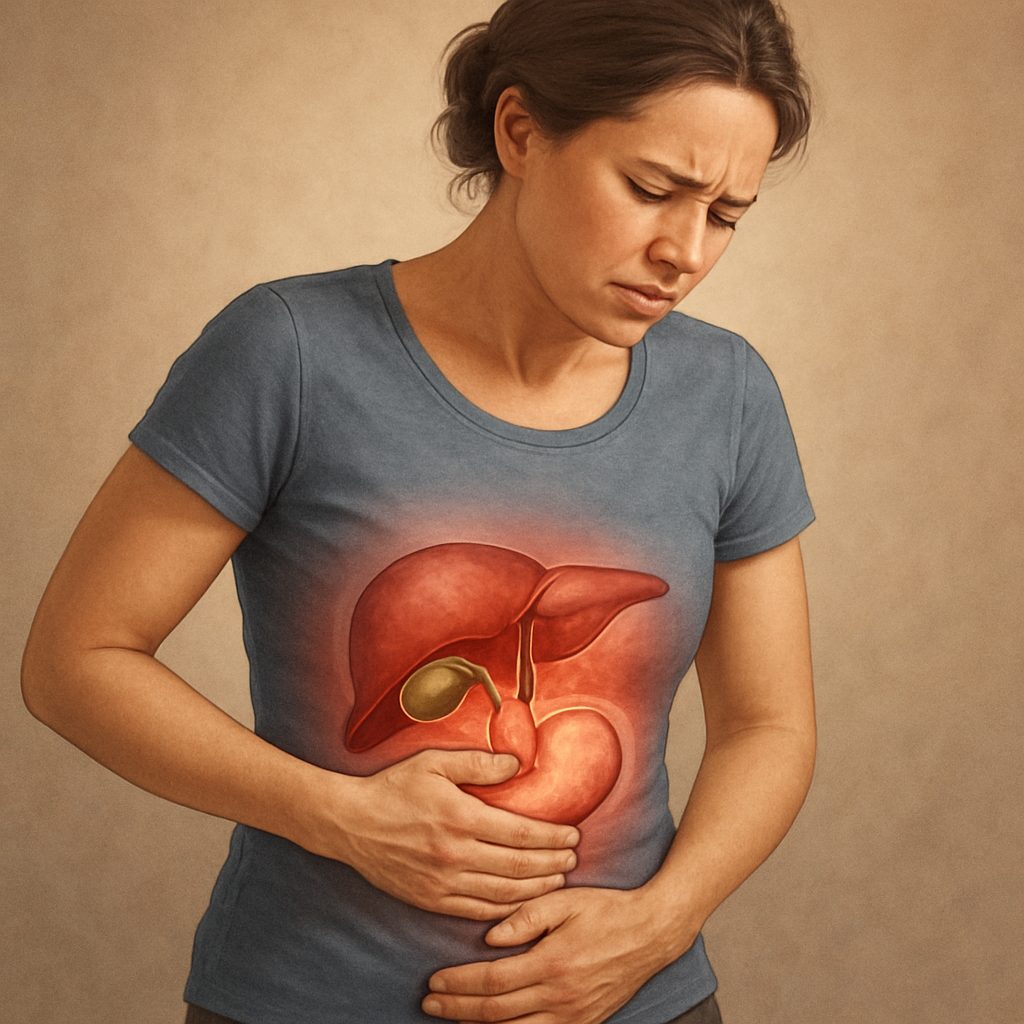
Life After Gallbladder Removal: Common Problems, What’s Normal, and When to Call Your Surgeon
Life After Gallbladder Removal: Common Problems, What’s Normal, and When to Call Your Surgeon গলব্লাডার অপারেশনের পর সমস্যা সাধারণ, বিশেষ […]
Read More
7 Questions Every Patient Should Ask Before Choosing a Liver or HPB Surgeon in Bangladesh
7 Questions Every Patient Should Ask Before Choosing a Liver or HPB Surgeon in Bangladesh Choosing the right liver or […]
Read More