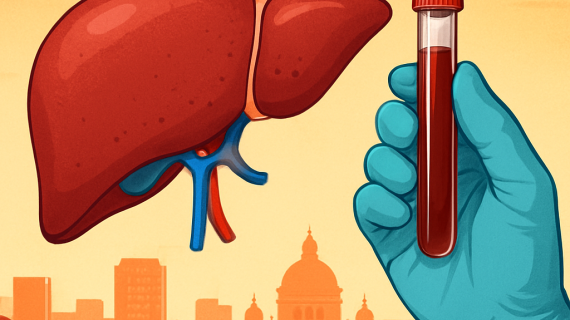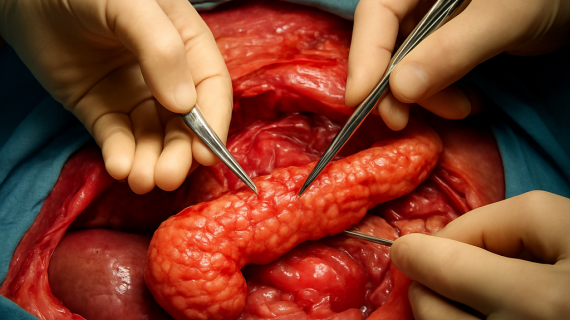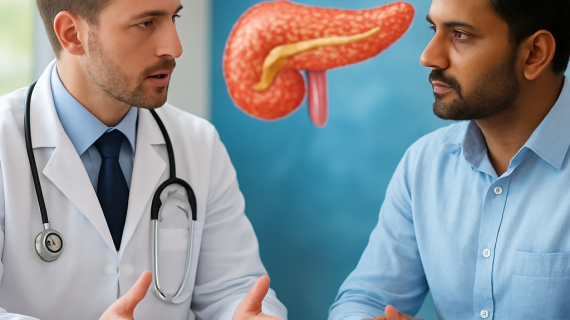

Gall bladder stones, also known as cholelithiasis, are solid particles that form in the gall bladder, a small organ located beneath the liver. The gall bladder plays a crucial role in digestion by storing bile, a fluid produced by the liver that helps break down fats. When the balance of substances that make up bile is disrupted, it can lead to the formation of these stones. I find it fascinating how something so small can cause such significant discomfort and health issues. The stones can vary in size, from tiny grains to larger, golf ball-sized formations, and they can be composed of cholesterol, bilirubin, or a mixture of both.
The prevalence of gall bladder stones is quite high, with millions of people affected worldwide. Factors such as diet, obesity, age, and genetics can influence the likelihood of developing these stones. I often wonder how lifestyle choices can impact our health in such profound ways. Understanding gall bladder stones is essential not only for those who experience symptoms but also for anyone interested in maintaining their overall health. By recognizing the signs and symptoms associated with gall bladder stones, I can take proactive steps to seek medical advice and potentially prevent complications.
If you’re looking to understand more about gallbladder health and the symptoms associated with gallstones, you might find the article “Gall Bladder Stone Symptoms Explained With What They Feel Like, When to Worry, and What Tests Confirm Them” particularly informative. Additionally, for insights on how to create engaging content that captures readers’ attention, check out this related article on the art of drawing readers in with attractive post titles at The Art of Drawing Readers In.
Common Gall Bladder Stone Symptoms
The symptoms of gall bladder stones can vary widely among individuals, and some people may not experience any symptoms at all. However, when symptoms do occur, they can be quite distressing. One of the most common symptoms I have encountered is abdominal pain, particularly in the upper right quadrant. This pain can be sharp and sudden, often referred to as a gallbladder attack. It may last for several minutes to hours and can be accompanied by nausea or vomiting. I have learned that this pain often occurs after consuming a fatty meal, as the gall bladder is stimulated to release bile.
In addition to abdominal pain, other symptoms may include bloating, indigestion, and gas. I have noticed that these symptoms can sometimes be mistaken for other gastrointestinal issues, which can lead to confusion. Some individuals may also experience jaundice, a yellowing of the skin and eyes, if a stone blocks the bile duct. This symptom is particularly concerning and warrants immediate medical attention. Recognizing these common symptoms is crucial for anyone who suspects they may have gall bladder stones.
What Gall Bladder Stones Feel Like

Experiencing gall bladder stones can be an uncomfortable ordeal. The sensation of pain during a gallbladder attack is often described as intense and cramp-like. I remember reading accounts from others who have experienced this pain, and they often liken it to being stabbed or having a heavy weight pressing down on their abdomen. This discomfort can radiate to the back or shoulder blade area, making it even more challenging to pinpoint the source of the pain.
In addition to the physical sensations, there is an emotional toll that comes with dealing with gall bladder stones. The unpredictability of when an attack might occur can lead to anxiety and stress. I have found that understanding what gall bladder stones feel like helps me prepare mentally for potential episodes. It’s essential to listen to my body and recognize when something feels off, as early intervention can make a significant difference in managing symptoms.
When to Worry About Gall Bladder Stone Symptoms

While not all gall bladder stone symptoms require immediate medical attention, there are specific signs that should prompt me to seek help right away. If I experience severe abdominal pain that does not subside or worsens over time, it’s crucial to consult a healthcare professional. Additionally, if I notice any signs of infection, such as fever or chills accompanying my symptoms, it’s essential to act quickly. These could indicate complications like cholecystitis or pancreatitis, which require prompt treatment.
Another concerning symptom is persistent jaundice. If my skin or eyes begin to take on a yellowish hue, it’s a clear signal that something is wrong with my bile flow. This could mean that a stone is blocking the bile duct, leading to serious complications if left untreated. I have learned that being proactive about my health is vital; recognizing when to worry about gall bladder stone symptoms can prevent more severe issues down the line.
If you’re looking for more information on health-related topics, you might find it helpful to explore an article that discusses how to create engaging headlines for your content. This can be particularly useful when trying to attract readers to important health issues like gallbladder stone symptoms. Understanding how to effectively communicate such topics can enhance awareness and provide valuable insights. You can check out the article on crafting captivating headlines here.
Understanding Severe Gall Bladder Stone Symptoms
| Symptom | Description | What It Feels Like | When to Worry | Confirmatory Tests |
|---|---|---|---|---|
| Abdominal Pain | Sharp or cramping pain in the upper right abdomen | Sudden, intense pain that may radiate to the back or right shoulder | If pain lasts more than a few hours or is accompanied by fever or jaundice | Ultrasound, CT scan |
| Nausea and Vomiting | Feeling sick and vomiting, often after eating fatty foods | Queasy sensation with occasional vomiting episodes | If persistent or accompanied by severe abdominal pain | Blood tests, Ultrasound |
| Jaundice | Yellowing of the skin and eyes due to bile duct obstruction | Skin and eyes appear yellowish | Immediate medical attention needed | Blood tests (bilirubin), MRCP, Ultrasound |
| Fever and Chills | Signs of infection or inflammation of the gallbladder | Elevated temperature with shivering | If fever is high or persistent | Blood tests (CBC), Ultrasound |
| Indigestion and Bloating | Discomfort after meals, especially fatty foods | Feeling full, bloated, or gassy | If symptoms are recurrent and worsening | Ultrasound, HIDA scan |
Severe gall bladder stone symptoms can manifest in various ways and often indicate that immediate medical intervention is necessary. One of the most alarming symptoms is intense abdominal pain that radiates to other areas of the body, such as the back or right shoulder blade. This type of pain can be debilitating and may be accompanied by nausea and vomiting. I have come across stories of individuals who have experienced such severe pain that they were unable to find relief through over-the-counter medications.
In addition to pain, other severe symptoms may include persistent fever and chills, which could indicate an infection or inflammation of the gall bladder itself. If I experience these symptoms alongside jaundice or dark urine, it’s crucial for me to seek medical attention without delay. Understanding these severe symptoms helps me recognize when my condition may be worsening and emphasizes the importance of timely medical care.
Interestingly, research suggests that there are differences in how men and women experience gall bladder stone symptoms. Women are generally more prone to developing gallstones due to hormonal factors, particularly during pregnancy or when using hormone replacement therapy. I find it intriguing how biology can influence health conditions differently across genders. Women may experience more frequent episodes of pain and discomfort related to gallstones compared to men.
Moreover, studies indicate that men may present with more severe symptoms when they do develop gallstones. This could be due to differences in pain tolerance or how each gender perceives and reports their symptoms. I have observed that understanding these differences can help tailor treatment approaches and improve communication between patients and healthcare providers. It’s essential for both men and women to be aware of their unique risk factors and symptom presentations when it comes to gall bladder stones.
If you’re looking for more information on gallbladder health, you might find the article on gallbladder disease particularly insightful. It delves into various aspects of gallbladder issues, including symptoms, potential complications, and treatment options. Understanding these factors can help you recognize when to seek medical advice and what diagnostic tests may be necessary for confirmation.
What Tests Confirm Gall Bladder Stones
For reliable health advice, Get best medical expert consultation today.
When it comes to diagnosing gall bladder stones, several tests are available that can provide clarity on my condition. The most common initial test is an abdominal ultrasound, which uses sound waves to create images of the gall bladder and surrounding structures. I find this non-invasive method reassuring as it allows doctors to visualize any stones present without exposing me to radiation.
In some cases, additional tests may be necessary for a more comprehensive evaluation. A CT scan or MRI can provide detailed images of the abdomen and help identify complications associated with gallstones. Additionally, blood tests may be conducted to check for signs of infection or inflammation in the body. Understanding these diagnostic tools gives me confidence in seeking medical advice when I suspect I might have gall bladder stones.
How to Differentiate Gall Bladder Stone Symptoms from Other Conditions
Differentiating gall bladder stone symptoms from other gastrointestinal issues can be challenging at times. Many conditions share similar symptoms, such as gastritis, peptic ulcers, or even pancreatitis. I have learned that paying close attention to the specific characteristics of my pain can help me distinguish between these conditions. For instance, gall bladder pain often occurs after eating fatty meals and tends to be more localized in the upper right abdomen.
Another key factor is the duration and intensity of the symptoms. While indigestion or gas may cause temporary discomfort, gall bladder stone pain tends to be more severe and persistent during an attack. If I notice that my symptoms are accompanied by jaundice or fever, it’s essential for me to seek medical attention promptly as these could indicate complications related to gallstones rather than just typical digestive issues.
Seeking Medical Attention for Gall Bladder Stone Symptoms
Recognizing when to seek medical attention for gall bladder stone symptoms is crucial for effective management and treatment. If I experience sudden and severe abdominal pain that lasts longer than a few hours or if it worsens over time, it’s time for me to consult a healthcare professional. Additionally, if I notice any signs of infection—such as fever, chills, or jaundice—I should not hesitate to seek help.
I have come to understand that early intervention can prevent complications associated with gallstones, such as inflammation or infection of the gall bladder itself. It’s essential for me to advocate for my health by communicating openly with my healthcare provider about my symptoms and concerns. By doing so, I can ensure that I receive appropriate care tailored to my specific needs.
Treatment Options for Gall Bladder Stones
When it comes to treating gall bladder stones, several options are available depending on the severity of my condition and whether I am experiencing symptoms. For asymptomatic individuals with small stones, a watchful waiting approach may be recommended; this means monitoring the condition without immediate intervention unless symptoms develop.
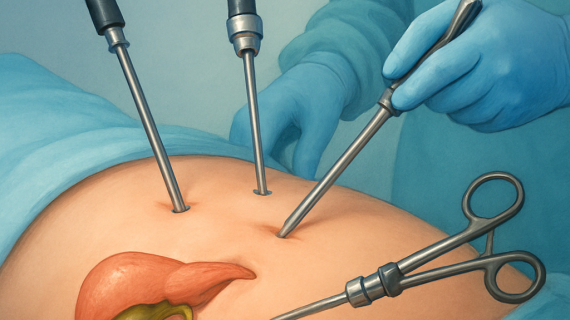
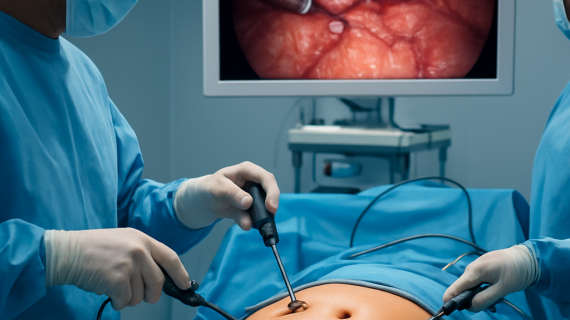
However, if I am experiencing significant discomfort or complications arise, surgical intervention may be necessary. The most common procedure is laparoscopic cholecystectomy, where the gall bladder is removed through small incisions in the abdomen using minimally invasive techniques. This approach typically results in shorter recovery times compared to traditional open surgery. In some cases where surgery is not an option due to other health concerns, non-surgical treatments such as medication or lithotripsy may be considered.
Prevention of Gall Bladder Stones
Preventing gall bladder stones involves making lifestyle changes that promote overall digestive health. One of the most effective strategies I have learned is maintaining a balanced diet rich in fiber while limiting saturated fats and cholesterol intake. Incorporating plenty of fruits, vegetables, whole grains, and healthy fats into my meals can significantly reduce my risk of developing stones.
Additionally, staying physically active plays a vital role in prevention as regular exercise helps maintain a healthy weight and supports proper digestion. I have found that being mindful of portion sizes and avoiding rapid weight loss also contributes positively to my gall bladder health. By adopting these preventive measures into my daily routine, I feel empowered to take control of my health and reduce my risk of developing gall bladder stones in the future.
In conclusion, understanding gall bladder stones—from their formation and symptoms to treatment options—has been an enlightening journey for me. By being aware of what signs to look for and when to seek medical attention, I can better navigate this potential health issue while taking proactive steps toward prevention.
FAQs
What are the common symptoms of gall bladder stones?
Common symptoms of gall bladder stones include sudden and intense pain in the upper right abdomen, pain that may radiate to the back or right shoulder, nausea, vomiting, indigestion, and bloating. The pain often occurs after eating fatty meals.
How can I tell if my gall bladder stone symptoms are serious?
You should seek medical attention if you experience severe or persistent abdominal pain, fever, jaundice (yellowing of the skin or eyes), or vomiting that does not stop. These signs may indicate complications such as infection or blockage.
What tests are used to confirm the presence of gall bladder stones?
Ultrasound is the most common and effective test to detect gall bladder stones. Other tests may include blood tests to check for infection or inflammation, CT scans, or HIDA scans to assess gall bladder function.
Can gall bladder stones cause symptoms without pain?
Yes, some people with gall bladder stones may be asymptomatic and not experience any pain or discomfort. These stones are often found incidentally during imaging tests for other conditions.
When should I consult a doctor about gall bladder stone symptoms?
You should consult a doctor if you experience recurrent abdominal pain, especially after meals, or if you have any symptoms such as nausea, vomiting, fever, or jaundice. Early diagnosis and treatment can prevent complications.