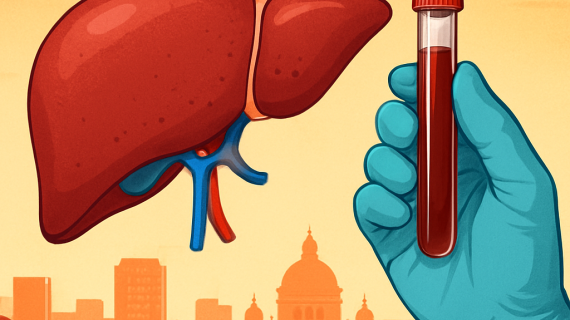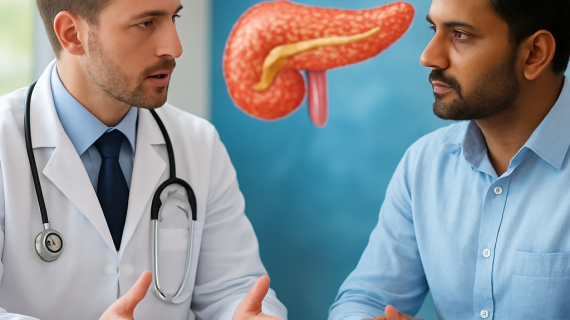

Gallbladder stones, or gallstones, are hardened deposits that form in the gallbladder, a small organ located beneath the liver. I have learned that these stones can vary in size, from tiny grains to large stones that can block the bile ducts. The formation of gallstones is often linked to an imbalance in the substances that make up bile, which can lead to a variety of symptoms, including abdominal pain, nausea, and digestive issues. In some cases, gallstones may not cause any symptoms at all, a condition known as “silent” gallstones. However, when symptoms do occur, they can significantly impact one’s quality of life.
When it comes to treatment options for gallbladder stones, I have discovered that there are both non-surgical and surgical approaches available. Non-surgical methods include medications that can dissolve the stones over time, although this process can take months or even years and is not always effective. On the other hand, surgical options such as laparoscopic cholecystectomy are commonly recommended for symptomatic gallstones. This procedure involves the removal of the gallbladder and is often performed using minimally invasive techniques. Understanding these options is crucial for anyone facing the possibility of gallbladder stone removal.
For those considering gallbladder stone removal, it’s essential to understand the various options available, including ERCP and surgical procedures. A related article that provides valuable insights into creating engaging content for health-related topics can be found at Crafting Captivating Headlines. This resource can help you effectively communicate important information about safety steps and recovery expectations associated with gallbladder stone removal.
ERCP: A Non-Surgical Approach to Gallbladder Stone Removal
Endoscopic retrograde cholangiopancreatography (ERCP) is a non-surgical procedure that I have found to be particularly interesting in the context of gallbladder stone removal. This technique combines endoscopy and fluoroscopy to diagnose and treat conditions related to the bile ducts and pancreas. During an ERCP, a flexible tube with a camera is inserted through the mouth and into the duodenum, allowing doctors to visualize the bile ducts. If stones are detected, they can be removed using specialized tools during the same procedure.
One of the key advantages of ERCP that I appreciate is its minimally invasive nature. Unlike traditional surgery, ERCP does not require large incisions, which means a shorter recovery time and less postoperative pain for patients. Additionally, ERCP can be performed on an outpatient basis, allowing me to return home on the same day. However, it is important to note that while ERCP can effectively remove stones from the bile duct, it may not be suitable for all patients, especially those with certain anatomical variations or complications.
Surgery: Traditional Method for Gallbladder Stone Removal

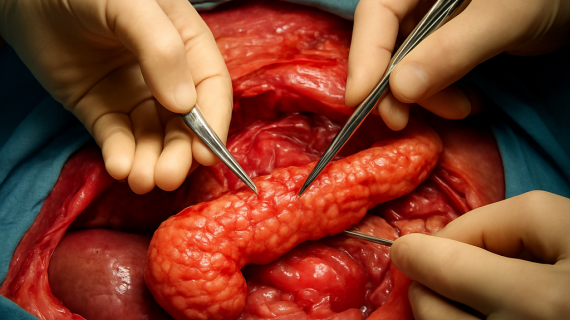
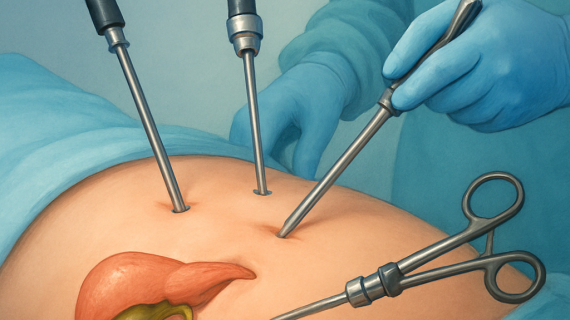
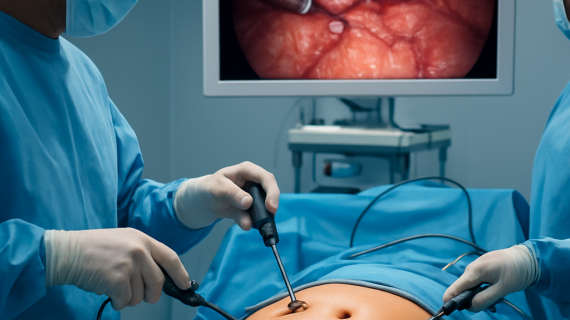
Surgery remains a traditional and widely accepted method for removing gallstones, particularly when they cause significant symptoms or complications. The most common surgical procedure for this purpose is laparoscopic cholecystectomy, which involves removing the gallbladder through small incisions in the abdomen. I have learned that this method is favored due to its minimally invasive approach, which typically results in less pain and quicker recovery compared to open surgery.
During laparoscopic cholecystectomy, I understand that surgeons use a camera and specialized instruments to carefully detach the gallbladder from surrounding tissues before removing it. This procedure usually takes about one to two hours and is performed under general anesthesia. While surgery may seem daunting, I have come to appreciate its effectiveness in preventing future episodes of pain and complications associated with gallstones. However, like any surgical procedure, it carries risks that must be weighed against its benefits.
Comparing the Safety of ERCP and Surgery for Gallbladder Stone Removal
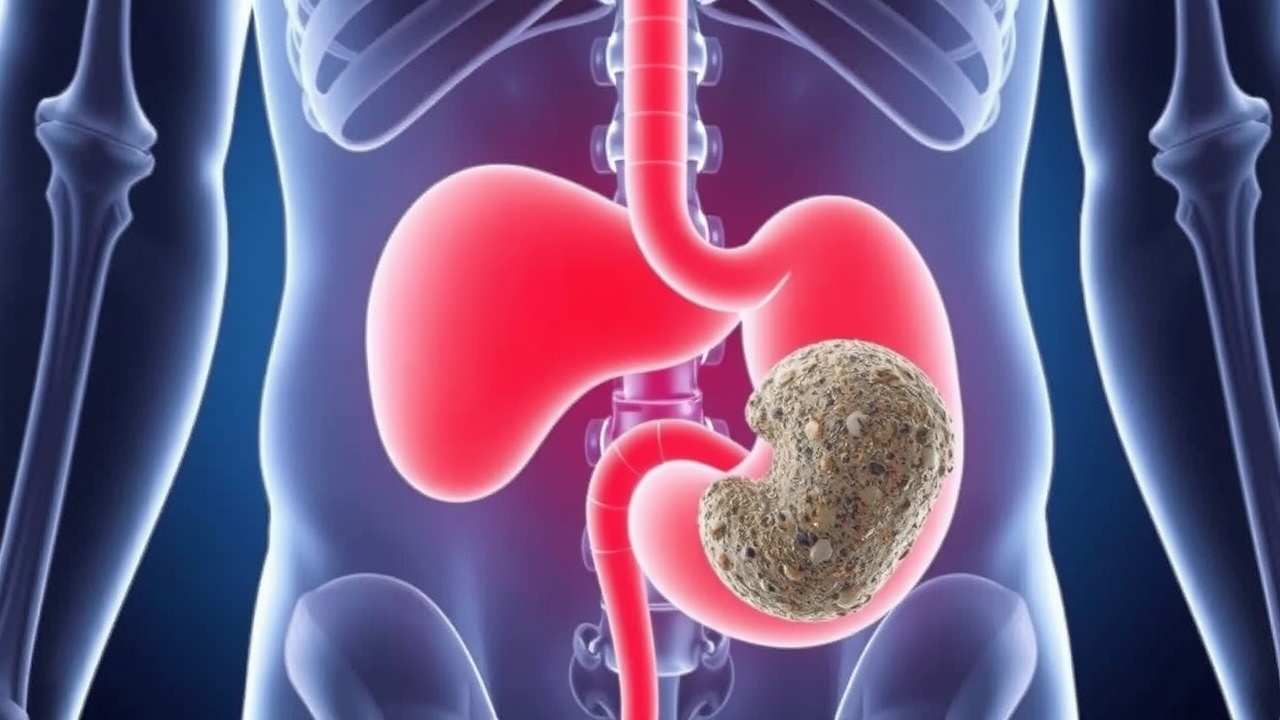
When considering the safety of ERCP versus surgery for gallbladder stone removal, I find it essential to evaluate both procedures’ risks and benefits. ERCP is generally considered safe, with a low incidence of complications such as pancreatitis or infections. However, I have learned that there are still risks involved, particularly if the procedure is performed on patients with complex anatomy or severe inflammation.
On the other hand, while laparoscopic cholecystectomy is also regarded as a safe option, it does carry inherent surgical risks such as bleeding, infection, and injury to surrounding organs. I appreciate that both procedures have their place in treating gallstones; however, the choice between them often depends on individual patient factors such as overall health, the severity of symptoms, and the presence of any complications. Consulting with a healthcare provider can help me make an informed decision based on my specific circumstances.
For those seeking comprehensive information on gallbladder stone removal options, a related article that delves into the nuances of ERCP versus surgical methods can be found at this link. It provides valuable insights into the safety steps involved in both procedures and outlines what patients can expect during their recovery. Understanding these aspects can greatly assist individuals in making informed decisions about their treatment options.
Preparing for Gallbladder Stone Removal: Safety Steps to Take
| Aspect | ERCP (Endoscopic Retrograde Cholangiopancreatography) | Surgery (Cholecystectomy) |
|---|---|---|
| Purpose | Removal of bile duct stones and relief of bile duct obstruction | Removal of gallbladder and gallstones |
| Procedure Type | Minimally invasive endoscopic procedure | Laparoscopic or open surgical procedure |
| Duration | 30-90 minutes | 1-2 hours (laparoscopic), longer for open surgery |
| Anesthesia | Conscious sedation or general anesthesia | General anesthesia |
| Hospital Stay | Usually outpatient or 1 day | 1-2 days (laparoscopic), longer for open surgery |
| Recovery Time | 1-3 days | 1-2 weeks (laparoscopic), 4-6 weeks (open surgery) |
| Common Risks | Pancreatitis, infection, bleeding, perforation | Infection, bleeding, bile duct injury, anesthesia risks |
| Safety Steps |
|
|
| Recovery Expectations |
|
|
| Effectiveness | High for bile duct stone clearance | Definitive treatment for gallstones and gallbladder disease |
Preparation for gallbladder stone removal is a crucial step that I must not overlook. Whether I am opting for ERCP or surgery, there are several safety measures I should take to ensure a smooth process. First and foremost, I need to have a thorough discussion with my healthcare provider about my medical history and any medications I am currently taking. This information will help them assess my suitability for either procedure and make necessary adjustments.
Additionally, I have learned that fasting is typically required before both ERCP and surgery. This means I will need to refrain from eating or drinking for a specified period before the procedure. It’s also important for me to arrange for someone to drive me home afterward since anesthesia may impair my ability to operate a vehicle safely. Taking these preparatory steps seriously can significantly enhance my overall experience and reduce potential complications.
For those considering gallbladder stone removal, understanding the differences between ERCP and surgical options is crucial for making an informed decision. A related article that delves into the nuances of effective communication in health-related topics can be found at The Art of Drawing Readers In. This resource offers insights that can enhance your understanding of how to present medical information clearly, which is essential when discussing safety steps and recovery expectations after gallbladder procedures.
Recovery Expectations After ERCP for Gallbladder Stone Removal
For reliable health advice, Get best medical expert consultation today.
After undergoing ERCP for gallbladder stone removal, I can expect a relatively quick recovery period compared to traditional surgery. Most patients are able to return home within a few hours after the procedure, provided there are no complications. I have learned that mild discomfort or bloating may occur due to air introduced during the procedure; however, this usually resolves within a day or two.
In terms of activity levels post-ERCP, I should be able to resume normal activities within a day or two. However, it’s wise for me to avoid strenuous activities or heavy lifting for at least a week to allow my body to heal properly. Monitoring for any unusual symptoms such as severe abdominal pain or fever is also essential during my recovery period; if these occur, I should contact my healthcare provider immediately.
Recovery Expectations After Surgery for Gallbladder Stone Removal
Recovery after laparoscopic cholecystectomy tends to be more involved than after ERCP, but I find comfort in knowing that most patients experience significant improvement within a week or two. Initially, I may experience some pain at the incision sites and general fatigue as my body begins to heal from surgery. Pain management will likely involve over-the-counter medications or prescriptions from my doctor.
I have learned that while many people return to light activities within a week after surgery, full recovery may take several weeks. It’s important for me to listen to my body during this time and gradually increase my activity level as tolerated. Following my surgeon’s post-operative instructions regarding diet and activity restrictions will be crucial in ensuring a smooth recovery process.
Potential Complications and Risks of Gallbladder Stone Removal Procedures
Both ERCP and surgical options for gallbladder stone removal come with potential complications that I must consider before proceeding with treatment. For ERCP, risks include pancreatitis, infections, bleeding, and perforation of the bile duct or intestine. While these complications are relatively rare, they can lead to significant health issues if they occur.
In contrast, laparoscopic cholecystectomy carries its own set of risks such as bleeding, infection at the incision sites, and injury to surrounding organs like the bile duct or intestines. Although these complications are uncommon due to advancements in surgical techniques and technology, they remain important considerations in my decision-making process. Understanding these risks allows me to weigh them against the benefits of each procedure more effectively.
Long-Term Effects and Considerations After Gallbladder Stone Removal
After gallbladder stone removal—whether through ERCP or surgery—I have learned that there may be long-term effects on digestion and overall health. The gallbladder plays a role in storing bile produced by the liver; without it, bile flows directly into the intestines continuously rather than being released in response to meals. This change can lead to digestive issues such as diarrhea or bloating in some individuals.
I appreciate that while many people adapt well after gallbladder removal and experience relief from previous symptoms associated with gallstones, others may need to make dietary adjustments to manage their digestive health effectively. Consulting with a nutritionist can provide valuable guidance on how best to navigate these changes.
Lifestyle Changes and Dietary Recommendations After Gallbladder Stone Removal
Adopting lifestyle changes after gallbladder stone removal is something I find essential for maintaining optimal health moving forward. One of the most significant adjustments involves dietary modifications aimed at minimizing digestive discomfort. I have learned that incorporating a balanced diet rich in fruits, vegetables, whole grains, and lean proteins can support my digestive system post-surgery.
Additionally, it’s advisable for me to limit high-fat foods since they can trigger digestive issues without a gallbladder’s regulatory function. Gradually reintroducing foods into my diet while monitoring how my body responds will help me identify any specific triggers that may cause discomfort. Staying hydrated and engaging in regular physical activity are also important components of my post-removal lifestyle.
Making an Informed Decision: Choosing the Best Approach for Gallbladder Stone Removal
Ultimately, making an informed decision about how to approach gallbladder stone removal requires careful consideration of various factors including personal health history, severity of symptoms, and potential risks associated with each procedure. I find it beneficial to engage in open discussions with my healthcare provider about my options—whether it be ERCP or surgery—so that I can weigh their recommendations against my preferences and concerns.
I appreciate that there is no one-size-fits-all solution when it comes to treating gallstones; what works best for me may differ from someone else’s experience. By taking the time to educate myself about each option’s benefits and risks while considering my unique circumstances, I can make a choice that aligns with my health goals and lifestyle preferences moving forward.
FAQs
What is ERCP and how is it used for gallbladder stone removal?
Endoscopic Retrograde Cholangiopancreatography (ERCP) is a minimally invasive procedure that combines endoscopy and fluoroscopy to diagnose and treat stones in the bile ducts. During ERCP, a flexible tube with a camera is inserted through the mouth to the bile ducts, allowing the doctor to locate and remove stones without the need for open surgery.
When is surgery preferred over ERCP for gallbladder stone removal?
Surgery, typically a laparoscopic cholecystectomy, is preferred when gallstones are located within the gallbladder itself rather than the bile ducts, or if there are complications such as gallbladder inflammation or infection. Surgery is also chosen if ERCP is unsuccessful or not suitable for the patient’s condition.
What safety steps are taken during ERCP and gallbladder surgery?
For ERCP, safety measures include careful patient evaluation, use of sedation or anesthesia, sterile techniques, and real-time imaging to minimize risks like pancreatitis or infection. In gallbladder surgery, sterile operating environments, anesthesia monitoring, and precise surgical techniques help reduce complications such as bleeding or bile duct injury.
What can patients expect during recovery after ERCP compared to surgery?
Recovery from ERCP is generally quicker, often allowing patients to go home the same day or after a short observation period, with mild discomfort and dietary restrictions. Recovery from gallbladder surgery usually takes longer, with several days to weeks of rest, gradual return to normal activities, and possible post-operative pain management.
Are there any risks or complications associated with ERCP and gallbladder surgery?
Yes, ERCP carries risks such as pancreatitis, infections, bleeding, or perforation of the bile ducts. Gallbladder surgery risks include infection, bleeding, injury to surrounding organs, and anesthesia-related complications. Both procedures require careful patient selection and monitoring to minimize these risks.