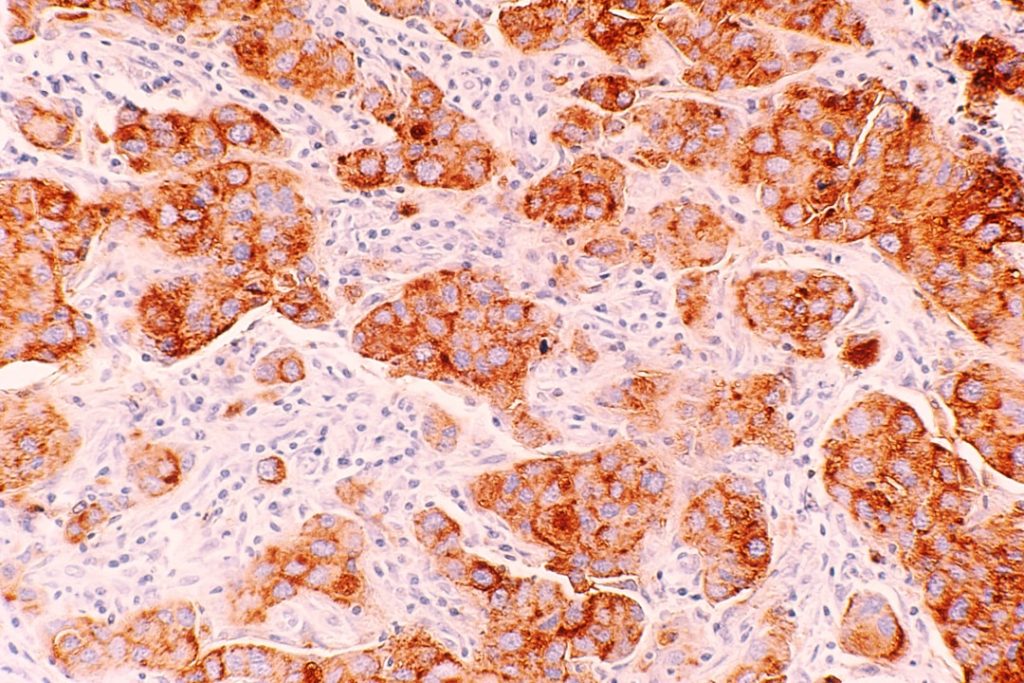

Hepatocellular carcinoma (HCC) represents a significant public health challenge in Dhaka and is among the most prevalent forms of liver cancer globally. The increasing prevalence of HCC in Bangladesh is primarily driven by chronic hepatitis B and C infections, cirrhosis, and certain lifestyle factors. For patients and caregivers, knowledge of HCC treatment options available in Dhaka is essential for effective disease management.
The city contains multiple specialized healthcare institutions that provide comprehensive liver cancer treatment services with approaches customized to individual patient requirements. Recent developments in medical technology and therapeutic protocols have enhanced treatment outcomes for HCC patients. However, the disease’s complexity demands an integrated treatment strategy encompassing early diagnosis, specialist evaluation, and access to advanced therapeutic options.
When seeking treatment, patients should prioritize obtaining information about available resources and accessing specialized medical care in Dhaka.
Key Takeaways
- Early detection and accurate diagnosis are crucial for effective hepatocellular carcinoma (HCC) treatment in Dhaka.
- Finding experienced liver cancer surgeons and tumor experts ensures personalized and advanced care for HCC patients.
- Dhaka offers access to the latest treatment options and advanced medical technology for liver cancer management.
- A multidisciplinary team approach enhances treatment outcomes by combining expertise from various specialists.
- Ongoing research and innovations are shaping the future of HCC treatment, improving patient prognosis and rehabilitation.
Finding the Right Liver Cancer Expert in Dhaka
When faced with a diagnosis of HCC, finding the right liver cancer expert is paramount. You want a specialist who not only possesses extensive knowledge and experience in treating liver cancer but also understands your unique situation. In Dhaka, there are numerous oncologists and hepatologists who focus on liver diseases, but it’s essential to do your research.
Look for professionals affiliated with reputable hospitals or cancer centers known for their expertise in hepatocellular carcinoma. Consider seeking recommendations from your primary care physician or connecting with support groups where you can hear firsthand experiences from other patients. Online reviews and testimonials can also provide valuable insights into a doctor’s approach and success rates.
Remember, the right expert will not only guide you through treatment options but will also take the time to address your concerns and answer your questions, ensuring you feel supported throughout your journey.
Understanding the Role of a Liver Cancer Surgeon in HCC Treatment

A liver cancer surgeon plays a critical role in the treatment of hepatocellular carcinoma. If surgery is deemed appropriate for your condition, you will likely be referred to a surgical oncologist specializing in liver procedures. These experts are trained to perform complex surgeries such as partial hepatectomy or liver transplantation, which can be curative for eligible patients.
Understanding the surgical options available to you is essential, as they can significantly impact your prognosis. During your consultation with a liver cancer surgeon, you will discuss your specific case, including the size and location of the tumor, liver function, and overall health. The surgeon will evaluate whether surgical intervention is feasible and what type of procedure would be most beneficial.
It’s important to have an open dialogue with your surgeon about potential risks and benefits, as well as post-operative care and recovery expectations.
Importance of Early Detection and Diagnosis of Hepatocellular Carcinoma
Early detection of hepatocellular carcinoma is crucial for improving treatment outcomes. The earlier HCC is diagnosed, the more treatment options are available to you, including curative approaches like surgery or ablation therapies. Regular screening is particularly important for individuals at high risk due to chronic liver disease or cirrhosis.
If you fall into this category, discussing a screening plan with your healthcare provider can be a proactive step toward early diagnosis. In Dhaka, awareness campaigns and educational programs are increasingly emphasizing the importance of early detection. You may find that local hospitals offer screening programs that include imaging tests such as ultrasound or CT scans, along with blood tests for tumor markers like alpha-fetoprotein (AFP).
By staying informed and vigilant about your liver health, you can take charge of your well-being and potentially catch HCC at an earlier stage when treatment is most effective.
Exploring the Latest Treatment Options for Liver Cancer in Dhaka
| Metric | Details |
|---|---|
| Location | Dhaka, Bangladesh |
| Specialist | Liver Cancer Expert / Hepatologist / Oncologist |
| Common Treatment Options | Surgical Resection, Liver Transplant, Ablation Therapy, Targeted Therapy, Chemotherapy |
| Average Patient Age | 50-65 years |
| 5-Year Survival Rate | Approximately 18-20% (varies by stage and treatment) |
| Diagnostic Tools | Ultrasound, CT Scan, MRI, AFP Blood Test, Liver Biopsy |
| Hospital Facilities | Advanced Oncology Units, Liver Surgery Centers, Radiology Departments |
| Patient Support Services | Counseling, Nutritional Support, Post-Treatment Rehabilitation |
| Average Treatment Duration | 3-6 months (depending on treatment type and stage) |
| Follow-up Frequency | Every 3-6 months post-treatment |
The landscape of liver cancer treatment is continually evolving, with new therapies emerging that offer hope to patients diagnosed with HCIn Dhaka, you have access to various treatment modalities ranging from traditional approaches like surgery and chemotherapy to innovative therapies such as targeted therapy and immunotherapy. Understanding these options can empower you to make informed decisions about your care. Targeted therapies work by specifically attacking cancer cells while sparing healthy tissue, which can lead to fewer side effects compared to conventional chemotherapy.
Immunotherapy harnesses the body’s immune system to fight cancer more effectively. As you explore these options with your healthcare team, consider asking about clinical trials that may be available in Dhaka. Participating in a trial could provide access to cutting-edge treatments that are not yet widely available.
The Role of Tumor Experts in Tailoring Treatment Plans for HCC Patients

Tumor experts play an essential role in developing personalized treatment plans for patients with hepatocellular carcinoma.
As a patient, collaborating with these experts can significantly enhance your treatment experience.
This collaborative approach ensures that you are an active participant in your care plan, allowing you to voice any concerns or preferences you may have regarding treatment options. By working closely with tumor experts, you can feel more confident in the decisions made about your health.
Accessing Advanced Technology and Facilities for HCC Treatment in Dhaka
Access to advanced technology and state-of-the-art facilities is vital for effective hepatocellular carcinoma treatment. In Dhaka, several hospitals are equipped with cutting-edge imaging technologies such as MRI and CT scans that aid in accurate diagnosis and staging of liver cancer. Additionally, interventional radiology services offer minimally invasive procedures that can be crucial for patients who may not be candidates for traditional surgery.
When seeking treatment for HCC, inquire about the technological capabilities of the healthcare facilities you are considering. Advanced technologies not only improve diagnostic accuracy but also enhance treatment precision. Facilities that invest in modern equipment often provide better outcomes for patients through innovative procedures like radiofrequency ablation or transarterial chemoembolization (TACE).
Collaborative Approach to HCC Treatment: The Role of Multidisciplinary Teams
A collaborative approach to hepatocellular carcinoma treatment involves a multidisciplinary team of healthcare professionals working together to provide comprehensive care. This team typically includes oncologists, hepatologists, surgeons, radiologists, pathologists, and supportive care specialists who collectively contribute their expertise to optimize patient outcomes. As a patient, being part of this collaborative process can enhance your overall experience.
During your treatment journey, you may have opportunities to attend tumor board meetings where your case is discussed among various specialists. This collaborative effort ensures that all aspects of your care are considered, leading to a more holistic approach that addresses not only the cancer itself but also your physical and emotional well-being. Engaging with a multidisciplinary team can provide reassurance that you are receiving well-rounded care tailored specifically to your needs.
Addressing the Challenges of HCC Treatment in Dhaka
While there have been significant advancements in hepatocellular carcinoma treatment in Dhaka, challenges remain that can impact patient care. Limited access to certain therapies or clinical trials may pose obstacles for some patients seeking cutting-edge treatments. Additionally, socioeconomic factors can affect patients’ ability to afford necessary medications or travel to specialized centers for care.
As you navigate these challenges, it’s important to communicate openly with your healthcare team about any barriers you may face. Many hospitals have social workers or financial counselors who can assist you in finding resources or support programs that may alleviate some of these burdens. By addressing these challenges head-on and seeking assistance when needed, you can focus more on your treatment journey and less on external stressors.
Supportive Care and Rehabilitation for HCC Patients in Dhaka
Supportive care plays a crucial role in the overall well-being of hepatocellular carcinoma patients throughout their treatment journey. In Dhaka, various supportive services are available to help manage symptoms and improve quality of life during and after treatment. These services may include pain management, nutritional counseling, psychological support, and rehabilitation programs tailored specifically for cancer patients.
As you undergo treatment for HCC, consider incorporating supportive care into your plan. Engaging with nutritionists can help ensure you maintain a healthy diet that supports your body during therapy. Additionally, psychological support can provide coping strategies for dealing with the emotional challenges that often accompany a cancer diagnosis.
By prioritizing supportive care alongside medical treatment, you can enhance both your physical health and emotional resilience.
Looking Towards the Future: Research and Innovations in Hepatocellular Carcinoma Treatment
The future of hepatocellular carcinoma treatment holds great promise as ongoing research continues to unveil new insights into the disease and its management. In Dhaka, local institutions are increasingly participating in clinical trials aimed at exploring novel therapies and improving existing treatment protocols. Staying informed about these developments can empower you as a patient to consider innovative options that may enhance your care.
As research progresses, there is hope for more effective treatments with fewer side effects and improved survival rates for HCC patients. Engaging with healthcare providers about emerging therapies or clinical trials can open doors to cutting-edge treatments that may not yet be widely available. By remaining proactive about your health and staying connected with advancements in liver cancer research, you can take an active role in shaping your treatment journey toward a brighter future.
For those seeking comprehensive insights into Hepatocellular Carcinoma treatment options in Dhaka, the expertise of local liver cancer specialists is invaluable. A related article that delves into the latest advancements and treatment methodologies can be found at this link. This resource provides essential information for patients and healthcare professionals alike, ensuring that they stay informed about the evolving landscape of liver cancer care.
FAQs
What is hepatocellular carcinoma?
Hepatocellular carcinoma (HCC) is the most common type of primary liver cancer, originating from liver cells called hepatocytes. It often develops in people with chronic liver diseases such as cirrhosis or hepatitis B and C infections.
What are the common treatment options for hepatocellular carcinoma?
Treatment options for hepatocellular carcinoma include surgical resection, liver transplantation, local ablative therapies (such as radiofrequency ablation), transarterial chemoembolization (TACE), targeted therapy, immunotherapy, and systemic chemotherapy. The choice depends on the stage of cancer, liver function, and overall patient health.
Why is early diagnosis important in hepatocellular carcinoma?
Early diagnosis of hepatocellular carcinoma improves treatment outcomes and survival rates. When detected early, curative treatments like surgical removal or liver transplantation are more feasible.
Are there specialized liver cancer experts in Dhaka?
Yes, Dhaka has experienced liver cancer specialists and multidisciplinary teams that provide comprehensive care for hepatocellular carcinoma, including diagnosis, treatment, and follow-up.
What diagnostic tests are used to detect hepatocellular carcinoma?
Common diagnostic tests include blood tests for alpha-fetoprotein (AFP), imaging studies such as ultrasound, CT scan, MRI, and sometimes liver biopsy to confirm the diagnosis.
Can hepatocellular carcinoma be prevented?
Prevention strategies include vaccination against hepatitis B, treatment of chronic hepatitis infections, avoiding excessive alcohol consumption, maintaining a healthy weight, and regular screening for high-risk individuals.
Is liver transplantation a treatment option for hepatocellular carcinoma in Dhaka?
Yes, liver transplantation is a treatment option for selected patients with hepatocellular carcinoma in Dhaka, especially those who meet specific criteria regarding tumor size and number.
What is the role of targeted therapy in hepatocellular carcinoma treatment?
Targeted therapies are drugs that specifically attack cancer cells by interfering with molecules involved in tumor growth and progression. They are often used in advanced hepatocellular carcinoma when surgery is not an option.
How can patients access hepatocellular carcinoma treatment in Dhaka?
Patients can access treatment by consulting liver cancer specialists at hospitals and cancer centers in Dhaka. Referral from a primary care physician or specialist may be required for comprehensive evaluation and management.
What follow-up care is necessary after hepatocellular carcinoma treatment?
Follow-up care includes regular imaging and blood tests to monitor for cancer recurrence, management of liver function, and addressing any treatment-related side effects.
Related Articles

How to Prepare for Upper GI Surgery: A Step-by-Step Guide for Patients at Popular Medical College Hospital
How to Prepare for Upper GI Surgery: A Step-by-Step Guide for Patients at Popular Medical College Hospital Preparation for upper […]
Read More
Caught in Time: A Patient’s Journey Through Pancreatic Cancer Diagnosis and Surgery in Dhaka
Caught in Time: A Patient’s Journey Through Pancreatic Cancer Diagnosis and Surgery in Dhaka In Dhaka's busy hospitals, a patient's […]
Read More
Surgical Baseline Assessment at Entry to Training
Surgical Baseline Assessment at Entry to HPB Training in Dhaka Most trainees assume the entry test exists to reject them, […]
Read More