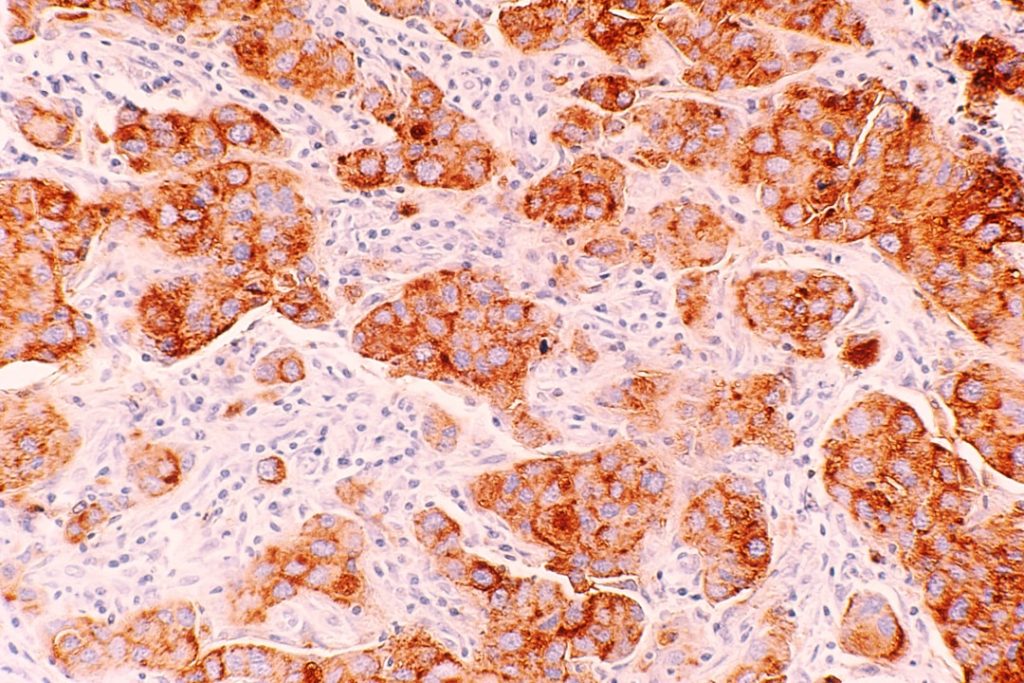

Liver hemangiomas are the most frequently occurring benign tumors of the liver.
Although the etiology of liver hemangiomas has not been definitively established, they are generally regarded as benign lesions that rarely cause serious health consequences.
The majority of patients with liver hemangiomas remain asymptomatic and do not require intervention. However, comprehensive understanding of these lesions is important for diagnosed patients, as it facilitates informed decision-making regarding future medical management. Liver hemangiomas demonstrate considerable variation in size, ranging from several millimeters to multiple centimeters in diameter.
These tumors typically exhibit slow growth rates and remain stable throughout the patient’s lifetime. Despite their benign classification, periodic monitoring through imaging modalities including ultrasound, computed tomography, or magnetic resonance imaging is recommended. Regular surveillance enables early detection of any changes in lesion size or the development of symptoms.
For most patients, confirmation of a benign diagnosis provides reassurance and allows them to maintain focus on overall health management without unnecessary anxiety.
Key Takeaways
- Liver hemangioma is a common benign liver tumor often requiring careful diagnosis and monitoring.
- Many patients with liver hemangioma show no symptoms and can be managed with non-surgical treatments.
- Surgery is considered when hemangiomas cause significant symptoms or complications.
- Dr. Arefin specializes in liver hemangioma treatment, offering personalized surgical and non-surgical care.
- Proper preparation, surgical technique, and follow-up are crucial for successful outcomes and minimizing complications.
Symptoms and Diagnosis of Liver Hemangioma
Most individuals with liver hemangiomas remain asymptomatic, meaning they do not experience any noticeable symptoms. However, in some cases, larger hemangiomas may lead to discomfort or pain in the upper right abdomen. Symptoms can include a feeling of fullness, nausea, or even a palpable mass in the abdomen.
If you experience any of these symptoms, it is essential to consult a healthcare professional for further evaluation. While rare, complications such as bleeding or rupture can occur, necessitating immediate medical attention. Diagnosis of liver hemangiomas typically involves imaging studies.
Ultrasound is often the first step in identifying these tumors, as it is non-invasive and readily available. If further evaluation is needed, a CT scan or MRI may be performed to provide more detailed images of the liver and surrounding structures. These imaging techniques help differentiate liver hemangiomas from other types of liver lesions, ensuring an accurate diagnosis.
Once diagnosed, your healthcare provider will discuss the best course of action based on the size of the hemangioma and any associated symptoms.
Non-Surgical Treatment Options for Liver Hemangioma

For most patients diagnosed with liver hemangiomas, non-surgical treatment options are sufficient. Since these tumors are benign and often asymptomatic, active surveillance is a common approach. This involves regular monitoring through imaging studies to ensure that the hemangioma remains stable over time.
Your healthcare provider may recommend follow-up appointments every six months to a year, depending on the size and characteristics of the tumor. In some cases, if you experience discomfort or other symptoms related to a larger hemangioma, your doctor may suggest non-invasive treatments such as medication to manage pain or discomfort. Additionally, lifestyle modifications—such as maintaining a healthy diet and regular exercise—can contribute to overall liver health.
While there are no specific medications designed to shrink liver hemangiomas, managing your overall health can help mitigate any potential complications.
When is Surgery Needed for Liver Hemangioma?
Surgery for liver hemangiomas is generally reserved for specific situations where the tumor causes significant symptoms or complications. If you have a large hemangioma that leads to persistent pain or discomfort, surgical intervention may be necessary to alleviate these issues. Additionally, if there is a risk of rupture or bleeding due to the size or location of the hemangioma, your healthcare provider may recommend surgery as a precautionary measure.
Another scenario where surgery might be indicated is if there is uncertainty regarding the diagnosis. In rare cases, imaging studies may not provide a clear distinction between a hemangioma and other types of liver lesions, such as malignant tumors. In such instances, surgical removal may be necessary to obtain a definitive diagnosis and ensure appropriate treatment.
Your healthcare provider will carefully evaluate your individual circumstances before recommending surgery.
Dr. Arefin is a highly regarded specialist in the field of liver diseases and has extensive experience in diagnosing and treating liver hemangiomas. His approach combines advanced medical knowledge with compassionate patient care, ensuring that each individual receives personalized attention throughout their treatment journey.
Dr. Arefin understands that being diagnosed with a liver tumor can be overwhelming, and he takes the time to explain the condition thoroughly and address any concerns you may have. In addition to his expertise in surgical techniques for liver hemangiomas, Dr.
Arefin emphasizes the importance of a multidisciplinary approach to treatment. He collaborates with radiologists, oncologists, and other specialists to ensure that you receive comprehensive care tailored to your specific needs. Whether you require monitoring or surgical intervention, Dr.
Arefin is dedicated to guiding you through every step of the process with professionalism and empathy.
Risks and Benefits of Surgical Treatment for Liver Hemangioma
| Metric | Details |
|---|---|
| Condition | Liver Hemangioma |
| Definition | Benign liver tumor made up of blood vessels |
| Common Symptoms | Usually asymptomatic; possible abdominal pain or discomfort |
| Size Threshold for Concern | Greater than 5 cm (giant hemangioma) |
| When is Surgery Needed? |
|
| Treatment Options |
|
| Prognosis | Excellent with appropriate management; benign nature |
| Follow-up Recommendations | Regular imaging if lesion is large or symptomatic |
While surgery can be an effective treatment option for liver hemangiomas in certain cases, it is essential to weigh the risks and benefits before proceeding. The primary benefit of surgical intervention is the potential for symptom relief and the elimination of any risk associated with larger tumors. For individuals experiencing significant discomfort or complications from their hemangiomas, surgery can lead to improved quality of life.
However, like any surgical procedure, there are inherent risks involved. Potential complications may include bleeding, infection, or damage to surrounding liver tissue during surgery. Additionally, recovery time can vary depending on the extent of the procedure and your overall health.
It is crucial to have an open discussion with Dr. Arefin about your specific situation so that you can make an informed decision regarding surgery.
Preparing for Liver Hemangioma Surgery: What to Expect

If surgery is deemed necessary for your liver hemangioma, preparation is key to ensuring a smooth process. Dr. Arefin will provide you with detailed instructions on how to prepare for the procedure, including dietary restrictions and any necessary pre-operative tests.
On the day of the surgery, you will likely be admitted to the hospital where you will undergo pre-operative assessments. This may include blood tests and imaging studies to confirm your readiness for surgery.
You will also meet with Dr. Arefin and the surgical team to discuss the procedure in detail and address any last-minute questions or concerns you may have. Being well-prepared can help alleviate anxiety and ensure that you feel confident going into surgery.
The Surgical Procedure for Liver Hemangioma Treatment
The surgical procedure for treating liver hemangiomas typically involves either resection or embolization, depending on the size and location of the tumor. Resection involves surgically removing the hemangioma along with a margin of healthy tissue surrounding it. This approach is often used for larger tumors that cause significant symptoms or complications.
Embolization is a less invasive option that involves blocking blood flow to the hemangioma using specialized materials injected through a catheter. This technique can help shrink the tumor and alleviate symptoms without requiring open surgery. Dr.
Arefin will determine the most appropriate surgical approach based on your individual circumstances and preferences.
Recovery and Follow-Up Care After Liver Hemangioma Surgery
After undergoing surgery for a liver hemangioma, recovery is an essential phase of your treatment journey. You will likely spend some time in the hospital for monitoring before being discharged home. During this period, healthcare professionals will assess your vital signs and manage any post-operative pain you may experience.
Once at home, it is crucial to follow Dr. Arefin’s post-operative care instructions carefully. This may include restrictions on physical activity and dietary recommendations to support healing.
Regular follow-up appointments will be scheduled to monitor your recovery progress and ensure that there are no complications arising from the surgery.
Potential Complications and Long-Term Outcomes of Liver Hemangioma Treatment
While most individuals recover well after surgery for liver hemangiomas, it is essential to be aware of potential complications that may arise. These can include bleeding at the surgical site, infection, or issues related to anesthesia. However, serious complications are relatively rare when procedures are performed by experienced surgeons like Dr.
Arefin. Long-term outcomes after treatment for liver hemangiomas are generally positive. Most patients experience significant relief from symptoms and can return to their normal activities without restrictions.
Regular follow-up care will help ensure that any changes in your condition are promptly addressed, allowing you to maintain optimal liver health moving forward.
Dr. Arefin’s commitment to patient-centered care has led to numerous success stories among individuals diagnosed with liver hemangiomas. His comprehensive approach ensures that each patient receives tailored treatment based on their unique needs and circumstances.
Many patients have reported significant improvements in their quality of life following treatment under Dr. Arefin’s guidance. Through his dedication to ongoing education and collaboration with other specialists, Dr.
Arefin remains at the forefront of advancements in liver disease management. His patients appreciate not only his medical expertise but also his compassionate approach that prioritizes their well-being throughout every stage of treatment. If you find yourself facing a diagnosis of liver hemangioma, consider reaching out to Dr.
Arefin for expert guidance and support on your journey toward recovery.
In the context of understanding liver hemangioma treatment options, it’s essential to explore various aspects of medical communication and patient engagement. For instance, the article on crafting captivating headlines can provide valuable insights into how to effectively convey important health information to patients, ensuring they are well-informed about when surgery may be necessary for liver hemangiomas.
FAQs
What is a liver hemangioma?
A liver hemangioma is a benign (non-cancerous) mass made up of a cluster of blood vessels in the liver. It is the most common type of benign liver tumor and often does not cause symptoms.
How is a liver hemangioma diagnosed?
Liver hemangiomas are typically diagnosed through imaging tests such as ultrasound, CT scan, or MRI. These tests help differentiate hemangiomas from other liver lesions.
When is treatment necessary for a liver hemangioma?
Most liver hemangiomas do not require treatment and are monitored with periodic imaging. Treatment is considered if the hemangioma causes symptoms like pain, bleeding, or if it grows significantly in size.
What treatment options are available for liver hemangioma?
Treatment options include observation, medication for symptom relief, and in some cases, surgical removal. Surgery is usually reserved for large hemangiomas causing symptoms or complications.
When is surgery needed for a liver hemangioma?
Surgery is typically recommended if the hemangioma is large, symptomatic (causing pain or discomfort), bleeding, or if there is uncertainty about the diagnosis. It may also be considered if the hemangioma compresses nearby organs.
What types of surgery are performed for liver hemangioma?
Surgical options include enucleation (removal of the hemangioma alone) or liver resection (removal of a portion of the liver). The choice depends on the size, location, and number of hemangiomas.
Are there risks associated with liver hemangioma surgery?
As with any surgery, risks include bleeding, infection, and complications related to anesthesia. However, liver hemangioma surgery is generally safe when performed by experienced surgeons.
Can liver hemangiomas recur after treatment?
Recurrence after surgical removal is rare. Regular follow-up imaging may be recommended to monitor for any new growths.
Is liver hemangioma cancerous?
No, liver hemangiomas are benign and do not turn into cancer. They are generally harmless unless they cause symptoms or complications.
How can I monitor a liver hemangioma without surgery?
Doctors usually recommend regular imaging studies such as ultrasound or MRI to monitor the size and characteristics of the hemangioma over time. Symptom monitoring is also important.
Related Articles

How to Prepare for Upper GI Surgery: A Step-by-Step Guide for Patients at Popular Medical College Hospital
How to Prepare for Upper GI Surgery: A Step-by-Step Guide for Patients at Popular Medical College Hospital Preparation for upper […]
Read More
Caught in Time: A Patient’s Journey Through Pancreatic Cancer Diagnosis and Surgery in Dhaka
Caught in Time: A Patient’s Journey Through Pancreatic Cancer Diagnosis and Surgery in Dhaka In Dhaka's busy hospitals, a patient's […]
Read More
Surgical Baseline Assessment at Entry to Training
Surgical Baseline Assessment at Entry to HPB Training in Dhaka Most trainees assume the entry test exists to reject them, […]
Read More