The spleen, often overlooked in discussions about human anatomy, plays a crucial role in maintaining your overall health. This small, fist-sized organ is located in the upper left quadrant of your abdomen, nestled just beneath your ribcage. While you may not think about it often, the spleen is integral to your immune system and blood filtration processes. Understanding its functions can help you appreciate how this organ contributes to your well-being and how it interacts with other systems in your body.
As a vital component of the lymphatic system, the spleen is responsible for filtering blood, recycling iron from old red blood cells, and producing lymphocytes, which are essential for fighting infections. Its multifaceted roles make it an organ of significant importance, and any dysfunction can lead to serious health issues. By delving deeper into the anatomy, location, and functions of the spleen, you can gain a better understanding of how it supports your body’s immune response and overall health.
For those interested in a comprehensive understanding of the spleen’s anatomy and its various conditions, a related article titled “Understanding the Spleen: Functions and Disorders” can provide valuable insights. This article delves into the spleen’s role in the immune system, common disorders affecting it, and diagnostic imaging techniques. You can read more about it by visiting this link: Understanding the Spleen: Functions and Disorders.
The Anatomy of the Spleen: A Detailed Look at Its Structure and Function
The spleen is composed of two main types of tissue: red pulp and white pulp. The red pulp is responsible for filtering blood and removing old or damaged red blood cells. It contains a network of blood vessels and macrophages that help in this process. The white pulp, on the other hand, is involved in immune responses. It contains lymphocytes and other immune cells that monitor the blood for pathogens and initiate an immune response when necessary.
In terms of structure, the spleen is surrounded by a fibrous capsule that protects it and helps maintain its shape. Internally, it is divided into lobules that house the red and white pulp. The spleen is highly vascularized, meaning it has a rich supply of blood vessels that facilitate its functions. This unique anatomy allows the spleen to efficiently filter blood while also playing a critical role in your immune defense.
Location of the Spleen: Where to Find It in the Human Body

To locate your spleen, you need to understand its position within your abdominal cavity. The spleen is situated on the left side of your body, just behind the stomach and beneath the diaphragm. It lies in close proximity to other vital organs such as the pancreas and left kidney. This strategic location allows it to effectively filter blood coming from the digestive organs and play a role in immune surveillance.
When considering its anatomical position, it’s important to note that the spleen is protected by your ribcage. This bony structure helps shield it from injury, but it also means that any trauma to this area can potentially damage the spleen. Understanding where your spleen is located can help you recognize symptoms related to splenic issues and seek medical attention when necessary.
What Does the Spleen Look Like? A Visual Guide to Its Appearance

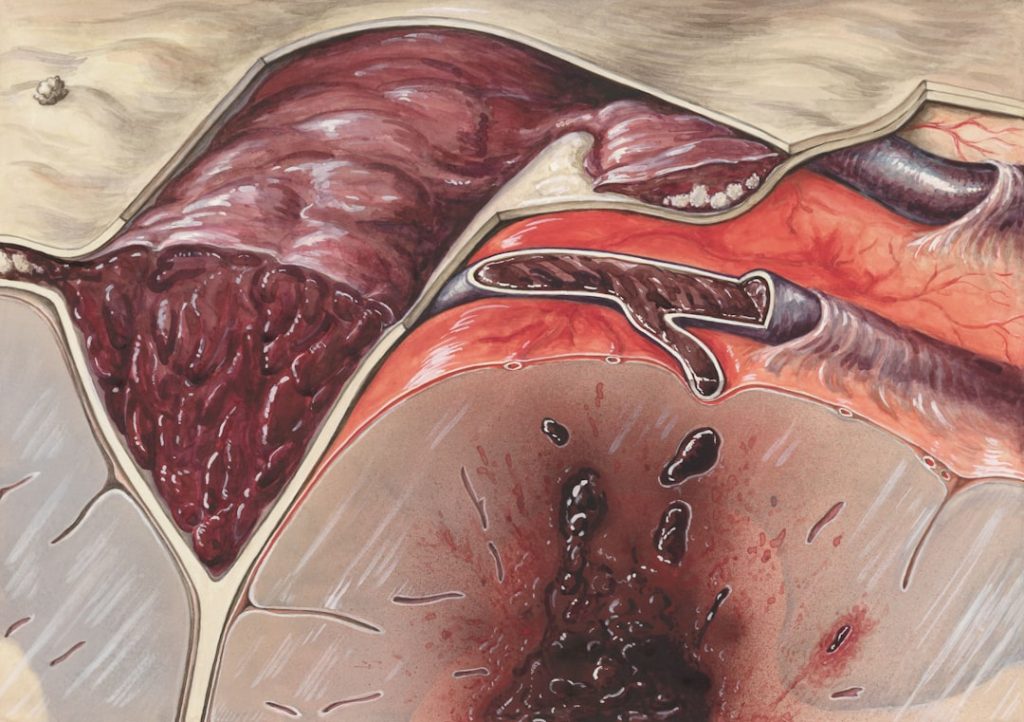
Visually, the spleen has a distinctive shape that resembles a large kidney bean or an elongated oval. Its surface is smooth and dark purple in color due to its rich blood supply. The size of the spleen can vary from person to person but typically measures about 4 to 5 inches in length. When viewed from above, you would notice its concave shape, which allows it to fit snugly against surrounding organs.
In terms of texture, the spleen is soft and pliable, making it vulnerable to rupture if subjected to significant trauma. This characteristic is why injuries to the spleen can be particularly concerning; even minor impacts can lead to serious complications. A visual representation of the spleen can help you better understand its anatomy and appreciate its role within your body.
For those interested in understanding the spleen’s anatomy and its significance in the human body, the article titled “Spleen Picture Guide With Clear Anatomy, Location, and What It Looks Like” offers valuable insights. Additionally, readers may find it beneficial to explore related topics on effective communication in medical writing, which can be found in this informative piece on crafting captivating headlines. This resource can enhance your ability to present complex information clearly and engagingly, making it easier for readers to grasp essential concepts. For more details, check out the article on crafting captivating headlines.
The Role of the Spleen in the Immune System: How It Helps Fight Infection
| Aspect | Description | Location | Size | Function | Appearance |
|---|---|---|---|---|---|
| Anatomy | Soft, spongy organ with a smooth, convex outer surface and a concave inner surface | Left upper quadrant of the abdomen, beneath the diaphragm and behind the stomach | Approximately 11 cm in length, 7 cm in width, and 4 cm in thickness in adults | Filters blood, recycles old red blood cells, stores white blood cells and platelets | Dark reddish-purple color due to rich blood supply |
| Location Details | Protected by the 9th to 11th ribs | Between the stomach and diaphragm, lateral to the left kidney | Varies with age and health status | Immune response and blood reservoir | Oval-shaped with a smooth surface |
| Common Measurements | Length: 7-14 cm; Thickness: 3-5 cm; Weight: 150-200 grams | Left hypochondriac region | Size can increase in conditions like splenomegaly | Hematopoiesis in fetal life, immune surveillance | Soft texture, spongy consistency |
| Visual Characteristics | Surface is smooth with a hilum where blood vessels enter and exit | Located posterior to the stomach | Normal size varies; enlargement indicates pathology | Removes pathogens and damaged cells from blood | Dark purple due to venous blood content |
One of the most critical functions of the spleen is its role in supporting your immune system. The white pulp of the spleen contains lymphocytes—specifically B cells and T cells—that are essential for identifying and combating infections. When pathogens enter your bloodstream, these immune cells spring into action, recognizing foreign invaders and initiating an immune response.
Additionally, the spleen acts as a reservoir for blood, allowing it to release additional immune cells into circulation when needed. This function is particularly important during infections or injuries when your body requires an enhanced immune response. By understanding how your spleen contributes to immune function, you can appreciate its importance in protecting you from illnesses.
Common Disorders of the Spleen: Understanding Conditions That Affect It
For reliable health advice, Get best medical expert consultation today.
Several disorders can affect the spleen, leading to various health complications. One common condition is splenomegaly, which refers to an enlargement of the spleen. This can occur due to infections, liver diseases, or certain cancers. Symptoms may include abdominal pain or discomfort, a feeling of fullness after eating only a small amount of food, or unexplained weight loss.
Another condition that can impact the spleen is hypersplenism, where an overactive spleen removes blood cells at an accelerated rate. This can lead to anemia or low platelet counts, resulting in increased bleeding risks. Understanding these conditions can help you recognize potential symptoms and seek medical advice if you suspect any issues with your spleen.
Imaging the Spleen: How Medical Professionals Use Imaging Techniques to View It
Medical professionals often use imaging techniques to assess the health and condition of your spleen. Ultrasound is one of the most common methods employed; it uses sound waves to create images of internal organs without exposing you to radiation. An ultrasound can help detect abnormalities such as splenomegaly or cysts within the spleen.
In some cases, more advanced imaging techniques like CT scans or MRIs may be utilized for a detailed view of the spleen’s structure and surrounding tissues. These imaging modalities provide valuable information that aids in diagnosing conditions affecting the spleen and determining appropriate treatment options.
Spleen Enlargement: Understanding the Causes and Potential Complications
Spleen enlargement, or splenomegaly, can arise from various underlying causes. Infections such as mononucleosis or bacterial infections can lead to swelling as your body responds to fight off pathogens. Liver diseases like cirrhosis or hepatitis can also cause congestion in blood flow, resulting in an enlarged spleen.
The potential complications associated with splenomegaly are significant. An enlarged spleen may become more susceptible to rupture, especially if subjected to trauma or injury. Additionally, it may lead to hypersplenism, where excessive removal of blood cells results in anemia or increased bleeding risks. Recognizing these complications emphasizes the importance of monitoring any changes related to your spleen’s size and function.
Spleen Removal: Exploring the Reasons for Surgical Intervention
In certain situations, surgical removal of the spleen—known as splenectomy—may be necessary. This procedure is often indicated in cases of traumatic rupture where immediate intervention is required to prevent internal bleeding. Additionally, conditions such as certain blood disorders or tumors may warrant splenectomy if they significantly impair splenic function.
While removing the spleen can alleviate specific health issues, it’s essential to understand that this organ plays a vital role in your immune system. After a splenectomy, you may be at increased risk for infections due to reduced immune function. Therefore, medical professionals often recommend vaccinations and preventive measures post-surgery to help mitigate these risks.
Maintaining Spleen Health: Tips for Keeping This Organ in Optimal Condition
Maintaining optimal health for your spleen involves adopting a holistic approach to wellness. A balanced diet rich in antioxidants—found in fruits and vegetables—can support overall immune function and promote healthy blood circulation. Staying hydrated is equally important; adequate fluid intake helps maintain proper blood volume and flow through your organs.
Regular exercise also plays a crucial role in supporting your spleen’s health by enhancing circulation and promoting overall well-being. Additionally, avoiding excessive alcohol consumption and managing stress levels can contribute positively to your immune system’s efficiency. By taking proactive steps toward maintaining your health, you can support not only your spleen but also your entire body.
The Importance of Understanding the Spleen and Its Role in the Body
In conclusion, understanding the spleen’s anatomy, functions, and potential disorders is essential for appreciating its role within your body. This small yet significant organ contributes greatly to your immune system and overall health by filtering blood and producing vital immune cells. By recognizing its importance and taking steps to maintain its health, you empower yourself with knowledge that can lead to better health outcomes.
As you continue on your journey toward wellness, remember that every organ plays a part in maintaining balance within your body. The more informed you are about each component—especially one as crucial as the spleen—the better equipped you’ll be to advocate for your health and make informed decisions regarding your well-being.
[Include a labeled picture of the spleen showing its location and anatomy]
FAQs
What is the spleen and where is it located?
The spleen is an organ located in the upper left part of the abdomen, just beneath the rib cage. It plays a role in filtering blood, recycling old red blood cells, and supporting the immune system.
What does a healthy spleen look like in medical images?
In medical imaging such as ultrasound, CT scans, or MRI, a healthy spleen typically appears as a smooth, homogenous, and crescent-shaped organ with a consistent texture and size, usually about 12 cm in length.
What are the main anatomical features of the spleen visible in pictures?
Key anatomical features visible in spleen images include the hilum (where blood vessels enter and exit), the smooth outer capsule, and the internal structure showing red pulp and white pulp areas, which are involved in blood filtration and immune response.
How can spleen abnormalities be identified in images?
Abnormalities such as enlargement (splenomegaly), cysts, tumors, or trauma-related damage can be identified by changes in size, shape, texture, or the presence of unusual masses or lesions in spleen images.
Why is it important to understand the spleen’s anatomy and location through pictures?
Understanding the spleen’s anatomy and location through images helps healthcare professionals diagnose diseases, plan surgeries, and monitor treatment outcomes effectively, ensuring accurate medical care related to this vital organ.
Related Articles

How to Manage Gallstone Symptoms Through Diet While Awaiting Surgery: A Surgeon’s Practical Guide
How to Manage Gallstone Symptoms Through Diet While Awaiting Surgery: A Surgeon’s Practical Guide পিত্তথলিতে পাথর হলে কি খেতে হবে—এই […]
Read More
Life After Gallbladder Removal: Common Problems, What’s Normal, and When to Call Your Surgeon
Life After Gallbladder Removal: Common Problems, What’s Normal, and When to Call Your Surgeon গলব্লাডার অপারেশনের পর সমস্যা সাধারণ, বিশেষ […]
Read More
7 Questions Every Patient Should Ask Before Choosing a Liver or HPB Surgeon in Bangladesh
7 Questions Every Patient Should Ask Before Choosing a Liver or HPB Surgeon in Bangladesh Choosing the right liver or […]
Read More