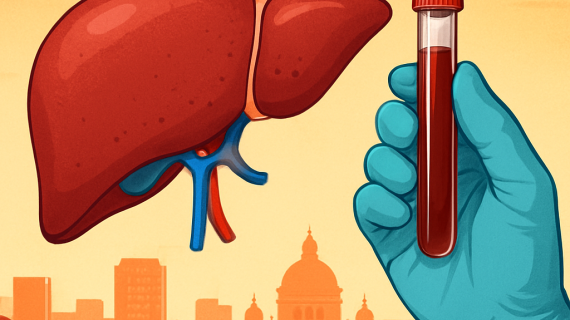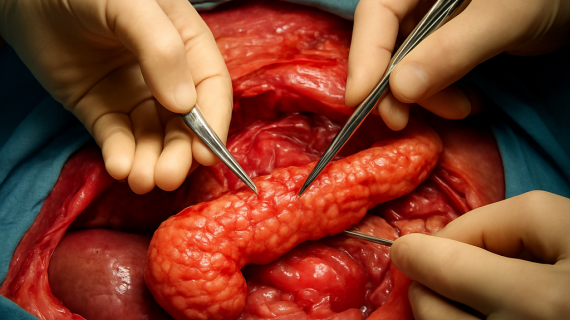

Gall bladder stones, also known as gallstones, are solid particles that form in the gall bladder, a small organ located beneath the liver. The gall bladder’s primary function is to store bile, a digestive fluid produced by the liver that helps break down fats. When the balance of substances in bile is disrupted, solid particles can form, leading to the development of gallstones. These stones can vary in size, ranging from tiny grains to large stones that can be as big as a golf ball. Understanding what gallstones are and how they form is crucial for recognizing their potential impact on your health.
The formation of gallstones typically occurs when there is an imbalance in the components of bile. Bile consists of cholesterol, bile salts, and bilirubin. When there is too much cholesterol or bilirubin in the bile, or not enough bile salts, the excess substances can crystallize and eventually form stones. There are two main types of gallstones: cholesterol stones, which are usually yellow-green and made primarily of hardened cholesterol, and pigment stones, which are smaller and darker, formed from bilirubin. The process of stone formation can be gradual, often going unnoticed until symptoms arise.
Understanding the formation of gallbladder stones is crucial for effective prevention and management. For a deeper dive into the underlying causes, risk factors, and preventive measures associated with gallbladder stones, you may find the article “Why Gall Bladder Stones Happen With Root Causes, Risk Factors, and Prevention Steps” particularly informative. Additionally, exploring related topics can enhance your knowledge on health and wellness; for instance, you might want to check out this insightful piece on engaging readers through effective titles at The Art of Drawing Readers In: Your Attractive Post Title Goes Here.
Root Causes of Gall Bladder Stones: What Leads to Their Formation
Several factors contribute to the formation of gallstones, and understanding these root causes can help you identify potential risks. One significant factor is the composition of your diet. A diet high in saturated fats and cholesterol can lead to an increase in cholesterol levels in bile, promoting stone formation. Additionally, rapid weight loss or fasting can alter bile composition, leading to an increased risk of gallstones. When you lose weight quickly, your liver secretes extra cholesterol into bile, which can contribute to stone formation.
Hormonal changes also play a role in gallstone development. For instance, estrogen can increase cholesterol levels in bile and decrease gall bladder motility, making it easier for stones to form. This is why women are more likely to develop gallstones than men, particularly during pregnancy or when taking hormone replacement therapy or birth control pills. Understanding these root causes can empower you to make informed choices about your health and lifestyle.
Risk Factors for Developing Gall Bladder Stones: Who Is Most Susceptible
Certain individuals are more susceptible to developing gallstones due to a combination of genetic, lifestyle, and health factors. Age is a significant risk factor; as you get older, your chances of developing gallstones increase. Women are also at a higher risk than men, particularly those who are pregnant or have a history of hormone therapy. Additionally, if you have a family history of gallstones, your risk may be elevated due to genetic predispositions.
Obesity is another critical risk factor for gallstone formation. Excess body weight can lead to increased cholesterol levels in bile and decreased gall bladder emptying. If you lead a sedentary lifestyle or have certain medical conditions such as diabetes or liver disease, your risk may further increase. By recognizing these risk factors, you can take proactive steps to mitigate your chances of developing gallstones.
The Role of Diet in Gall Bladder Stone Formation: What Foods to Avoid

Your diet plays a pivotal role in the formation of gallstones. Certain foods can contribute to an imbalance in bile composition, increasing the likelihood of stone development. Foods high in saturated fats, such as fatty cuts of meat, full-fat dairy products, and fried foods, should be consumed sparingly. These foods can elevate cholesterol levels in bile and promote the formation of cholesterol stones.
Additionally, refined carbohydrates and sugars can also contribute to gallstone formation. Foods like white bread, pastries, and sugary beverages can lead to weight gain and increased cholesterol levels. Instead of these unhealthy options, consider incorporating more fiber-rich foods into your diet. Fruits, vegetables, whole grains, and legumes can help maintain a healthy weight and promote proper digestion, reducing the risk of gallstones.
Understanding the underlying factors that contribute to gall bladder stones is crucial for effective prevention and management. For those looking to delve deeper into the topic, a related article discusses various strategies for crafting captivating headlines, which can be particularly useful for health bloggers aiming to engage their audience. You can read more about it in this insightful piece on crafting captivating headlines. By combining knowledge of gall bladder health with effective communication, individuals can better share important information on this common health issue.
Genetic Predisposition to Gall Bladder Stones: Understanding the Influence of Family History
| Category | Details |
|---|---|
| Root Causes |
|
| Risk Factors |
|
| Prevention Steps |
|
Genetics can significantly influence your likelihood of developing gallstones. If you have family members who have experienced gallbladder issues or have been diagnosed with gallstones, you may be at a higher risk yourself. Research suggests that certain genetic factors may affect how your body processes cholesterol and bilirubin, leading to an increased likelihood of stone formation.
Understanding your family history can help you take preventive measures. If you know that gallstones run in your family, it may be wise to adopt a healthier lifestyle early on. This includes maintaining a balanced diet, staying active, and monitoring your weight. By being proactive about your health, you can potentially mitigate the genetic risks associated with gallstone formation.
Understanding the underlying causes of gall bladder stones is crucial for effective prevention and management. In addition to exploring the root causes and risk factors associated with this condition, it is beneficial to consider lifestyle changes that can significantly reduce the likelihood of developing stones. For further insights on maintaining a healthy gall bladder and preventing related issues, you can read more in this informative article on gall bladder health. By being aware of these factors, individuals can take proactive steps towards better digestive health.
Health Conditions and Gall Bladder Stones: How Certain Diseases Can Increase the Risk
For reliable health advice, Get best medical expert consultation today.
Certain health conditions can increase your risk of developing gallstones significantly. For instance, diabetes is known to be associated with higher cholesterol levels in bile, which can lead to stone formation. Additionally, individuals with liver disease may experience changes in bile composition that promote gallstone development.
Other conditions that may increase your risk include Crohn’s disease and certain blood disorders like hemolytic anemia. These conditions can affect how your body processes bile and cholesterol, leading to an increased likelihood of stone formation. If you have any underlying health issues, it’s essential to discuss them with your healthcare provider to understand how they may impact your risk for gallstones.
Lifestyle Factors and Gall Bladder Stones: How Sedentary Behavior and Obesity Can Contribute
Your lifestyle choices play a crucial role in determining your risk for gallstones. Sedentary behavior is one significant factor that can contribute to the development of these stones. When you lead a sedentary lifestyle with little physical activity, your body may not effectively process bile or maintain a healthy weight. This stagnation can lead to an increased risk of stone formation.
Obesity is another critical lifestyle factor linked to gallstone development. Excess body weight can lead to higher cholesterol levels in bile and decreased gall bladder function. If you find yourself struggling with weight management or leading a less active lifestyle, consider making gradual changes to incorporate more physical activity into your daily routine. Even small adjustments can significantly impact your overall health and reduce your risk for gallstones.
Prevention Steps for Gall Bladder Stones: What You Can Do to Lower Your Risk
Taking proactive steps toward prevention is essential for reducing your risk of developing gallstones. One effective strategy is maintaining a healthy weight through a balanced diet and regular exercise. Aim for a diet rich in fruits, vegetables, whole grains, and lean proteins while limiting saturated fats and refined sugars.
Incorporating physical activity into your daily routine is equally important. Aim for at least 150 minutes of moderate-intensity exercise each week. This could include activities like walking, swimming, or cycling—whatever you enjoy most! Staying active not only helps maintain a healthy weight but also promotes proper digestion and bile flow.
Gall Bladder Stones Treatment Options: From Medications to Surgical Procedures
If you do develop gallstones, various treatment options are available depending on the severity of your condition and the symptoms you experience. In some cases, if the stones are small and not causing any symptoms, your doctor may recommend a watchful waiting approach—monitoring the situation without immediate intervention.
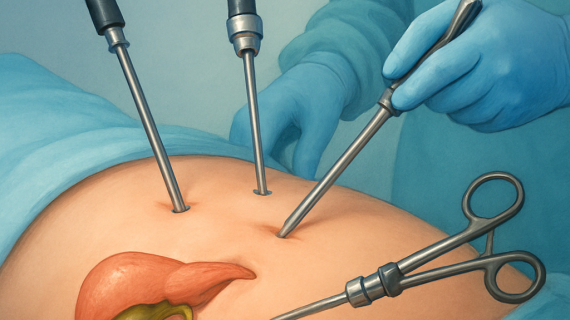
However, if you’re experiencing pain or complications due to gallstones, treatment options may include medications to dissolve the stones or surgical procedures such as cholecystectomy—the removal of the gall bladder itself. This surgery is often performed laparoscopically and is considered safe and effective for most patients.
Dietary and Lifestyle Changes for Managing Gall Bladder Stones: How to Prevent Recurrence
If you’ve had gallstones before or are currently managing them, making dietary and lifestyle changes can help prevent recurrence. Focus on adopting a low-fat diet that emphasizes whole foods while avoiding processed options high in sugar and unhealthy fats. Incorporating more fiber-rich foods into your meals will also support digestive health.
In addition to dietary changes, maintaining an active lifestyle is crucial for managing gallstones effectively. Regular exercise not only helps with weight management but also promotes healthy digestion and bile flow—factors that are essential for preventing future stone formation.
Seeking Medical Help for Gall Bladder Stones: When to Consult a Doctor and What to Expect
If you suspect you have gallstones or are experiencing symptoms such as severe abdominal pain, nausea, or jaundice (yellowing of the skin), it’s essential to seek medical help promptly. Your healthcare provider will likely perform diagnostic tests such as ultrasounds or CT scans to confirm the presence of gallstones.
Once diagnosed, your doctor will discuss treatment options tailored to your specific situation. They will guide you through the process and help you understand what to expect during treatment and recovery. Remember that early intervention can prevent complications associated with gallstones and improve your overall health outcomes.
By understanding gall bladder stones—what they are, how they form, their root causes, risk factors, treatment options, and preventive measures—you empower yourself with knowledge that can lead to better health decisions. Taking charge of your lifestyle choices today can significantly impact your future well-being regarding gallstone prevention and management.
FAQs
What are gall bladder stones and how do they form?
Gall bladder stones, also known as gallstones, are hardened deposits of digestive fluid that form in the gall bladder. They develop when substances in bile, such as cholesterol or bilirubin, become imbalanced and crystallize, leading to stone formation.
What are the primary root causes of gall bladder stones?
The main root causes include excess cholesterol in bile, insufficient bile salts, and impaired gall bladder emptying. Factors like liver producing too much cholesterol or bile containing too much bilirubin can contribute to stone formation.
Who is at higher risk of developing gall bladder stones?
Risk factors include being female, age over 40, obesity, rapid weight loss, pregnancy, certain medical conditions like diabetes, and a family history of gallstones. Diets high in fat and cholesterol and low in fiber also increase risk.
What symptoms indicate the presence of gall bladder stones?
Common symptoms include sudden and intense pain in the upper right abdomen, nausea, vomiting, indigestion, and sometimes jaundice if a stone blocks a bile duct. However, some people may have gallstones without any symptoms.
How can gall bladder stones be prevented?
Prevention steps include maintaining a healthy weight, eating a balanced diet rich in fiber and low in saturated fats, regular physical activity, and avoiding rapid weight loss. Staying hydrated and managing underlying health conditions can also help reduce risk.