

Life After Liver Surgery: Diet, Activity and Follow-Up
Life after liver surgery is decided less by what you eat and more by whether you know which symptoms need a same-day call and whether you attend follow-up while you still feel well.

The First Two Weeks at Home After Liver Surgery
The fortnight after discharge is the part nobody describes beforehand. You are told the operation went well, handed a discharge summary, and left wondering whether what you feel is normal.
Recovery after liver surgery is not the same after keyhole and open access. After a laparoscopic operation the small wounds settle quickly, but the abdomen stays bloated for days and many patients get shoulder tip pain from gas left under the diaphragm. It is harmless and it passes. After an open resection the wound is longer and the abdominal wall has been divided, so coughing, sitting up and rolling over in bed all hurt for a while. Holding a folded towel against the wound when you cough helps.
The symptom that surprises patients most is tiredness out of proportion to what they did. Walking to the gate and back can empty the day. Appetite usually returns before energy does, so you may be eating normally and still feel exhausted for weeks. Low mood in the first week is common and usually settles as you start moving. If it does not settle, say so at review.
The wound rules are dull and they work. Keep it clean and dry, shower once your team says it is safe, and do not apply oil, turmeric paste or antiseptic powder. A healing wound is slightly pink at the edges, mildly tender, and improves daily. Redness spreading outwards, more pain after day three, or leaking pus needs to be seen.
Liver tissue does regenerate after resection, and the remnant grows to take over the work of what was removed. The timescale depends on how much was taken and how healthy the rest of the liver was. No surgeon can give you a date.
Key Takeaways on Life After Liver Surgery:
- There is no permanent liver or gallbladder diet. Eat enough protein and calories, build fat back gradually, and stop alcohol.
- Tiredness far out of proportion to activity is normal for several weeks. Appetite returns before energy does.
- Fever with shivering, worsening pain, yellow eyes or spreading wound redness are same-day calls, not wait-and-see problems.
- Activity progresses in stages, not on fixed dates. Drive only when you can perform an emergency stop without hesitating.
- Follow-up scans and blood tests continue after you feel well, because surveillance finds problems while they are still small.
Eating Well When Your Liver Is Still Healing
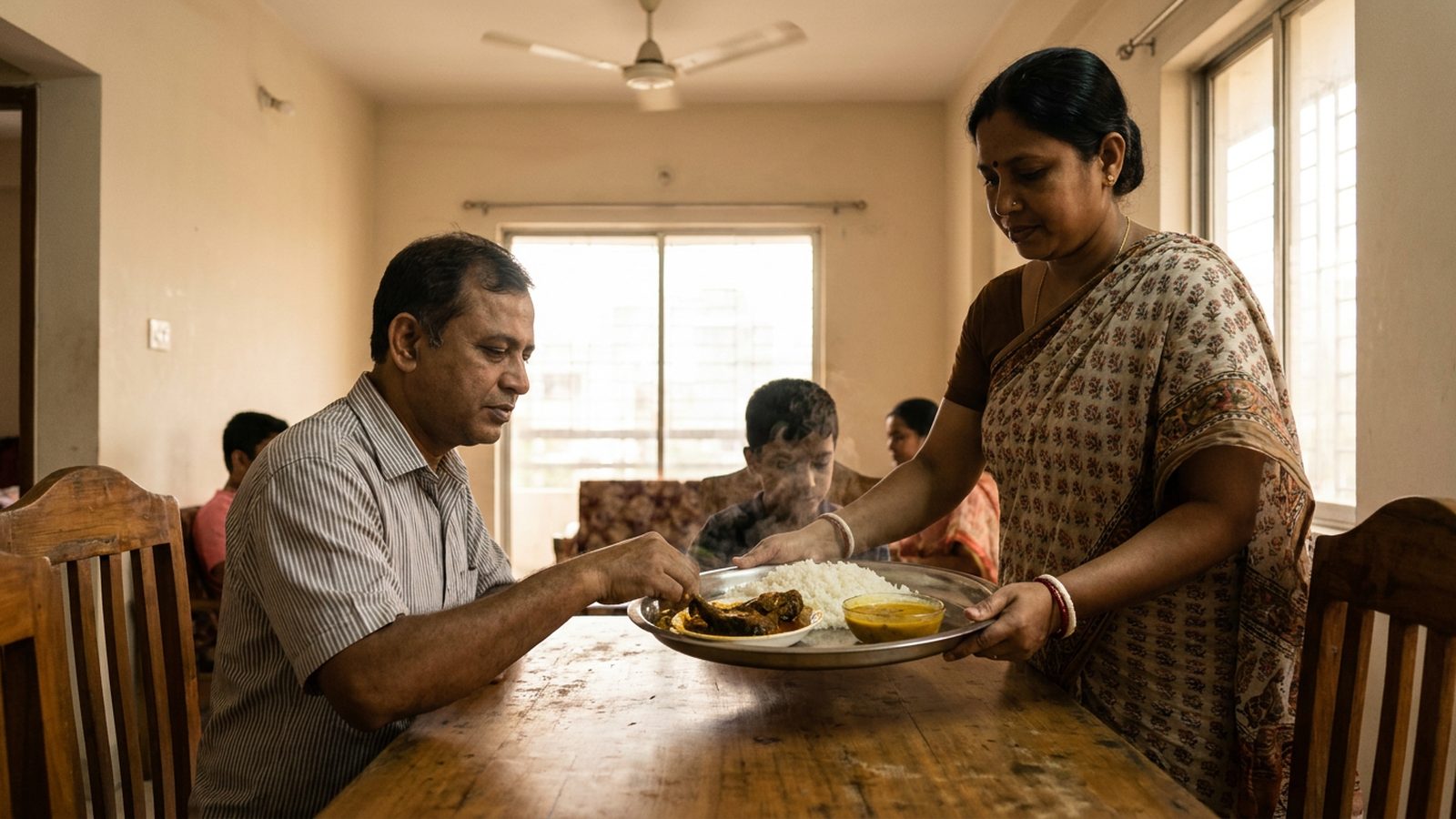
Most dietary advice you receive at home comes from relatives, and most of it is unnecessary. There is no lifelong liver diet, and none after gallbladder removal.
Start with diet after gallbladder surgery, because it is the one people get most wrong. Removing the gallbladder does not stop bile reaching the intestine. Bile is made in the liver and still flows down the bile duct. What you lose is storage, so bile arrives steadily rather than in a burst after a fatty meal. A heavy oily meal may therefore cause loose stools or cramping in the first few weeks. The answer is smaller, more frequent meals and reintroducing fat gradually, not avoiding fat forever.
After a liver resection the priority is the opposite of restriction. The remnant liver is doing repair work and repair needs building material, so you need adequate protein and enough calories. In practice that means rice with dal at each main meal, fish, eggs, chicken, vegetables and fruit, with moderate oil. In addition, if you were told to restrict salt or fluid because of ascites or established liver disease, that instruction overrides the general advice here.
Alcohol stops. If there is underlying liver disease it stays stopped, and there is no safe small amount worth negotiating. General guidance from the World Health Organization says the same.
Be firm about herbal liver tonics and unlabelled capsules bought on recommendation. Several are hepatotoxic, meaning they can injure the very organ you are trying to protect. They also make your blood tests uninterpretable, because a rise in liver enzymes could be the surgery, the disease or the tonic. Ask before swallowing anything.
Painkillers, particularly opioids, cause constipation, and straining against a fresh wound is miserable. Fluids, fruit and a mild laxative if your team agrees will save you a bad week.
A Patient Story From the Dhanmondi Chamber
A man in his fifties came back three weeks after a right sided liver resection, worried something had gone wrong. His wounds were clean and his blood tests acceptable, but he had lost weight and could barely walk across a room. Relatives had told him fat and protein would strain the liver, so he had lived on rice and boiled vegetables. He was not recovering slowly, he was underfed.
The correction was unglamorous. Eggs and fish at most meals, dal twice a day, oil back in cooking, and a walking target that rose each day. At the next review his weight had stabilised and he was walking outdoors comfortably. His details have been changed, and the story is offered only to show how often the obstacle is bad advice rather than bad surgery.
When You Can Walk, Drive, Lift and Return to Work
Ask when you can drive and you will get a date. A date is the wrong unit. Activity returns in stages, and each stage has its own test.
Walking starts on day one, a few minutes several times a day rather than one long walk. Moreover, walking is not just exercise here. It reduces the risk of clots in the legs, clears the chest after a general anaesthetic, and moves a sluggish bowel, which is why it appears in every discharge instruction ever written.
Driving is a judgement, not a permission slip. The test is simple: you can perform an emergency stop at full force without hesitating, you can check a blind spot without guarding your wound, and you are off sedating painkillers. If you would flinch, you cannot brake properly.
Lifting is where the abdominal wall matters. After an open resection the wall needs weeks of undisturbed healing before it takes load, so heavy lifting is usually avoided for around six weeks, and less after keyhole surgery. Guidance varies, and yours comes from your own team.
Returning to work follows the same logic. Desk work resumes earlier than manual work, and the honest Dhaka detail is that the commute is often harder than the job. An hour of broken road jolts a fresh wound more than a day at a computer, so plan the journey before the return. When rebuilding exercise, walk first, add light resistance next, and leave heavy core work until last. Pushing through pain is not progress.
Warning Signs That Need a Same-Day Call
Leave this section on the fridge, because the person who notices first is usually a family member. Call the chamber the same day if any of these appear:
- Fever, particularly with shivering.
- Abdominal pain increasing rather than settling.
- Yellow eyes or skin, dark urine, or pale stools.
- Wound redness spreading outwards, more pain after the third day, or discharge of pus.
- Persistent vomiting, or inability to keep fluids down.
- Breathlessness at rest, or chest pain.
- Calf pain or swelling in one leg.
- Bleeding from the wound, or blood in vomit or stool.
- A drain that stops, or whose output increases or turns bile stained or bloody.
- Confusion or unusual drowsiness in anyone with known liver disease.
However, do not spend an hour on the phone if the problem is severe. Breathlessness, chest pain, heavy bleeding or a patient who cannot be roused belongs in the nearest emergency department now. Most such calls end in reassurance, and the few that do not are exactly the ones worth catching early.
“The liver is the only visceral organ that possesses the capacity to regenerate.”
Source: Wikipedia, Liver regeneration
Follow-Up Scans and Blood Tests, and Why They Continue
The hardest appointment to keep is the one you feel well for, and it matters most.
Hepatobiliary follow-up Dhaka patients receive after liver or gallbladder surgery has three parts. First, a clinical review of wound, weight, appetite and activity. Second, blood tests, usually liver function, albumin, bilirubin, a blood count and kidney function, with tumour markers where the diagnosis calls for them. Third, imaging, usually ultrasound or CT.
In addition to that schedule, the point of the intervals needs saying plainly. Surveillance after cancer surgery is not designed to react to symptoms. It is designed to find a problem while it is still small enough to treat, which means it happens before you feel anything. The commonest reason a recurrence is found late is a scan postponed because the patient felt fine. The interval is set individually by the treating team from the diagnosis and the histopathology report, not by how well you feel.
If your surgery was done elsewhere, a second opinion is a reasonable request. Bring the operation note and the histopathology report, because a plan cannot be reviewed from memory. The same applies to anyone considering a complex liver resection who wants to understand the aftercare before consenting.
Evidence Behind Postoperative Liver Monitoring
There is a reason your albumin and bilirubin are checked before an operation and afterwards. Dr. Arefin is a co-author, not the first author, of Cureus research on the preoperative ALBI score and complications after liver resection, a prospective observational study of 70 adults undergoing liver resection with complications tracked to 30 days.
The findings: 30 of 70 patients, 42.9%, had postoperative complications. Post-hepatectomy liver failure occurred in 0.0% of ALBI-1, 38.5% of ALBI-2 and 100% of ALBI-3. The ALBI score had an AUC of 0.659, with sensitivity 70.0% and specificity 62.5% at a cutoff of -2.67. Age and ALBI score were independently associated with complications, and MELD did not differ significantly between the groups.
The authors’ own conclusion is deliberately modest. They describe the ALBI score as having weak to moderate discriminatory ability and as a possible adjunct rather than a replacement for clinical judgement or established scores, and they call for larger multicentre validation. This was a single-centre study of 70 patients, so it cannot predict what will happen to any individual. Furthermore, that is the honest reading: albumin and bilirubin are watched because liver function is measurable and worth measuring, not because a number decides your recovery.
Dr. Arefin is also a co-author of a Cureus paper on the mean platelet volume to platelet ratio in pancreatic cancer and chronic pancreatitis and of a Cureus case report on a neuroendocrine tumour of the ampulla of Vater. Neither concerns recovery after gallbladder surgery, and no figures from either are quoted.
How to Reach the Chamber With Recovery Questions
Consultations for hepatobiliary surgery and postoperative review are held at Popular Medical College Hospital, Dhanmondi, Dhaka. To book, Call Now on +880 1311 487 592 or use the contact page.
Bring five things: your discharge summary, the operation note, the histopathology report, a list of every medicine and supplement you take, and previous scans on disc or film.
Registration can be checked with the Bangladesh Medical and Dental Council and fellowship with the Bangladesh College of Physicians and Surgeons. Staying in control of your own recovery means knowing your diagnosis, your medicines and your next appointment date. Nothing here promises an outcome, and if a symptom is severe, go to the nearest emergency department.
Frequently Asked Questions
Do I need a special diet for life after gallbladder removal?
No. Most people return to normal food. Build fat back gradually, eat smaller frequent meals at first, and expect loose stools after very oily meals early on.
How long until I feel like myself again after liver surgery?
It varies with the extent of the resection and the health of the remaining liver. Energy lags behind appetite by several weeks. No honest surgeon will give a fixed date.
Can I take a herbal liver tonic to help recovery?
Ask first. Several are toxic to the liver and all make your blood tests harder to interpret, so bring the packet to the chamber first.
If I feel completely well, can I skip a follow-up scan?
No. Surveillance is designed to detect a problem before symptoms appear, so feeling well is not evidence that the scan is unnecessary.
Reviewed by Dr. Murshidul Arefin, MBBS, FCPS, MS in Hepatobiliary Surgery (BSMMU), consultant at Popular Medical College Hospital, Dhanmondi, Dhaka, who publishes peer-reviewed hepatobiliary research in Cureus.
This article is general information and is not a substitute for individual medical advice. Instructions from your own surgeon override anything written here.
Related Articles

Is Bangladesh Ready for Liver Transplant? A Surgeon’s Honest Assessment of What’s Possible Today
Is Bangladesh Ready for Liver Transplant? A Surgeon’s Honest Assessment of What’s Possible Today This article offers a surgeon's candid […]
Read More
Acute vs. Chronic Pancreatitis: Which Type Needs a Surgeon and Which Needs a Physician?
Acute vs. Chronic Pancreatitis: Which Type Needs a Surgeon and Which Needs a Physician? Acute pancreatitis and chronic pancreatitis present […]
Read More
Gallbladder Stone Surgery in Bangladesh: What It Really Costs and What Affects the Price
Gallbladder Stone Surgery in Bangladesh: What It Really Costs and What Affects the Price If you're weighing gallbladder surgery in […]
Read More