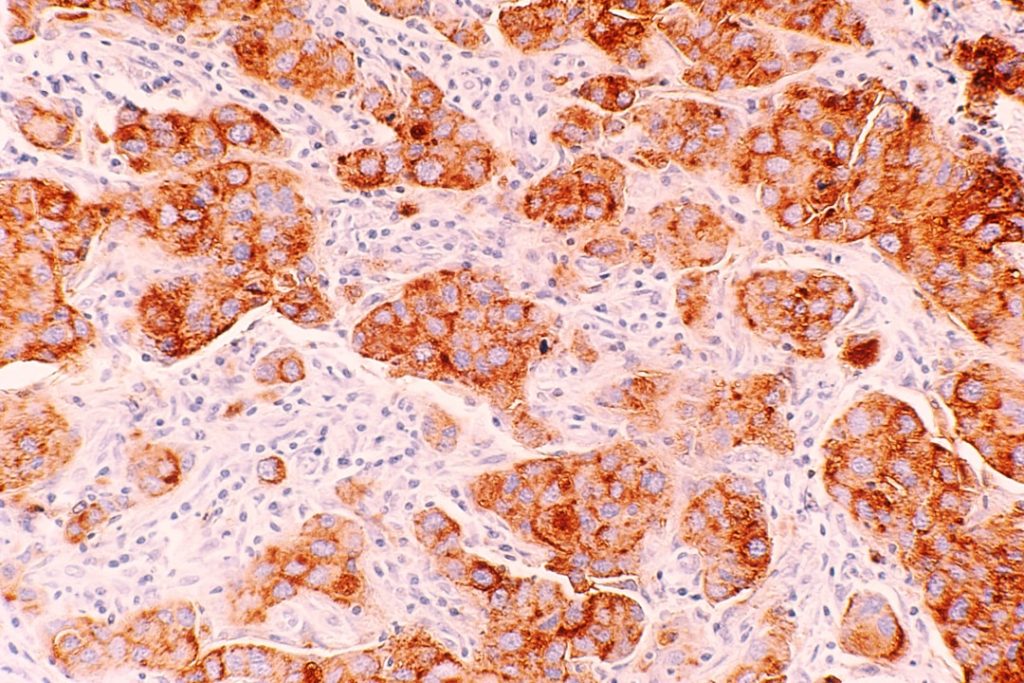
Liver cirrhosis is a progressive medical condition in which healthy liver tissue is gradually replaced by fibrous scar tissue, resulting in impaired liver function. The condition typically develops as a consequence of chronic liver diseases, including hepatitis B and C infections, alcoholic liver disease, and non-alcoholic fatty liver disease. As liver damage progresses, the organ’s capacity to perform vital functions becomes compromised, including the detoxification of harmful substances, bile production for fat digestion, and metabolic regulation.
Knowledge of the etiology and pathophysiology of liver cirrhosis is essential for patients and healthcare professionals to develop appropriate management and treatment approaches. Chronic liver disease includes various pathological conditions that may progress to cirrhosis. These diseases frequently present with minimal or absent symptoms during early stages, resulting in delayed diagnosis until substantial hepatic damage has occurred.
Key risk factors for chronic liver disease include obesity, excessive alcohol intake, and viral hepatitis infections. Early identification of these risk factors is critical for implementing preventive measures and initiating timely medical intervention. Patient education regarding these conditions enables informed decision-making about liver health maintenance and appropriate timing for medical evaluation.
Key Takeaways
- Early detection and diagnosis are crucial for effective management of liver cirrhosis and chronic liver disease.
- Treatment options in Bangladesh include medications, lifestyle changes, and advanced therapies like liver transplantation.
- Managing complications such as ascites is a key part of patient care to improve quality of life.
- Regular monitoring and follow-up care are essential to track disease progression and adjust treatments accordingly.
- Support from healthcare professionals, including experts like Dr. Murshidul Arefin, and access to resources greatly benefit patients and their families.
The Importance of Early Detection and Diagnosis
Early detection of liver cirrhosis is vital for improving patient outcomes and preventing further complications. When diagnosed in its initial stages, cirrhosis can often be managed effectively, allowing individuals to maintain a better quality of life. Regular screenings and check-ups are essential for those at risk, as they can help identify liver abnormalities before they progress to more severe stages.
Blood tests, imaging studies, and liver biopsies are common diagnostic tools that healthcare providers use to assess liver function and structure. Moreover, early diagnosis enables healthcare professionals to implement appropriate treatment plans tailored to the individual’s needs. This proactive approach can significantly reduce the risk of complications associated with advanced liver disease, such as liver failure or hepatocellular carcinoma.
By prioritizing early detection and diagnosis, patients can take control of their health journey and work collaboratively with their healthcare team to manage their condition effectively.
Treatment Options for Liver Cirrhosis in Bangladesh

In Bangladesh, the treatment options for liver cirrhosis are evolving as medical advancements continue to emerge. The management of cirrhosis typically focuses on addressing the underlying cause of the disease while also alleviating symptoms and preventing complications. For instance, antiviral medications may be prescribed for patients with viral hepatitis, while lifestyle modifications are recommended for those with alcohol-related cirrhosis or non-alcoholic fatty liver disease.
In addition to pharmacological interventions, patients may benefit from supportive therapies aimed at improving their overall well-being. Nutritional support plays a crucial role in managing liver cirrhosis, as a well-balanced diet can help maintain strength and prevent malnutrition. Furthermore, regular monitoring of liver function through blood tests and imaging studies is essential to assess disease progression and adjust treatment plans accordingly.
Dr. Murshidul Arefin is a prominent figure in the field of hepatology in Bangladesh, known for his expertise in diagnosing and treating liver diseases, including cirrhosis. With years of experience and a commitment to advancing liver health in the region, Dr.
Arefin has become a trusted resource for patients seeking comprehensive care. His approach emphasizes personalized treatment plans that consider each patient’s unique circumstances, ensuring that they receive the most effective interventions available. Dr.
Arefin’s dedication extends beyond clinical practice; he is also actively involved in research and education initiatives aimed at raising awareness about liver diseases in Bangladesh. By sharing his knowledge with both healthcare professionals and the public, he contributes to a greater understanding of liver health issues and encourages early detection and intervention. Patients who seek care from Dr.
Arefin can expect not only expert medical guidance but also compassionate support throughout their treatment journey.
Managing Ascites in Patients with Liver Cirrhosis
Ascites is a common complication of liver cirrhosis characterized by the accumulation of fluid in the abdominal cavity. This condition can lead to discomfort, difficulty breathing, and an increased risk of infection. Managing ascites effectively is crucial for improving the quality of life for patients with cirrhosis.
In more severe cases where diuretics are insufficient, therapeutic paracentesis may be performed to remove excess fluid directly from the abdomen. This procedure not only alleviates symptoms but also provides valuable information about the underlying cause of ascites through analysis of the fluid obtained.
Additionally, addressing the root cause of cirrhosis is essential for preventing further fluid accumulation. By taking a comprehensive approach to managing ascites, healthcare providers can help patients achieve better symptom control and enhance their overall well-being.
Liver Transplantation as a Treatment Option
| Metric | Details |
|---|---|
| Doctor Name | Dr. Murshidul Arefin |
| Specialization | Hepatology, Liver Disease Treatment |
| Location | Bangladesh |
| Common Treatments Offered | Medication, Lifestyle Management, Liver Transplant Referral |
| Average Treatment Duration | Varies (Chronic management, ongoing monitoring) |
| Success Rate | Depends on stage; early intervention improves outcomes |
| Follow-up Frequency | Monthly to quarterly depending on condition severity |
| Patient Support Services | Dietary counseling, support groups, medication management |
For patients with advanced liver cirrhosis who experience significant complications or liver failure, liver transplantation may be considered as a viable treatment option. This procedure involves replacing the diseased liver with a healthy donor liver, offering patients a chance for renewed health and improved quality of life. However, eligibility for transplantation depends on various factors, including the severity of liver disease, overall health status, and adherence to medical recommendations.
In Bangladesh, the field of liver transplantation has made significant strides in recent years, with several centers now offering this life-saving procedure. Patients considering transplantation must undergo thorough evaluations to determine their suitability for surgery and post-operative care. While transplantation can be a complex process involving waiting lists and potential complications, it remains one of the most effective treatments for end-stage liver disease.
By exploring this option with their healthcare team, patients can gain insight into the potential benefits and challenges associated with liver transplantation.
Medications and Therapies for Liver Cirrhosis

The management of liver cirrhosis often involves a combination of medications and therapies aimed at addressing specific symptoms and complications associated with the condition. For instance, patients may be prescribed medications to manage portal hypertension—a common consequence of cirrhosis that can lead to variceal bleeding or ascites. Beta-blockers are frequently used to reduce portal pressure and lower the risk of bleeding.
Additionally, patients may benefit from therapies designed to improve liver function or alleviate symptoms such as itching or fatigue. Nutritional supplements may also be recommended to address deficiencies that can arise due to impaired liver function. It is essential for patients to work closely with their healthcare providers to develop a comprehensive medication plan that aligns with their individual needs and treatment goals.
Lifestyle Changes and Dietary Recommendations for Patients
Making lifestyle changes is an integral part of managing liver cirrhosis effectively. Patients are often advised to adopt a healthy diet that supports liver function while minimizing further damage. This typically includes consuming a balanced diet rich in fruits, vegetables, whole grains, lean proteins, and healthy fats while avoiding excessive salt intake and processed foods.
In addition to dietary modifications, lifestyle changes such as regular exercise can significantly benefit patients with cirrhosis by promoting overall health and well-being. Engaging in physical activity helps maintain a healthy weight and improves circulation, which can positively impact liver function. Furthermore, avoiding alcohol consumption is crucial for individuals with cirrhosis, as alcohol can exacerbate liver damage and lead to further complications.
By embracing these lifestyle changes, patients can take proactive steps toward managing their condition and enhancing their quality of life.
The Importance of Regular Monitoring and Follow-Up Care
Regular monitoring and follow-up care are essential components of managing liver cirrhosis effectively. Patients should have routine check-ups with their healthcare providers to assess liver function through blood tests and imaging studies. These evaluations help track disease progression and identify any potential complications early on.
Moreover, follow-up care provides an opportunity for healthcare providers to adjust treatment plans based on individual needs and responses to therapy. Patients should feel empowered to communicate openly with their healthcare team about any new symptoms or concerns that arise between appointments. By prioritizing regular monitoring and follow-up care, patients can stay informed about their condition and make informed decisions regarding their treatment journey.
Support and Resources for Patients and Their Families
Living with liver cirrhosis can be challenging not only for patients but also for their families. Accessing support resources is crucial for navigating the emotional and practical aspects of managing this condition. Support groups offer individuals an opportunity to connect with others facing similar challenges, providing a sense of community and shared understanding.
Additionally, educational resources—such as pamphlets, websites, and workshops—can empower patients and families with knowledge about liver health management strategies. Healthcare providers play a vital role in guiding patients toward these resources while also offering emotional support throughout their treatment journey. By fostering a strong support network, patients can feel more equipped to cope with the challenges associated with liver cirrhosis.
The Future of Liver Cirrhosis Treatment in Bangladesh
The future of liver cirrhosis treatment in Bangladesh holds promise as advancements in medical research continue to emerge. Ongoing studies aim to explore new therapeutic options that target the underlying causes of liver disease while improving patient outcomes. Additionally, increased awareness about liver health among healthcare professionals and the public is fostering early detection efforts that can lead to better management strategies.
As healthcare infrastructure continues to develop in Bangladesh, access to specialized care for liver diseases is expected to improve significantly. Collaborative efforts between healthcare providers, researchers, and policymakers will be essential in shaping the future landscape of liver cirrhosis treatment in the country. By prioritizing research initiatives and enhancing patient education efforts, Bangladesh can pave the way for more effective interventions that ultimately improve the lives of those affected by liver cirrhosis.
In the context of liver cirrhosis treatment in Bangladesh, Dr. Murshidul Arefin emphasizes the importance of early diagnosis and comprehensive care. For further insights into effective communication strategies that can enhance patient awareness and engagement, you may find the article on crafting captivating headlines particularly useful. It discusses how to draw readers in and effectively convey critical health information. You can read more about it [here](https://update.drarefin.com/crafting-captivating-headlines-your-awesome-post-title-goes-here/).
FAQs
What is liver cirrhosis?
Liver cirrhosis is a chronic liver disease characterized by the replacement of healthy liver tissue with scar tissue, which impairs liver function. It is often caused by long-term liver damage from conditions such as hepatitis, alcohol abuse, or fatty liver disease.
What are the common symptoms of liver cirrhosis?
Common symptoms include fatigue, jaundice (yellowing of the skin and eyes), abdominal swelling, easy bruising, itching, and confusion. In advanced stages, complications like ascites and variceal bleeding may occur.
How is liver cirrhosis diagnosed?
Diagnosis typically involves a combination of medical history, physical examination, blood tests, imaging studies such as ultrasound or CT scans, and sometimes a liver biopsy to assess the extent of liver damage.
What treatment options are available for liver cirrhosis in Bangladesh?
Treatment focuses on managing symptoms, preventing complications, and addressing the underlying cause. This may include medications, lifestyle changes, nutritional support, and in severe cases, liver transplantation. Specialized care is available from hepatologists like Dr. Murshidul Arefin.
Can liver cirrhosis be cured?
Liver cirrhosis is generally not reversible, but its progression can be slowed or halted with appropriate treatment and lifestyle modifications. Early diagnosis and management are crucial to improving outcomes.
Is liver transplantation available in Bangladesh?
Yes, liver transplantation is available in Bangladesh and is considered for patients with end-stage liver cirrhosis who meet specific medical criteria. It requires specialized centers and expert surgical teams.
What lifestyle changes are recommended for patients with liver cirrhosis?
Patients are advised to avoid alcohol, maintain a balanced diet, manage weight, avoid medications harmful to the liver, and follow their healthcare provider’s recommendations closely.
How can I consult Dr. Murshidul Arefin for liver cirrhosis treatment?
You can contact Dr. Murshidul Arefin through his clinic or hospital affiliations in Bangladesh. Appointments may be scheduled via phone or online platforms, depending on the facility’s services.
Are there any preventive measures for liver cirrhosis?
Preventive measures include vaccination against hepatitis B, avoiding excessive alcohol consumption, maintaining a healthy weight, and regular medical check-ups to detect and treat liver conditions early.
Related Articles

Laparoscopic Surgery: Benefits, Recovery and What Patients in Dhaka Should Expect
Laparoscopic Surgery: Benefits, Recovery and What Patients in Dhaka Should Expect In Dhaka, laparoscopic surgery often means smaller incisions, less […]
Read More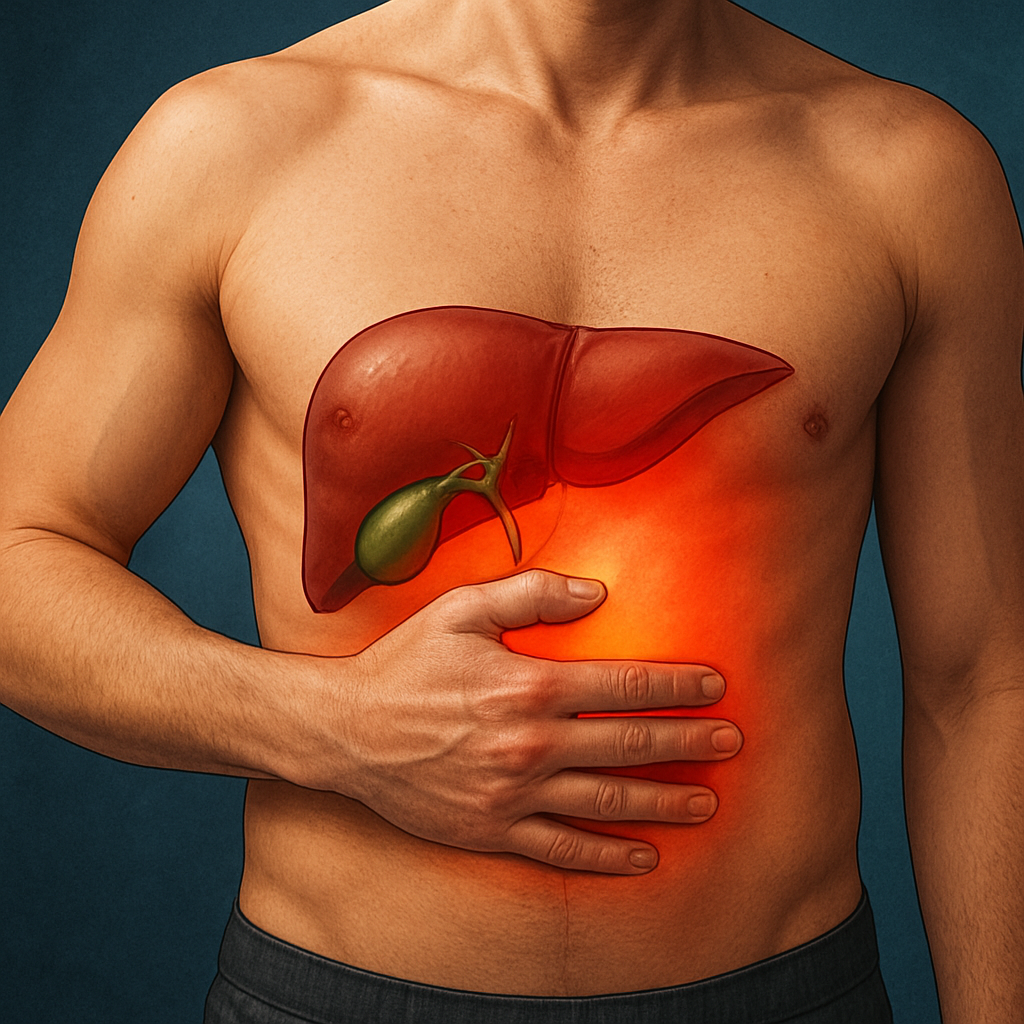
Gallbladder Problems: Signs, Treatment Options and When to See a Surgeon in Dhaka
Gallbladder Problems: Signs, Treatment Options and When to See a Surgeon in Dhaka In Dhaka, gall bladder problems can masquerade […]
Read More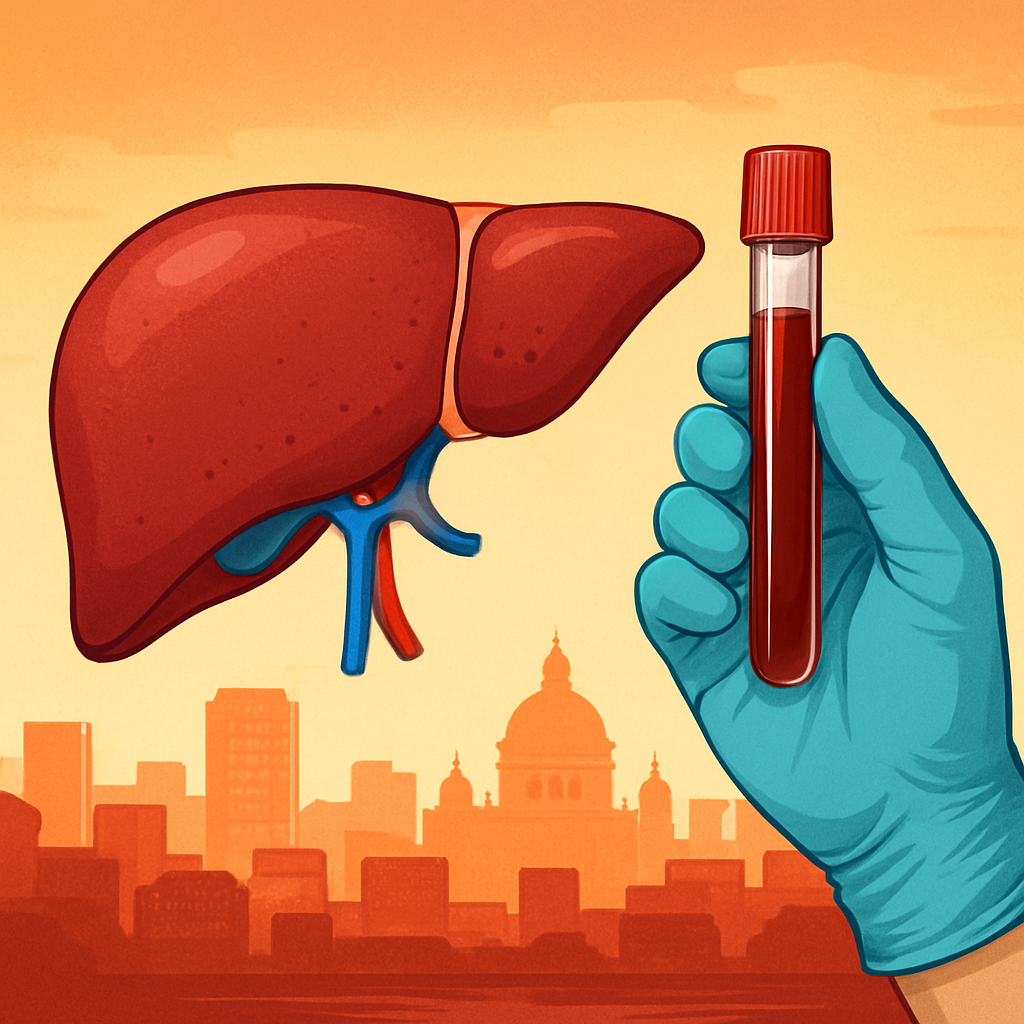
Understanding Liver Function Tests: A Clear Guide for Patients in Dhaka
Understanding Liver Function Tests: A Clear Guide for Patients in Dhaka If you are in Dhaka and have jaundice, abdominal […]
Read More