
Cholelithiasis (Gallstone Disease): Evidence-Based Diagnosis, Risk Stratification, and Contemporary Management

Photo Cholelithiasis

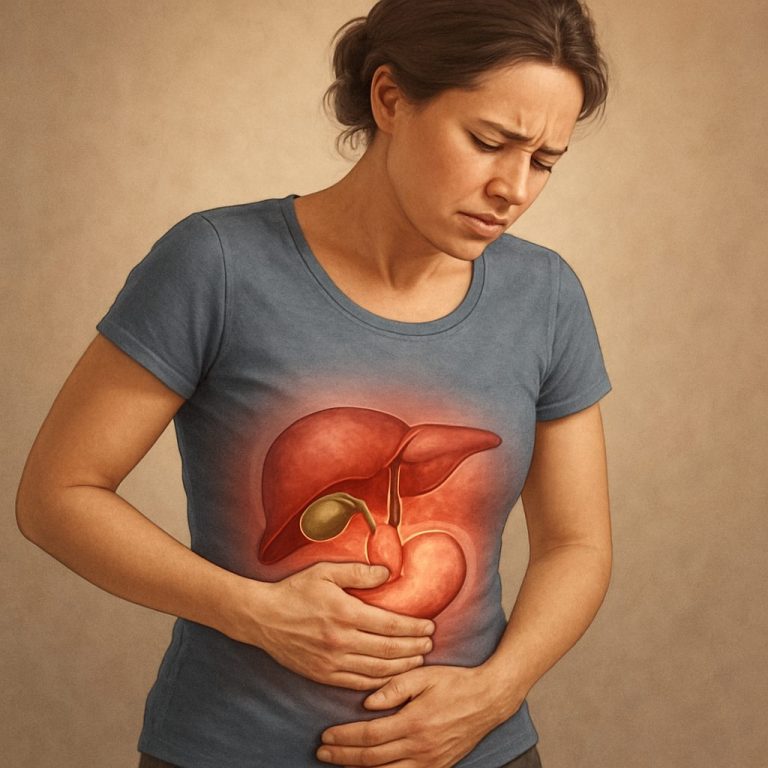
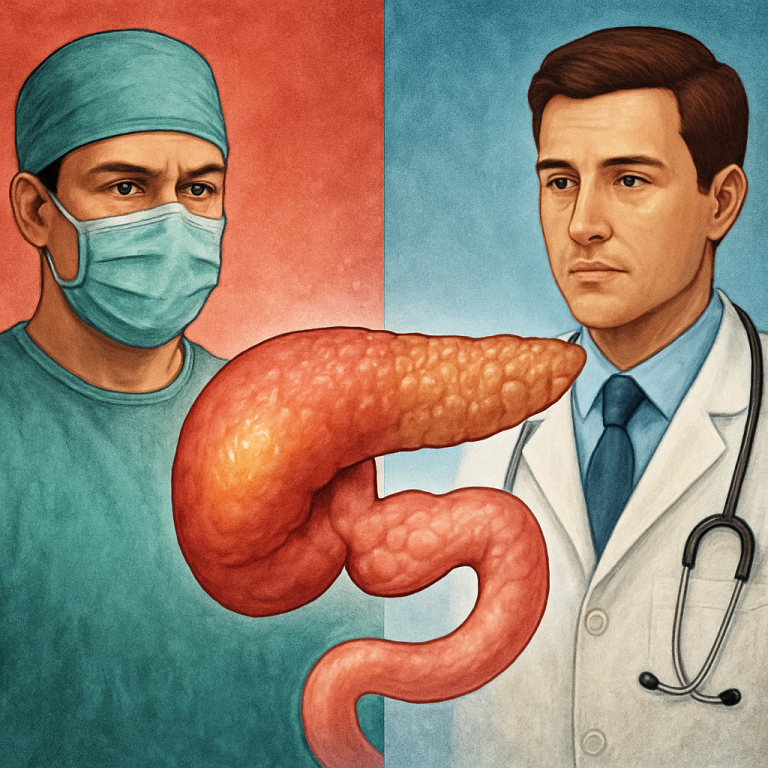
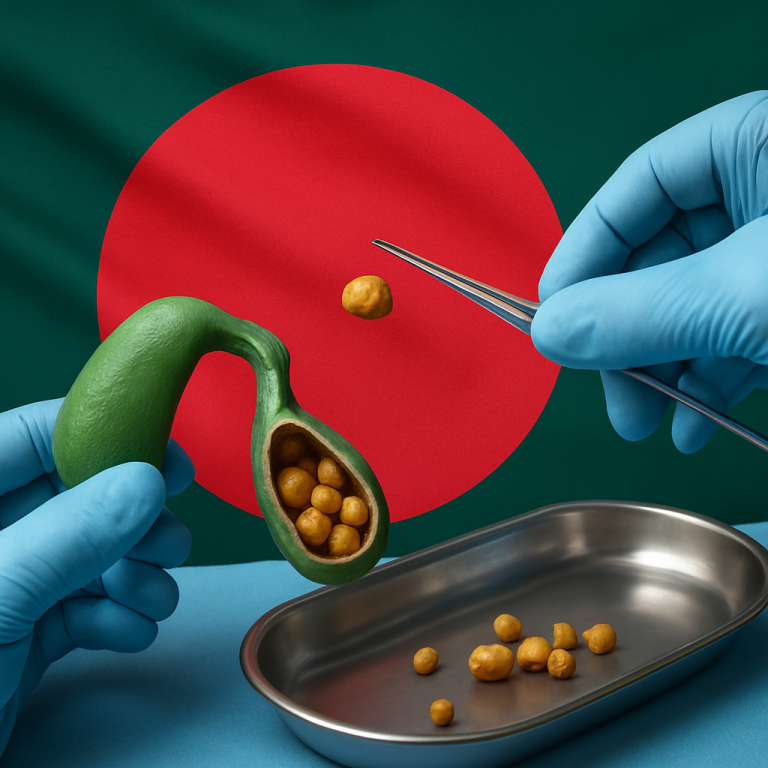
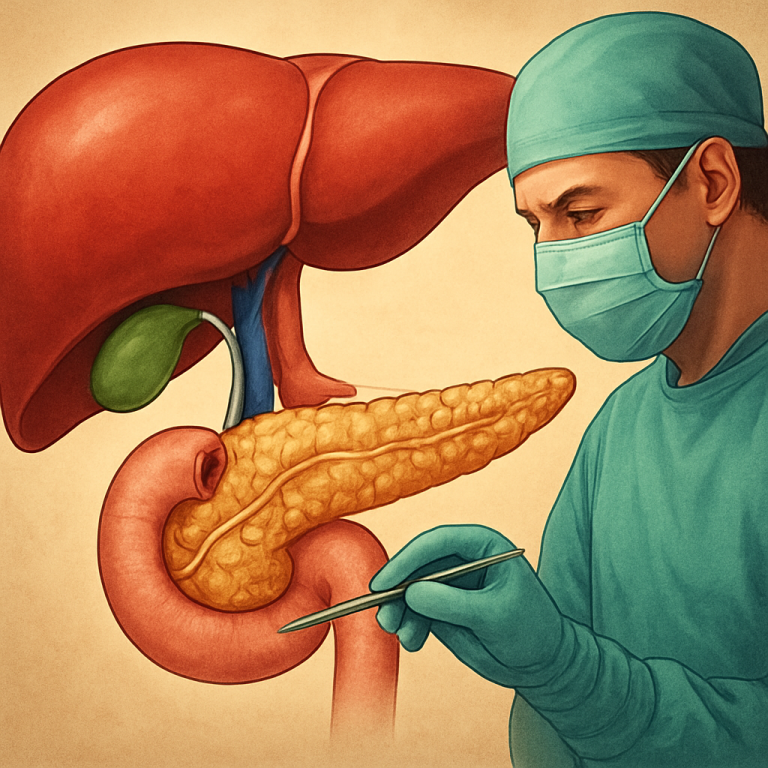
Cholelithiasis, commonly known as gallstones, is a condition characterized by the formation of solid particles within the gallbladder, a small organ located beneath the liver. These stones can vary in size, composition, and number, and they may be asymptomatic or lead to significant clinical complications. The gallbladder plays a crucial role in the digestive system by storing bile, a substance produced by the liver that aids in the digestion of fats. When the balance of substances that make up bile is disrupted, it can lead to the crystallization of cholesterol or bilirubin, resulting in gallstone formation.

The clinical significance of cholelithiasis lies not only in its prevalence but also in its potential to cause various complications, such as cholecystitis, pancreatitis, and cholangitis. Symptoms may include abdominal pain, nausea, vomiting, and jaundice, particularly when stones obstruct the bile ducts. Understanding cholelithiasis is essential for healthcare professionals as it informs diagnosis, management strategies, and patient education regarding lifestyle modifications that may reduce the risk of stone formation.

Cholelithiasis, commonly known as gallstone disease, presents a significant clinical challenge, necessitating a thorough understanding of its evidence-based diagnosis, risk stratification, and contemporary management strategies. For further insights into related topics, you may find the article on the art of drawing readers in particularly useful, as it discusses effective communication techniques that can enhance patient education and engagement in managing gallstone disease. You can read it here: The Art of Drawing Readers In.

Epidemiology and Risk Factors for Cholelithiasis

Cholelithiasis is a common condition that affects millions of individuals worldwide. Epidemiological studies indicate that the prevalence of gallstones varies significantly across different populations and geographic regions. In Western countries, it is estimated that approximately 10-20% of adults have gallstones, with higher rates observed in women compared to men. Factors such as age, gender, ethnicity, and obesity play a pivotal role in the development of this condition. For instance, women are more likely to develop gallstones due to hormonal influences, particularly during pregnancy or when using hormone replacement therapy.

Several risk factors contribute to the formation of gallstones. Obesity is one of the most significant risk factors, as excess body weight can lead to increased cholesterol levels in bile. Additionally, rapid weight loss through extreme dieting can also precipitate gallstone formation. Other factors include a sedentary lifestyle, certain medical conditions such as diabetes and liver disease, and dietary habits high in refined carbohydrates and low in fiber. Understanding these epidemiological trends and risk factors is crucial for healthcare providers to identify at-risk populations and implement preventive measures.

Evidence-Based Diagnosis of Cholelithiasis

Cholelithiasis

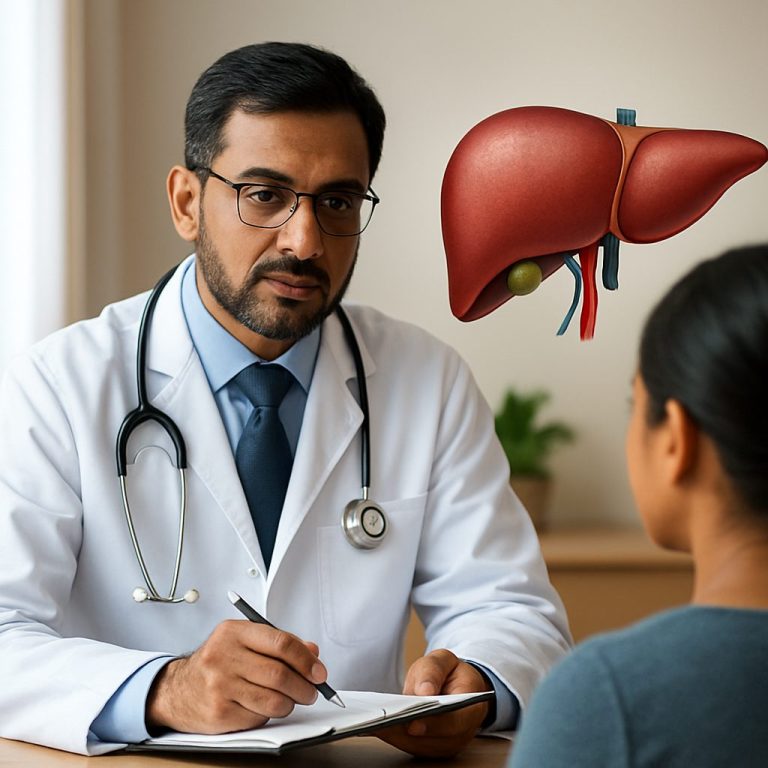
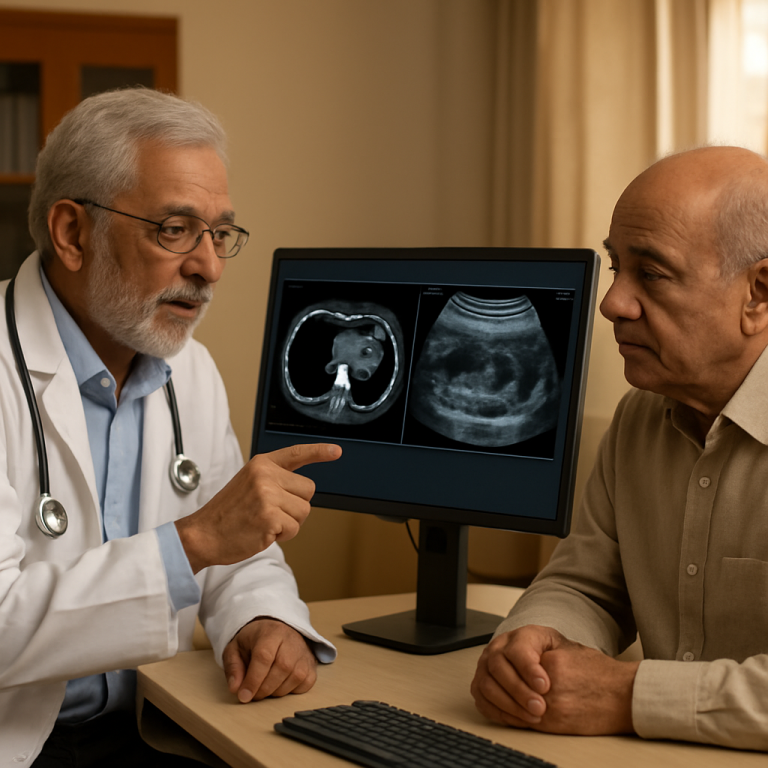
The diagnosis of cholelithiasis typically begins with a thorough patient history and physical examination. Patients often present with characteristic symptoms such as biliary colic or acute abdominal pain. However, not all individuals with gallstones exhibit symptoms; thus, imaging studies play a vital role in confirming the diagnosis. Ultrasound is considered the first-line imaging modality due to its non-invasive nature and ability to visualize gallstones effectively. It can also assess for complications such as gallbladder inflammation or bile duct obstruction.

In some cases, additional imaging techniques may be employed to provide further diagnostic clarity. Computed tomography (CT) scans and magnetic resonance cholangiopancreatography (MRCP) are valuable tools for evaluating complex cases or when complications are suspected. Blood tests may also be conducted to assess liver function and detect any signs of infection or inflammation. The integration of clinical findings with imaging results allows for an accurate diagnosis of cholelithiasis and guides subsequent management decisions.

Risk Stratification for Cholelithiasis

Photo Cholelithiasis

Risk stratification is an essential component of managing cholelithiasis, as it helps healthcare providers determine the likelihood of complications and tailor treatment plans accordingly. Various scoring systems and clinical criteria have been developed to assess the severity of the condition and identify patients who may benefit from surgical intervention versus those who can be managed conservatively. Factors such as age, comorbidities, symptom severity, and imaging findings are considered during this process.

Patients presenting with acute cholecystitis or pancreatitis due to gallstone obstruction are typically classified as high-risk candidates for surgical intervention. Conversely, asymptomatic individuals with incidental findings of gallstones may be classified as low-risk and managed with observation and lifestyle modifications. This stratification not only aids in optimizing patient outcomes but also helps allocate healthcare resources effectively by identifying those who require immediate attention versus those who can be monitored over time.

Cholelithiasis, commonly known as gallstone disease, presents a significant challenge in clinical practice, and understanding its complexities is crucial for effective management. A related article that delves into the nuances of this condition is available at Crafting Captivating Headlines, which discusses evidence-based approaches to diagnosis and risk stratification. This resource can enhance your understanding of contemporary management strategies and provide insights into the latest research findings in the field.

Contemporary Management of Cholelithiasis

Parameter Details Evidence Level Clinical Implication
Prevalence 10-15% in adults in developed countries High (Epidemiological studies) Common condition; screening in symptomatic patients recommended
Risk Factors Female sex, obesity, age >40, rapid weight loss, pregnancy, certain ethnicities High (Multiple cohort studies) Risk stratification for preventive counseling
Diagnostic Modality Ultrasound (US) High (Meta-analyses) First-line imaging with sensitivity >95% for gallstones
Alternative Imaging MRCP, Endoscopic Ultrasound (EUS) Moderate to High Used for suspected choledocholithiasis or inconclusive US
Laboratory Tests Liver function tests, bilirubin, amylase/lipase Moderate Support diagnosis and detect complications like cholangitis or pancreatitis
Management – Asymptomatic Observation High No intervention unless high risk of complications
Management – Symptomatic Laparoscopic cholecystectomy High (RCTs and guidelines) Definitive treatment to prevent recurrence and complications
Management – Choledocholithiasis ERCP with stone extraction followed by cholecystectomy High Essential to relieve obstruction and prevent cholangitis
Complication Rate 5-10% risk of acute cholecystitis or pancreatitis in symptomatic patients Moderate Urgent intervention may be required
Recurrence Rate Post-ERCP Up to 20% if cholecystectomy not performed Moderate Supports recommendation for cholecystectomy after ERCP

The management of cholelithiasis has evolved significantly over the years, with a focus on evidence-based practices that prioritize patient safety and outcomes. For symptomatic patients, particularly those experiencing recurrent biliary colic or complications such as cholecystitis, surgical intervention is often recommended. Laparoscopic cholecystectomy has become the gold standard for treating symptomatic gallstones due to its minimally invasive nature, shorter recovery times, and reduced postoperative pain compared to open surgery.

In addition to surgical options, contemporary management also emphasizes patient education regarding lifestyle modifications that can help prevent gallstone formation. Dietary changes such as increasing fiber intake, reducing saturated fats, and maintaining a healthy weight are crucial components of prevention strategies. Furthermore, healthcare providers are encouraged to engage patients in discussions about their individual risk factors and empower them to make informed decisions about their health.

Cholelithiasis, commonly known as gallstone disease, is a condition that can lead to significant complications if not properly managed. For those seeking a deeper understanding of this condition, a related article discusses the latest advancements in the diagnosis and treatment of gallstones. This resource provides valuable insights into evidence-based practices and risk stratification strategies that can enhance patient care. To explore this informative piece further, you can visit the article [here](https://update.drarefin.com/news/).

Non-Surgical Treatment Options for Cholelithiasis

For reliable advice, you can get best medical expert consultation online.
While surgical intervention remains the primary treatment for symptomatic cholelithiasis, non-surgical options are available for select patients who may not be candidates for surgery or prefer alternative approaches. One such option is pharmacological therapy using bile acid dissolution agents like ursodeoxycholic acid (UDCA). This medication works by gradually dissolving cholesterol-based gallstones over time; however, it is most effective for small stones and requires prolonged treatment.

Another non-surgical approach involves endoscopic techniques such as endoscopic retrograde cholangiopancreatography (ERCP). This procedure can be utilized to remove stones from the bile duct and relieve obstruction without necessitating cholecystectomy. ERCP is particularly beneficial for patients experiencing complications related to choledocholithiasis (bile duct stones) but does not address stones within the gallbladder itself. As such, careful patient selection is essential when considering non-surgical treatment options for cholelithiasis.

Surgical Management of Cholelithiasis

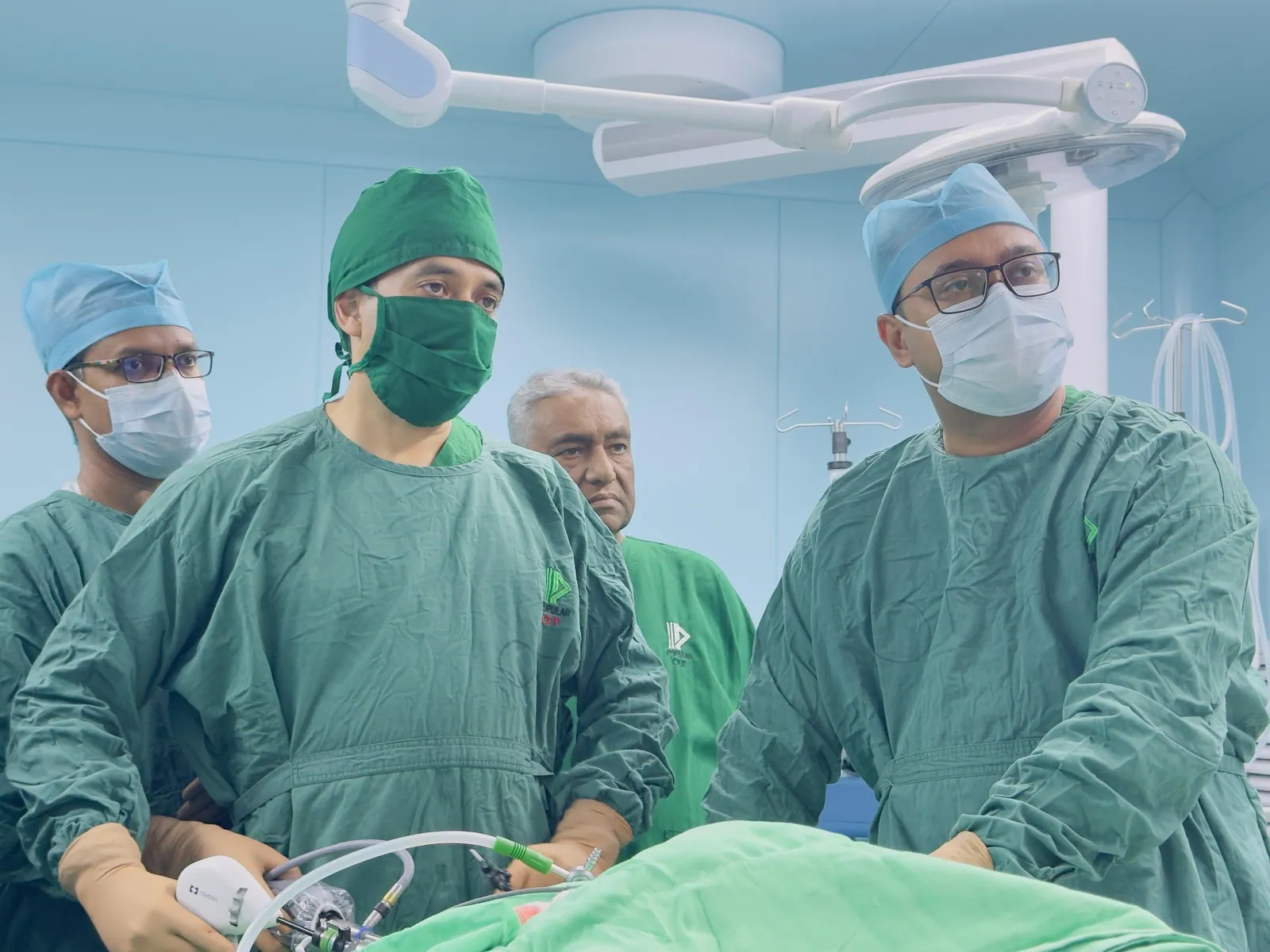
Surgical management of cholelithiasis primarily involves laparoscopic cholecystectomy, which has revolutionized the treatment landscape for this condition. This minimally invasive procedure entails the removal of the gallbladder through small incisions in the abdomen using specialized instruments and a camera for visualization. The advantages of laparoscopic cholecystectomy include reduced postoperative pain, shorter hospital stays, quicker recovery times, and minimal scarring compared to traditional open surgery.

In certain cases where laparoscopic techniques are not feasible due to anatomical challenges or complications such as severe inflammation or infection, open cholecystectomy may be necessary. This approach involves a larger incision and may require a longer recovery period; however, it remains a safe and effective option for managing complicated cases of cholelithiasis. Regardless of the surgical approach taken, careful preoperative assessment and postoperative monitoring are essential to ensure optimal patient outcomes.

Complications and Prognosis of Cholelithiasis

Cholelithiasis can lead to various complications if left untreated or inadequately managed. The most common complications include acute cholecystitis, which occurs when a gallstone obstructs the cystic duct leading to inflammation of the gallbladder; pancreatitis resulting from obstruction of the pancreatic duct; and cholangitis, an infection of the bile duct system caused by bile stasis. These complications can result in significant morbidity and may require urgent surgical intervention.

The prognosis for individuals with cholelithiasis largely depends on timely diagnosis and appropriate management. Asymptomatic patients often have an excellent prognosis with minimal risk of complications; however, those with symptomatic disease or complications face a more guarded outlook if not treated promptly. Overall, advancements in diagnostic techniques and surgical methods have improved outcomes for patients with cholelithiasis, underscoring the importance of early recognition and intervention in this common yet potentially serious condition.

Contact Me

FAQs

What is cholelithiasis (gallstone disease)?

Cholelithiasis, commonly known as gallstone disease, is the formation of solid particles called gallstones within the gallbladder. These stones are primarily composed of cholesterol, bile pigments, or a mixture of both, and can cause symptoms ranging from none to severe abdominal pain.

How is cholelithiasis diagnosed?

Diagnosis of cholelithiasis typically involves a combination of patient history, physical examination, and imaging studies. Ultrasound is the most commonly used and effective imaging modality to detect gallstones. Blood tests may also be performed to assess liver function and check for signs of infection or inflammation.

What are the risk factors for developing gallstones?

Risk factors for gallstone formation include obesity, female gender, age over 40, pregnancy, rapid weight loss, certain medical conditions like diabetes, and genetic predisposition. Diets high in fat and cholesterol and low in fiber can also increase the risk.

What are the treatment options for gallstone disease?

Treatment depends on the presence and severity of symptoms. Asymptomatic gallstones often require no treatment. Symptomatic cases may be managed with pain control, and definitive treatment usually involves surgical removal of the gallbladder (cholecystectomy). In some cases, non-surgical options like oral bile acid therapy or lithotripsy may be considered.

How is risk stratification used in managing cholelithiasis?

Risk stratification helps clinicians determine the likelihood of complications such as cholecystitis or choledocholithiasis and guides management decisions. Factors considered include symptom severity, stone size and number, patient comorbidities, and laboratory findings. This approach ensures personalized and evidence-based care.

Scroll to Top