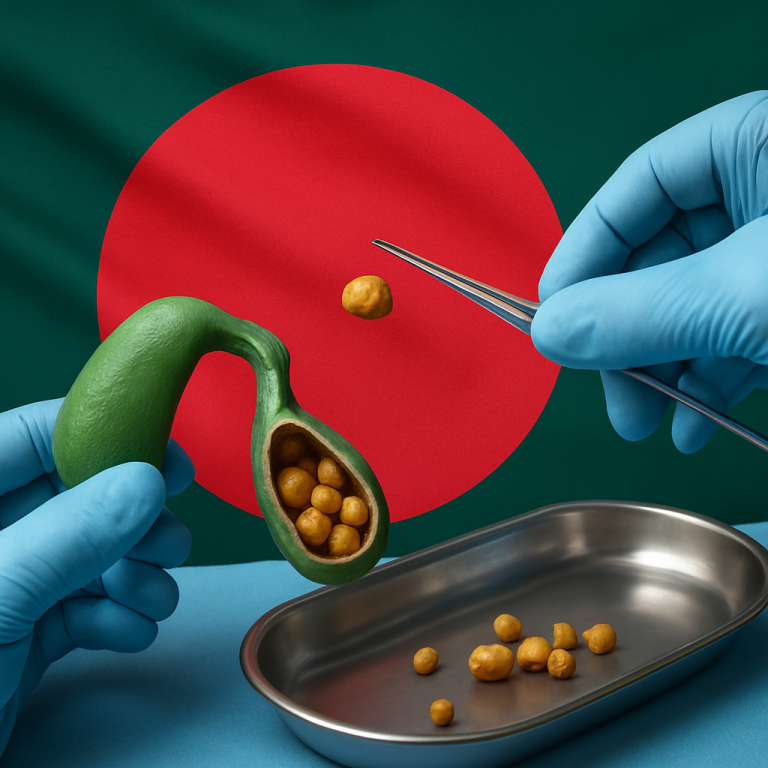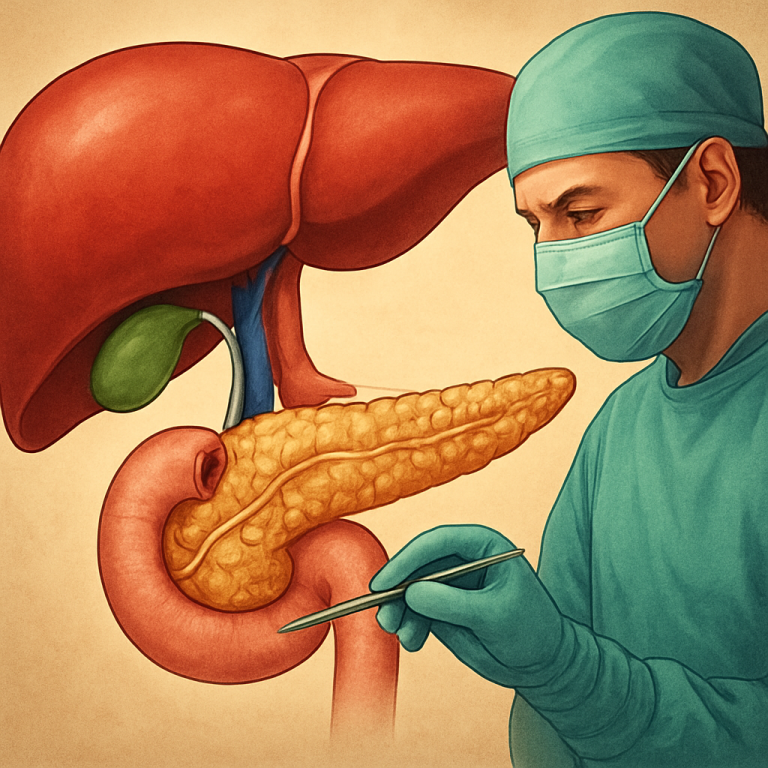

Gallbladder polyps are growths that develop on the inner lining of the gallbladder, a small organ located beneath the liver that plays a crucial role in digestion. These polyps can vary in size and number, and while many are benign, some may have the potential to become cancerous. I find it fascinating how these growths can form due to various factors, including inflammation, cholesterol deposits, or even genetic predispositions. The exact mechanism behind their formation is still not entirely understood, but it is believed that chronic irritation or inflammation of the gallbladder lining can lead to polyp development.
As I delve deeper into the subject, I realize that gallbladder polyps are often discovered incidentally during imaging tests for other conditions. This incidental finding can be both a relief and a source of concern, as the presence of polyps may raise questions about their nature and potential implications for my health. Understanding the types of polyps—such as cholesterol polyps, adenomas, and inflammatory polyps—can help me grasp the varying degrees of risk associated with each type. While most gallbladder polyps are harmless, it is essential to monitor them to ensure they do not progress into something more serious.
For those interested in further exploring the complexities surrounding gallbladder polyps, including risk assessment and management strategies, a related article can be found at this link. This resource delves into the latest findings and recommendations regarding surveillance protocols and the indications for surgical intervention, providing valuable insights for both patients and healthcare professionals.
Risk Factors for Gallbladder Polyps: Who Is at Risk and Why
When considering gallbladder polyps, I find it crucial to understand the risk factors that may predispose individuals to develop these growths. Age is a significant factor; as I age, my risk of developing gallbladder polyps increases. Studies indicate that individuals over the age of 50 are more likely to have these polyps, which makes me more vigilant about my health as I grow older. Additionally, gender plays a role, with women being more prone to gallbladder polyps than men. This disparity may be linked to hormonal factors, particularly estrogen levels, which can influence gallbladder function.
Obesity is another critical risk factor that I cannot overlook. Excess body weight can lead to increased cholesterol levels and bile saturation, creating an environment conducive to polyp formation. Furthermore, certain medical conditions such as diabetes and liver disease can elevate my risk. As I reflect on my lifestyle choices, I recognize that maintaining a healthy weight and managing chronic conditions are essential steps in reducing my likelihood of developing gallbladder polyps.
Symptoms of Gallbladder Polyps: Recognizing the Signs and Seeking Medical Attention

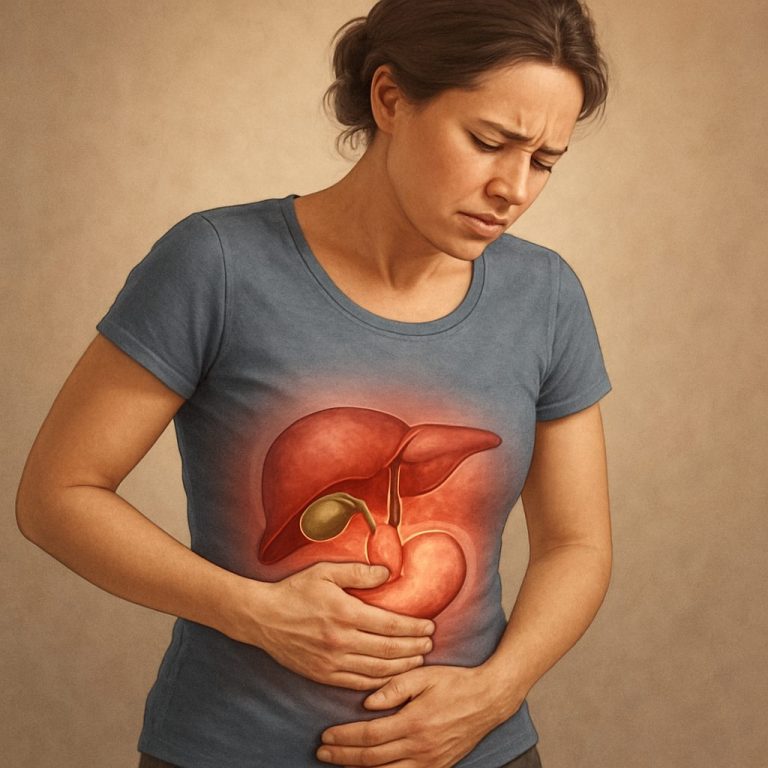
One of the most challenging aspects of gallbladder polyps is that they often do not present any noticeable symptoms. In many cases, I might remain completely unaware of their presence until they are discovered during imaging tests. However, if symptoms do occur, they may include abdominal pain, particularly in the upper right quadrant, nausea, or digestive disturbances. These signs can be vague and easily attributed to other gastrointestinal issues, which makes it imperative for me to pay attention to my body and seek medical advice if I experience persistent discomfort.
Recognizing the signs of gallbladder polyps is crucial for early intervention. If I notice any unusual symptoms or changes in my digestive health, I must not hesitate to consult a healthcare professional. Early detection can lead to better management options and reduce the risk of complications down the line. It’s essential for me to be proactive about my health and communicate openly with my doctor about any concerns I may have regarding gallbladder health.
Diagnosis of Gallbladder Polyps: Imaging Tests and Biopsy Procedures

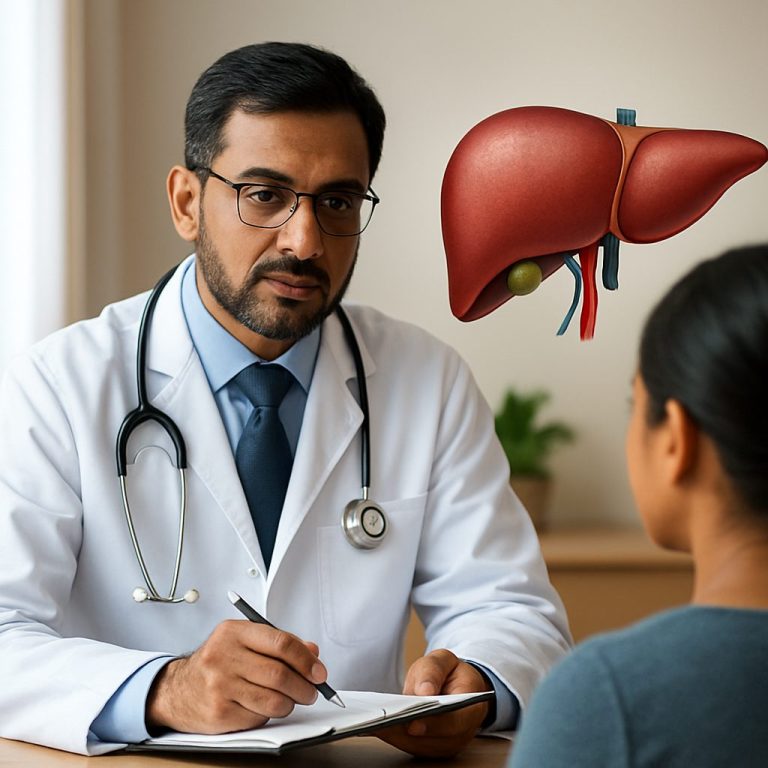
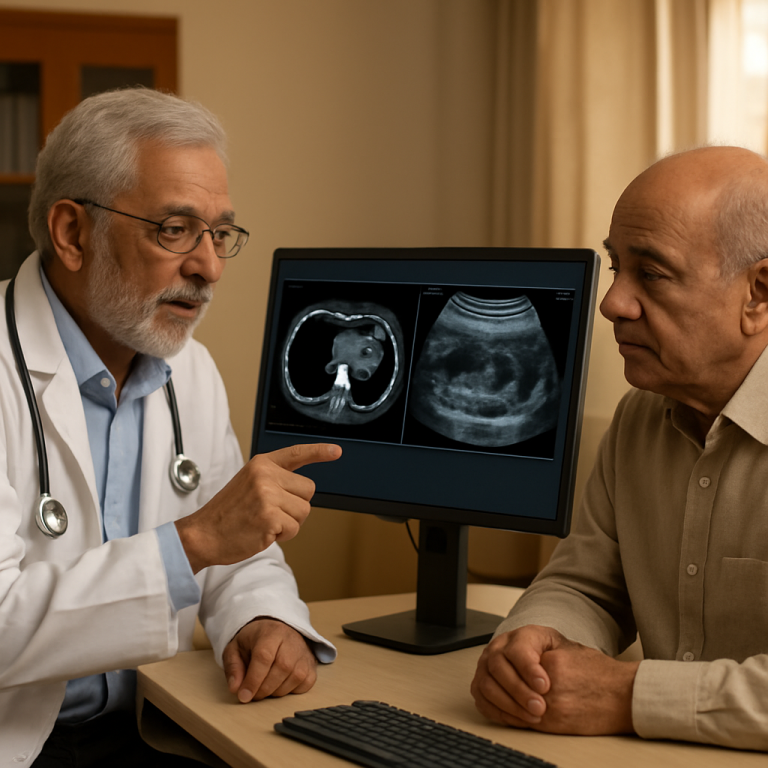
The diagnosis of gallbladder polyps typically begins with imaging tests such as ultrasound or CT scans. These non-invasive procedures allow healthcare providers to visualize the gallbladder and identify any abnormal growths. I find it reassuring that ultrasound is often the first-line imaging technique due to its safety and effectiveness in detecting gallbladder abnormalities. If a polyp is identified, my doctor may recommend further imaging studies or monitoring based on its size and characteristics.
In some cases, a biopsy may be necessary to determine the nature of the polyp. This procedure involves taking a small sample of tissue from the polyp for laboratory analysis. While this may sound intimidating, I understand that it is a critical step in ensuring that any potentially cancerous growths are identified early on. The results from these tests will guide my healthcare team in determining the best course of action for managing my condition.
In the context of understanding gallbladder polyps, it is essential to explore various aspects of their management and implications for patient care. A related article that delves into the nuances of this topic is available at the art of drawing readers in, which discusses effective strategies for engaging audiences in medical writing. This resource can provide valuable insights for healthcare professionals looking to enhance their communication skills while addressing complex subjects like risk assessment and surveillance protocols for gallbladder polyps.
Surveillance Protocols for Gallbladder Polyps: Monitoring and Managing Small Polyps
| Parameter | Details | Risk Level | Recommended Surveillance | Surgical Indication |
|---|---|---|---|---|
| Polyp Size | Less than 5 mm | Low | Ultrasound every 2-3 years | Not indicated |
| Polyp Size | 5-9 mm | Intermediate | Ultrasound every 6-12 months | Consider surgery if growth or symptoms develop |
| Polyp Size | 10 mm or larger | High | Immediate surgical consultation | Cholecystectomy recommended |
| Number of Polyps | Single | Variable | Depends on size and symptoms | Based on size and risk factors |
| Number of Polyps | Multiple | Generally lower risk | Ultrasound every 1-2 years | Surgery if symptomatic or large polyps present |
| Patient Age | Over 50 years | Increased risk | Closer surveillance recommended | Lower threshold for surgery |
| Symptoms | Present (e.g., pain, jaundice) | High | Urgent evaluation | Cholecystectomy indicated |
| Polyp Morphology | Sessile or irregular | Higher risk of malignancy | Frequent imaging every 3-6 months | Surgery recommended |
| Associated Gallstones | Present | Increased risk | Regular monitoring | Consider surgery if symptomatic |
For small gallbladder polyps—typically those measuring less than 1 cm—surveillance is often recommended rather than immediate intervention. I appreciate that this approach allows for careful monitoring without subjecting myself to unnecessary surgical procedures. My healthcare provider may suggest regular follow-up ultrasounds every six months or annually to track any changes in the size or appearance of the polyps.
During these surveillance appointments, I can gain valuable insights into my gallbladder health and make informed decisions about my care. If a polyp remains stable over time, it may not require any treatment at all. However, if there are signs of growth or changes in characteristics, my doctor may discuss further evaluation or surgical options with me. This proactive monitoring gives me peace of mind while ensuring that I remain vigilant about my health.
In the context of gallbladder polyps, understanding the appropriate risk assessment and surveillance protocols is crucial for effective management. A related article discusses the importance of crafting captivating headlines, which can be likened to the need for clear communication in medical guidelines. For more insights on this topic, you can explore the article on crafting captivating headlines. This connection highlights how both fields require precision and clarity to convey essential information effectively.
When Surgery Is Indicated for Gallbladder Polyps: Factors to Consider and Surgical Options
For reliable advice, you can get best medical expert consultation online.
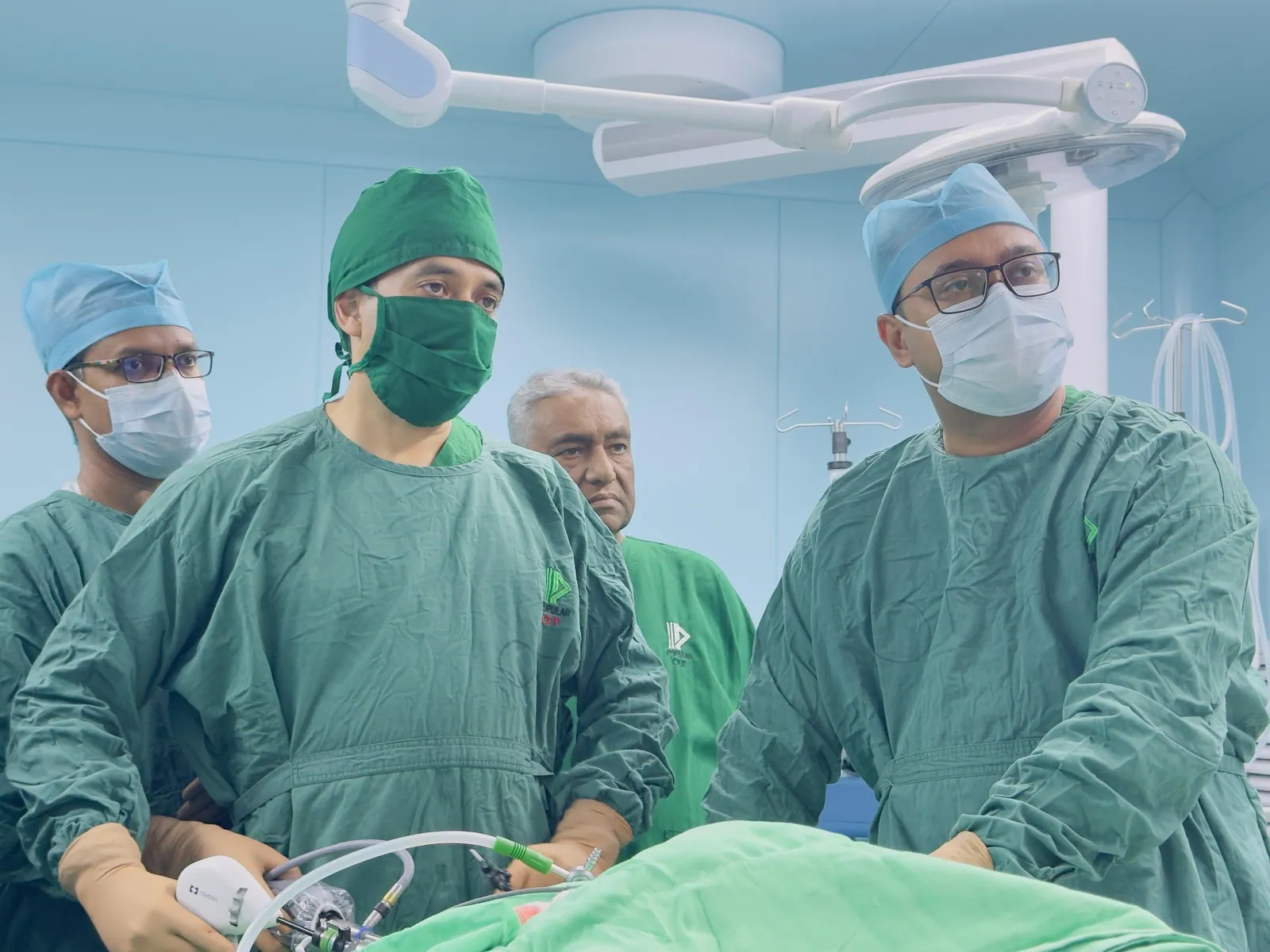
Surgery becomes a consideration when gallbladder polyps exceed 1 cm in size or if there are concerning features that suggest malignancy. The decision to proceed with surgery is not taken lightly; it involves weighing the risks and benefits based on individual circumstances. If I find myself in this situation, my healthcare team will discuss various surgical options with me, including laparoscopic cholecystectomy—the most common procedure for removing the gallbladder.
I understand that while surgery can be an effective solution for managing larger or suspicious polyps, it also carries inherent risks such as infection or complications related to anesthesia. Therefore, it’s essential for me to have open discussions with my surgeon about my specific case and any concerns I may have regarding the procedure. Ultimately, making an informed decision about surgery will depend on careful consideration of my overall health and the potential risks associated with leaving the polyps untreated.
Complications of Gallbladder Polyps: Potential Risks and Long-term Effects
While many gallbladder polyps are benign and pose little risk, there are potential complications that I must be aware of. One significant concern is the possibility of malignant transformation, particularly with certain types of polyps such as adenomas. If left untreated, these growths could develop into gallbladder cancer over time. This potential risk underscores the importance of regular monitoring and timely intervention when necessary.
Additionally, larger polyps may lead to other complications such as biliary obstruction or inflammation of the gallbladder (cholecystitis). These conditions can result in severe abdominal pain and require immediate medical attention. As I reflect on these potential risks, I realize that staying informed about my health and maintaining regular check-ups with my healthcare provider are vital steps in preventing complications associated with gallbladder polyps.
Recovery and Follow-up After Gallbladder Polyp Surgery: What to Expect
If I undergo surgery for gallbladder polyps, understanding the recovery process is essential for managing my expectations. Typically, laparoscopic cholecystectomy is performed as an outpatient procedure, allowing me to return home on the same day. In the days following surgery, I may experience some discomfort or soreness in my abdomen as my body heals. It’s important for me to follow post-operative care instructions provided by my surgeon to ensure a smooth recovery.
Follow-up appointments will be crucial in monitoring my healing progress and addressing any concerns that may arise post-surgery. During these visits, my healthcare provider will assess my recovery and discuss any necessary lifestyle modifications or dietary changes to promote optimal healing. Knowing what to expect during recovery helps alleviate anxiety and allows me to focus on regaining my strength and returning to normal activities.
Lifestyle Changes and Prevention Strategies for Gallbladder Polyps: Promoting Gallbladder Health
As I consider ways to promote gallbladder health and potentially reduce my risk of developing polyps, lifestyle changes play a pivotal role. Adopting a balanced diet rich in fruits, vegetables, whole grains, and healthy fats can support overall digestive health. I find it beneficial to limit processed foods high in saturated fats and sugars, as these can contribute to obesity—a significant risk factor for gallbladder issues.
In addition to dietary modifications, regular physical activity is essential for maintaining a healthy weight and promoting optimal gallbladder function. Engaging in activities I enjoy—whether it’s walking, swimming, or dancing—can make exercise feel less like a chore and more like a rewarding part of my daily routine. By prioritizing these lifestyle changes, I empower myself to take control of my health and reduce the likelihood of developing gallbladder polyps.
Alternative Treatment Options for Gallbladder Polyps: Exploring Non-surgical Approaches
While surgery is often necessary for larger or concerning gallbladder polyps, I am intrigued by alternative treatment options that may be available for managing smaller polyps or those deemed low-risk. Some individuals explore dietary supplements or herbal remedies believed to support gallbladder health; however, it’s crucial for me to approach these options with caution and consult with a healthcare professional before trying anything new.
Additionally, lifestyle modifications such as stress management techniques—like yoga or meditation—can contribute positively to overall well-being and potentially impact digestive health. While these alternative approaches may not replace conventional medical treatment, they can complement my overall strategy for managing gallbladder health and enhancing my quality of life.
Research and Future Directions in Gallbladder Polyp Management: Advancements in Treatment and Care
As I look toward the future of gallbladder polyp management, ongoing research offers hope for improved treatment options and better understanding of this condition. Advances in imaging technology may enhance our ability to detect polyps earlier and more accurately assess their characteristics. Furthermore, studies exploring genetic markers associated with gallbladder cancer could lead to more personalized surveillance strategies based on individual risk profiles.
I am encouraged by the potential for new therapeutic approaches that could minimize the need for invasive procedures while effectively managing polyp growth. As researchers continue to investigate the underlying mechanisms behind gallbladder polyp formation and progression, I remain optimistic about future advancements that could enhance patient care and outcomes in this area.
In conclusion, navigating the complexities of gallbladder polyps requires a comprehensive understanding of their formation, risk factors, symptoms, diagnosis, management strategies, and ongoing research efforts. By staying informed and proactive about my health, I can take meaningful steps toward promoting gallbladder wellness while remaining vigilant about potential risks associated with these growths.
FAQs
What are gallbladder polyps?
Gallbladder polyps are growths or lesions that protrude from the lining of the gallbladder. They are often detected incidentally during imaging studies and can vary in size and type, ranging from benign cholesterol polyps to potentially malignant adenomas.
How is the risk of malignancy in gallbladder polyps assessed?
Risk assessment typically involves evaluating the size of the polyp, patient age, presence of symptoms, and polyp characteristics on imaging. Polyps larger than 10 mm, rapid growth, patient age over 50, and associated gallstones increase the risk of malignancy.
What surveillance protocols are recommended for gallbladder polyps?
Surveillance usually includes periodic ultrasound examinations to monitor polyp size and morphology. Small polyps (less than 10 mm) without risk factors may be monitored every 6 to 12 months, while larger or suspicious polyps may require more frequent follow-up or intervention.
When is surgery indicated for gallbladder polyps?
Surgical removal of the gallbladder (cholecystectomy) is generally recommended for polyps larger than 10 mm, symptomatic polyps, or those showing rapid growth or suspicious features on imaging, due to the increased risk of gallbladder cancer.
Can gallbladder polyps cause symptoms?
Most gallbladder polyps are asymptomatic and found incidentally. However, larger polyps or those causing gallbladder inflammation may lead to symptoms such as abdominal pain, nausea, or digestive disturbances.