
Duodenum Ulcer Treatment Guide With Diagnosis Steps, H pylori Care, and Relapse Prevention

Photo Duodenum Ulcer Treatment Guide

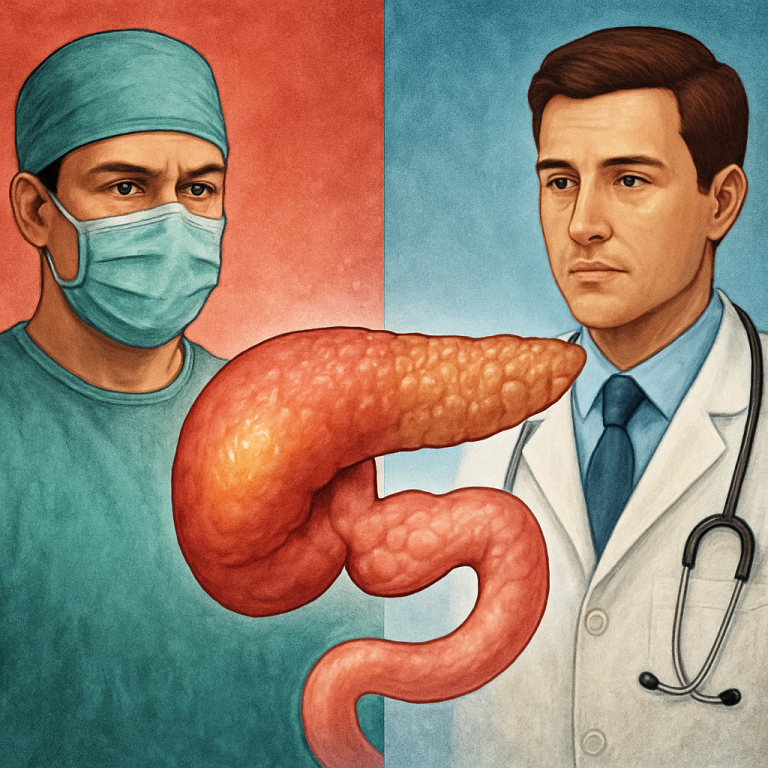
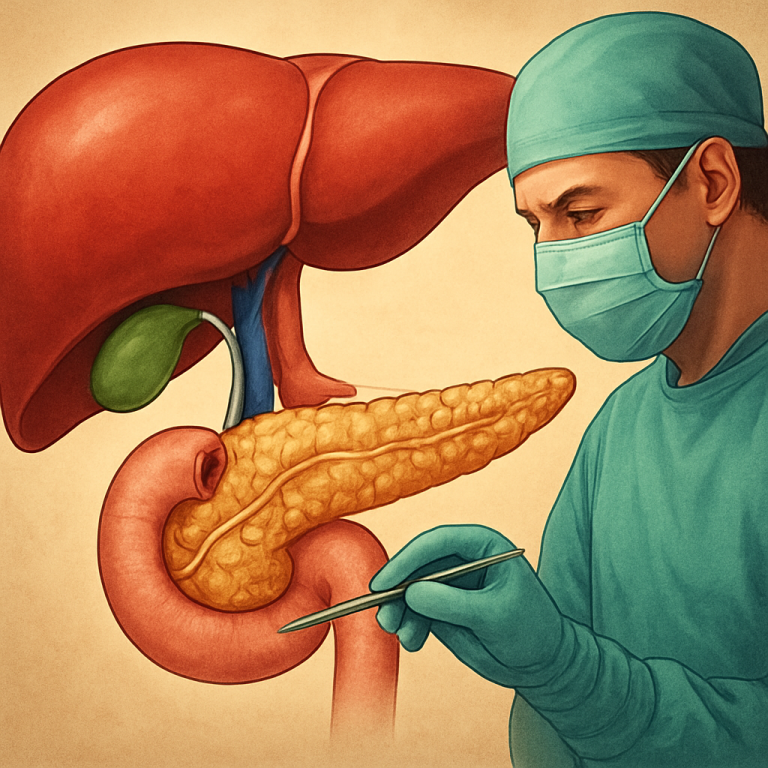
Duodenum ulcers, also known as peptic ulcers, are open sores that develop on the lining of the duodenum, which is the first part of the small intestine. I have come to understand that these ulcers can be quite painful and are often caused by an imbalance between the digestive acids in the stomach and the protective mechanisms of the intestinal lining. One of the primary culprits behind duodenum ulcers is the bacterium Helicobacter pylori (H. pylori), which can disrupt the mucosal barrier and lead to inflammation. Additionally, the overuse of nonsteroidal anti-inflammatory drugs (NSAIDs) like ibuprofen and aspirin can contribute to ulcer formation by irritating the stomach lining.

The symptoms of duodenum ulcers can vary from person to person, but I have noticed that many individuals experience a burning sensation or pain in the stomach area, particularly when the stomach is empty. This discomfort often improves after eating or taking antacids, which can provide temporary relief. Other common symptoms include bloating, nausea, and in some cases, vomiting. If I were to experience any of these symptoms persistently, it would be crucial to seek medical attention, as untreated ulcers can lead to more severe complications such as bleeding or perforation.

For those seeking comprehensive information on managing duodenum ulcers, including diagnosis steps, H. pylori care, and relapse prevention, it may be beneficial to explore a related article that delves into effective strategies for crafting captivating headlines. This resource can enhance your understanding of how to present medical information engagingly and effectively. You can read more about it here: Crafting Captivating Headlines.

Diagnosis Steps for Duodenum Ulcers

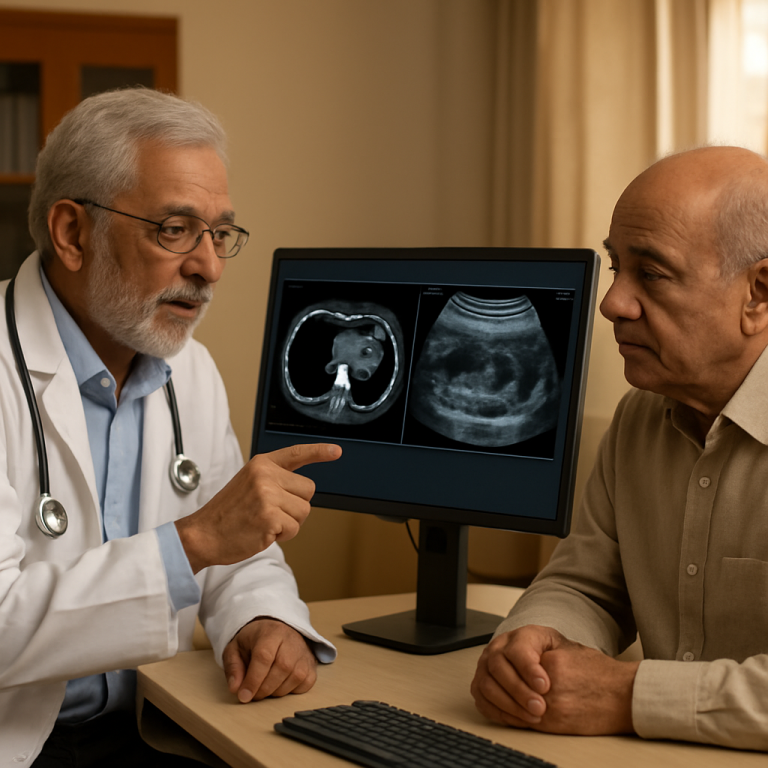
When it comes to diagnosing duodenum ulcers, healthcare professionals typically follow a systematic approach. Initially, I would expect my doctor to take a thorough medical history and conduct a physical examination. This step is essential for understanding my symptoms and any potential risk factors I may have, such as a history of H. pylori infection or NSAID use. Based on this initial assessment, my doctor might recommend further diagnostic tests to confirm the presence of an ulcer.

One common diagnostic tool is an upper gastrointestinal (GI) endoscopy, where a thin, flexible tube with a camera is inserted through the mouth and into the stomach and duodenum. This procedure allows my doctor to visualize the lining of my digestive tract directly and take biopsies if necessary. Additionally, non-invasive tests such as breath, stool, or blood tests can help detect H. pylori infection. These diagnostic steps are crucial for determining the appropriate treatment plan and ensuring that any underlying issues are addressed.

Treatment Options for Duodenum Ulcers

Duodenum Ulcer Treatment Guide

Once diagnosed with a duodenum ulcer, I would be relieved to know that there are several effective treatment options available. The primary goal of treatment is to relieve symptoms, promote healing, and prevent complications. My doctor would likely recommend a combination of medications and lifestyle changes tailored to my specific situation. For instance, proton pump inhibitors (PPIs) are commonly prescribed to reduce stomach acid production, allowing the ulcer to heal more effectively.

In addition to medications, I would also be encouraged to avoid irritants that could exacerbate my condition. This includes steering clear of NSAIDs and alcohol, which can further damage the stomach lining. If H. pylori infection is confirmed, my treatment plan may involve a course of antibiotics alongside PPIs to eradicate the bacteria completely. Understanding these treatment options gives me hope for recovery and emphasizes the importance of adhering to my healthcare provider’s recommendations.

H. pylori infection plays a significant role in the development of duodenum ulcers, and addressing this infection is crucial for effective treatment. If I were diagnosed with an H. pylori infection, my doctor would likely initiate a treatment regimen known as triple therapy. This typically involves taking two different antibiotics along with a PPI for about 10 to 14 days. The antibiotics work to eliminate the bacteria, while the PPI helps reduce acid production and promotes healing.

Throughout this treatment process, I would need to be vigilant about following my doctor’s instructions closely. It’s essential to complete the entire course of antibiotics even if I start feeling better before finishing the medication. Additionally, I might undergo follow-up testing after treatment to ensure that the H. pylori infection has been successfully eradicated. Understanding the importance of addressing H. pylori not only aids in healing my ulcer but also reduces the risk of recurrence in the future.

Medications for Duodenum Ulcers

Photo Duodenum Ulcer Treatment Guide

Medications play a pivotal role in managing duodenum ulcers and alleviating associated symptoms. As I navigate my treatment journey, I would likely encounter several types of medications designed to address different aspects of ulcer management. Proton pump inhibitors (PPIs) are among the most commonly prescribed medications for reducing stomach acid production. By inhibiting acid secretion, PPIs create a more favorable environment for healing ulcers.

In addition to PPIs, my doctor might prescribe antacids or H2-receptor antagonists to provide immediate relief from discomfort caused by excess stomach acid. These medications work by neutralizing stomach acid or reducing its production, respectively. Furthermore, if I were experiencing significant pain or discomfort, my healthcare provider might recommend medications specifically designed to protect the stomach lining, such as sucralfate. Understanding these various medication options empowers me to engage actively in my treatment plan and communicate effectively with my healthcare team.

For those seeking comprehensive information on gastrointestinal health, the article on Managing Stomach Health: Essential Tips and Strategies provides valuable insights that complement the Duodenum Ulcer Treatment Guide. This resource not only covers diagnosis steps and H. pylori care but also emphasizes the importance of relapse prevention, making it a crucial read for anyone dealing with similar issues.

Lifestyle Changes for Duodenum Ulcer Management

Category Step/Metric Description Notes
Diagnosis Steps Clinical Evaluation Assess symptoms such as epigastric pain, nausea, and bloating Important to differentiate from other GI disorders
Endoscopy Visual confirmation of ulcer in the duodenum Gold standard for diagnosis
H. pylori Testing Urea breath test, stool antigen test, or biopsy urease test Essential to identify infection
Laboratory Tests Complete blood count, liver function tests Rule out anemia or other complications
H. pylori Care First-line Therapy Triple therapy: PPI + Clarithromycin + Amoxicillin/Metronidazole for 14 days Adjust based on local antibiotic resistance
Second-line Therapy Quadruple therapy: PPI + Bismuth + Tetracycline + Metronidazole Used if first-line fails
Follow-up Testing Repeat urea breath or stool antigen test 4 weeks post-treatment Confirm eradication
Patient Education Discuss medication adherence and lifestyle modifications Critical for treatment success
Relapse Prevention Acid Suppression Use of PPIs or H2 blockers to reduce gastric acidity Duration depends on ulcer healing
NSAID Avoidance Discontinue or minimize use of NSAIDs NSAIDs increase risk of ulcer relapse
Lifestyle Changes Smoking cessation, reduce alcohol intake, stress management Supports mucosal healing
Regular Monitoring Periodic clinical review and endoscopy if symptoms recur Early detection of complications

In addition to medication, making certain lifestyle changes can significantly impact my recovery from duodenum ulcers. One of the most important adjustments I could make is to quit smoking if I am a smoker. Smoking has been shown to impair healing and increase the risk of ulcer recurrence. By eliminating this habit from my life, I would not only improve my chances of healing but also enhance my overall health.

Another vital lifestyle change involves managing stress levels. Stress can exacerbate ulcer symptoms and hinder healing processes. I have found that incorporating relaxation techniques such as mindfulness meditation or yoga into my daily routine can help alleviate stress and promote emotional well-being. Additionally, regular exercise can improve digestion and overall health, making it an essential component of my ulcer management strategy.

Dietary Guidelines for Duodenum Ulcer Patients

For reliable health advice, Get best medical expert consultation today.
Dietary choices play a crucial role in managing duodenum ulcers and promoting healing. As I navigate this journey, I have learned that certain foods can either aggravate or soothe my symptoms. For instance, I would want to avoid spicy foods, citrus fruits, and caffeine, as these can irritate the stomach lining and exacerbate discomfort. Instead, focusing on a balanced diet rich in whole grains, lean proteins, fruits, and vegetables can provide essential nutrients while minimizing irritation.

I have also discovered that eating smaller, more frequent meals throughout the day can help reduce acid production and prevent discomfort associated with an empty stomach. Staying hydrated is equally important; drinking plenty of water can aid digestion and support overall health. By being mindful of my dietary choices and making adjustments as needed, I can take an active role in managing my duodenum ulcer effectively.

Preventing Relapse of Duodenum Ulcers

Preventing relapse is a critical aspect of managing duodenum ulcers effectively. After experiencing an ulcer, I understand that it is essential to adopt strategies that minimize the risk of recurrence. One key approach involves adhering strictly to my prescribed treatment plan and attending regular follow-up appointments with my healthcare provider. These check-ins allow for ongoing monitoring of my condition and adjustments to my treatment plan if necessary.

Additionally, I have learned that maintaining a healthy lifestyle is vital for preventing relapse. This includes avoiding known irritants such as NSAIDs and alcohol while also managing stress levels through relaxation techniques or engaging in enjoyable activities. By prioritizing self-care and being proactive about my health, I can significantly reduce the likelihood of experiencing another duodenum ulcer in the future.

Surgical Options for Severe Duodenum Ulcers

In some cases, duodenum ulcers may become severe or complicated, necessitating surgical intervention. While surgery is not typically the first line of treatment for ulcers, it may be considered if there are complications such as bleeding or perforation that cannot be managed through medication alone. If I were faced with such a situation, I would want to discuss all available surgical options with my healthcare provider thoroughly.

One common surgical procedure for severe duodenum ulcers is called vagotomy, which involves cutting certain nerves that stimulate acid production in the stomach. This procedure may be performed alongside other techniques such as pyloroplasty or antrectomy to enhance healing and reduce acid secretion further. Understanding these surgical options provides me with insight into potential pathways for recovery should my condition require more intensive intervention.

Monitoring and Follow-Up Care for Duodenum Ulcers

Monitoring and follow-up care are essential components of managing duodenum ulcers effectively. After receiving treatment for an ulcer, I would expect my healthcare provider to schedule regular check-ups to assess my progress and ensure that healing is occurring as expected. During these appointments, I would have the opportunity to discuss any lingering symptoms or concerns I may have.

In some cases, follow-up testing may be necessary to confirm that H. pylori has been eradicated or to evaluate whether additional treatment is needed for persistent symptoms. Staying engaged in this monitoring process allows me to take an active role in my health care while ensuring that any potential issues are addressed promptly.

Seeking Support for Duodenum Ulcer Management

Managing duodenum ulcers can be challenging both physically and emotionally; therefore, seeking support is crucial during this journey. I have found that connecting with others who have experienced similar challenges can provide valuable insights and encouragement along the way. Support groups or online forums dedicated to digestive health can offer a sense of community where individuals share their experiences and coping strategies.

Additionally, discussing my feelings with friends or family members who understand what I’m going through can help alleviate feelings of isolation or frustration related to managing an ulcer condition. By seeking support from various sources—whether through professional counseling or informal conversations—I can foster resilience and maintain a positive outlook on my journey toward healing from duodenum ulcers.

Book An Appointment

FAQs

What are the common symptoms of a duodenum ulcer?

Common symptoms include burning stomach pain, bloating, nausea, vomiting, and in severe cases, bleeding or black stools. The pain often worsens on an empty stomach and may improve after eating.

How is a duodenum ulcer diagnosed?

Diagnosis typically involves a combination of medical history review, physical examination, and tests such as endoscopy, blood tests, stool tests, or breath tests to detect Helicobacter pylori infection.

What role does Helicobacter pylori (H. pylori) play in duodenum ulcers?

H. pylori is a bacteria that can infect the stomach lining and is a major cause of duodenum ulcers. It damages the protective mucous layer, leading to ulcer formation.

What are the common treatments for duodenum ulcers?

Treatment usually includes antibiotics to eradicate H. pylori, proton pump inhibitors (PPIs) to reduce stomach acid, and lifestyle changes such as avoiding NSAIDs, alcohol, and smoking.

How can relapse of duodenum ulcers be prevented?

Relapse prevention involves completing the full course of treatment, regular follow-up with a healthcare provider, avoiding ulcer-causing medications, managing stress, and maintaining a healthy diet and lifestyle.

Scroll to Top