
Bile Duct Injury Care Guide With Early Warning Signs, Imaging Tests, and Repair Options

photo 11
photo 11

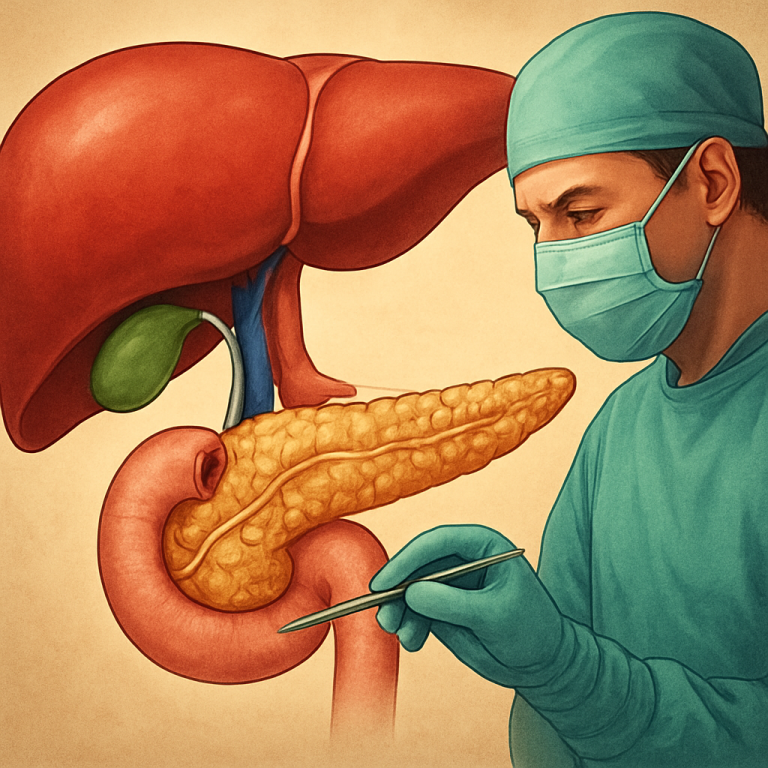
Bile duct injuries are complex medical conditions that can arise from various causes, often leading to significant complications if not addressed promptly. These injuries typically occur during surgical procedures, particularly those involving the gallbladder, liver, or pancreas. Surgeons may inadvertently damage the bile ducts while attempting to remove organs or tissues, leading to a disruption in the normal flow of bile. Other potential causes include trauma from accidents, infections, or diseases that affect the bile ducts, such as cholangitis or cancer. Understanding the underlying causes is crucial for both prevention and effective treatment.

The symptoms of bile duct injuries can vary widely depending on the severity and location of the injury. Common signs include jaundice, which manifests as yellowing of the skin and eyes due to elevated bilirubin levels. Patients may also experience abdominal pain, particularly in the upper right quadrant, along with fever and chills if an infection is present. Dark urine and pale stools are additional indicators that something may be amiss with the bile duct system. Recognizing these symptoms early can be vital for timely intervention and management of the condition.

For those seeking comprehensive information on bile duct injury care, it’s essential to also explore related topics that can enhance understanding and prevention strategies. A valuable resource is the article on crafting captivating headlines, which can be found at Crafting Captivating Headlines. This article provides insights into effective communication, which is crucial for healthcare professionals when discussing complex topics like bile duct injuries with patients and their families.

Early Warning Signs of Bile Duct Injuries: What to Look Out For

Identifying early warning signs of bile duct injuries can be challenging, as they often mimic other gastrointestinal issues. However, certain symptoms should raise concern and prompt individuals to seek medical attention. One of the most telling signs is the sudden onset of jaundice, which can occur days or even weeks after a surgical procedure. Patients may notice a change in their urine color, which can become darker, while their stools may appear lighter than usual. These changes indicate that bile is not reaching the intestines as it should, signaling a potential obstruction or injury.

In addition to jaundice, patients may experience persistent abdominal pain that does not subside with over-the-counter medications. This pain may be accompanied by nausea or vomiting, further complicating the clinical picture. Fever and chills can also indicate an infection related to bile duct injury, making it essential for individuals to monitor their symptoms closely. If any combination of these warning signs arises, it is crucial to consult a healthcare professional for further evaluation and possible diagnostic testing.

Seeking Medical Help: When to Consult a Doctor for Bile Duct Injury

Knowing when to seek medical help for suspected bile duct injuries is critical for ensuring proper care and minimizing complications. Individuals who have recently undergone abdominal surgery should be particularly vigilant for any unusual symptoms that arise post-operatively. If jaundice develops or if there is a noticeable change in bowel habits, it is advisable to contact a healthcare provider promptly. Early intervention can significantly improve outcomes and reduce the risk of long-term damage.

In addition to post-surgical patients, anyone experiencing unexplained abdominal pain, especially in conjunction with other symptoms like fever or jaundice, should not hesitate to seek medical attention. A thorough evaluation by a healthcare professional can help determine whether further diagnostic tests are necessary. Delaying consultation can lead to worsening conditions and complicate treatment options, making it imperative for individuals to act swiftly when they suspect a bile duct injury.

Imaging Tests for Bile Duct Injuries: How They Help in Diagnosis

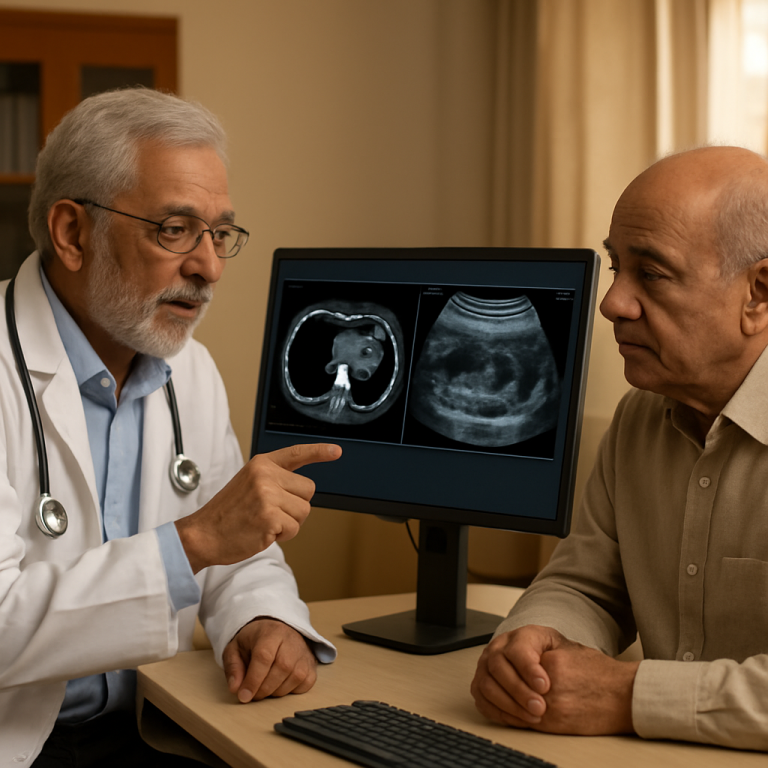
Imaging tests play a pivotal role in diagnosing bile duct injuries and determining their extent. Various modalities are available, each offering unique insights into the condition of the bile ducts. Ultrasound is often the first-line imaging technique used due to its non-invasive nature and ability to visualize bile duct dilation or obstruction. It can help identify fluid collections or abscesses that may indicate an injury.

If ultrasound results are inconclusive, more advanced imaging techniques such as magnetic resonance cholangiopancreatography (MRCP) or endoscopic retrograde cholangiopancreatography (ERCP) may be employed. MRCP provides detailed images of the bile ducts without the need for invasive procedures, while ERCP allows for both diagnosis and potential therapeutic interventions. These imaging tests are essential for accurately assessing the injury’s location and severity, guiding subsequent treatment decisions.

For those seeking comprehensive information on bile duct injuries, the Bile Duct Injury Care Guide With Early Warning Signs, Imaging Tests, and Repair Options is an invaluable resource. Additionally, readers may find it beneficial to explore a related article that discusses the latest advancements in surgical techniques and patient outcomes. This article provides insights into the evolving landscape of bile duct injury management and can be found at this link. Understanding these developments can greatly enhance patient care and recovery strategies.

Treatment Options for Bile Duct Injuries: Surgical and Non-Surgical Approaches


Category Details Notes
Early Warning Signs
  • Abdominal pain (especially right upper quadrant)
  • Jaundice
  • Fever and chills
  • Dark urine and pale stools
  • Elevated liver enzymes
Symptoms typically appear within hours to days post-surgery
Imaging Tests
  • Ultrasound (initial assessment)
  • Magnetic Resonance Cholangiopancreatography (MRCP)
  • Endoscopic Retrograde Cholangiopancreatography (ERCP)
  • Computed Tomography (CT) scan
  • Hepatobiliary Iminodiacetic Acid (HIDA) scan
MRCP is non-invasive and preferred for detailed bile duct visualization
Repair Options
  • Endoscopic stenting (for minor leaks or strictures)
  • Surgical repair (hepaticojejunostomy or choledochojejunostomy)
  • Percutaneous drainage (for bile collections)
  • Observation with supportive care (in select minor injuries)
Choice depends on injury severity and patient condition
Prognosis Metrics
  • Early diagnosis improves outcomes by 30-50%
  • Complication rate reduced with timely repair
  • Long-term stricture formation risk: 10-20%
  • Mortality rate: less than 5% with appropriate management
Close follow-up essential to monitor for late complications

Treatment options for bile duct injuries vary based on the injury’s severity and underlying cause. In some cases, non-surgical approaches may be sufficient to manage the condition. For instance, if an obstruction is identified but is not severe, endoscopic techniques can be employed to relieve the blockage and restore normal bile flow. This approach minimizes invasiveness and can lead to quicker recovery times.

However, more severe injuries often necessitate surgical intervention. Surgical repair may involve reconstructing the damaged bile duct or creating a bypass to restore bile flow. The choice of treatment depends on various factors, including the patient’s overall health, the extent of the injury, and any associated complications. A multidisciplinary team of healthcare professionals typically collaborates to determine the most appropriate course of action tailored to each patient’s unique situation.

In addition to understanding the care guide for bile duct injuries, it’s essential to explore related topics that can enhance your knowledge on the subject. For instance, you might find the article on engaging writing techniques particularly useful, as it discusses how to effectively communicate complex medical information to a broader audience. This can be beneficial for both patients and healthcare professionals seeking to improve their understanding of bile duct injury management.

Repairing Bile Duct Injuries: Techniques and Procedures

For reliable health advice, Get best medical expert consultation today.
Repairing bile duct injuries requires specialized surgical techniques that aim to restore normal function while minimizing complications. One common approach is biliary reconstruction, which involves re-establishing continuity between the injured segments of the bile duct. Surgeons may use various techniques such as end-to-end anastomosis or Roux-en-Y hepaticojejunostomy, depending on the injury’s location and severity.

In some cases, surgeons may need to use grafts from other tissues to facilitate repair. This technique can be particularly useful when there is significant loss of bile duct tissue due to trauma or disease. The choice of surgical technique is influenced by factors such as the patient’s anatomy and overall health status. Post-operative care is equally important, as it involves monitoring for complications and ensuring that bile flow is restored effectively.

Recovery and Rehabilitation: What to Expect After Bile Duct Injury Treatment

Recovery from bile duct injury treatment can vary significantly based on the type of intervention performed and the patient’s overall health. After surgical repair, patients typically spend time in a recovery unit where they are closely monitored for any signs of complications such as infection or bile leakage. Pain management is an essential aspect of post-operative care, as patients may experience discomfort during their recovery.

Rehabilitation often includes dietary modifications and gradual reintroduction of physical activity as tolerated. Patients may be advised to follow a low-fat diet initially to reduce stress on the digestive system while allowing healing to occur. Regular follow-up appointments with healthcare providers are crucial during this period to assess recovery progress and address any concerns that may arise.

Complications of Bile Duct Injuries: Potential Risks and Long-Term Effects

Bile duct injuries can lead to various complications that may impact a patient’s long-term health and quality of life. One significant risk is the development of strictures or narrowing of the bile ducts, which can result in recurrent jaundice and cholangitis if not managed appropriately. These complications may require additional interventions such as balloon dilation or repeat surgical procedures.

Another potential long-term effect is the risk of liver damage due to prolonged obstruction of bile flow. Chronic liver disease can develop if bile accumulates in the liver over time, leading to further complications such as cirrhosis or liver failure. Patients who have experienced bile duct injuries must remain vigilant about their health and maintain regular check-ups with their healthcare providers to monitor for any emerging issues.

Prevention of Bile Duct Injuries: Tips for Avoiding Accidents and Injuries

Preventing bile duct injuries involves a combination of careful surgical techniques and patient education regarding risk factors associated with these injuries. For healthcare professionals, adhering to established protocols during surgeries involving the biliary system is paramount in minimizing risks. Surgeons should employ meticulous dissection techniques and utilize imaging guidance when necessary to avoid inadvertent damage.

For patients, understanding their own health conditions and communicating effectively with healthcare providers can play a significant role in prevention. Individuals with known risk factors such as gallstones or previous abdominal surgeries should discuss these concerns with their doctors before undergoing any procedures. Additionally, seeking second opinions when facing complex surgical decisions can help ensure that all potential risks are thoroughly evaluated.

Support and Resources for Bile Duct Injury Patients: Where to Find Help and Information

Patients dealing with bile duct injuries often benefit from access to support resources that provide information and emotional assistance throughout their journey. Various organizations focus on gastrointestinal health and can offer valuable resources for patients navigating these complex conditions. Support groups provide a platform for individuals to share experiences, coping strategies, and advice on managing their health post-injury.

Healthcare providers also play a crucial role in connecting patients with resources tailored to their specific needs. Educational materials about bile duct injuries, treatment options, and recovery strategies can empower patients to take an active role in their care. Additionally, online forums and community resources can offer further support for those seeking information about living with bile duct injuries.

Living with Bile Duct Injuries: Coping Strategies and Lifestyle Adjustments

Living with bile duct injuries requires individuals to adopt coping strategies that promote both physical health and emotional well-being. Patients may need to make lifestyle adjustments such as dietary changes to accommodate their altered digestive function post-injury or surgery. A diet low in fat and high in fiber can help ease digestion while minimizing discomfort.

Emotional support is equally important for individuals coping with the aftermath of a bile duct injury. Engaging in support groups or counseling can provide an outlet for expressing feelings related to their experiences while fostering connections with others who understand their challenges. Practicing stress-reduction techniques such as mindfulness or yoga can also contribute positively to overall well-being as patients navigate their recovery journey.

In conclusion, understanding bile duct injuries encompasses recognizing their causes, symptoms, treatment options, and long-term implications. By being aware of early warning signs and seeking timely medical help, individuals can improve their chances of successful recovery while minimizing complications associated with these complex conditions.

Book An Appointment

FAQs


What are the early warning signs of a bile duct injury?

Early warning signs of a bile duct injury may include abdominal pain, jaundice (yellowing of the skin and eyes), fever, nausea, vomiting, and dark urine. These symptoms often appear shortly after surgery or trauma involving the bile ducts.

Which imaging tests are commonly used to diagnose bile duct injuries?

Common imaging tests for diagnosing bile duct injuries include ultrasound, magnetic resonance cholangiopancreatography (MRCP), endoscopic retrograde cholangiopancreatography (ERCP), and computed tomography (CT) scans. These tests help visualize the bile ducts and identify any leaks, blockages, or damage.

What are the typical causes of bile duct injuries?

Bile duct injuries most commonly occur as complications during gallbladder surgery (cholecystectomy), especially laparoscopic procedures. They can also result from trauma, inflammation, or tumors affecting the bile ducts.

What treatment options are available for bile duct injuries?

Treatment options depend on the severity and location of the injury and may include endoscopic procedures to place stents, surgical repair or reconstruction of the bile duct, drainage of bile collections, and supportive care to manage infection and symptoms.

How important is early diagnosis and treatment of bile duct injuries?

Early diagnosis and treatment are crucial to prevent serious complications such as bile leakage, infection, bile duct strictures, and liver damage. Prompt management improves outcomes and reduces the risk of long-term problems.

Scroll to Top