
Bile Duct Obstruction Surgery Dhaka for Blocked Ducts
Yellow eyes are usually the moment a family starts searching, yet bile duct obstruction surgery in Dhaka is rarely the first step in the plan, because a blocked duct normally has to be drained and imaged before anyone opens the abdomen.
What Blocks a Bile Duct: Stones, Strictures and Tumours
Furthermore, a bile duct is a narrow pipe carrying bile from the liver to the intestine, so almost anything that narrows it produces the same symptoms even though the causes differ. Stones that have slipped from the gallbladder into the common bile duct are the most common reason we see in Dhaka. A benign stricture after earlier gallbladder surgery is next, and a choledochal cyst can present the same way in younger patients. Tumours of the pancreatic head, tumours at the ampulla and cholangiocarcinoma obstruct bile flow too, while chronic pancreatitis can compress the lower duct with no tumour present.
However, the cause decides the operation, not the symptom. That is why biliary obstruction treatment Bangladesh patients read about online varies so widely. Dr. Murshidul Arefin, FCPS, MS in Hepatobiliary Surgery (BSMMU), brings 7+ years of focused hepatobiliary practice, 1,500+ surgeries and 200+ bile duct reconstructions to that decision.
Key Takeaways for Bile Duct Obstruction Surgery:
- A blocked bile duct causes yellow eyes, dark urine, pale stools and itching, and the cause matters far more than the symptom for planning surgery.
- Stones, benign strictures, choledochal cysts and periampullary or pancreatic tumours all obstruct bile flow and each needs a different operation.
- Ultrasound, CT and MRCP come first, and ERCP or PTBD drainage often relieves jaundice before any definitive operation is scheduled.
- Dr. Arefin has performed 200+ bile duct reconstructions and 800+ laparoscopic cases, with a written estimate given before you commit to anything.
- Fever with rigors, confusion or falling urine output alongside jaundice is urgent, so call the clinic rather than waiting for a routine appointment.
Obstructive Jaundice, Dark Urine and Itching Explained
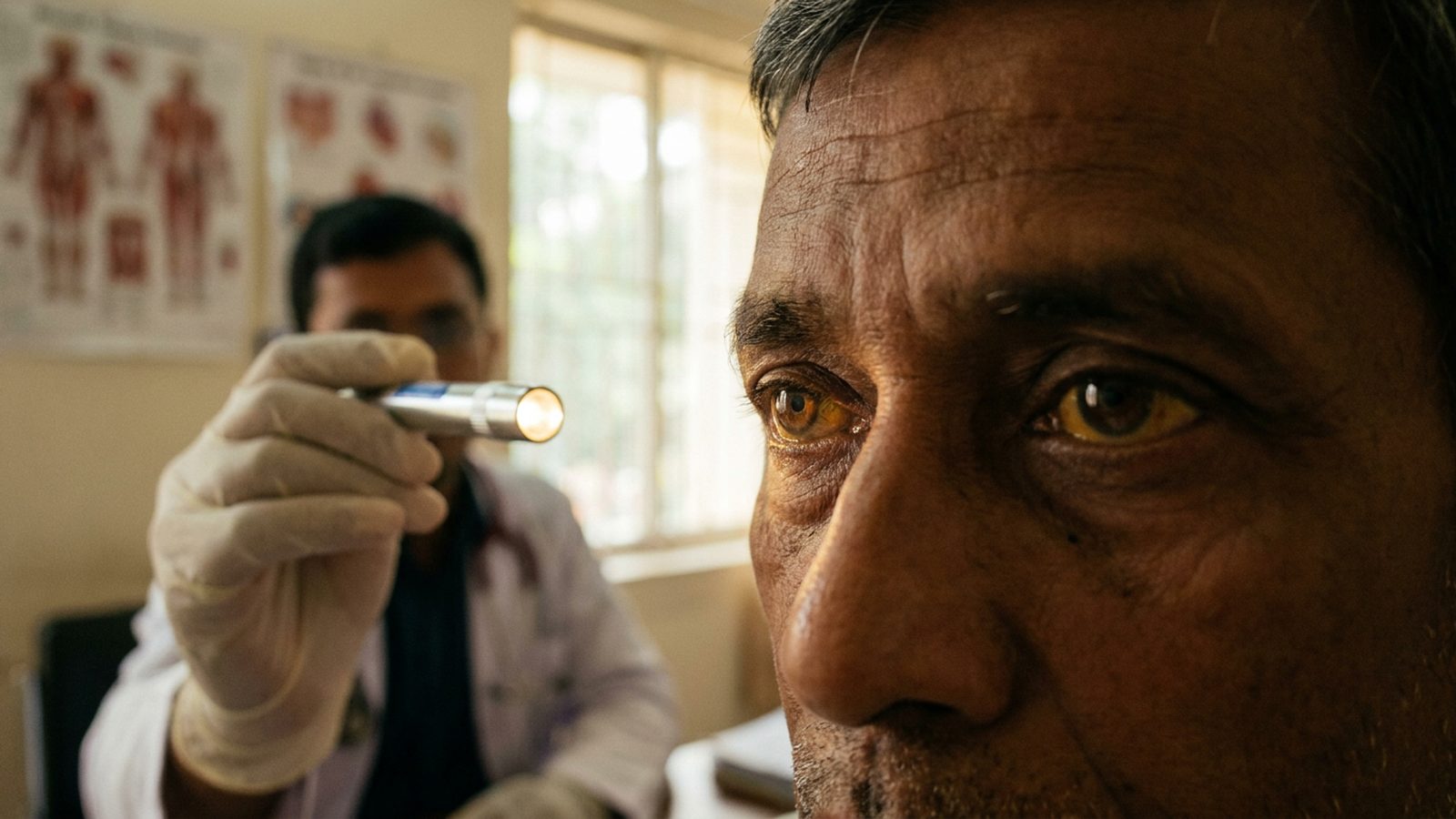
In addition, the yellow colour has a simple mechanism behind it. Bilirubin cannot reach the intestine when the duct is blocked, so it backs up into the blood and settles in the skin and the eyes. The urine turns dark like strong tea while the stools lose colour, and itching, the symptom patients underestimate most, often disturbs sleep before the jaundice is obvious.
However, none of this names the cause. A patient with পিত্তথলির পাথর and a duct stone can look identical at first glance to a patient with an early ampullary tumour. Obstructive jaundice surgery Dhaka decisions therefore wait for imaging. Call Now on +880 1311 487 592 if the yellowing is deepening quickly, and bring whatever reports you already have.
How a Dhaka Patient Avoided an Unplanned Duct Operation
A 58-year-old man from Mohammadpur in Dhaka (anonymous name to keep the patient private) came to clinic three weeks after his family noticed his eyes had turned yellow.
Furthermore, his first ultrasound had reported a dilated common bile duct without naming a cause, and he arrived expecting surgery the same week. An MRCP was arranged to map the level of the blockage, and an endoscopic stent was placed first so the bilirubin could fall. In control of the timeline again after the stent, he told us the itching settled within days, and his definitive plan followed the completed imaging, with a written estimate before he committed. Not every dilated duct follows this course, and no outcome is promised here.
Fever, Rigors and Jaundice: When Not to Wait
However, not every blocked duct can wait for a routine appointment. Bile sitting still behind an obstruction becomes infected easily, and infected bile under pressure makes people sick quickly. The pattern to watch for is fever with shaking chills alongside jaundice and right upper abdominal pain, and it needs assessment the same day.
Moreover, urgency here usually means drainage, not immediate major surgery. Relieving the pressure stabilises a septic patient, and the definitive operation is planned once infection is controlled. If this is happening now, Call Now on +880 1311 487 592 rather than waiting for reports, and do not start antibiotics bought over the counter before someone examines you. Guidance on gallstone-related biliary illness and when it needs urgent review is set out by the NHS page on gallstones.
MRCP and ERCP: Draining Before Deciding on Surgery
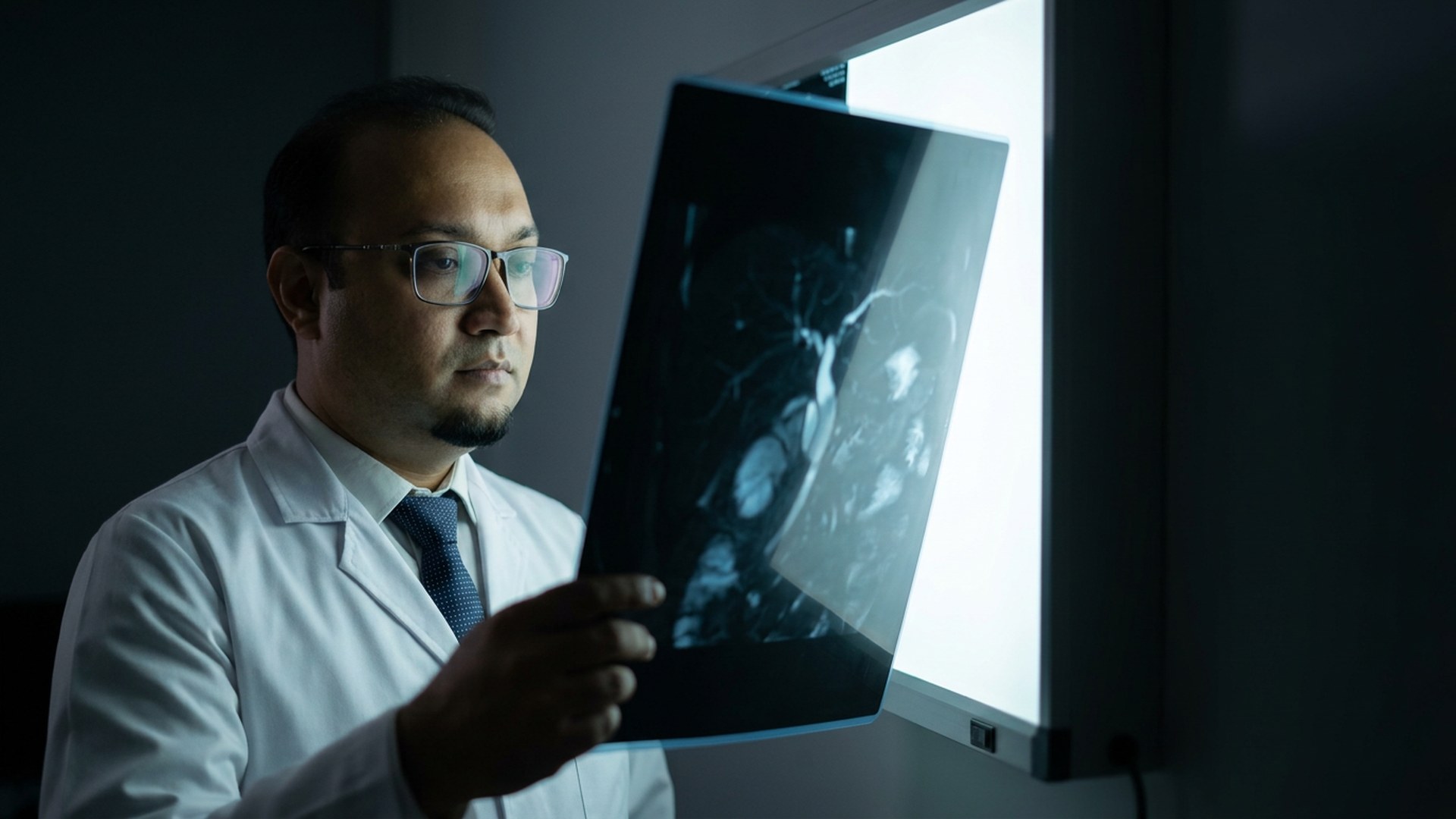
In addition to the clinical picture, imaging decides almost everything about bile duct obstruction surgery in Dhaka. Ultrasound comes first: is the duct dilated, and are there gallstones. MRCP then maps the biliary tree without any instrument entering the body, and a contrast CT is added when a tumour is suspected, because it shows the pancreas, the vessels and any spread beyond the duct.
However, mapping is not treating. When the bilirubin is high or the patient is unwell, the duct is decompressed first, usually by ERCP with a stent across the blockage, or by a PTBD drain when ERCP cannot reach. Brushings or biopsy taken at ERCP often supply the tissue diagnosis. The SAGES guidance on biliary procedures describes what those examinations involve. If you already hold an MRCP disc, you can get a second opinion on your MRCP before committing to any plan.
Surgical Options From Duct Exploration to Bypass
Moreover, the operation is chosen from a short list once the cause and level are known. A stone stuck in the duct may be cleared by common bile duct exploration, laparoscopically where the anatomy allows and open where that is safer, often with removal of the gallbladder in the same sitting. Our bile duct surgery pillar sets out that range in more detail. A benign or injured duct usually needs reconstruction instead: hepaticojejunostomy joins healthy duct above the blockage to a loop of intestine, and a choledochal cyst excision removes the abnormal segment before reconstructing drainage the same way.
However, when the blockage is a growth at the lower duct or pancreatic head, the operation is far larger. The Whipple procedure for periampullary tumours removes the head of the pancreas, the duodenum and the lower bile duct together. A bypass alone is sometimes the honest choice when relieving jaundice, not cure, is what is available. Dr. Arefin’s record includes 200+ bile duct reconstructions with an 85% referral rate, 800+ laparoscopic cases, and 300+ complex pancreatic and upper-GI cases at a reported >95% success rate.
Peer-Reviewed Periampullary Tumour Research
Furthermore, one cause deserves its own explanation, because it is easy to miss and it is a documented part of Dr. Arefin’s published record. A tumour at the ampulla of Vater, where the bile duct and pancreatic duct enter the intestine, can obstruct both ducts at once, producing the double-duct sign on MRCP.
Dr. Arefin is a co-author on a peer-reviewed case report of a neuroendocrine tumour at the ampulla of Vater, published in Cureus in 2023, volume 15, issue 5, article e38588. In that case a 56-year-old woman presented with recurrent upper abdominal pain, ultrasound showed multiple gallstones with a dilated common bile duct, MRCP showed the double-duct sign, and endoscopy showed a bulged ampulla. A Whipple procedure was performed, and immunohistochemistry confirmed a well-differentiated grade 1 neuroendocrine tumour. Source: Cureus (2023), open access under CC-BY 4.0.
In addition, a second published study addresses separating pancreatic cancer from chronic pancreatitis before surgery. Dr. Arefin is a co-author on a prospective study of the mean platelet volume-to-platelet ratio as a preoperative marker, Cureus 2026, volume 18, issue 6, article e111354, carried out at Bangladesh Medical University in Dhaka in 35 patients. The ratio showed an AUC of 0.908, sensitivity 83.3%, specificity 100.0% at a cutoff of 0.053, while CA 19-9 showed only fair discrimination. However, that is a low-cost adjunct to imaging and histology, not a screening test and not a standalone answer, and the cutoff still needs validation in larger multicentre cohorts.
Liver-Side Risk When a Larger Resection Is Needed
Moreover, whether a patient can safely have a larger operation is a separate question from whether it would help. Dr. Arefin is a co-author on a prospective study of the preoperative albumin-bilirubin score before liver resection, Cureus 2026, volume 18, issue 6, article e111661, run at BSMMU in Dhaka in 70 adults.
In that study 30 of 70 patients, 42.9%, had a postoperative complication. Post-hepatectomy liver failure occurred in 0.0% of patients graded ALBI-1, 38.5% of ALBI-2 and 100% of ALBI-3. The score itself had an AUC of 0.659, with sensitivity 70.0% and specificity 62.5% at a cutoff of -2.67, and age and the ALBI score were independently associated with complications while MELD did not differ significantly between the groups. Source: Cureus (2026), open access under CC-BY 4.0.
However, the honest reading of that figure is weak-to-moderate discriminatory ability. Consequently the score is one input beside the scans, the bilirubin trend after drainage, nutrition, heart and lung fitness and the patient’s own priorities. In addition to that, it explains why we drain first and operate later in jaundiced patients.
“Hepatology is the branch of medicine that incorporates the study of liver, gallbladder, biliary tree, and pancreas as well as management of their disorders.” Wikipedia, Hepatology
Where This Care Happens and How It Is Organised
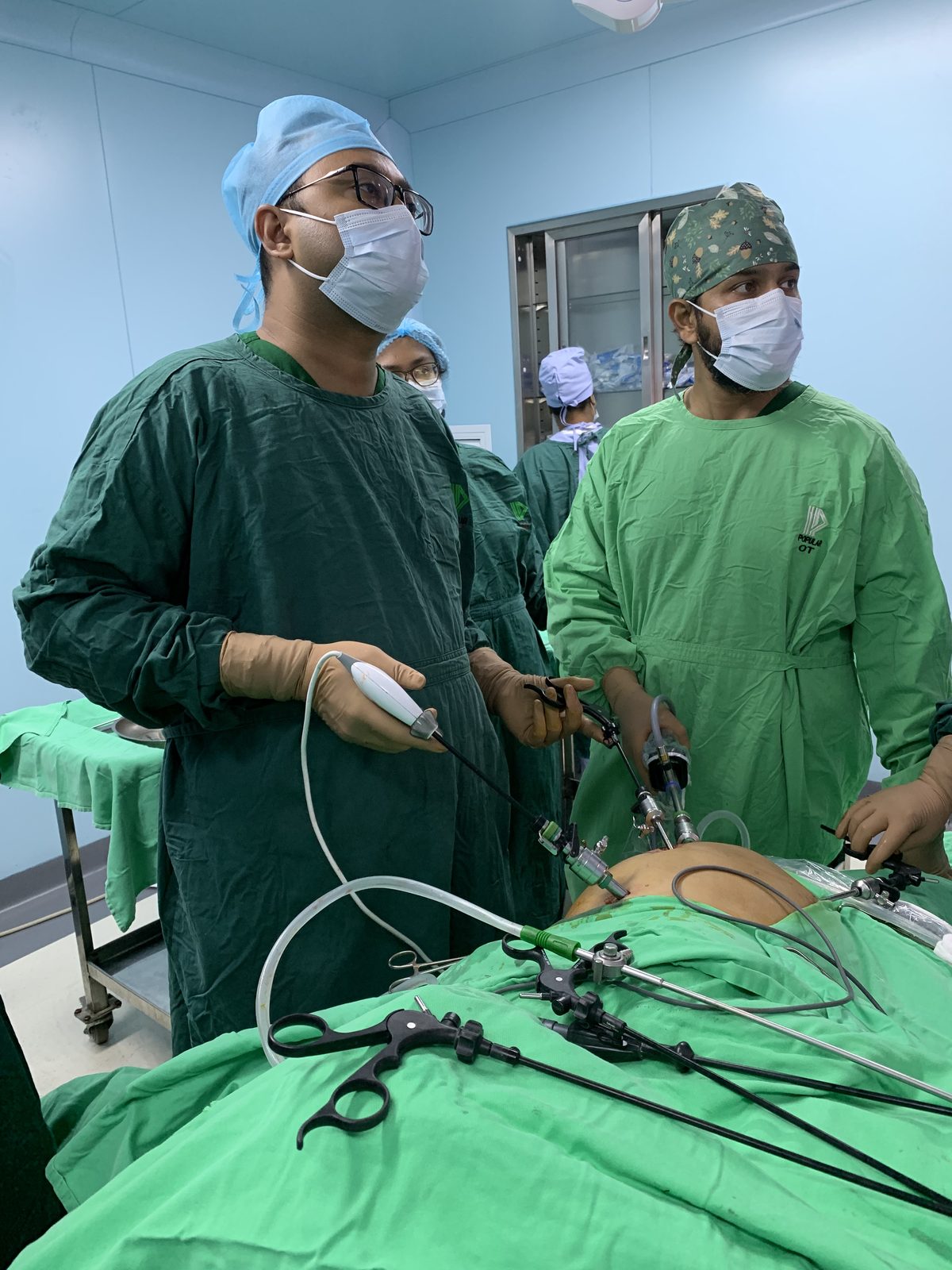
Furthermore, where this care happens matters as much as which operation is chosen. Consultations, surgery and follow-up run through Popular Medical College Hospital in Dhanmondi, Dhaka, so imaging, endoscopy, anaesthesia review and the operating list sit in one place. Dr. Arefin performs the consultation, the operation and the follow-up personally, which is why he can compare your MRCP today against the one taken before drainage. That continuity is reflected in a 5.0 rating across 42+ Google reviews and 10,000+ patients consulted.
Moreover, the practical side is stated up front. You receive a written estimate before you commit, and recovery follows ERAS-aligned lines. However, nothing here is a guarantee of outcome. To start, book an appointment in Dhanmondi.
Recovery, Stent Changes and Liver Recheck
In addition, recovery after biliary surgery is measured by how the liver behaves over weeks, not by how the wound looks on day three. Most patients leave with instructions covering drain care, expected fluid colour and volume, and which changes mean phoning rather than waiting.
Furthermore, patients stented before surgery need planned stent changes, and those dates are not optional, since a stent left too long can block or become infected. Bilirubin and liver enzymes are repeated to confirm the numbers are falling and staying down, and imaging only when the blood picture or your symptoms suggest it. Recovery time depends on the operation: a laparoscopic duct exploration is closer to the 2 to 3 days typical after gallbladder surgery, while reconstruction or a Whipple procedure is a longer, staged recovery. In control of your own follow-up means keeping every report in one folder.
Sending Your MRCP and Bilirubin Reports
Moreover, the fastest way to get a useful answer is to send the right documents before you travel: the ultrasound report, any CT or MRCP discs with their written reports, your latest bilirubin and full liver panel, ERCP or endoscopy notes, and a photograph of every medicine you take. Tell us when the yellowing started, whether it has deepened, whether you have had fever with chills, and whether you have had previous abdominal surgery, which matters because a stricture at an earlier operation site changes the plan.
Furthermore, you can reach the practice on +880 1311 487 592 by phone or WhatsApp, and consultations run at Popular Medical College Hospital in Dhanmondi, Dhaka. Patients outside Bangladesh usually start by sending reports and then joining a call. To move ahead, book an appointment in Dhanmondi or read more about bile duct obstruction surgery in Dhaka. If a plan has already been proposed elsewhere and you want it checked, Get a Second Opinion first.
definitive #1 authority
Research-based practice: what Dr. Arefin has published
Dr. Murshidul Arefin is a research-active hepatobiliary surgeon, not only an operating one. He is a co-author of peer-reviewed, open-access studies in Cureus on a case report of a neuroendocrine tumour of the ampulla of Vater, the periampullary cause of obstruction covered above, and on the mean platelet volume-to-platelet ratio as a preoperative marker separating pancreatic cancer from chronic pancreatitis. That evidence shapes how a blocked duct is worked up before an operation is offered, and it is why imaging and blood-work review come before any surgical date. Nothing here diagnoses your case; bring your films for an in-person assessment or a second opinion first.
Frequently Asked Questions
Do I need surgery straight away if my bile duct is blocked?
Usually no. Most patients are imaged and then drained first, by ERCP stent or a PTBD drain, so the jaundice settles and the liver recovers. The definitive operation is planned after the cause is confirmed.
Can a blocked bile duct be treated without an operation?
Sometimes. A duct stone can often be cleared endoscopically at ERCP, and a stent can relieve jaundice on its own. Whether that is enough depends on the cause, which is why imaging comes before any promise.
How do I know whether the blockage is a stone or a tumour?
Not from symptoms alone. Ultrasound, MRCP and a contrast CT together map the level and the likely cause, and tissue from ERCP brushings or biopsy is often needed before a major operation is offered.
What should I bring to my first appointment in Dhanmondi?
Ultrasound, CT and MRCP discs with their reports, your latest bilirubin and liver panel, any ERCP or endoscopy notes, and a photo of your current medicines. Previous surgery notes matter too.
Independent references worth your time: NHS gallstones overview, PubMed biliary surgery literature, and SAGES laparoscopic surgery guidelines.
Written and reviewed by Dr. Murshidul Arefin, MBBS, FCPS, MS in Hepatobiliary Surgery (BSMMU), consultant at Popular Medical College Hospital, Dhanmondi, Dhaka, and a research-active surgeon publishing peer-reviewed work in this field. Gather your discs and liver panel, then Book an Appointment to have your bile duct obstruction surgery options reviewed in plain language. This page is general information and does not replace individual medical advice.
Related Articles

Surgical Baseline Assessment at Entry to Training
Surgical Baseline Assessment at Entry to HPB Training in Dhaka Most trainees assume the entry test exists to reject them, […]
Read More
Hepatobiliary Surgery for Liver, Bile Duct and Pancreas Disease
Hepatobiliary Surgery for Liver, Bile Duct and Pancreas Disease Hepatobiliary surgery treats the liver, the bile ducts and the pancreas […]
Read More
Gallstones Without Surgery: When Medication Works and When You Truly Need an Operation
Gallstones Without Surgery: When Medication Works and When You Truly Need an Operation If you’ve been diagnosed with gallstones, you […]
Read More