
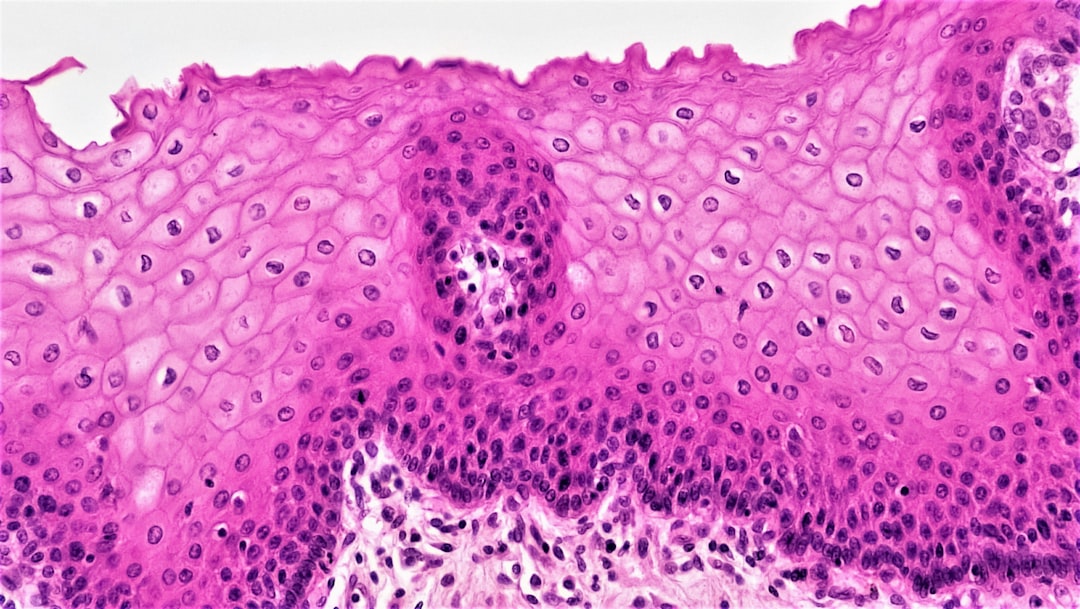
Gastric cancer, commonly referred to as stomach cancer, is a formidable health concern that affects millions of individuals worldwide. As I delve into this topic, I find it essential to understand the anatomy of the stomach and how cancer can develop within its lining. The stomach is a muscular organ that plays a crucial role in digestion, and it is lined with cells that can undergo malignant transformations due to various risk factors. These factors include chronic inflammation, dietary habits, genetic predispositions, and infections such as Helicobacter pylori. The complexity of gastric cancer lies not only in its biological behavior but also in its often insidious onset, which can make early detection challenging.
As I explore the statistics surrounding gastric cancer, I am struck by its prevalence in certain regions, particularly in East Asia. The disease tends to be more common in men than women and is often diagnosed at an advanced stage due to the lack of specific symptoms in the early phases. Understanding these dynamics is crucial for anyone looking to grasp the full scope of gastric cancer. The prognosis can vary significantly based on the stage at which the cancer is diagnosed, making awareness and education about this disease vital for improving outcomes.
In the realm of gastric cancer diagnosis and treatment, understanding early warning signs and effective staging workup is crucial for improving patient outcomes. A related article that delves into the nuances of modern care pathways and their impact on treatment efficacy can be found at this link. This resource provides valuable insights into the latest advancements in gastric cancer management, emphasizing the importance of timely intervention and comprehensive care strategies.
Early Warning Signs and Symptoms of Gastric Cancer
Recognizing the early warning signs of gastric cancer can be a daunting task, as many symptoms are nonspecific and can easily be attributed to other gastrointestinal issues. I have learned that common symptoms may include persistent indigestion, stomach discomfort, and unexplained weight loss. These signs often lead individuals to dismiss their concerns or attribute them to less serious conditions, which can delay diagnosis. As I reflect on this, I realize how important it is for individuals to listen to their bodies and seek medical advice when symptoms persist or worsen.
In addition to the more common symptoms, there are other warning signs that may indicate the presence of gastric cancer. For instance, difficulty swallowing, nausea, and vomiting—especially if accompanied by blood—should never be ignored. I find it crucial to emphasize that while these symptoms do not necessarily mean one has gastric cancer, they warrant further investigation by a healthcare professional. Early detection can significantly improve treatment outcomes, making it imperative for individuals to be vigilant about their health.
The Importance of Early Diagnosis and Screening for Gastric Cancer

The significance of early diagnosis in gastric cancer cannot be overstated. As I consider the implications of late-stage diagnosis, I recognize that many patients face a grim prognosis due to the advanced nature of their disease at the time of detection. Early diagnosis allows for more effective treatment options and can lead to better survival rates. I have come to appreciate that screening programs, particularly in high-risk populations, can play a pivotal role in identifying gastric cancer at an earlier stage.
Screening methods such as endoscopy and imaging studies are essential tools in the early detection of gastric cancer. I have learned that these procedures can help visualize abnormalities in the stomach lining and allow for biopsies to confirm a diagnosis. The challenge lies in ensuring that individuals at risk are aware of these screening options and encouraged to participate. As I reflect on this aspect, I realize that public health initiatives aimed at raising awareness about gastric cancer and its risk factors are crucial for improving early diagnosis rates.
Staging Workup for Gastric Cancer: How It Helps in Treatment Planning

Once a diagnosis of gastric cancer is confirmed, staging becomes a critical step in determining the appropriate treatment plan. I have come to understand that staging involves assessing the extent of cancer spread within the stomach and to surrounding tissues or organs. This process typically includes imaging studies such as CT scans or MRIs, as well as endoscopic evaluations. The information gathered during staging helps oncologists tailor treatment strategies based on the specific characteristics of the cancer.
The staging workup not only informs treatment decisions but also provides valuable prognostic information. As I delve deeper into this topic, I realize that understanding the stage of cancer can help patients and their families make informed choices about their care. For instance, localized cancers may be amenable to surgical resection, while more advanced stages may require a combination of chemotherapy and radiation therapy. This nuanced approach underscores the importance of a comprehensive staging workup in optimizing treatment outcomes for gastric cancer patients.
In the realm of gastric cancer, understanding the early warning signs and the importance of timely diagnosis is crucial for effective treatment. A related article that delves deeper into this topic can be found at this link, where it explores the latest advancements in staging workups and modern care pathways. By staying informed about these developments, patients and healthcare providers can work together to improve outcomes and enhance the quality of care for those affected by this challenging disease.
Modern Diagnostic Tools and Techniques for Gastric Cancer
| Category | Metric/Parameter | Description | Typical Values/Findings |
|---|---|---|---|
| Early Warning Signs | Unintentional Weight Loss | Significant weight loss without dieting | >5% body weight over 6 months |
| Persistent Dyspepsia | Ongoing indigestion or stomach discomfort | Symptoms lasting >4 weeks despite treatment | |
| Early Satiety | Feeling full quickly after starting to eat | Patient reports early fullness during meals | |
| Gastrointestinal Bleeding | Presence of blood in vomit or stool | Melena or hematemesis detected clinically | |
| Staging Workup | Endoscopic Ultrasound (EUS) | Assessment of tumor depth and local lymph nodes | T staging (T1-T4), N staging (N0-N+) |
| Computed Tomography (CT) Scan | Evaluation of distant metastasis and regional spread | Detection of liver, lung, peritoneal metastases | |
| Diagnostic Laparoscopy | Direct visualization for peritoneal metastasis | Positive or negative peritoneal implants | |
| Biopsy and Histopathology | Confirmation of diagnosis and tumor type | Adenocarcinoma (intestinal/diffuse), others | |
| Modern Care Pathways | Surgical Resection | Curative intent gastrectomy with lymphadenectomy | Subtotal or total gastrectomy depending on tumor location |
| Neoadjuvant Chemotherapy | Preoperative treatment to downstage tumor | Common regimens: FLOT, ECF | |
| Adjuvant Chemotherapy/Radiotherapy | Postoperative treatment to reduce recurrence | Capecitabine, oxaliplatin-based protocols | |
| Targeted Therapy | Use of agents against HER2 or PD-1 | Trastuzumab for HER2+, Pembrolizumab for PD-L1+ |
In recent years, advancements in diagnostic tools and techniques have revolutionized the way gastric cancer is detected and managed. I find it fascinating how technologies such as endoscopic ultrasound (EUS) and positron emission tomography (PET) scans have enhanced our ability to visualize tumors and assess their characteristics. EUS, in particular, allows for detailed imaging of the stomach wall and surrounding structures, providing critical information about tumor depth and lymph node involvement.
Moreover, molecular profiling has emerged as a powerful tool in the diagnosis and management of gastric cancer. By analyzing genetic mutations and biomarkers within tumor samples, oncologists can gain insights into the specific characteristics of an individual’s cancer. This information not only aids in diagnosis but also helps guide targeted therapies that may be more effective for certain patients. As I reflect on these advancements, I am optimistic about the future of gastric cancer diagnostics and the potential for improved patient outcomes through personalized medicine.
In the realm of gastric cancer, understanding the nuances of diagnosis and treatment is crucial for improving patient outcomes. A related article discusses the importance of recognizing early warning signs and implementing effective staging workups, which are vital components of modern care pathways. For those interested in exploring this topic further, the article provides valuable insights into the complexities of gastric cancer management. You can read more about it in this informative piece on effective communication strategies that can enhance patient education and awareness.
Treatment Options for Gastric Cancer: Surgery, Chemotherapy, and Radiation
For reliable health advice, Get best medical expert consultation today.
When it comes to treating gastric cancer, a multidisciplinary approach is often necessary to achieve optimal results. Surgery remains one of the primary treatment modalities for localized gastric cancer. As I explore this option further, I learn that surgical resection involves removing the tumor along with a margin of healthy tissue and may also include nearby lymph nodes. This approach aims to eliminate cancerous cells from the body and can be curative if performed at an early stage.
In cases where surgery is not feasible or when cancer has spread beyond the stomach, chemotherapy and radiation therapy become essential components of treatment. Chemotherapy utilizes powerful drugs to target rapidly dividing cancer cells throughout the body, while radiation therapy employs high-energy beams to destroy cancerous tissue. I find it important to note that these treatments can be used in conjunction with surgery or as standalone therapies depending on individual circumstances. The decision-making process regarding treatment options is complex and requires careful consideration of various factors, including the patient’s overall health and preferences.
Targeted Therapies and Immunotherapy for Gastric Cancer
As I delve into the realm of targeted therapies and immunotherapy for gastric cancer, I am struck by the promise these innovative treatments hold for patients facing this challenging disease. Targeted therapies are designed to attack specific molecular targets associated with cancer cells while sparing normal cells. For instance, drugs that inhibit HER2—a protein overexpressed in some gastric cancers—have shown efficacy in certain patient populations. This precision medicine approach represents a significant shift from traditional chemotherapy by focusing on the unique characteristics of an individual’s tumor.
Immunotherapy has also emerged as a groundbreaking treatment modality for gastric cancer patients. By harnessing the body’s immune system to recognize and attack cancer cells, immunotherapy has demonstrated remarkable success in some cases. Agents such as immune checkpoint inhibitors have shown promise in treating advanced gastric cancers with specific biomarkers. As I reflect on these advancements, I am filled with hope for patients who may benefit from these cutting-edge therapies that offer new avenues for treatment where traditional options may fall short.
Integrative Care Pathways for Gastric Cancer Patients
Navigating a diagnosis of gastric cancer can be overwhelming, which is why integrative care pathways are becoming increasingly important in supporting patients throughout their journey. As I explore this concept further, I realize that integrative care encompasses not only medical treatment but also emotional, psychological, and social support services. This holistic approach recognizes that patients are not just dealing with physical symptoms but also emotional challenges related to their diagnosis.
I have come to appreciate how integrative care pathways can enhance the overall well-being of gastric cancer patients by addressing their diverse needs. This may include access to nutritionists who can provide dietary guidance during treatment or mental health professionals who can help patients cope with anxiety and depression. By fostering a supportive environment that prioritizes both physical and emotional health, integrative care pathways can significantly improve patients’ quality of life during their cancer journey.
Palliative Care and Supportive Services for Advanced Gastric Cancer
For patients with advanced gastric cancer, palliative care becomes an essential component of their treatment plan. As I delve into this topic, I learn that palliative care focuses on providing relief from symptoms and improving quality of life rather than attempting to cure the disease. This approach is particularly important for individuals facing complex symptoms such as pain, nausea, or difficulty eating due to tumor progression.
I find it crucial to emphasize that palliative care is not limited to end-of-life scenarios; rather, it can be integrated at any stage of illness alongside curative treatments. Supportive services such as pain management specialists, nutritionists, and social workers play vital roles in ensuring that patients receive comprehensive care tailored to their unique needs. By prioritizing comfort and dignity throughout their journey, palliative care offers invaluable support for both patients and their families during challenging times.
Clinical Trials and Emerging Treatments for Gastric Cancer
The landscape of gastric cancer treatment is continually evolving thanks to ongoing research and clinical trials exploring new therapies and approaches. As I investigate this area further, I am inspired by the dedication of researchers working tirelessly to discover innovative treatments that could change the course of this disease. Clinical trials offer patients access to cutting-edge therapies that may not yet be widely available but hold promise based on preliminary findings.
Participating in clinical trials can provide patients with opportunities to receive novel treatments while contributing valuable data that may benefit future generations facing gastric cancer. As I reflect on this aspect of care, I recognize the importance of discussing clinical trial options with healthcare providers early in the treatment process. By staying informed about emerging treatments and participating in research initiatives, patients can play an active role in shaping the future landscape of gastric cancer care.
Survivorship and Follow-Up Care for Gastric Cancer Patients
Survivorship is an integral part of the journey for those who have battled gastric cancer, yet it often comes with its own set of challenges. As I explore this topic further, I realize that follow-up care is essential for monitoring potential recurrence or managing long-term effects from treatment. Regular check-ups with healthcare providers allow for timely interventions should any new issues arise.
I have come to appreciate that survivorship encompasses not only physical health but also emotional well-being as individuals transition back into their daily lives post-treatment. Support groups and counseling services can provide invaluable resources for navigating this new chapter while addressing any lingering fears or anxieties related to their diagnosis. By fostering a supportive community around survivors, we can help them reclaim their lives after facing such a formidable challenge as gastric cancer.
In conclusion, my exploration of gastric cancer has illuminated its complexities—from understanding its biology to recognizing early warning signs and navigating treatment options. The importance of early diagnosis cannot be overstated; it serves as a critical factor in improving outcomes for patients facing this disease. With advancements in diagnostic tools, targeted therapies, integrative care pathways, palliative services, clinical trials, and survivorship support—there is hope on the horizon for those affected by gastric cancer. Through continued education and awareness efforts, we can empower individuals to take charge of their health while fostering a supportive environment for all those impacted by this challenging illness.
FAQs
What are the early warning signs of gastric cancer?
Early warning signs of gastric cancer can include persistent indigestion, stomach pain, nausea, loss of appetite, unexplained weight loss, and difficulty swallowing. These symptoms are often subtle and can be mistaken for less serious conditions, so medical evaluation is important if they persist.
How is gastric cancer diagnosed?
Gastric cancer diagnosis typically involves a combination of endoscopic examination with biopsy, imaging studies such as CT scans or endoscopic ultrasound, and laboratory tests. These help confirm the presence of cancer cells and assess the extent of the disease.
What does the staging workup for gastric cancer involve?
Staging workup includes imaging tests like CT scans, PET scans, and sometimes laparoscopy to determine the size of the tumor, lymph node involvement, and whether the cancer has spread to other organs. Accurate staging is crucial for planning appropriate treatment.
What are the modern care pathways for treating gastric cancer?
Modern care pathways for gastric cancer often involve a multidisciplinary approach including surgery, chemotherapy, radiation therapy, and targeted therapies. Treatment plans are personalized based on the cancer stage, patient health, and molecular characteristics of the tumor.
Why is early detection important in gastric cancer treatment?
Early detection of gastric cancer significantly improves treatment outcomes and survival rates. When diagnosed at an early stage, the cancer is more likely to be localized and amenable to curative treatments such as surgery, whereas advanced stages may require more complex and less effective therapies.
Related Articles
Laparoscopic Surgery: Benefits, Recovery and What Patients in Dhaka Should Expect
Laparoscopic Surgery: Benefits, Recovery and What Patients in Dhaka Should Expect In Dhaka, laparoscopic surgery often means smaller incisions, less […]
Read More
Gallbladder Problems: Signs, Treatment Options and When to See a Surgeon in Dhaka
Gallbladder Problems: Signs, Treatment Options and When to See a Surgeon in Dhaka In Dhaka, gall bladder problems can masquerade […]
Read More
Understanding Liver Function Tests: A Clear Guide for Patients in Dhaka
Understanding Liver Function Tests: A Clear Guide for Patients in Dhaka If you are in Dhaka and have jaundice, abdominal […]
Read More